


Primary sourceSpeech10 November 1859
Rede auf Schiller
Jacob Grimm · 10 November 1859
Jacob Grimm's speech delivered to the Prussian Academy of Sciences in 1859 at the centenary celebration of the poet Schiller.
This is Jacob Grimm's own speech, showing his role as a public voice for German national culture late in his life.
Free Humy account · No credit card · 120,288 sources to read

About this source
What it is
This is the printed text of a speech by Jacob Grimm, delivered at a solemn session of the Royal Prussian Academy of Sciences on 10 November 1859. The speech honors the poet Friedrich Schiller on the hundredth anniversary of his birth.
Why it matters
The speech shows Jacob Grimm not only as a scholar of language and folklore but also as a public figure speaking on behalf of German national culture. He describes festive celebrations happening across German towns and reflects on poetry's power to unite a divided people, showing how cultural figures like Schiller were used to build a sense of shared German identity.
Look closer
- Why might an academy ask a linguist like Grimm, rather than a poet, to give this speech?
- What does Grimm's description of celebrations across Germany tell you about the mood of the time?
- What does this speech suggest about the connection between culture and national unity in 19th-century Germany?
This speech is part of the curated material that grounds the AI version of Jacob Grimm on Humy.ai — when students ask about related events, the AI can quote it and cite it.
More Jacob Grimm sources
Browse all 90 →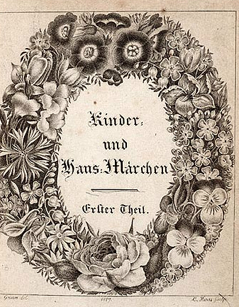 Book
Primary source
Grimms' Fairy Tales
Jacob Grimm and Wilhelm Grimm · 1812-1815 (first edition)
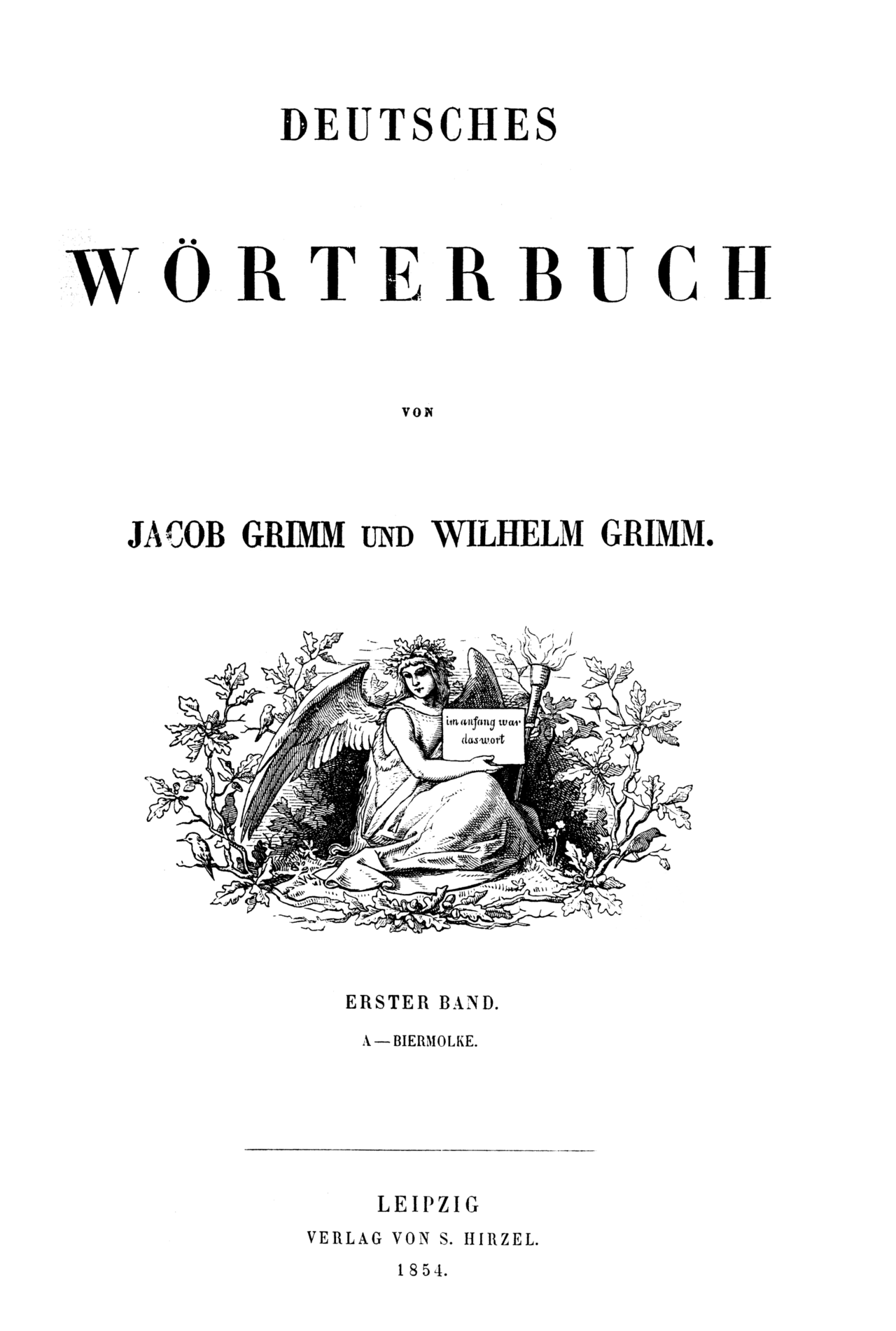 Book
Primary source
Deutsches Wörterbuch
Jacob Grimm and Wilhelm Grimm · begun 1838, first volume 1854
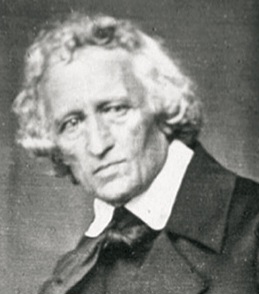 Photograph
Primary source
Jacob Grimm Daguerreotype
Hermann Biow · 1847
Primary source
Deutsche Mythologie
Jacob Grimm · 1835
Free account
Read every Jacob Grimm source
Sign up free →
Ready when you are
Start chatting with Jacob Grimm now.
20 messages free · No credit card · Available in 50+ languages.