


Primary sourceDocument28 February 1933
Reichstag Fire Decree
28 February 1933
The emergency decree issued the day after the 1933 Reichstag fire, suspending civil liberties and used by Hitler's government to crush opponents.
Hitler's government used this decree, countersigned by Hitler, to suppress opponents and consolidate power.
Free Humy account · No credit card · 53,307 sources to read
About this source
What it is
The Reichstag Fire Decree, officially the "Decree of the Reich President for the Protection of People and State," was signed by President Paul von Hindenburg on 28 February 1933, the day after the Reichstag building burned down. It was countersigned by Chancellor Adolf Hitler and his ministers.
Why it matters
The decree suspended personal liberty, freedom of speech and press, and other constitutional rights, under the claim of defending against a communist uprising. Hitler's government used it to arrest political opponents, especially Communists, without specific charges, and it remained in force throughout the Nazi era. It is a key example of how an emergency measure became a lasting tool of dictatorship.
Look closer
- Why did the government blame the fire on a specific political group so quickly?
- What rights does this decree take away, and what effect would that have on ordinary people?
- Why might a "temporary" emergency measure end up lasting for years?
This document is part of the curated material that grounds the AI version of Adolf Hitler on Humy.ai — when students ask about related events, the AI can quote it and cite it.
More Adolf Hitler sources
Browse all 95 →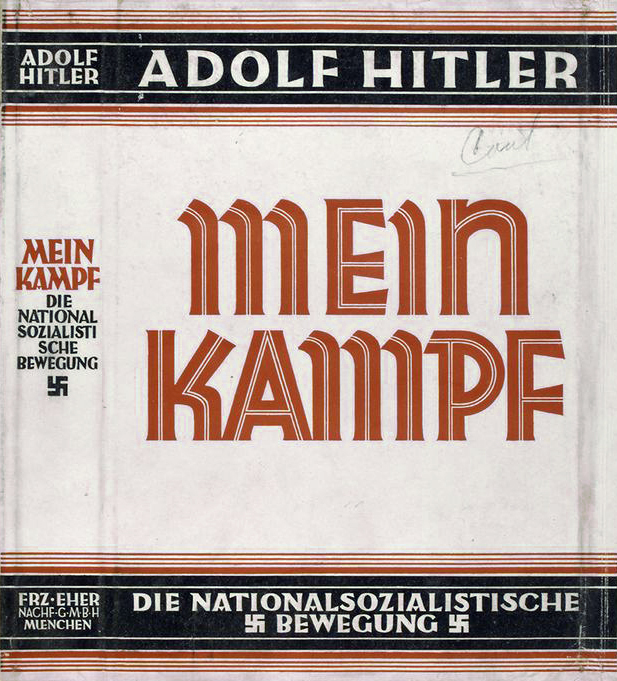 Book
Primary source
Mein Kampf
Adolf Hitler · 1925–1926
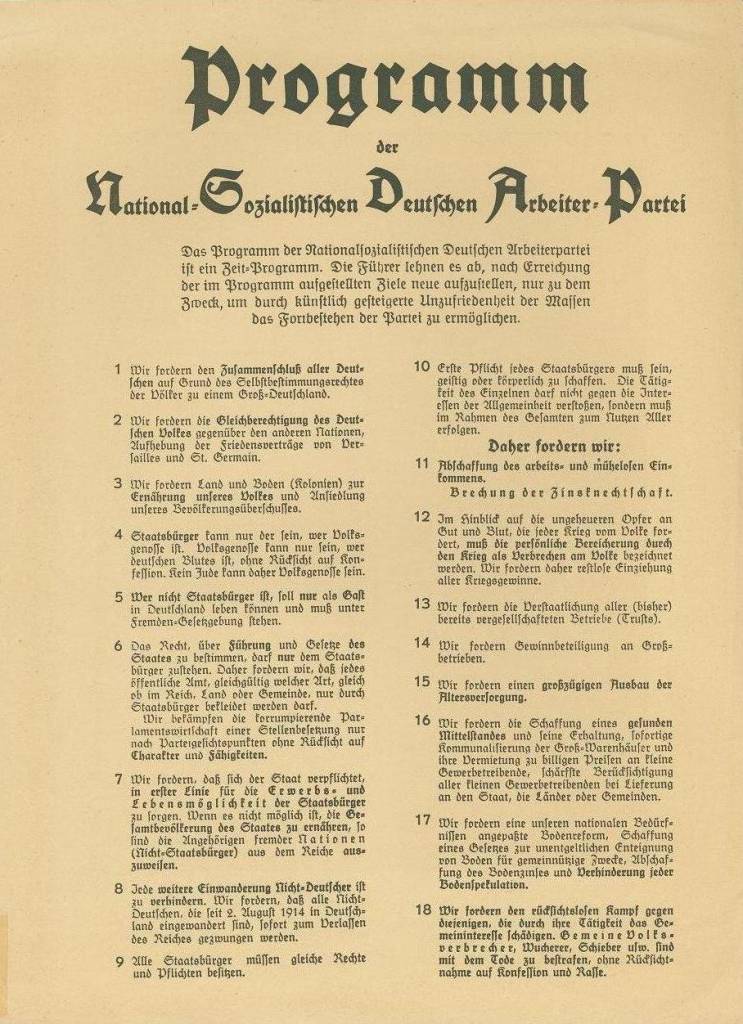 Document
Primary source
National Socialist Program
Adolf Hitler · 24 February 1920
Primary source
Enabling Act of 1933
24 March 1933
Primary source
Reich Citizenship Law
15 September 1935
Free account
Browse every Adolf Hitler source
Sign up free →
Ready when you are
Start chatting with Adolf Hitler now.
20 messages free · No credit card · Available in 50+ languages.