


Secondary sourceSculpture2011-05-05
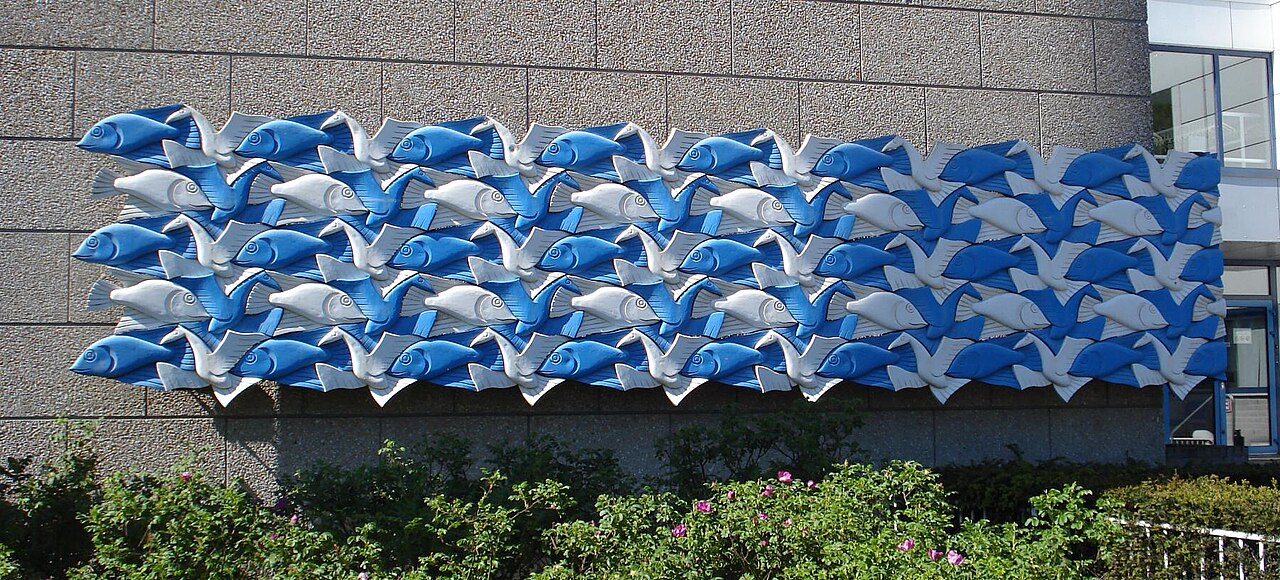
Relief after M.C. Escher, Houtrustweg Water Treatment Plant
Wikifrits · 2011-05-05
A large wall relief on a water treatment building in The Hague, showing tessellated fish and bird shapes based on Escher's designs.
A later public relief based on Escher's tessellation designs, showing how his art was used to decorate architecture after his lifetime.
About this source
What it is
This is a modern photograph of a large relief on the facade of the Houtrustweg water treatment plant in The Hague, Netherlands. The relief shows interlocking fish and bird shapes arranged in rows, a design based on the work of M. C. Escher.
Why it matters
Escher was famous for tessellations: patterns of shapes like fish and birds that interlock perfectly without gaps. This public relief shows how his ideas moved from paper into architecture, becoming part of everyday city life long after he made his original designs.
Look closer
- Why might a water treatment plant choose this kind of decoration?
- How does turning a flat drawing into a stone relief change the way the pattern looks?
- What does it tell us that Escher's art is used to decorate public buildings?
This sculpture is part of the curated material that grounds the AI version of M. C. Escher on Humy.ai — when students ask about related events, the AI can quote it and cite it.
More M. C. Escher sources
Browse all 55 →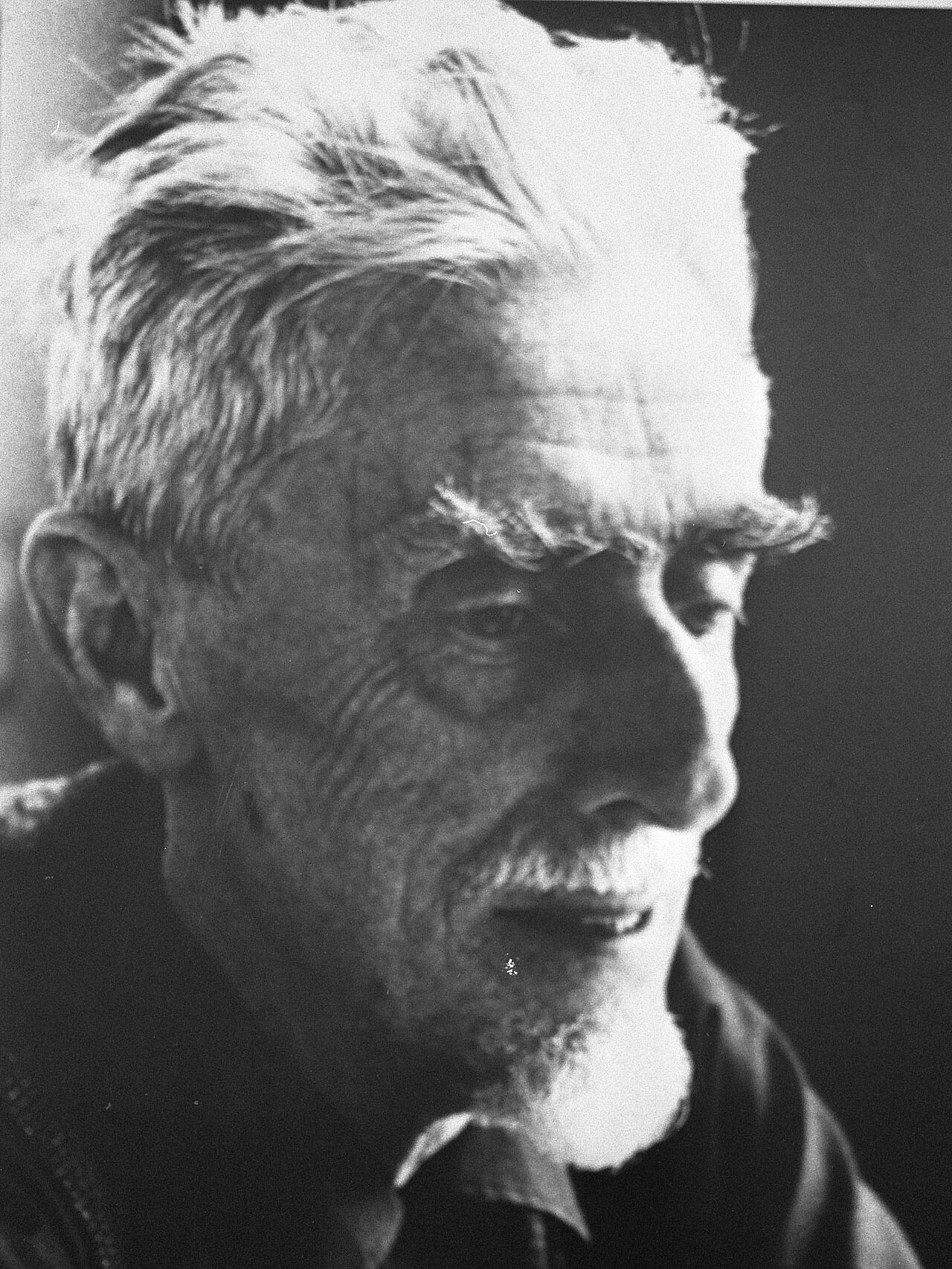 Photograph
Primary source
Portrait of M. C. Escher
Hans Peters (ANEFO), probably · c. 23 November 1971
 Painting
Primary source
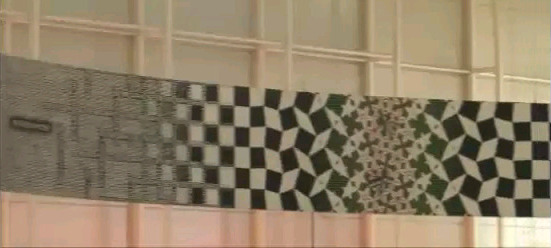
Metamorphosis III
M. C. Escher · 1967-1968
 Photograph
Primary source
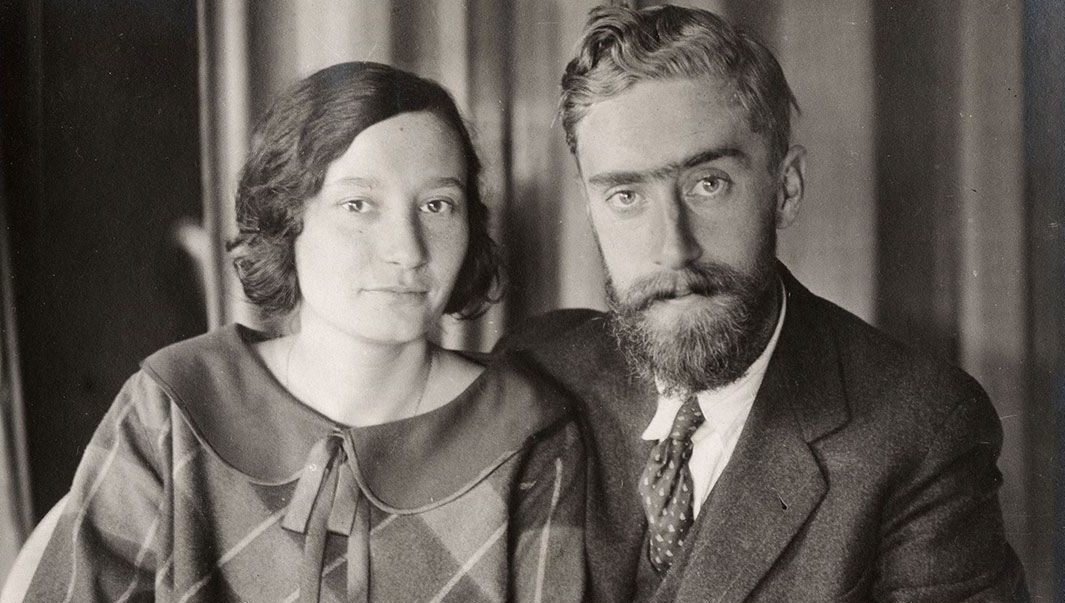
Jetta and Maurits, Newly Married
Unknown · 1924
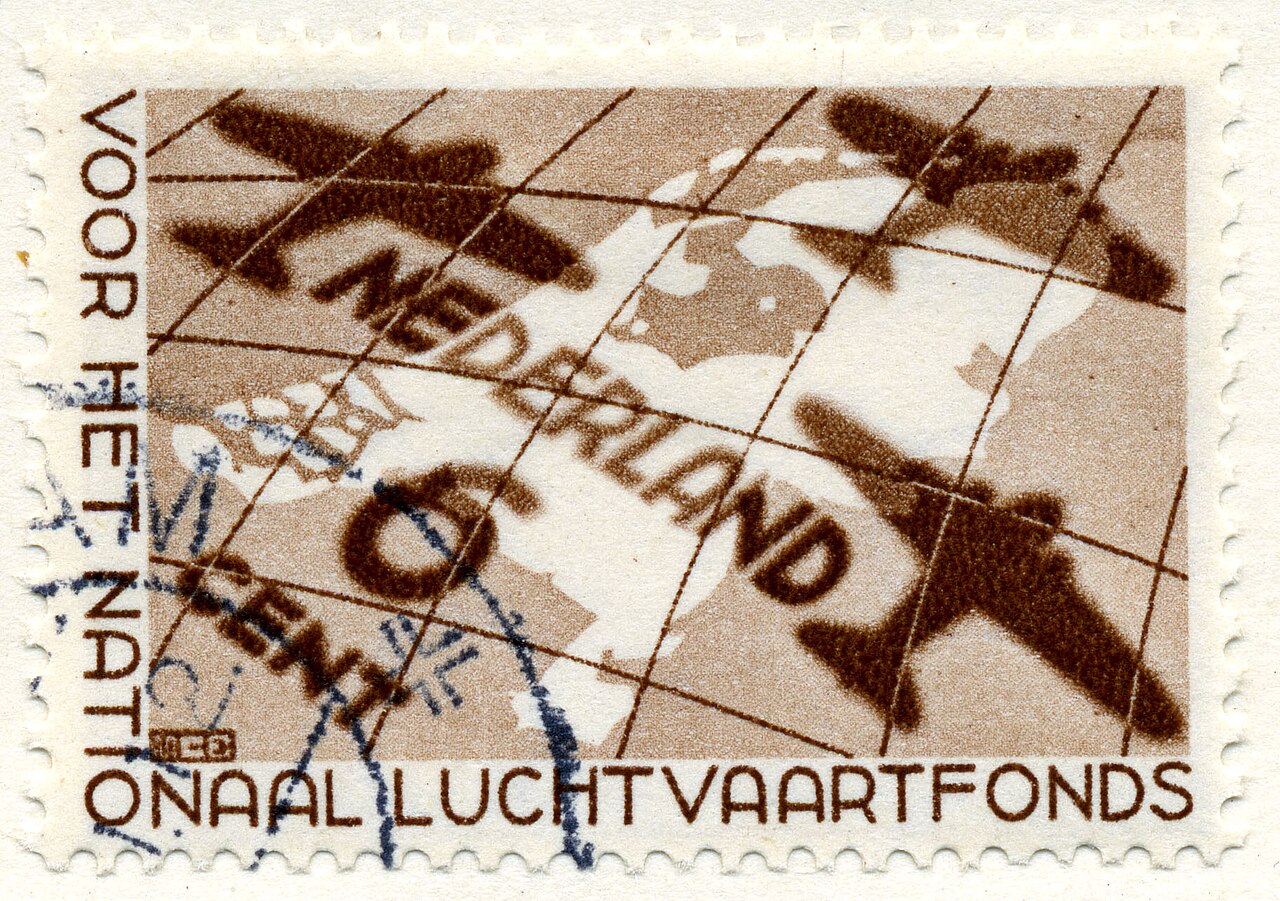 Artifact
Primary source
1935 Air Fund Postage Stamp
M. C. Escher, for Staatsbedrijf der Posterijen, Telegrafie en Telefonie · 1935
Free account
Read every M. C. Escher source
Sign up free →
Ready when you are
Start chatting with M. C. Escher now.
20 messages free · No credit card · Available in 50+ languages.