


Primary sourceSculpturec. 636–649 CE
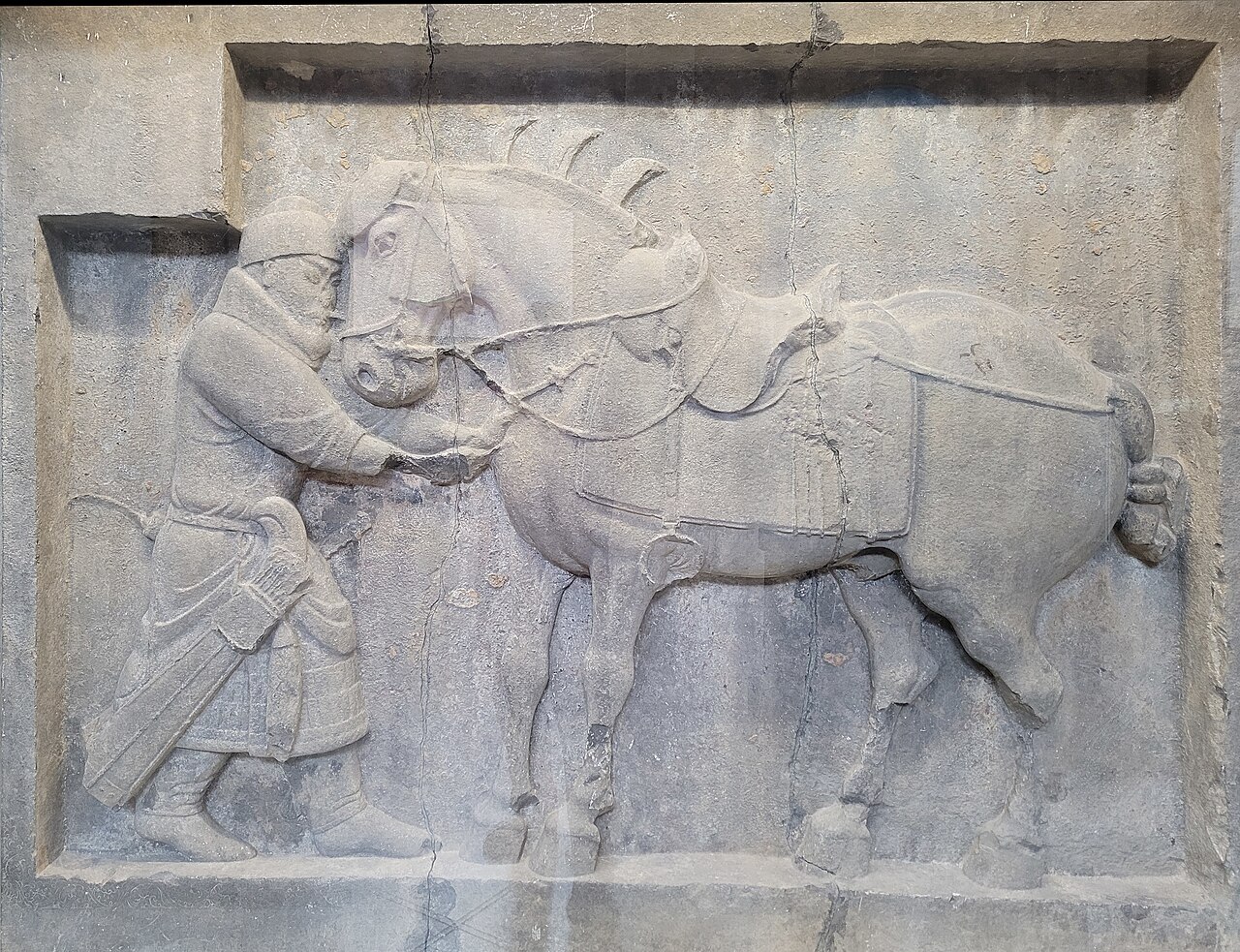
Relief of Saluzi, one of the Six Steeds of Zhaoling
c. 636–649 CE
A stone relief carved for Emperor Taizong's tomb complex, showing his horse Saluzi and a general removing an arrow from the horse's chest.
Carved for Taizong's own tomb, this relief honours his war horse and shows how his military reputation was memorialised after death.
About this source
What it is
This is a limestone relief carving, one of the Six Steeds of Zhao Mausoleum, made for the tomb complex of Emperor Taizong of Tang. It shows his horse Saluzi, known as "Autumn Dew," together with a general. The relief is now kept at the Penn Museum in Philadelphia.
Why it matters
The six steeds were horses Taizong rode in battle before he became emperor, and the reliefs were created to honour both the horses and the men who served him. This particular scene shows a general pulling an arrow from Saluzi's chest, after the general had switched horses with Taizong and cared for the wounded animal. It reveals how Taizong's reputation as a warrior-emperor was built partly on loyalty shown by the men and horses around him.
Look closer
- What does the care shown to the horse suggest about how the Tang court wanted Taizong to be remembered?
- Why might an emperor want his war horses honoured in stone at his own tomb?
- What is left out of this image — do we know who the general was?
This sculpture is part of the curated material that grounds the AI version of Taizong of Tang on Humy.ai — when students ask about related events, the AI can quote it and cite it.
More Taizong of Tang sources
Browse all 90 →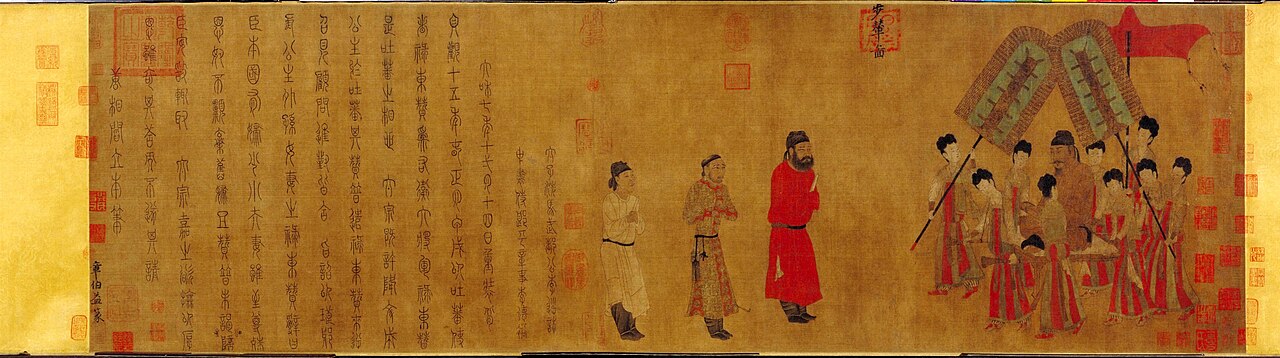 Painting
Secondary source
Bunian Tu
Yan Liben · c. 700 (possibly a later copy of an earlier original)
 Document
Primary source
Tang Code
624, revised 627 and 637
 Sculpture
Primary source
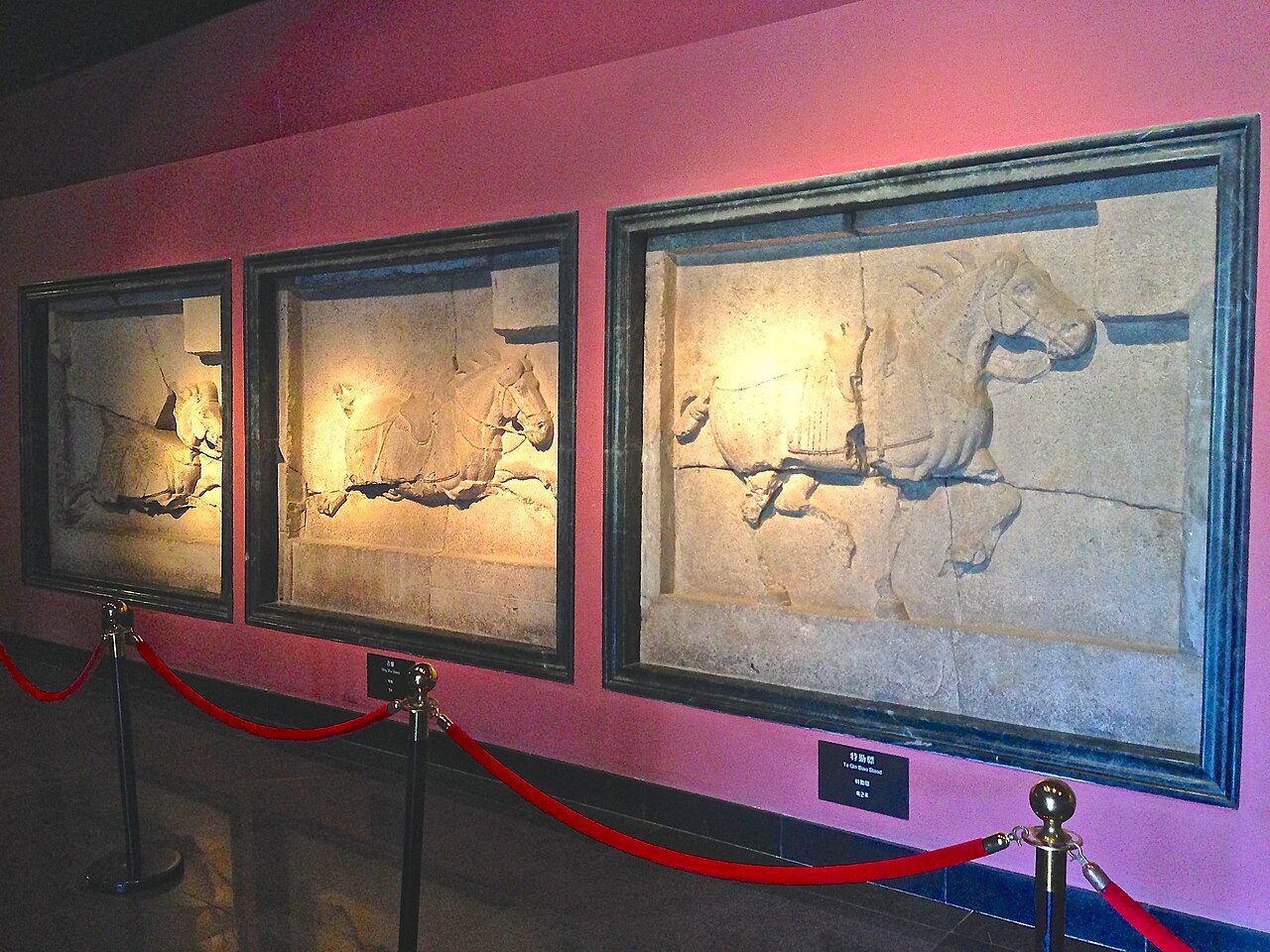
Six Steeds of Zhao Mausoleum
Yan Liben (attributed) · Tang dynasty (618-907)
Primary source
Difan
Emperor Taizong of Tang · 648
Free account
Read every Taizong of Tang source
Sign up free →
Ready when you are
Start chatting with Taizong of Tang now.
20 messages free · No credit card · Available in 50+ languages.