


Secondary sourceBook1833–1834
Religion and philosophy in Germany
Heinrich Heine · 1833–1834
An essay by the poet Heinrich Heine, who attended Hegel's lectures in Berlin, tracing Hegel's place in German philosophy and its revolutionary potential.
Heine, who attended Hegel's lectures, assesses Hegel's role in German philosophy in this essay.
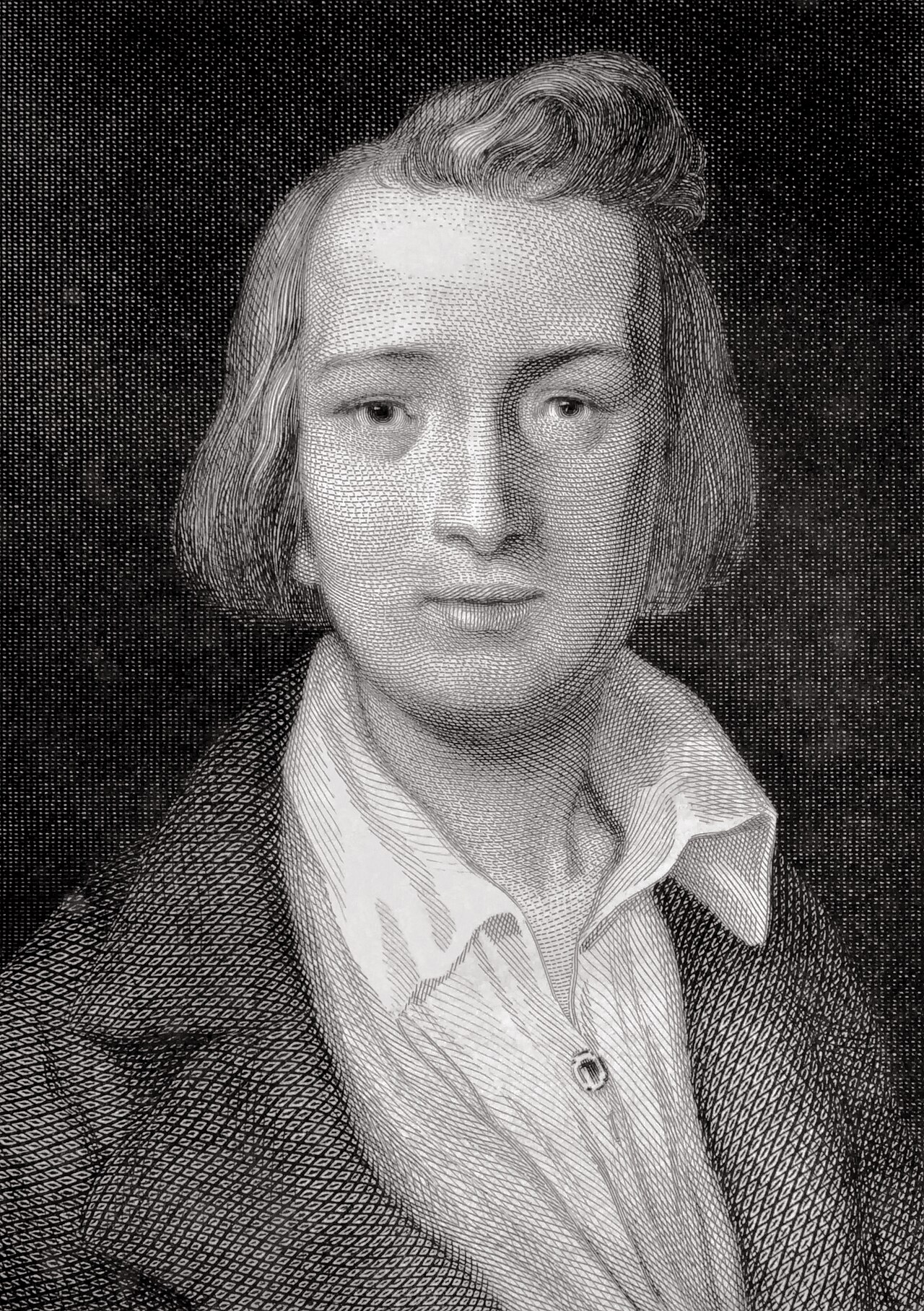
About this source
What it is
Written by the poet Heinrich Heine in exile in Paris in 1833–34, this three-part essay was first published in French and then in German in 1834. It surveys German religious and philosophical history from the Reformation through Kant and Hegel.
Why it matters
Heine, who had sat in Hegel's Berlin lecture hall, saw Hegel as part of a chain of thinkers — alongside Descartes, Kant, Locke, Leibniz and Spinoza — driving a "philosophical revolution" in Germany parallel to political revolutions elsewhere. The essay shows how Hegel was perceived by a sharp contemporary observer, and it was controversial enough to be banned in several German states.
Look closer
- Why might someone who attended Hegel's lectures write about him years later, from exile?
- What does Heine mean by linking religious and philosophical "revolutions"?
- Why would a government ban an essay about philosophy and religion?
This book is part of the curated material that grounds the AI version of Georg Wilhelm Friedrich Hegel on Humy.ai — when students ask about related events, the AI can quote it and cite it.
More Georg Wilhelm Friedrich Hegel sources
Meet the AI Georg Wilhelm Friedrich Hegel →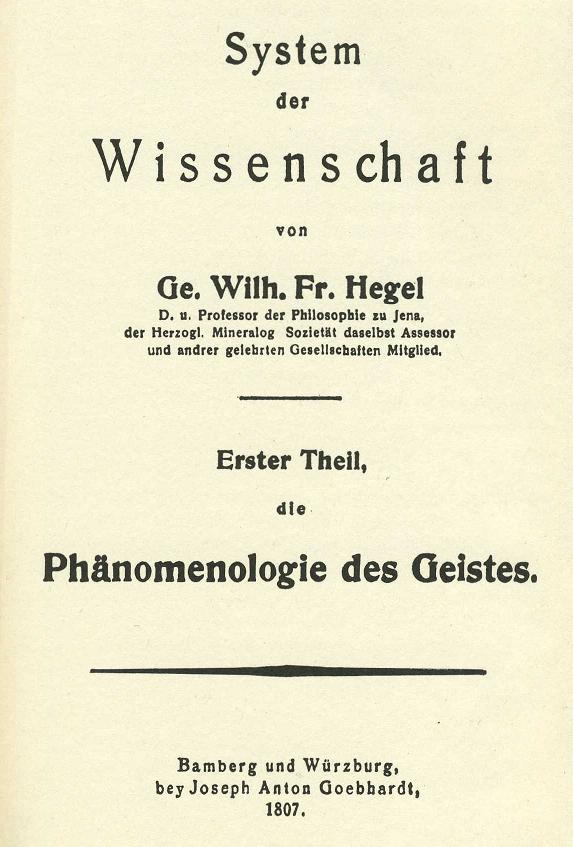 Book
Primary source
The Phenomenology of Spirit
Georg Wilhelm Friedrich Hegel · 1807
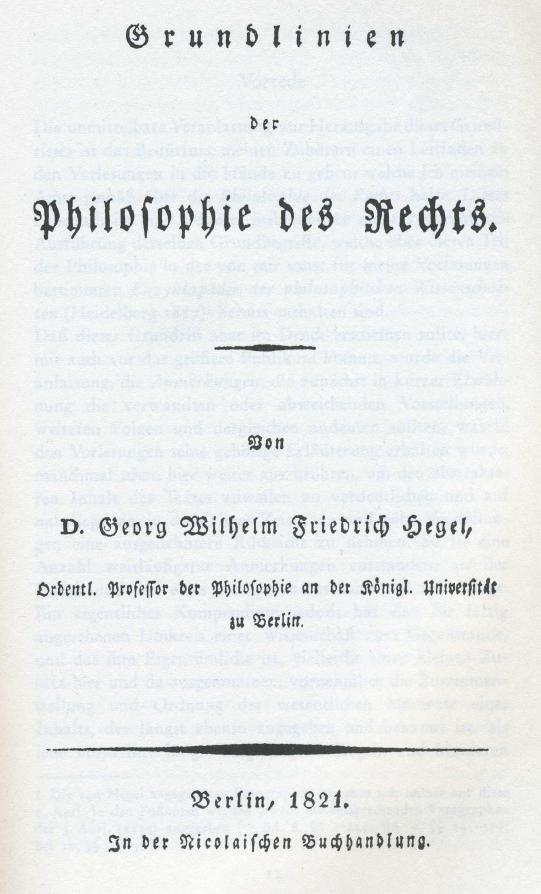 Book
Primary source
Elements of the Philosophy of Right
Georg Wilhelm Friedrich Hegel · 1821
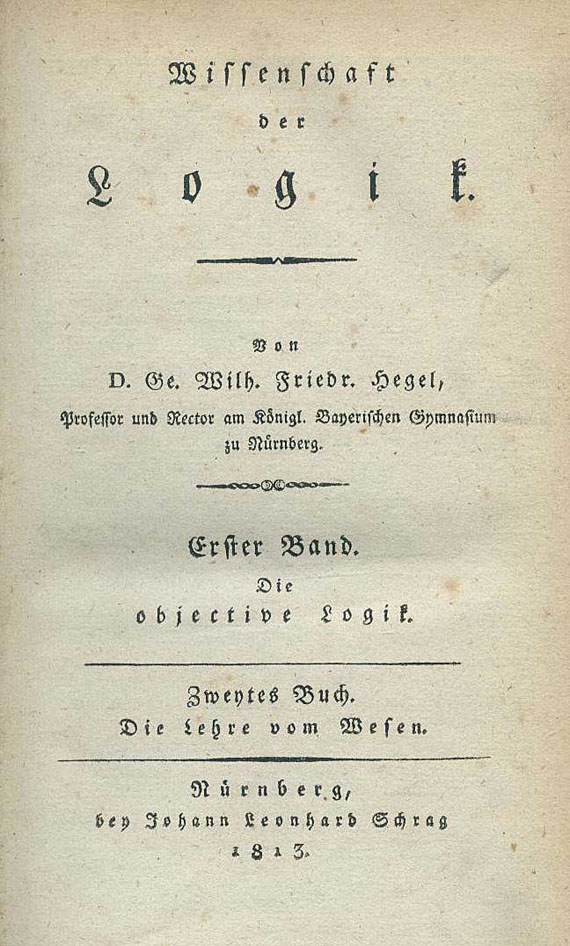 Book
Primary source
Science of Logic
Georg Wilhelm Friedrich Hegel · 1812-1816
 Book
Primary source
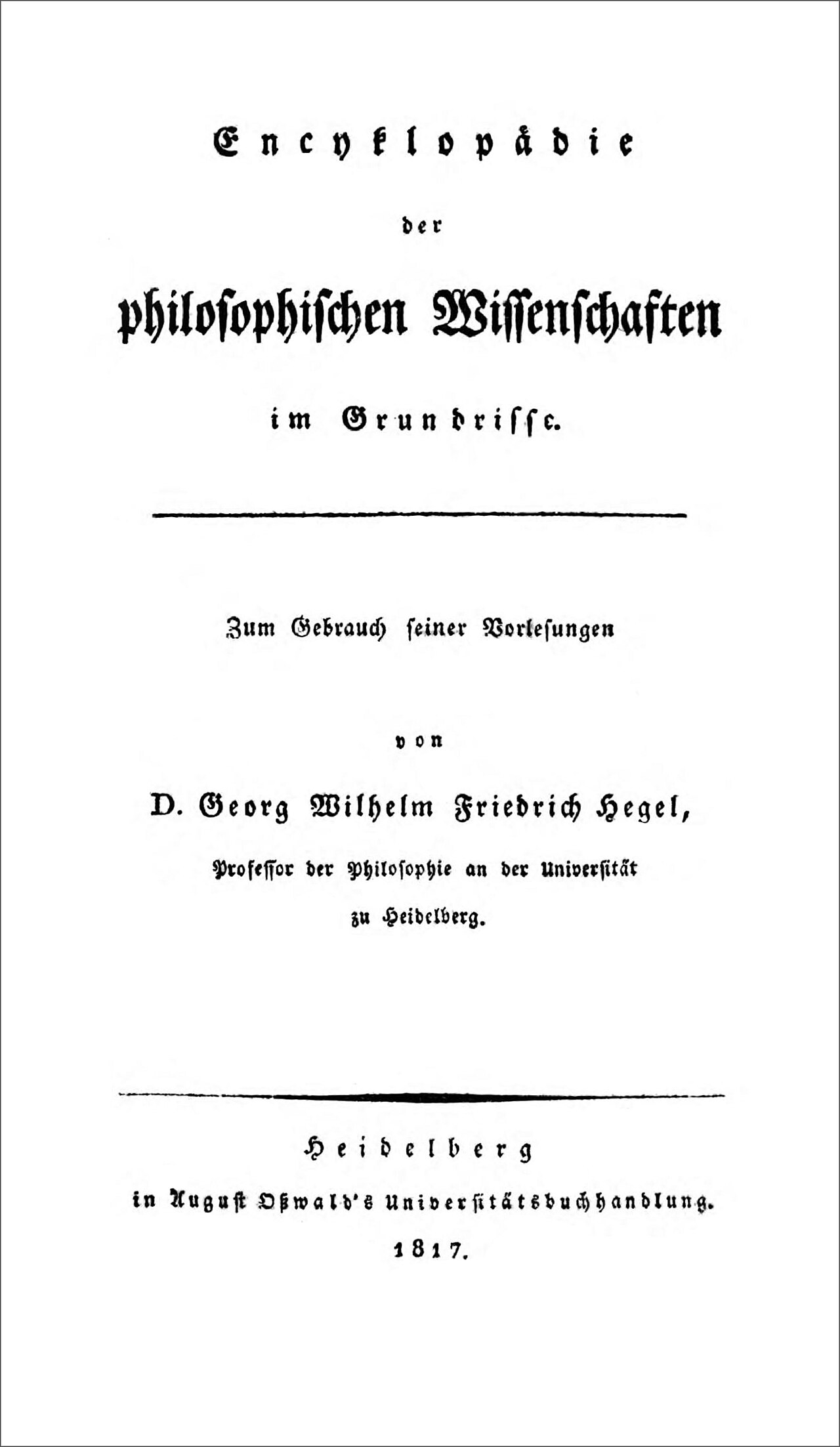
Encyclopedia of the Philosophical Sciences
Georg Wilhelm Friedrich Hegel · 1817
 Painting
Primary source
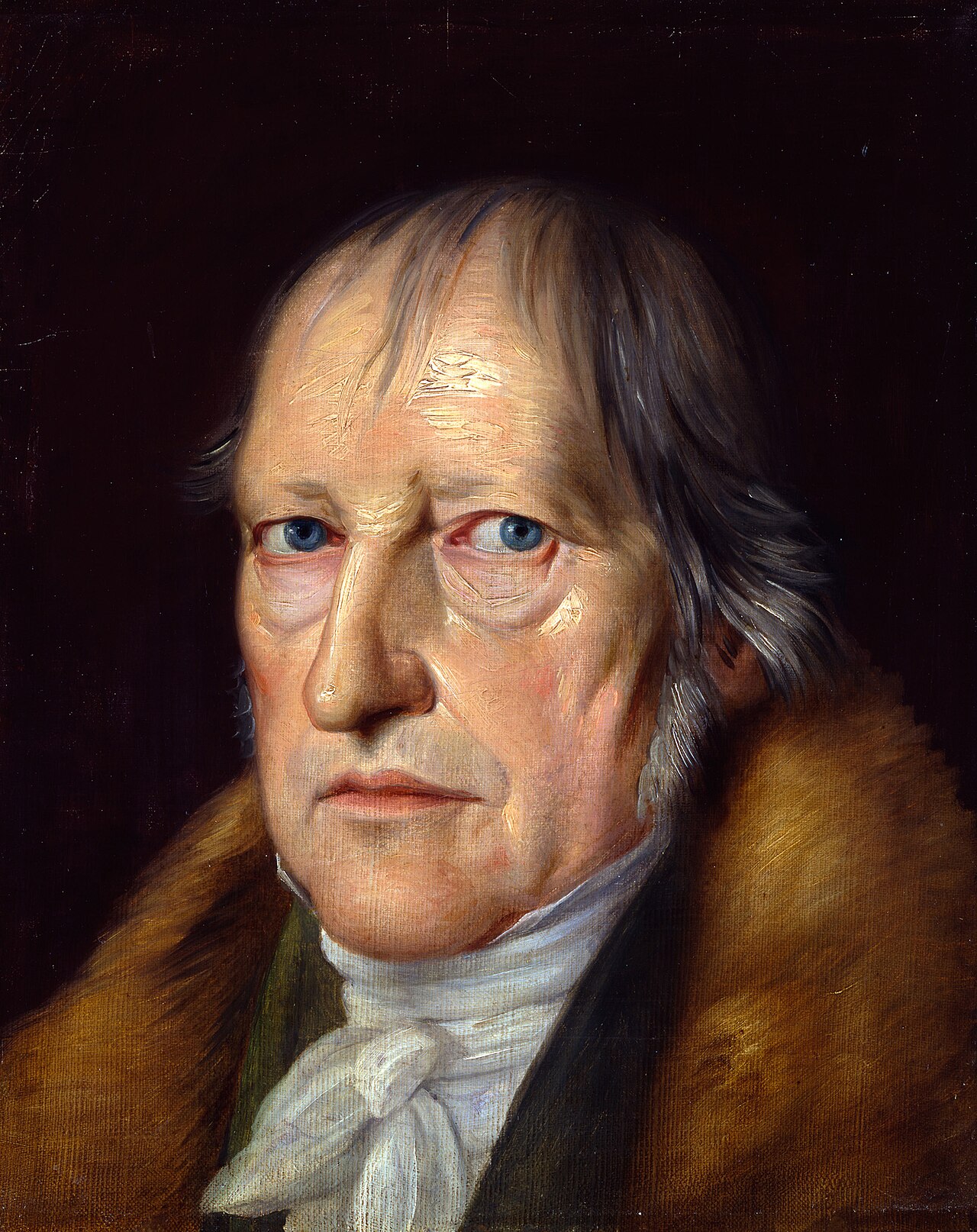
The Philosopher Georg Friedrich Wilhelm Hegel
Jakob Schlesinger · 1831
Ready when you are
Start chatting with Georg Wilhelm Friedrich Hegel now.
20 messages free · No credit card · Available in 50+ languages.