


Secondary sourceSculpturelate 15th century
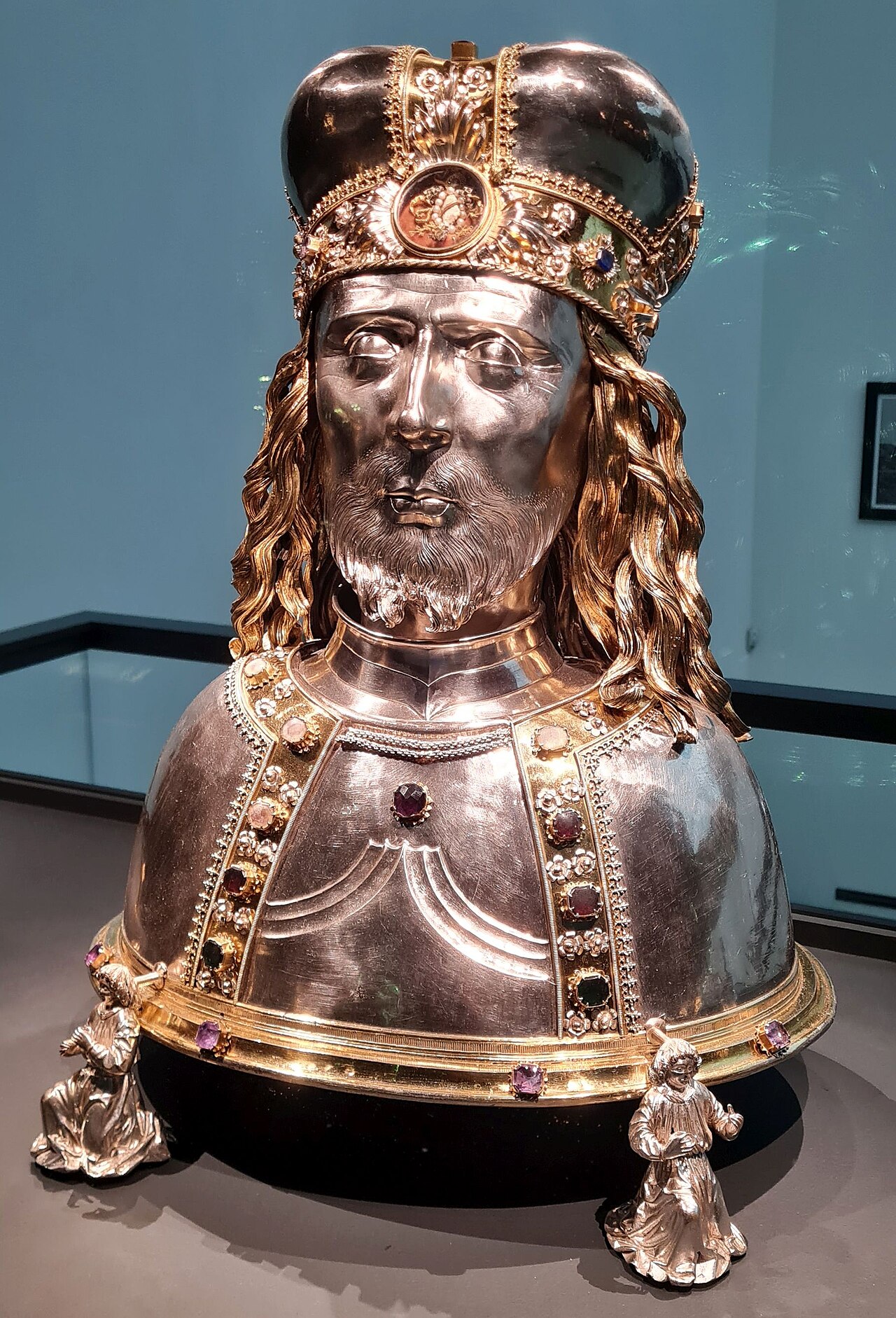
Reliquary bust of Saint Wenceslas
late 15th century
A silver-gilt reliquary bust from late 15th-century Prague depicting Wenceslaus, used to hold his relics and honor his cult.
This reliquary bust held relics associated with Wenceslaus, showing his lasting veneration as a saint.
About this source
What it is
This is a silver-gilt reliquary bust made in Prague at the end of the 15th century, showing a bearded saint wearing a jeweled crown, with a decorated breastplate and gilded base. It was photographed in an exhibition in Dresden drawing on the treasury of Prague's St. Vitus Cathedral.
Why it matters
Reliquary busts like this were made to hold and honor sacred relics, showing the importance of Wenceslaus as a saint whose remains and memory were treated with great reverence centuries after his death. This object reflects the wealth and craftsmanship devoted to his cult.
Look closer
- What materials and decorations suggest the importance given to this object?
- Why would a bust be used to hold relics rather than a simple box?
- What might the small figures on the base represent?
This sculpture is part of the curated material that grounds the AI version of Wenceslaus I, Duke of Bohemia on Humy.ai — when students ask about related events, the AI can quote it and cite it.
More Wenceslaus I, Duke of Bohemia sources
Browse all 92 →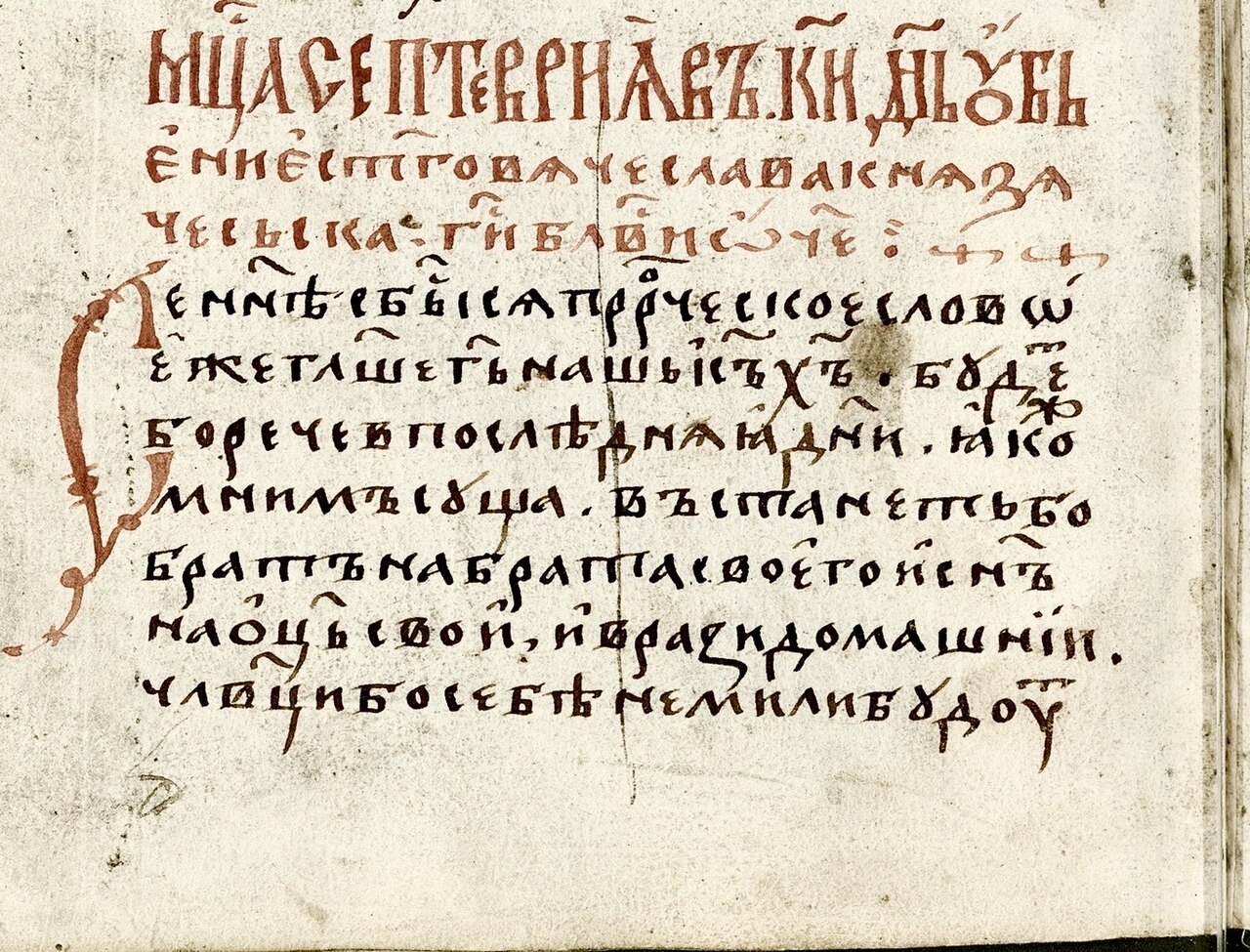 Book
Secondary source
Life of Saint Wenceslaus
c. 930
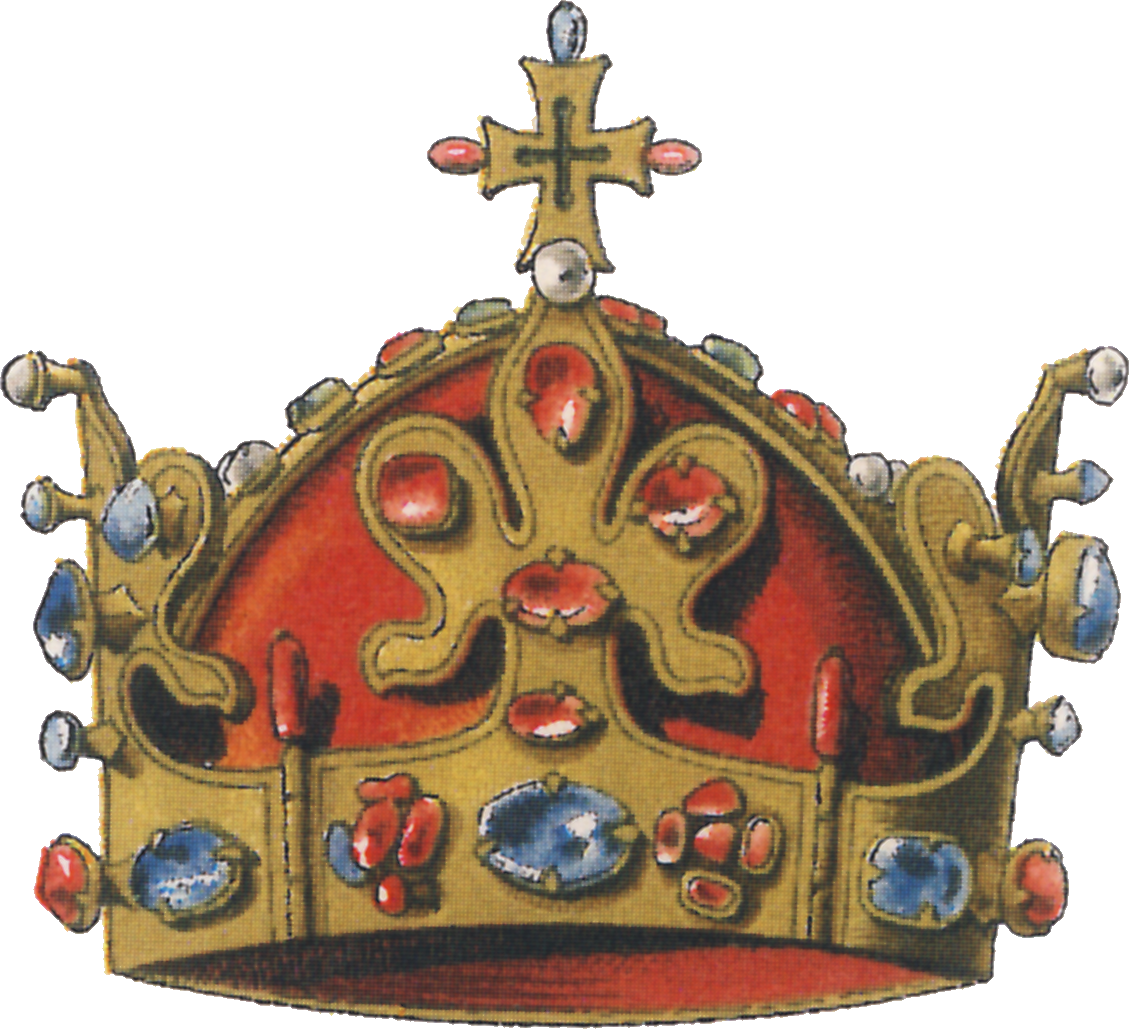 Artifact
Primary source
Crown of Saint Wenceslas
1347
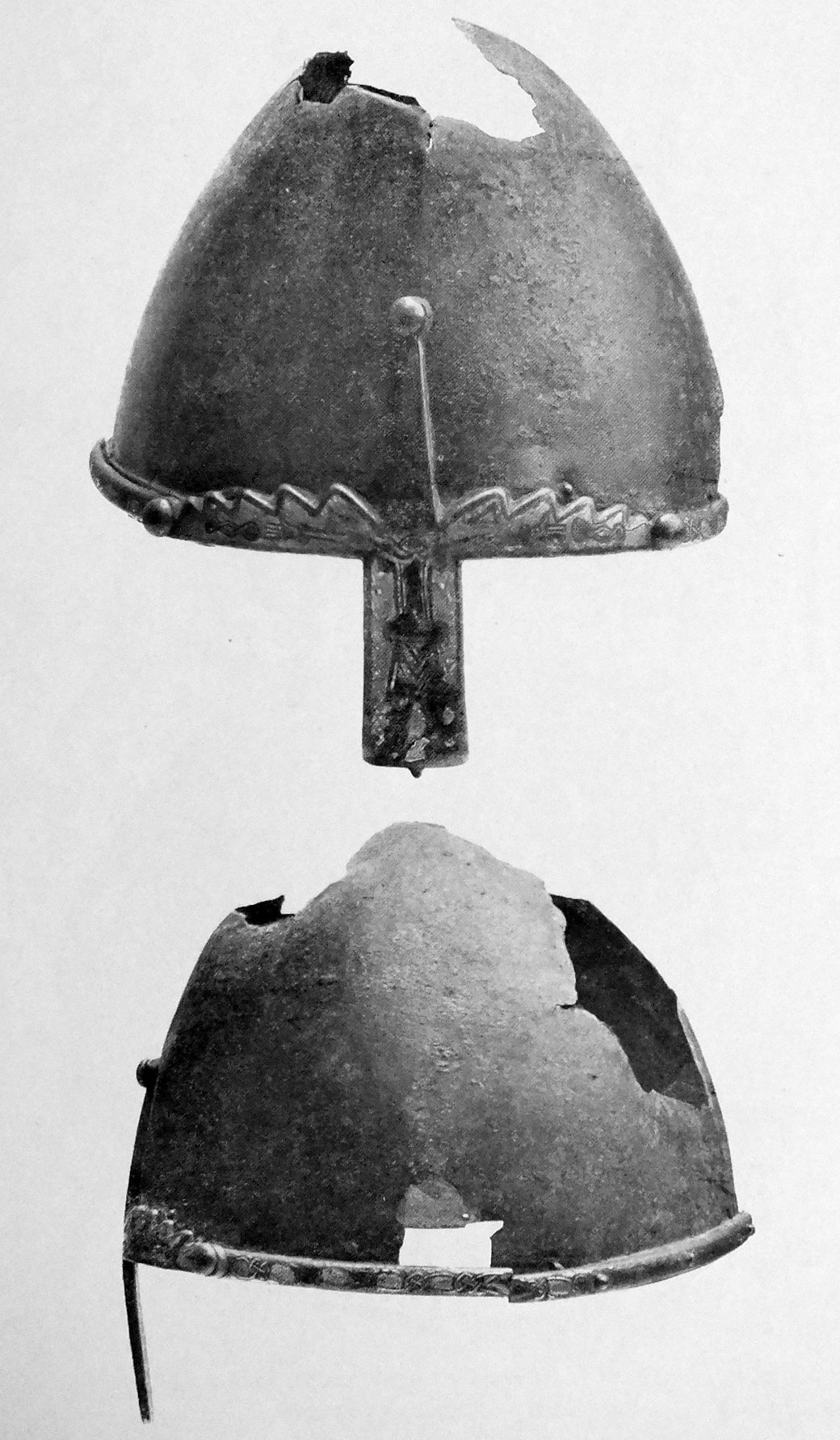 Artifact
Primary source
Helmet of Saint Wenceslaus
early medieval period
 Book
Secondary source
Church Slavonic Vita of Saint Wenceslaus and Ludmila
14th century
Free account
Read every Wenceslaus I, Duke of Bohemia source
Sign up free →
Ready when you are
Start chatting with Wenceslaus I, Duke of Bohemia now.
20 messages free · No credit card · Available in 50+ languages.