


Secondary sourceArtifact1934
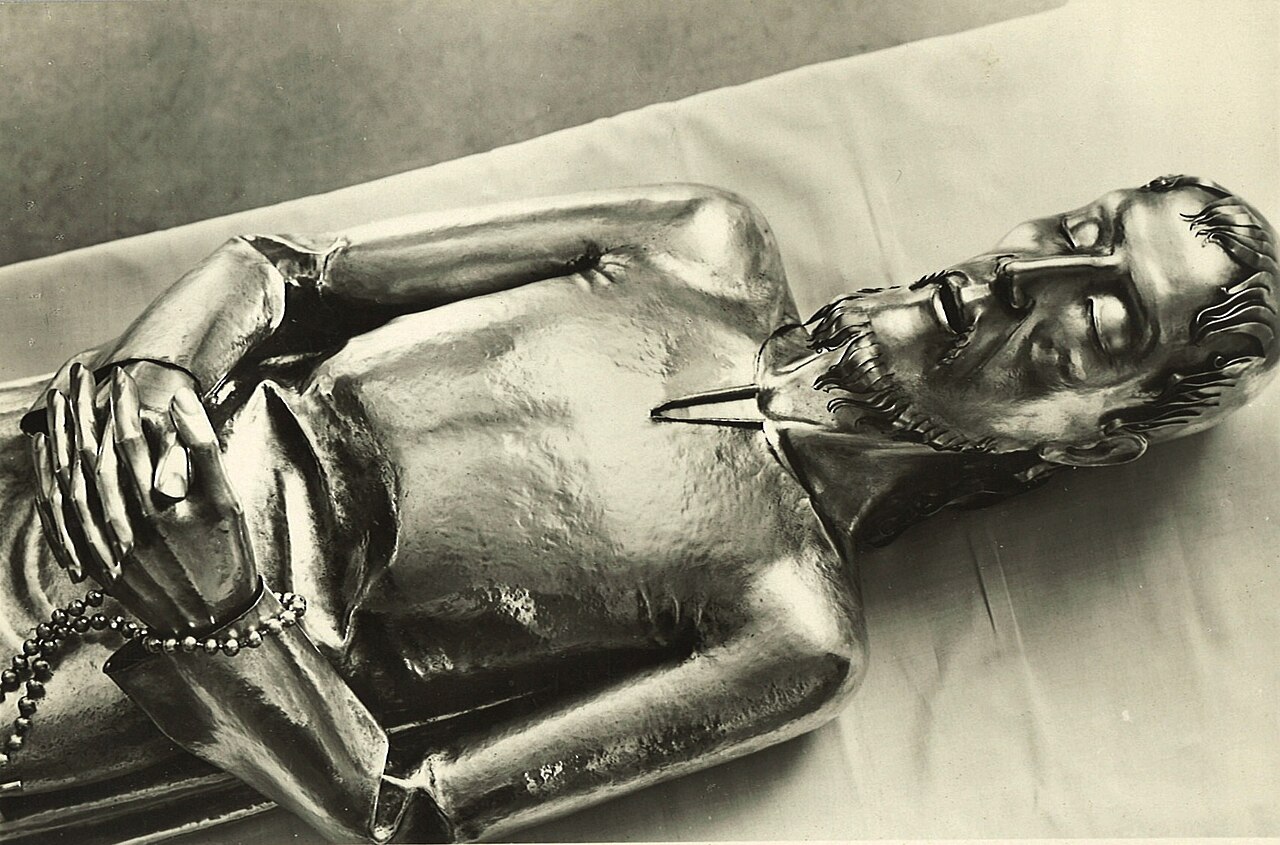
Reliquary for the Bones of Brother Klaus, Sachseln
Burch-Korrodi · 1934
A 1934 life-size metal reliquary made to hold the relics of Nicholas of Flüe (Brother Klaus) in the parish church of Sachseln.
This reliquary was made to hold Nicholas of Flüe's relics, showing his veneration as a saint centuries after his death.
About this source
What it is
This black-and-white photograph shows a life-size metal reliquary effigy made in 1934 by Burch-Korrodi to hold the bones of Nicholas of Flüe, known as Brother Klaus, in the parish church of Sachseln.
Why it matters
The reliquary reflects the continuing veneration of Nicholas of Flüe as a saint in the 20th century, long after his death. Reliquaries like this were designed to honour and protect the physical remains of a saint, showing how communities preserved and celebrated his memory across centuries.
Look closer
- Why might a community choose to create such a detailed effigy for a saint's relics?
- What does the folded hands and rosary suggest about how he is remembered?
- What does this object tell us about belief and memory, rather than about his actual life?
This artifact is part of the curated material that grounds the AI version of Nicholas of Flüe on Humy.ai — when students ask about related events, the AI can quote it and cite it.
More Nicholas of Flüe sources
Browse all 81 →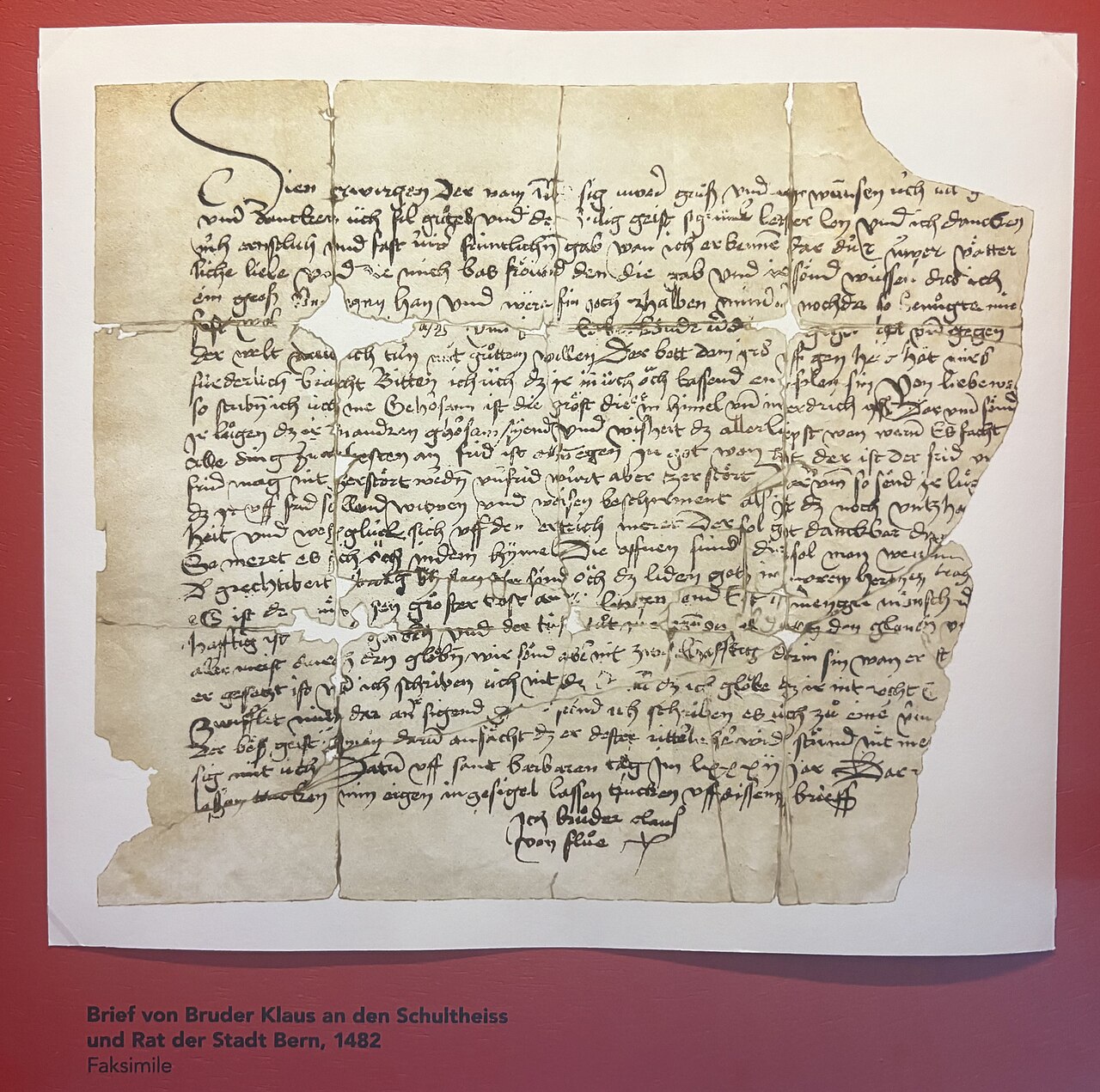 Letter
Primary source
Letter to the Council of Bern
1482
 Painting
Secondary source
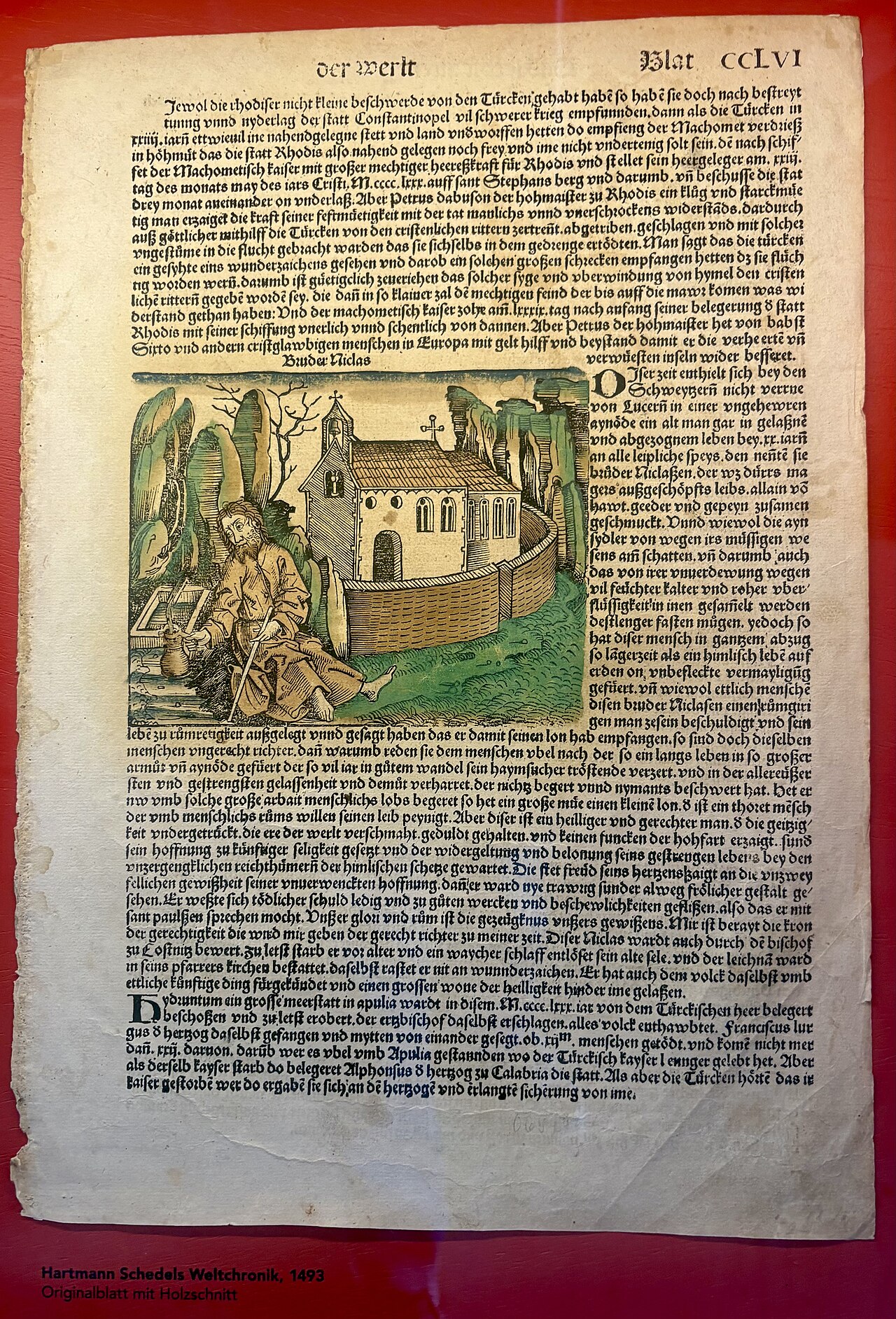
Woodcut of Nicholas of Flüe in the Nuremberg Chronicle
1493
 Artifact
Primary source
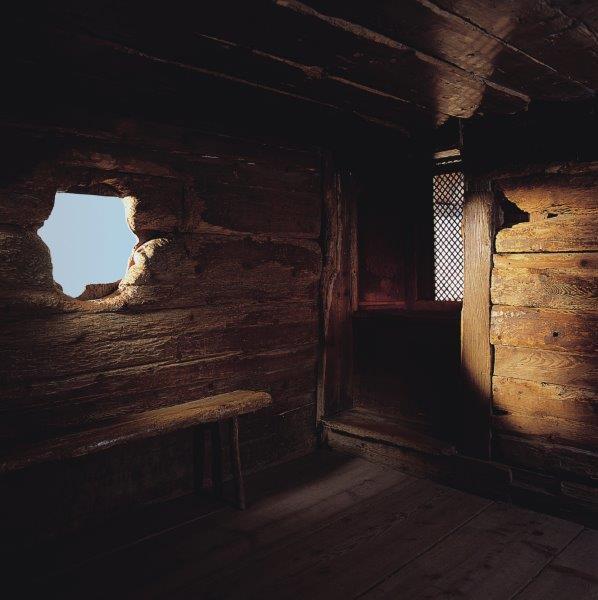
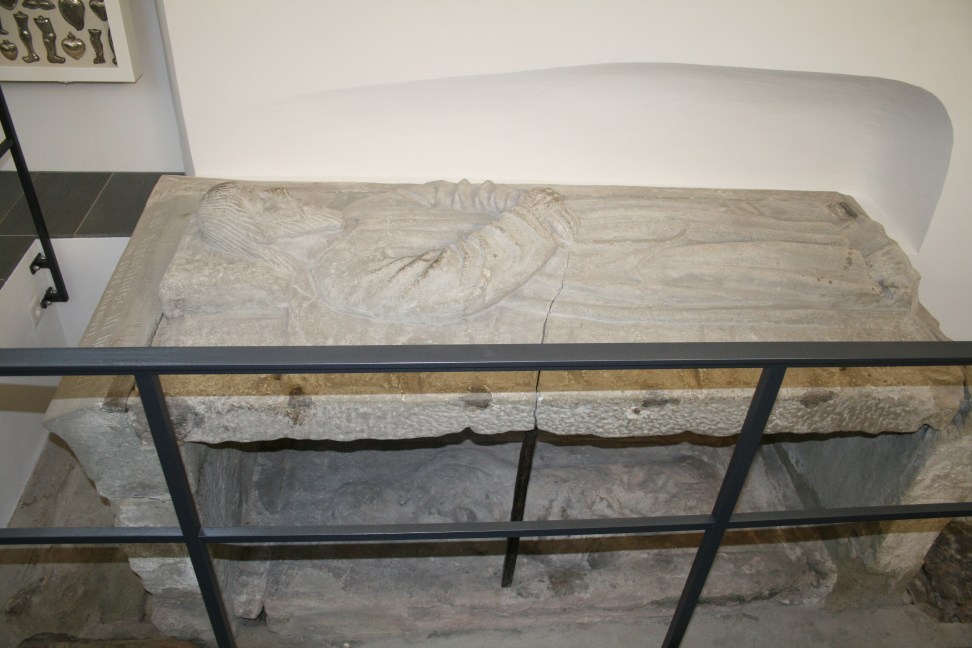
Hermit's Cell at Flüeli-Ranft
1468–1469
 Sculpture
Secondary source
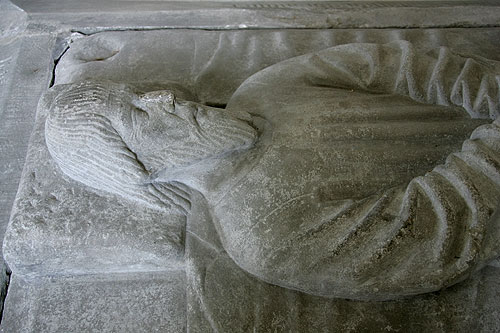
Grave Slab of Bruder Klaus
renewed by 1518
Free account
Read every Nicholas of Flüe source
Sign up free →
Ready when you are
Start chatting with Nicholas of Flüe now.
20 messages free · No credit card · Available in 50+ languages.