


Secondary sourcePhotograph26 June 2021
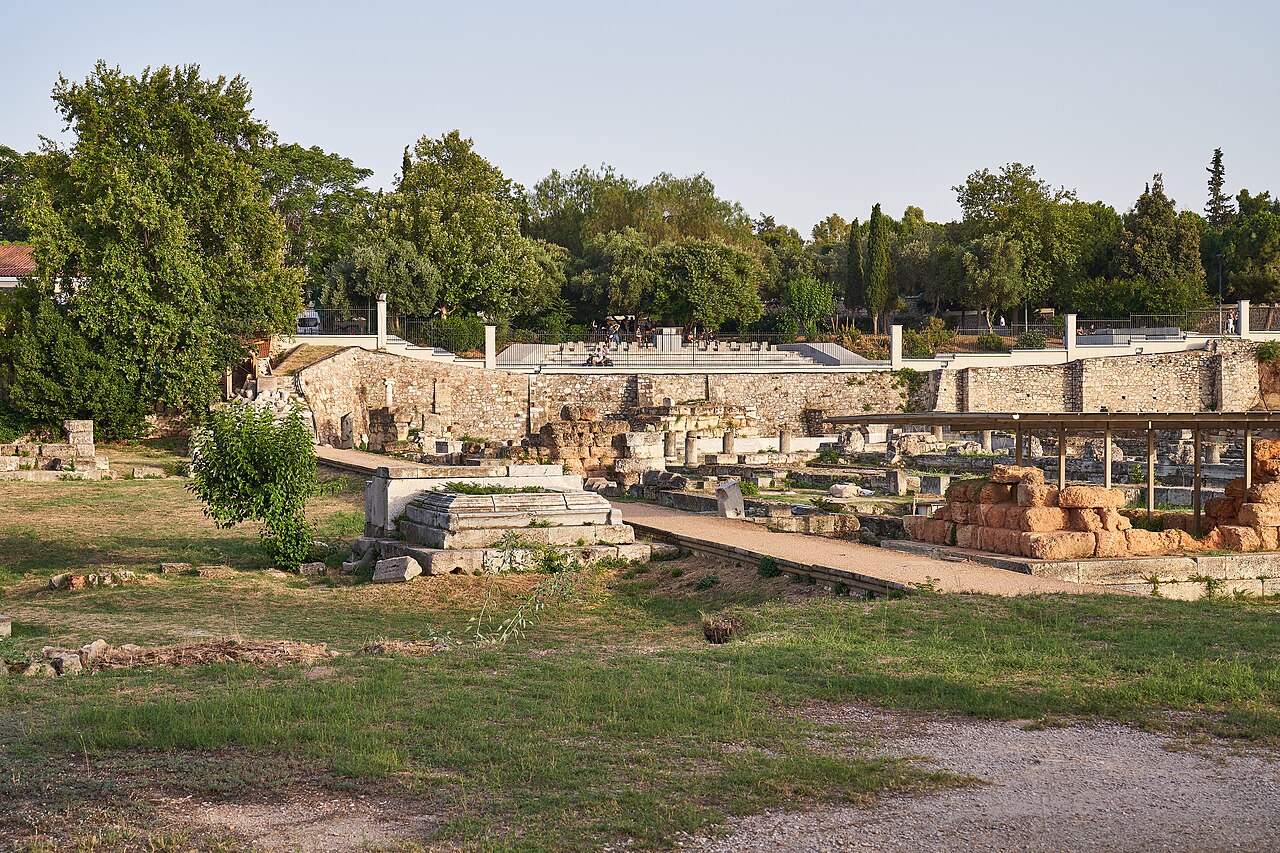
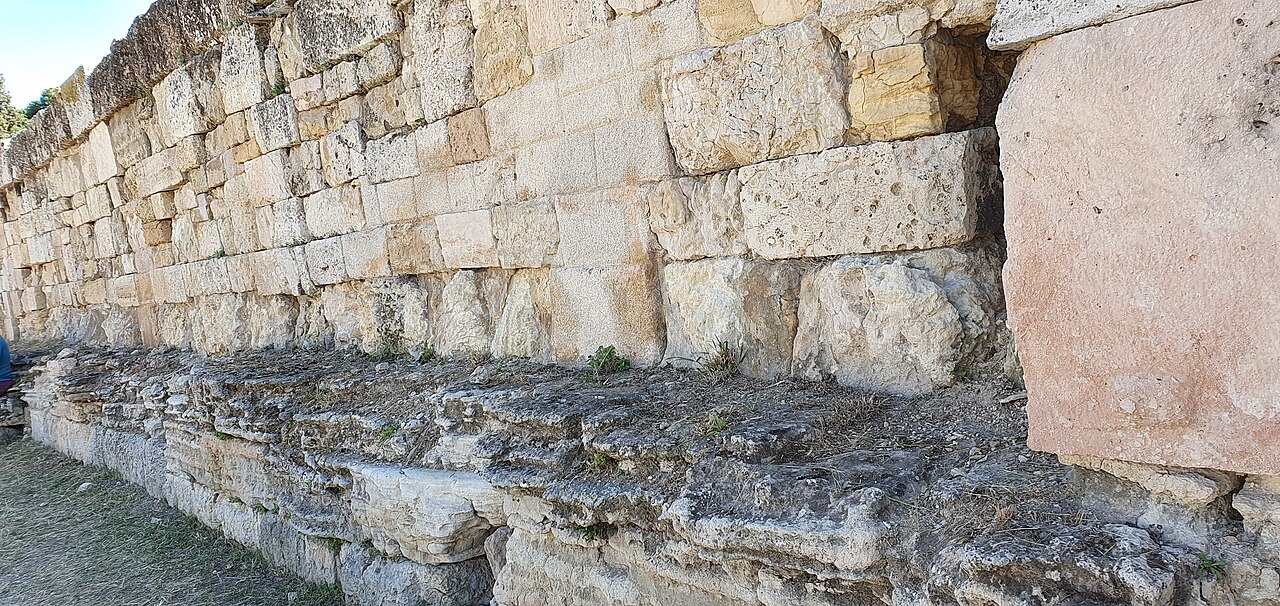
Remains of Dipylon Gate in Kerameikos
George E. Koronaios · 26 June 2021
A 2021 photograph of the ruins of the Dipylon Gate in the Kerameikos, Athens. The gate is linked to the fortification works associated with Themistocles.
It shows the Dipylon Gate, which the curator links to the fortifications Themistocles built in Athens.
About this source
What it is
This is a photograph taken by George E. Koronaios on 26 June 2021. It shows the ruins of the Dipylon Gate complex in the Kerameikos cemetery in Athens, seen from outside the fortifications and the Outer Kerameikos. The photograph is a modern image of an ancient site, not an object from the period of Themistocles.
Why it matters
The curator's note states that the gate was rebuilt as part of the city fortifications connected with Themistocles. The gate is part of the wider Athenian defensive building programme of the early fifth century BCE, which followed the Persian wars. The photograph shows the site as it survives today, so it helps students see how the ancient city is now preserved and displayed.
Look closer
- What parts of the gate remain today, and which parts seem to be missing or rebuilt?
- Why might a modern photographer have chosen this viewpoint from outside the fortifications?
- What does this photograph leave out about how the site looked in Themistocles' time?
This photograph is part of the curated material that grounds the AI version of Themistocles on Humy.ai — when students ask about related events, the AI can quote it and cite it.
More Themistocles sources
Browse all 92 →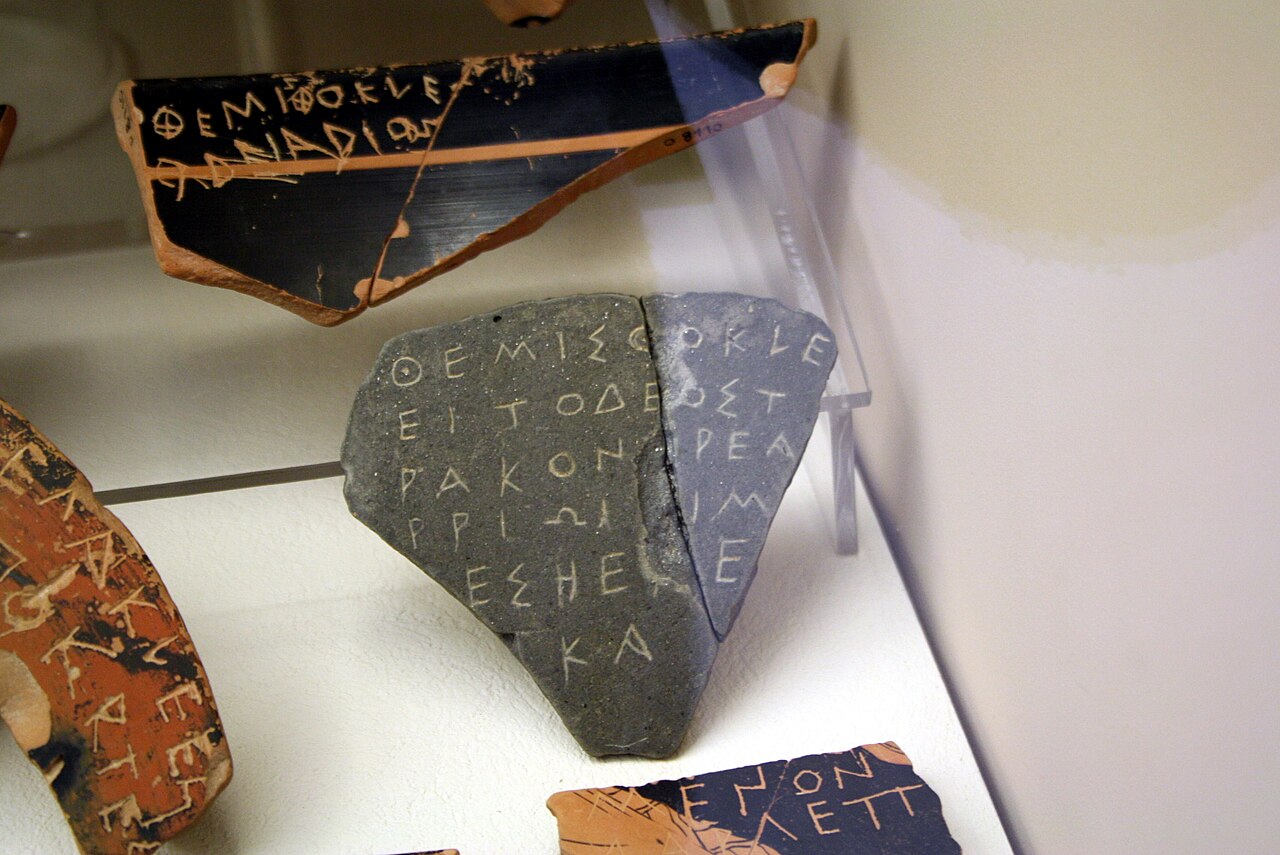 Artifact
Primary source
Ostraka inscribed with the name of Themistocles
Athenian citizens · c. 487-471 BC
 Book
Secondary source
Histories
Herodotus · c. 440 BCE
 Book
Secondary source
The Persians
Aeschylus · 472 BC
 Book
Primary source
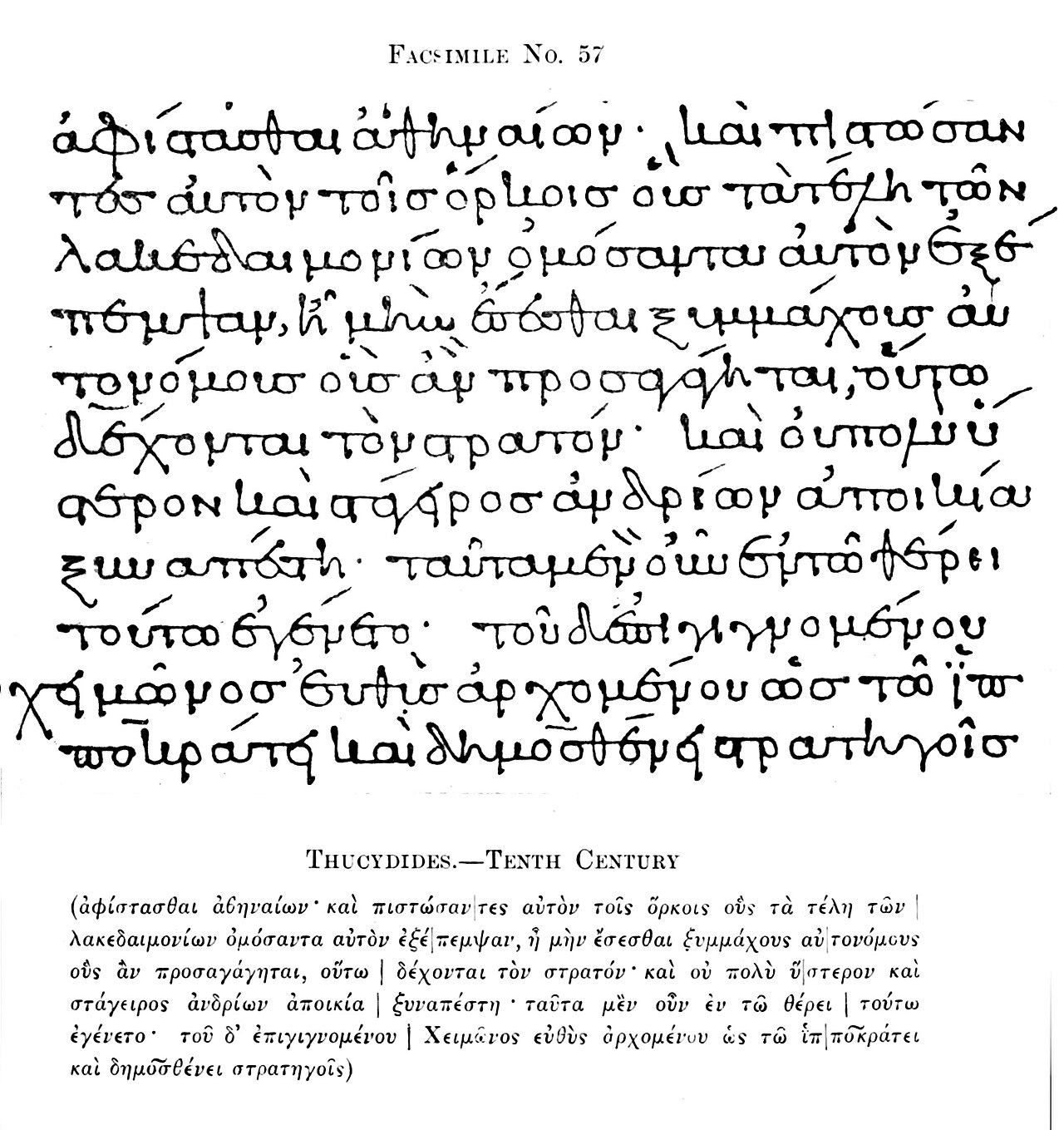
History of the Peloponnesian War
Thucydides · 5th century BCE
Free account
Read every Themistocles source
Sign up free →
Ready when you are
Start chatting with Themistocles now.
20 messages free · No credit card · Available in 50+ languages.