


Secondary sourceArtifact
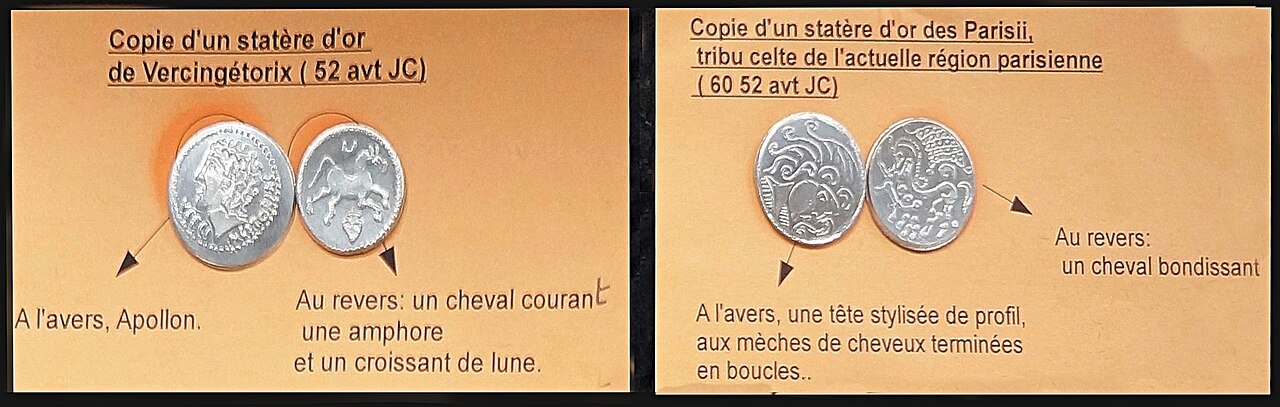
Replica Gold Staters of Vercingetorix, Asnapio Museum
Pierre André Leclercq
Museum replicas of gold staters linked to Vercingetorix's revolt, displayed alongside a Parisii coin for comparison.
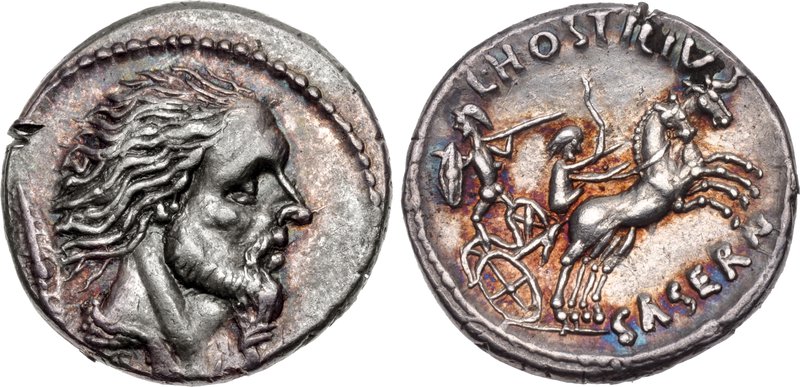
These replica coins illustrate the type of currency struck in Vercingetorix's name during his revolt.
About this source
What it is
These are museum replica coins, shown on display placards, copying a gold stater issued in the name of Vercingetorix. One side shows an image of Apollo, the other a galloping horse with an amphora and crescent moon. A second coin from the Parisii tribe is shown for comparison. They are displayed at the Asnapio archaeological park museum in Villeneuve-d'Ascq, France.
Why it matters
Coinage from this period shows how different Gallic peoples, including the Arverni under Vercingetorix, used Roman and Greek artistic styles mixed with their own symbols. Comparing coins from different tribes helps historians understand connections and differences between Gallic groups during the time of Caesar's conquest.
Look closer
- Why do museums sometimes display replicas instead of original coins?
- What similarities and differences can you spot between the two coins shown?
- What do the images on the coins – Apollo, a horse, an amphora – suggest about Gallic culture?
This artifact is part of the curated material that grounds the AI version of Vercingetorix on Humy.ai — when students ask about related events, the AI can quote it and cite it.
More Vercingetorix sources
Browse all 73 →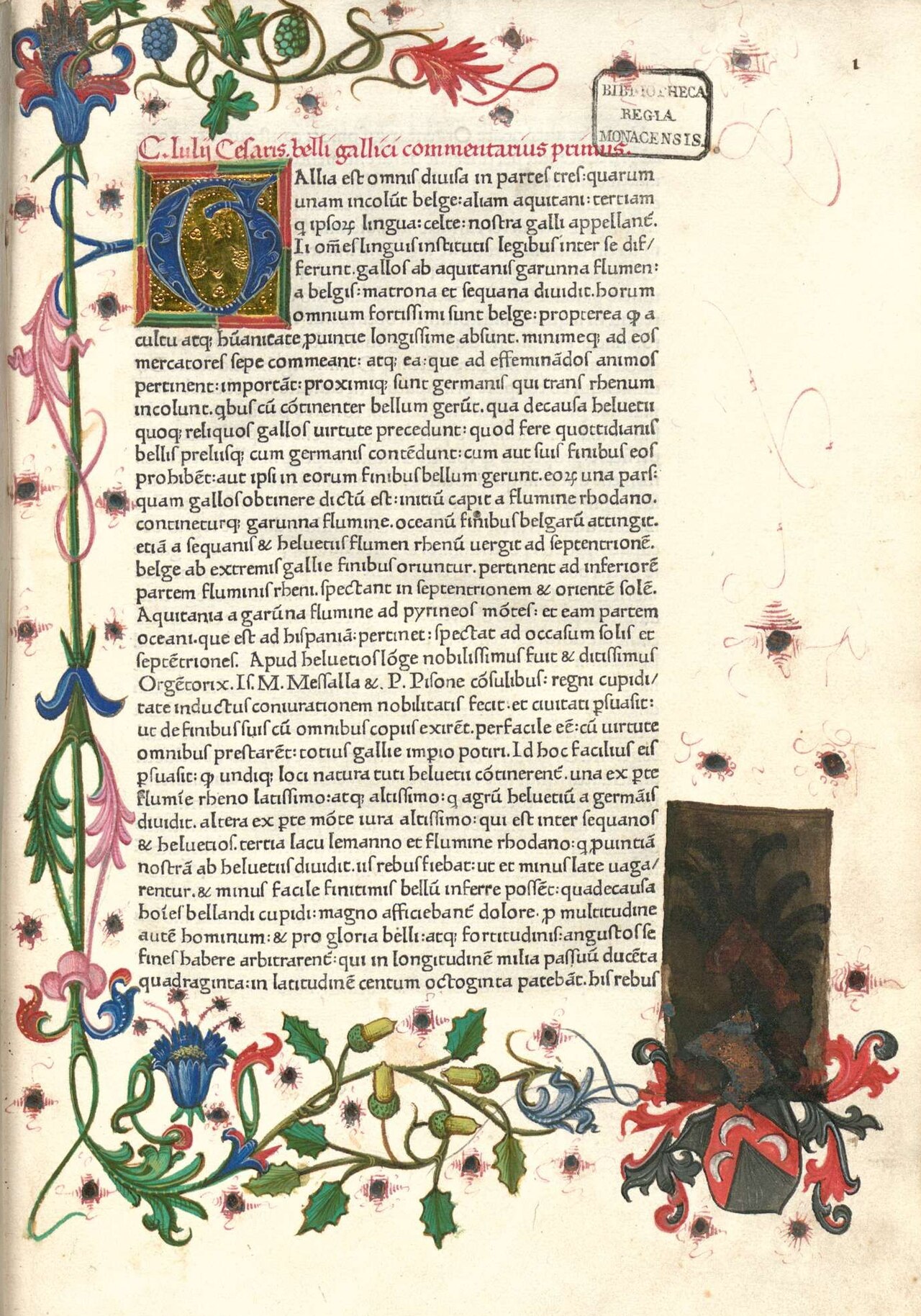 Book
Primary source
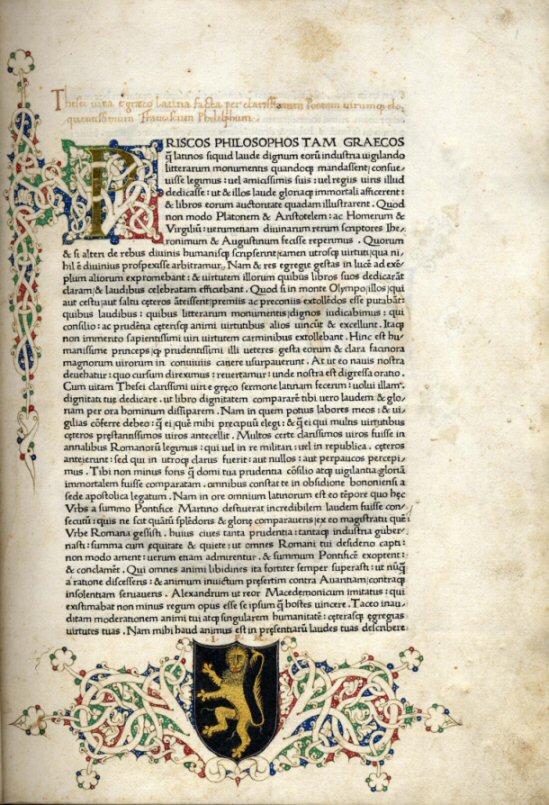
Commentarii de Bello Gallico
Julius Caesar · c. 58-50 BCE (this copy 1469)
 Painting
Secondary source
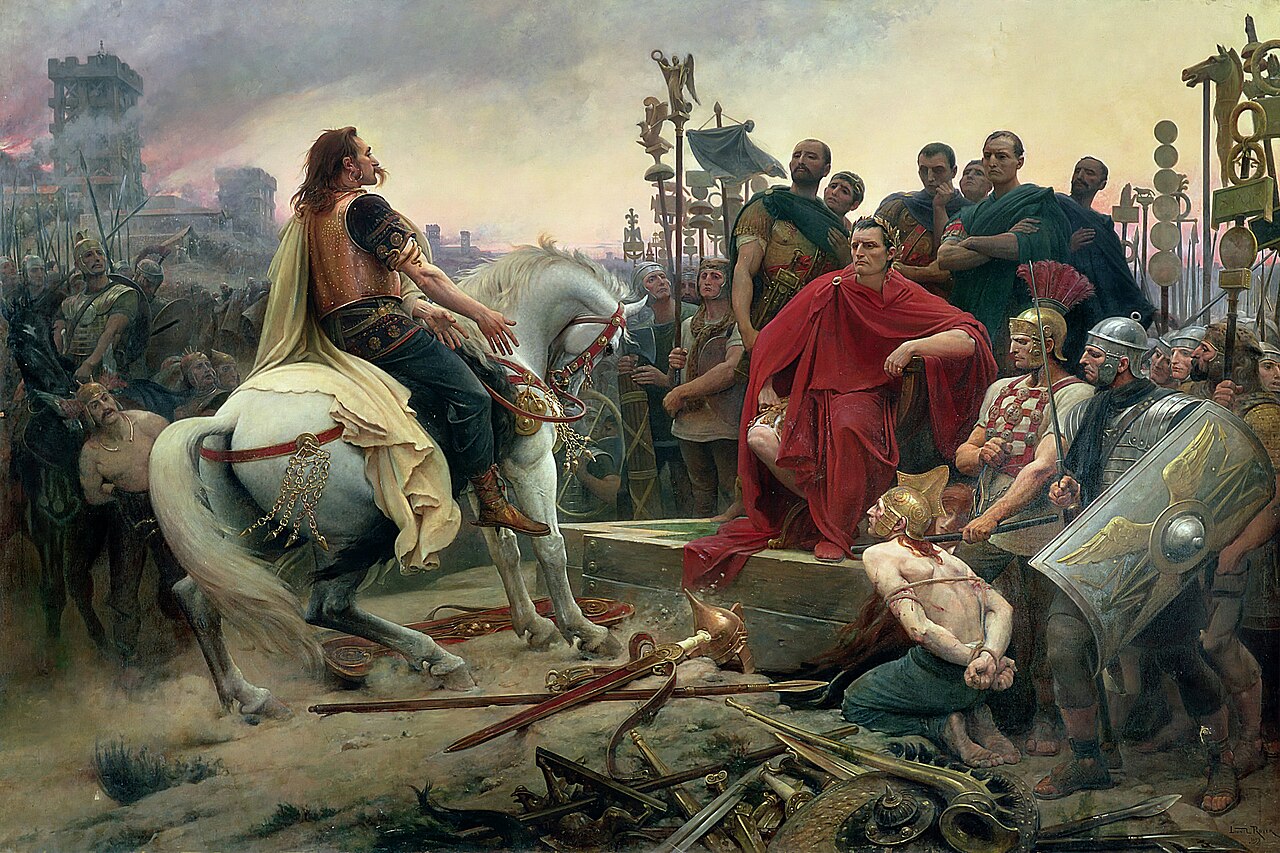
Vercingetorix Throwing down His Weapons at the Feet of Julius Caesar
Lionel Royer · 1899
 Sculpture
Secondary source
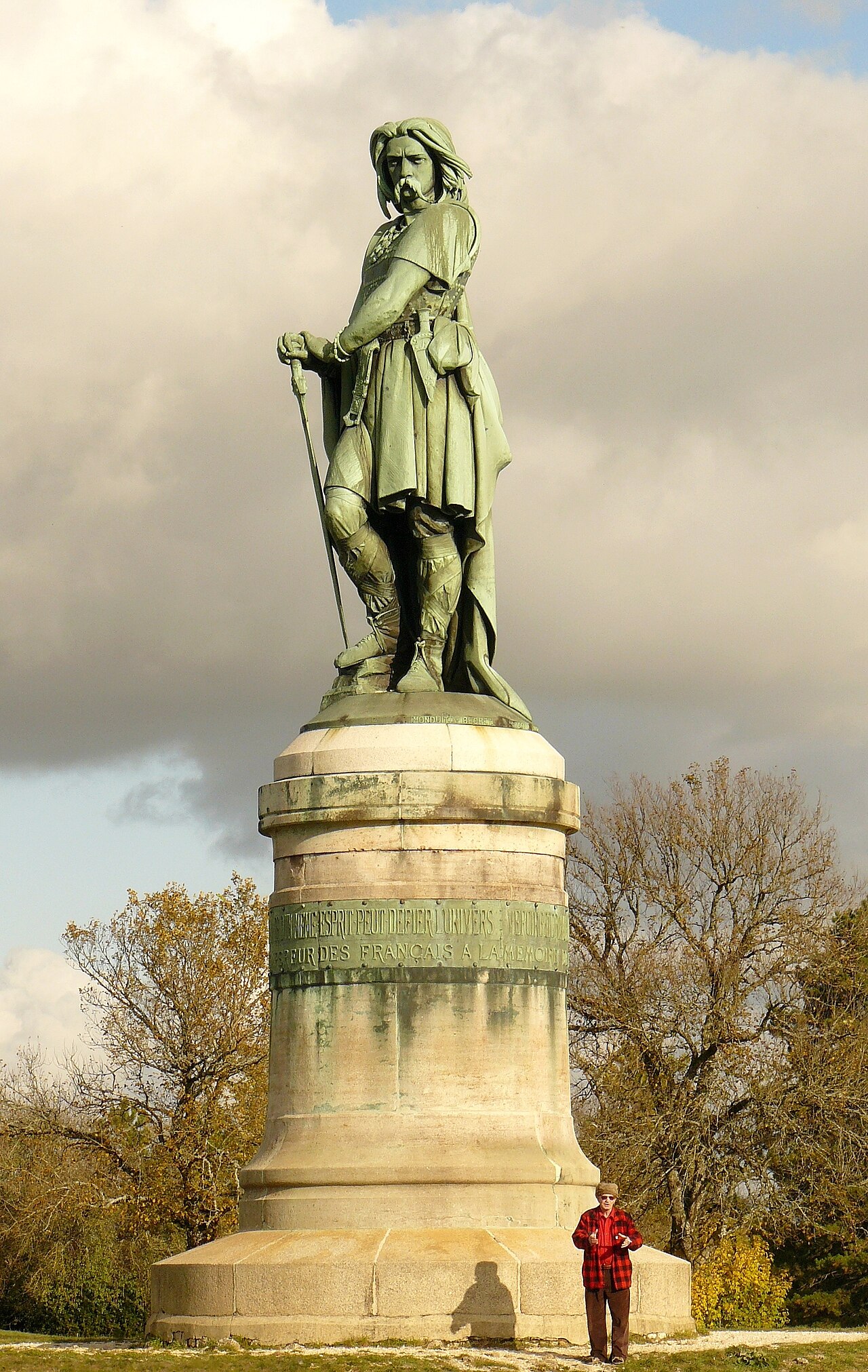
Vercingetorix Monument
Aimé Millet · 1865
 Book
Secondary source
Parallel Lives
Plutarch · c. 100-120 AD
Free account
Read every Vercingetorix source
Sign up free →
Ready when you are
Start chatting with Vercingetorix now.
20 messages free · No credit card · Available in 50+ languages.