


Primary sourceDocumentMarch 1927
Report on an Investigation of the Peasant Movement in Hunan
Mao Zedong · March 1927
This is a political essay by Mao Zedong written to argue for and justify a peasant-led revolutionary strategy, later used to build his authority within the Communist movement. Mao's 1927 essay argues that poor peasants, not urban workers, should lead China's revolution, based on his field investigation in Hunan.
Mao's own field report breaking with Party orthodoxy by placing poor peasants, not urban workers, at the center of revolution.
Free Humy account · No credit card · 53,307 sources to read
About this source
What it is
This essay was written by Mao Zedong in 1927 after he spent over a month investigating peasant associations in Hunan province. It was published in a Communist Party periodical and describes what he called the peasants' 'Fourteen Great Achievements'.
Why it matters
At a time when Communist Party leaders like Chen Duxiu believed revolution should be led by urban workers, Mao argued that poor peasants and their violent struggle against landlords were the true force for change in China. This heretical idea gradually became central to Communist strategy and shaped the party's path to power, and it later influenced revolutionary movements elsewhere.
Look closer
- Why did Mao think it was important to investigate conditions himself rather than rely on reports from others?
- What does his support for violence against landlords tell us about his vision of revolution?
- Whose voices are missing from this report — landlords, officials, or others who disagreed with the peasants?
This document is part of the curated material that grounds the AI version of Mao Zedong on Humy.ai — when students ask about related events, the AI can quote it and cite it.
More Mao Zedong sources
Browse all 99 →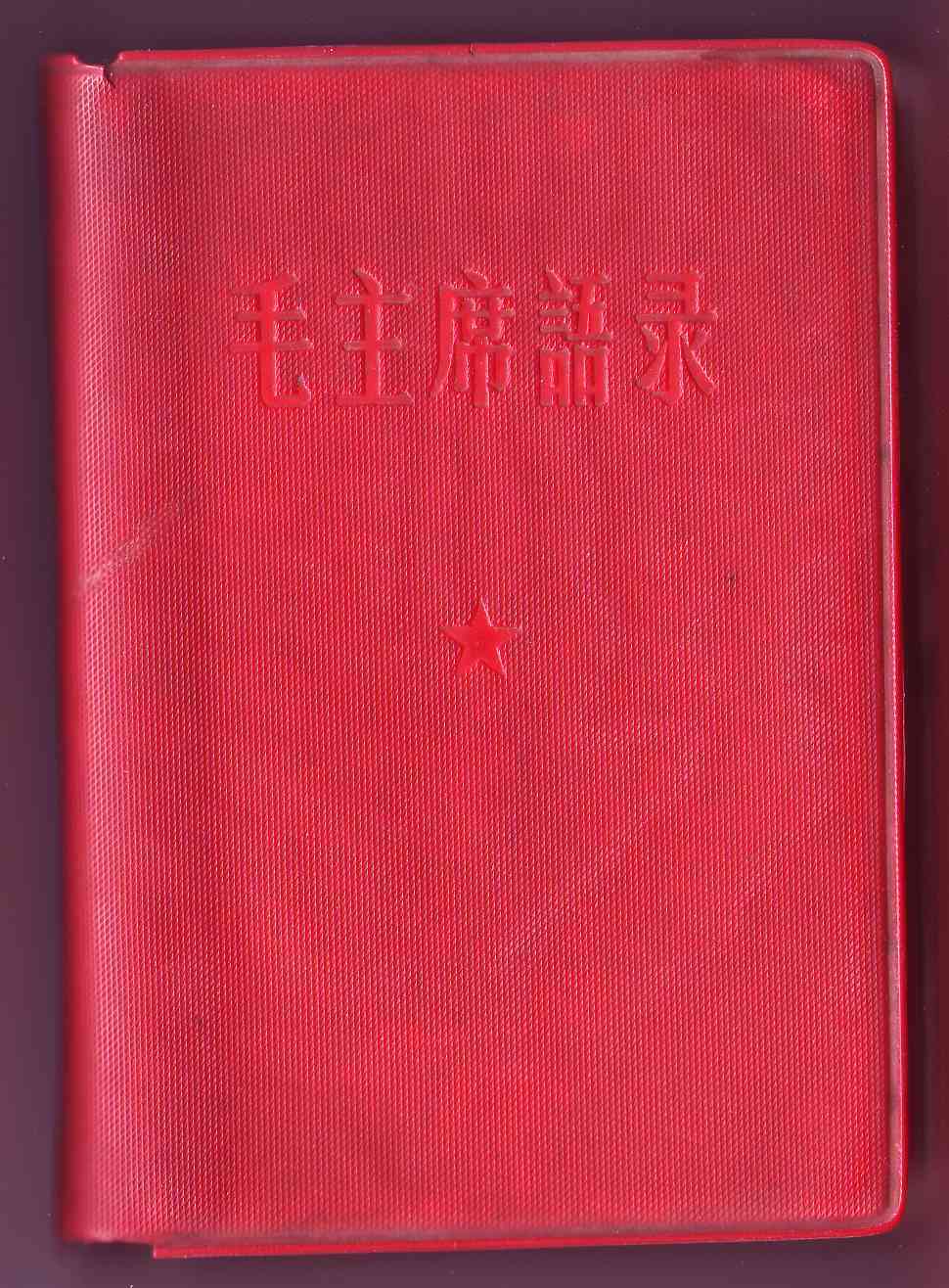 Book
Primary source
Quotations from Chairman Mao Tse-tung
Mao Zedong · 1964
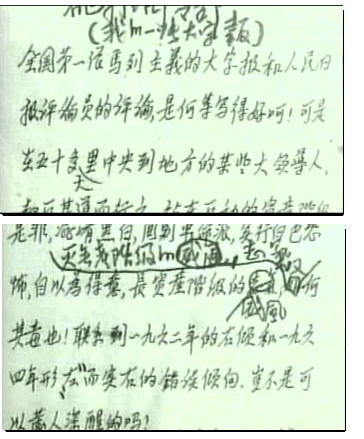 Document
Primary source
Bombard the Headquarters
Mao Zedong · 5 August 1966
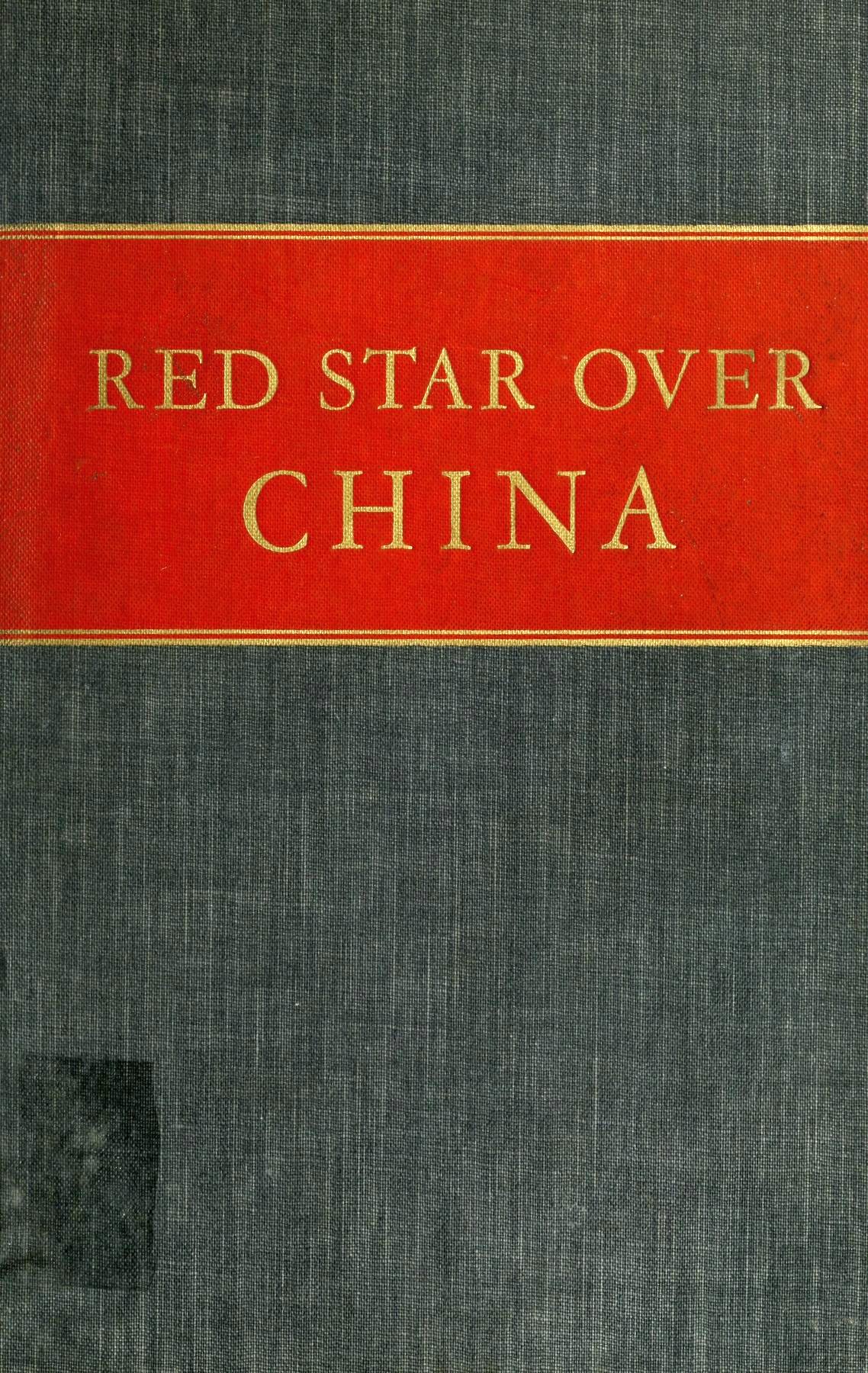 Book
Secondary source
Red Star Over China
Edgar Snow · 1937
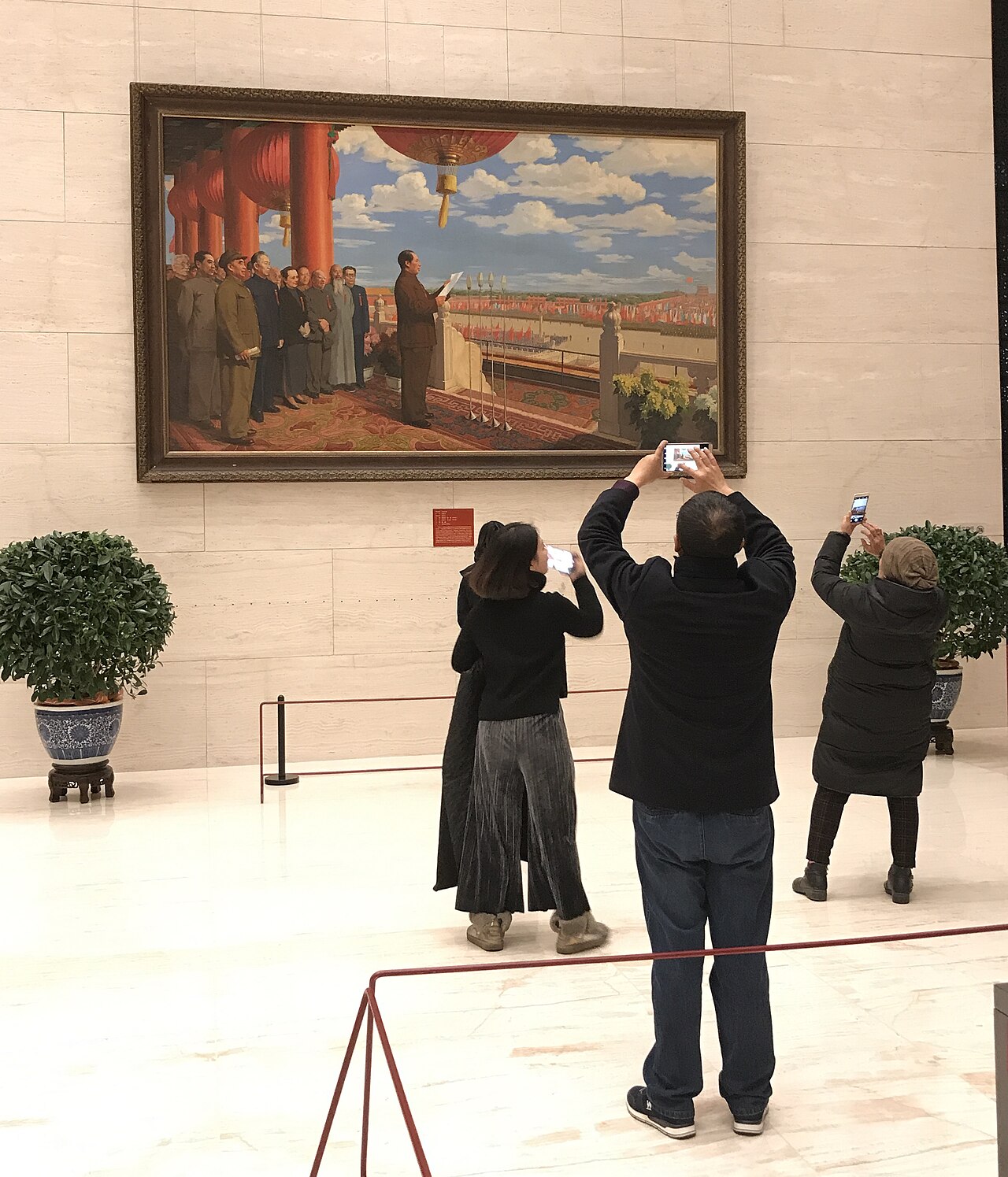 Painting
Secondary source
The Founding Ceremony of the Nation
Dong Xiwen · 1953
Free account
Browse every Mao Zedong source
Sign up free →
Ready when you are
Start chatting with Mao Zedong now.
20 messages free · No credit card · Available in 50+ languages.