


Secondary sourcePainting1953
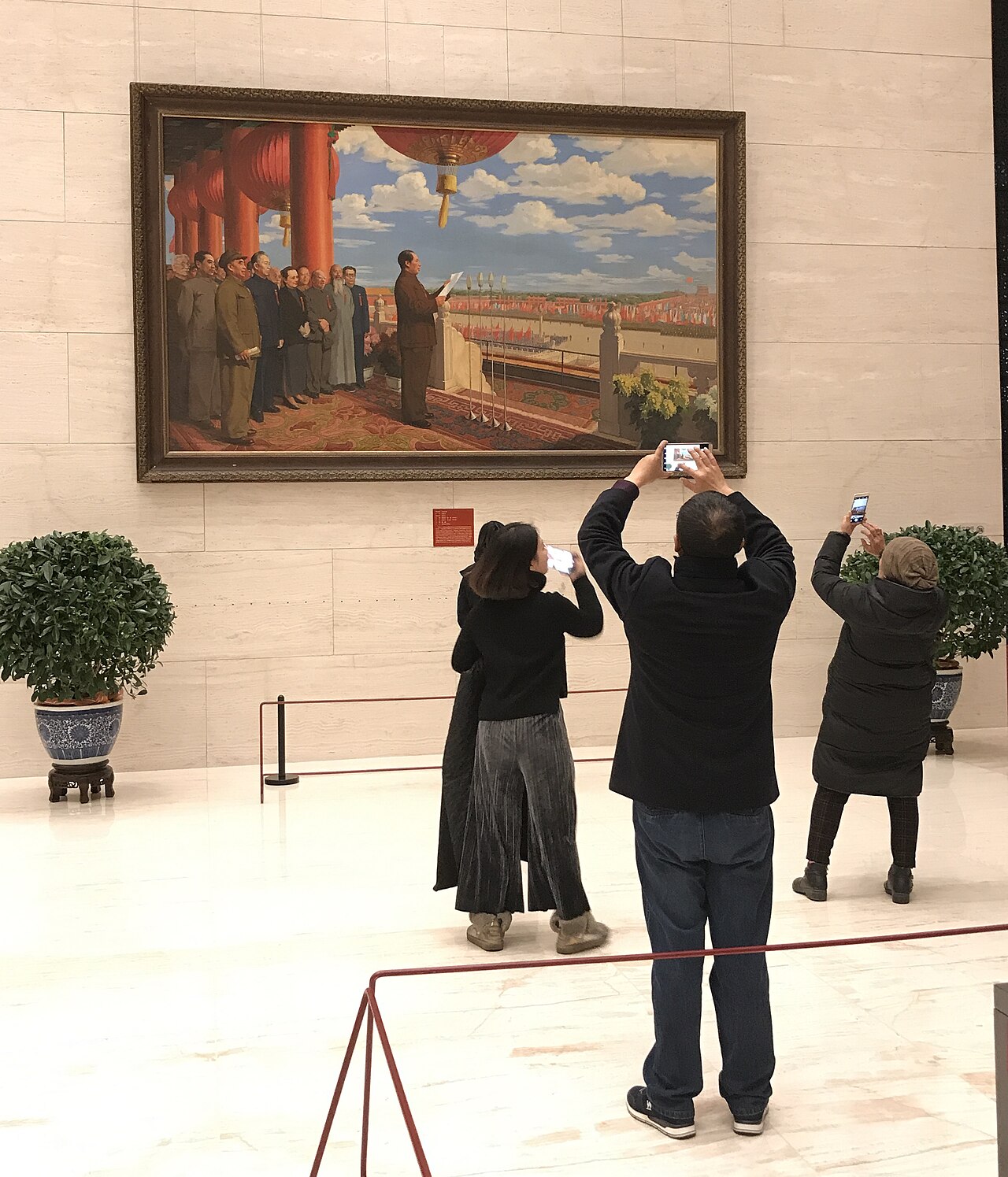
The Founding Ceremony of the Nation
Dong Xiwen · 1953
This is an official Chinese Communist Party-commissioned painting made to glorify Mao Zedong and the founding of the state, later repeatedly repainted to erase leaders purged in political struggles. This 1953 painting by Dong Xiwen depicts Mao Zedong proclaiming the People's Republic of China at Tiananmen Square in 1949, later altered to remove purged leaders.
Depicts Mao proclaiming the founding of the PRC, a painting altered repeatedly for political reasons connected to his rule.
About this source
What it is
This oil painting was made in 1953 by Chinese artist Dong Xiwen, who had attended the ceremony he depicts: Mao Zedong proclaiming the founding of the People's Republic of China at Tiananmen Square on 1 October 1949. It is held, in both original and later replica versions, at the National Museum of China in Beijing.
Why it matters
Commissioned by the Party to memorialize its triumph, the painting became one of the most celebrated works of Chinese socialist realism. But as politics shifted, officials ordered Dong to remove purged leaders from the canvas, including Gao Gang and later Liu Shaoqi, and a replica was repainted to accommodate further changes before some figures were restored. The painting therefore shows both Mao's moment of triumph and the way art was rewritten to match the Party's shifting version of history.
Look closer
- Why would a painting of a historical event need to be changed years after it was finished?
- What does it mean for a leader to disappear from a painting after falling from power?
- How does this image compare to a photograph as a record of what actually happened that day?
This painting is part of the curated material that grounds the AI version of Mao Zedong on Humy.ai — when students ask about related events, the AI can quote it and cite it.
More Mao Zedong sources
Browse all 99 →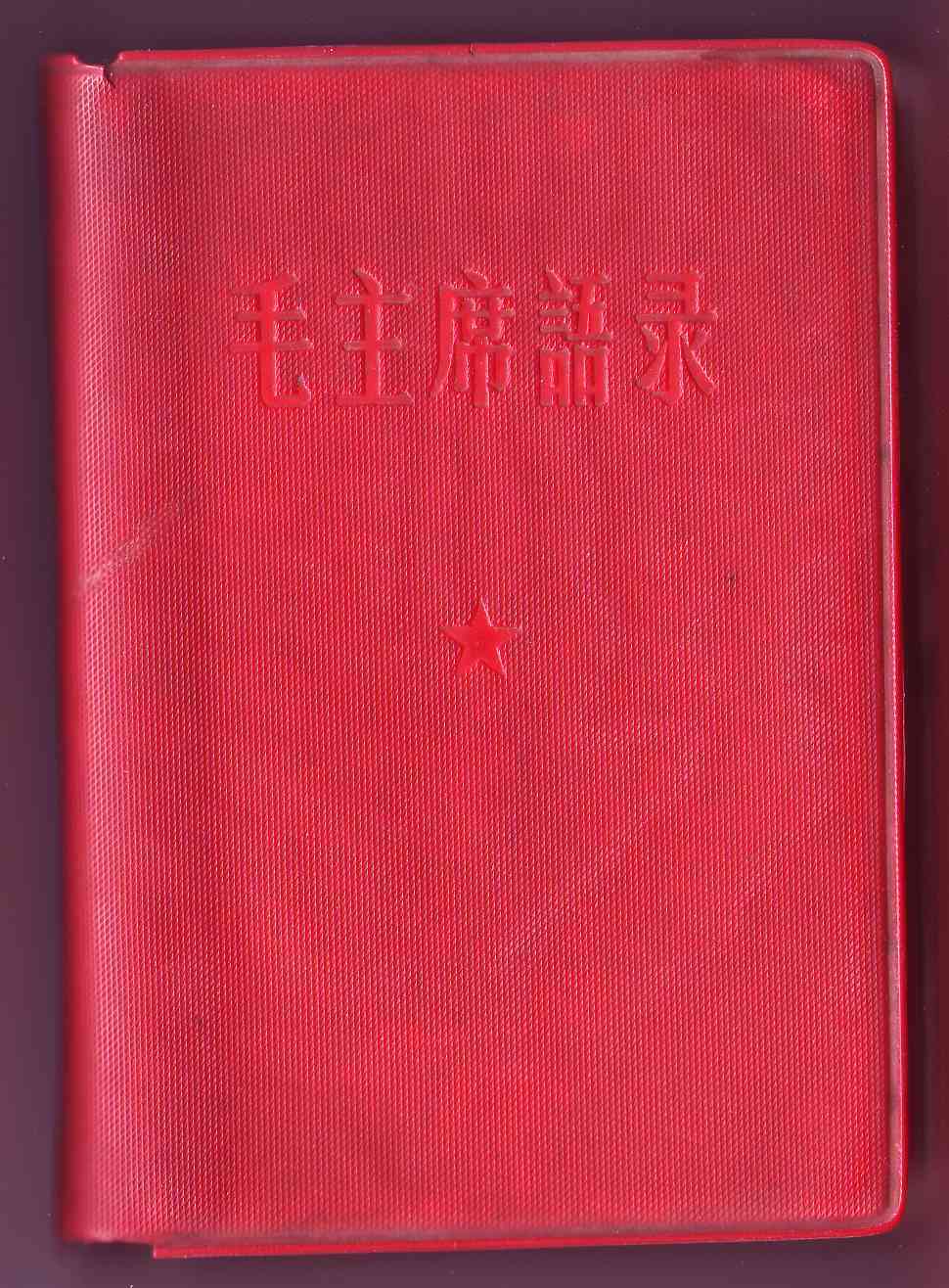 Book
Primary source
Quotations from Chairman Mao Tse-tung
Mao Zedong · 1964
Primary source
Report on an Investigation of the Peasant Movement in Hunan
Mao Zedong · March 1927
 Document
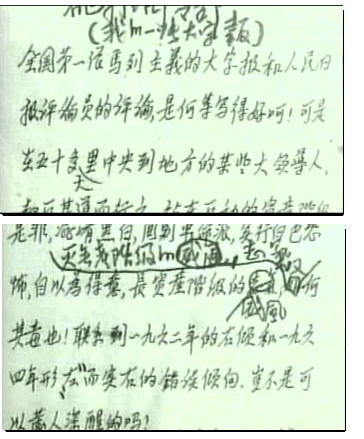
Primary source
Bombard the Headquarters
Mao Zedong · 5 August 1966
 Book
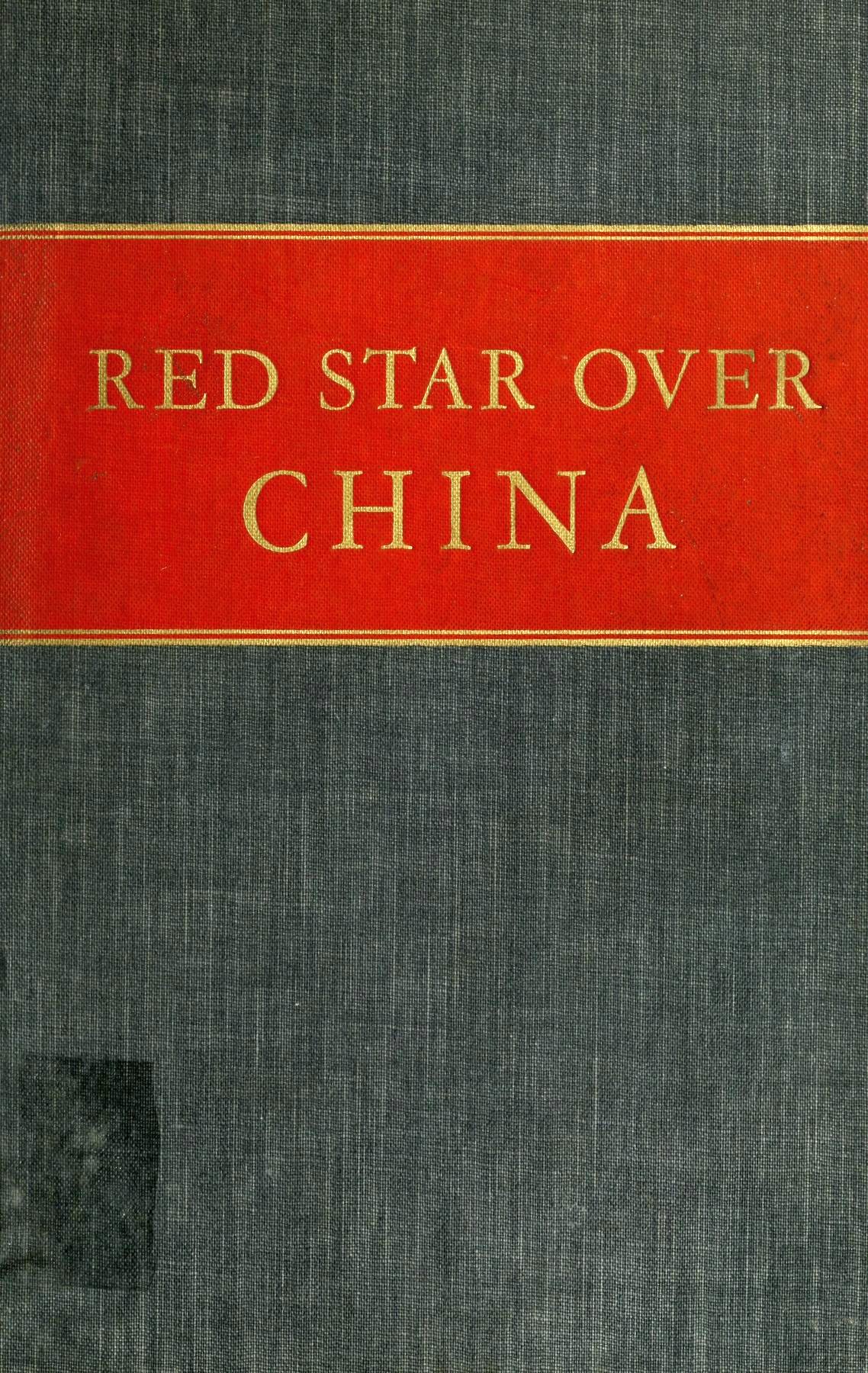
Secondary source
Red Star Over China
Edgar Snow · 1937
Free account
Browse every Mao Zedong source
Sign up free →
Ready when you are
Start chatting with Mao Zedong now.
20 messages free · No credit card · Available in 50+ languages.