


Primary sourcePaintingc. 1668
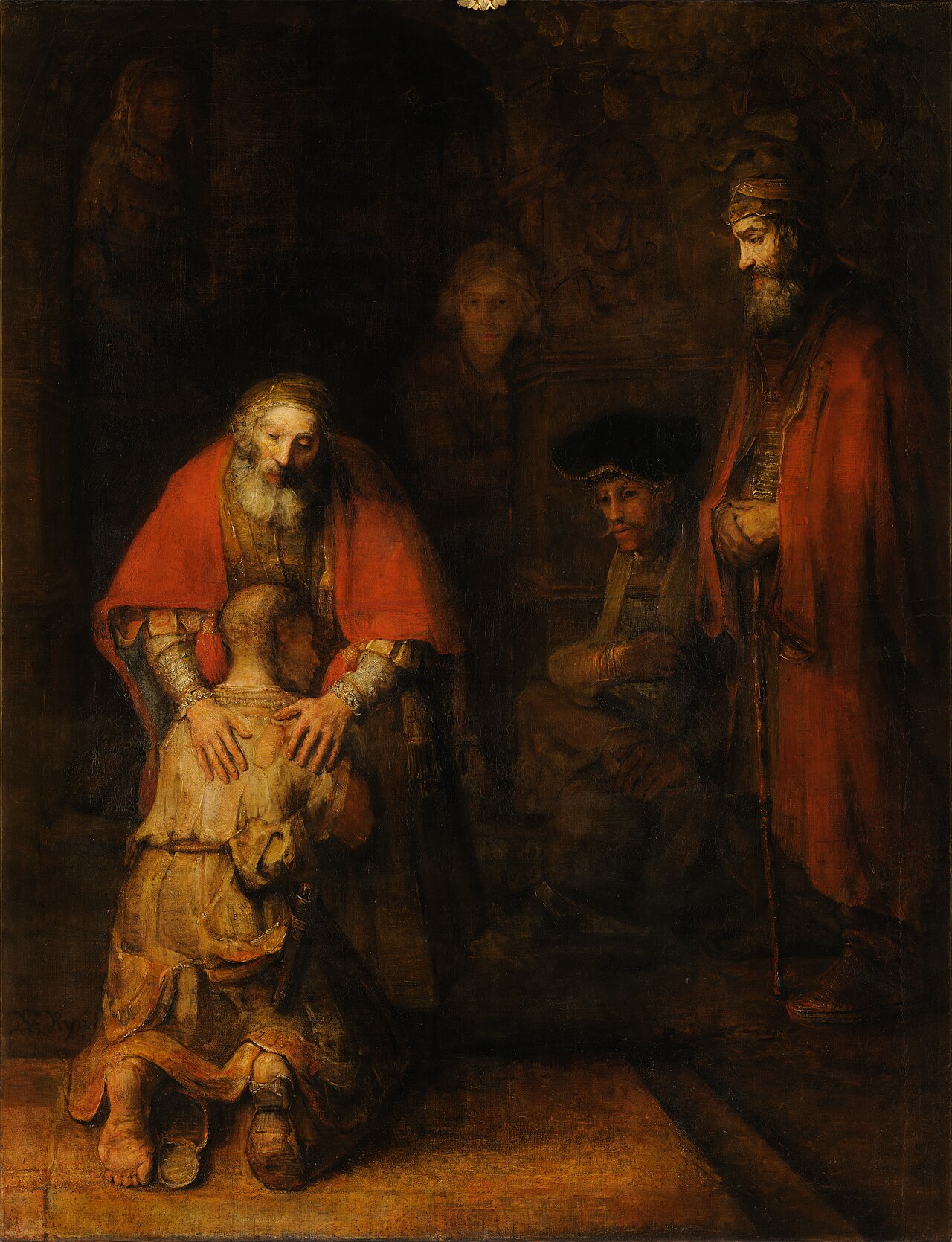
Return of the Prodigal Son
Rembrandt · c. 1668
A late biblical painting by Rembrandt showing a father welcoming home his repentant son, one of his final works.
One of Rembrandt's final paintings, reflecting his late-life meditation on forgiveness and mercy.
About this source
What it is
This oil painting by Rembrandt, completed within two years of his death in 1669, depicts the Biblical parable of the prodigal son. It shows the ragged son kneeling before his father, who receives him with a tender embrace, while the elder brother looks on. It is held at the Hermitage Museum in St Petersburg.
Why it matters
Rembrandt returned to this parable many times across his career, in drawings, etchings and paintings. This final version is often called one of his most moving works, admired for its depiction of forgiveness and human tenderness. It shows the deep spiritual reflection of Rembrandt's late years, after much personal hardship.
Look closer
- What do the father's two hands seem to express, and why might Rembrandt have painted them differently?
- Why is the elder brother standing apart, with his hands crossed?
- What might this painting tell us about what mattered to Rembrandt near the end of his life?
This painting is part of the curated material that grounds the AI version of Rembrandt on Humy.ai — when students ask about related events, the AI can quote it and cite it.
More Rembrandt sources
Browse all 96 →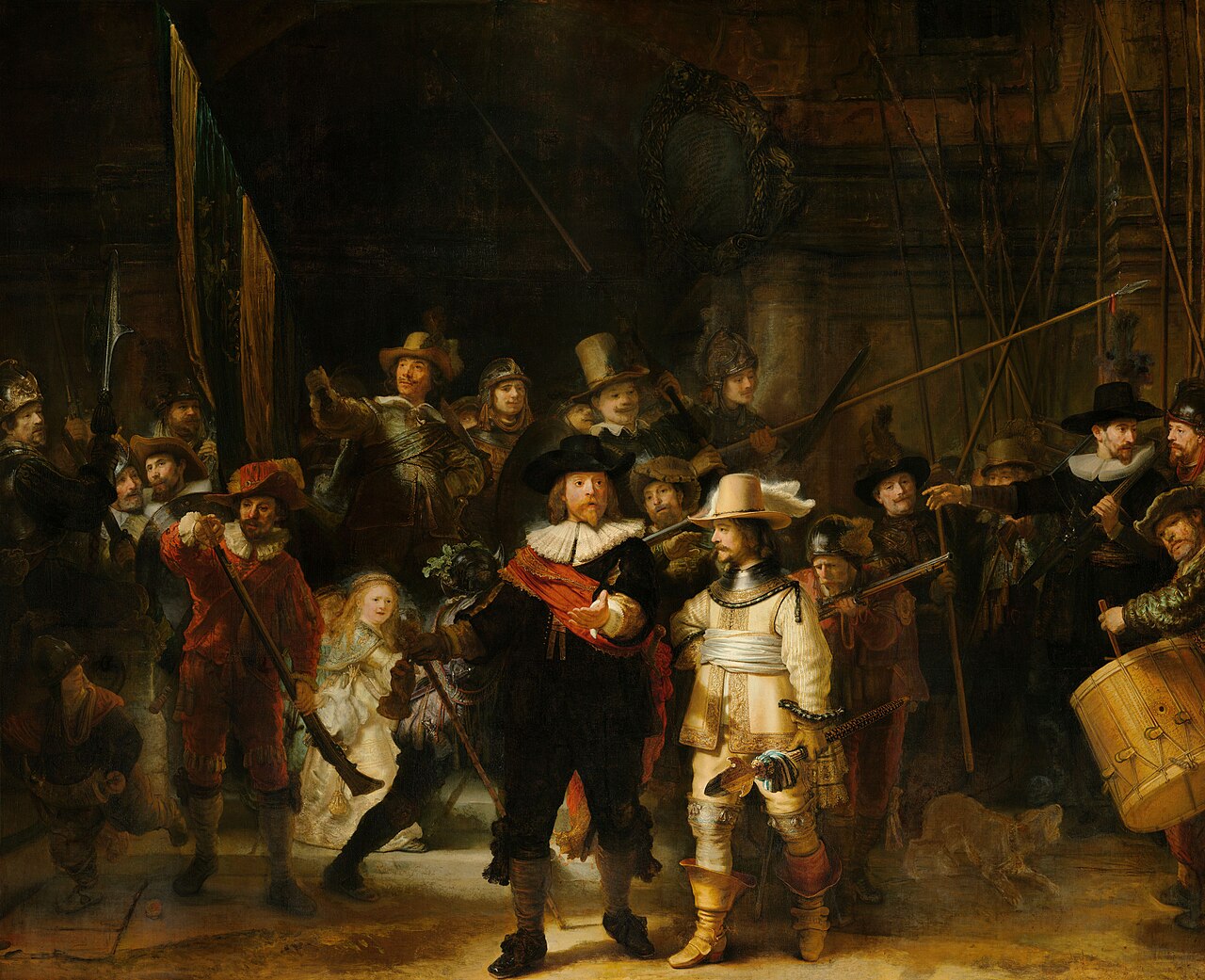 Painting
Primary source
The Night Watch
Rembrandt · 1642
 Painting
Primary source
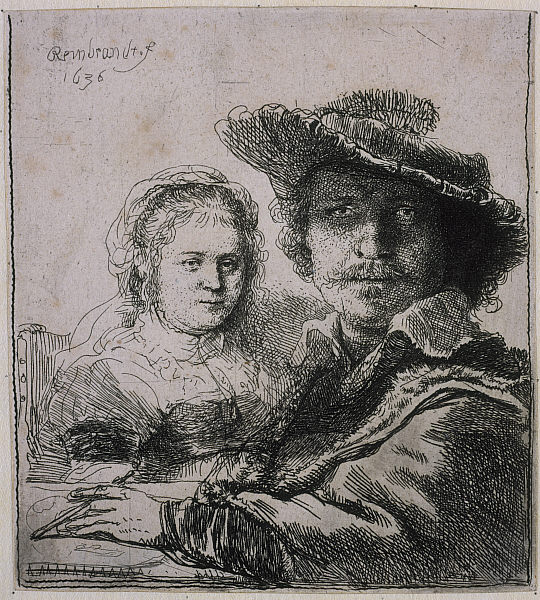
Self-Portrait with Saskia
Rembrandt van Rijn · 1636
 Painting
Secondary source
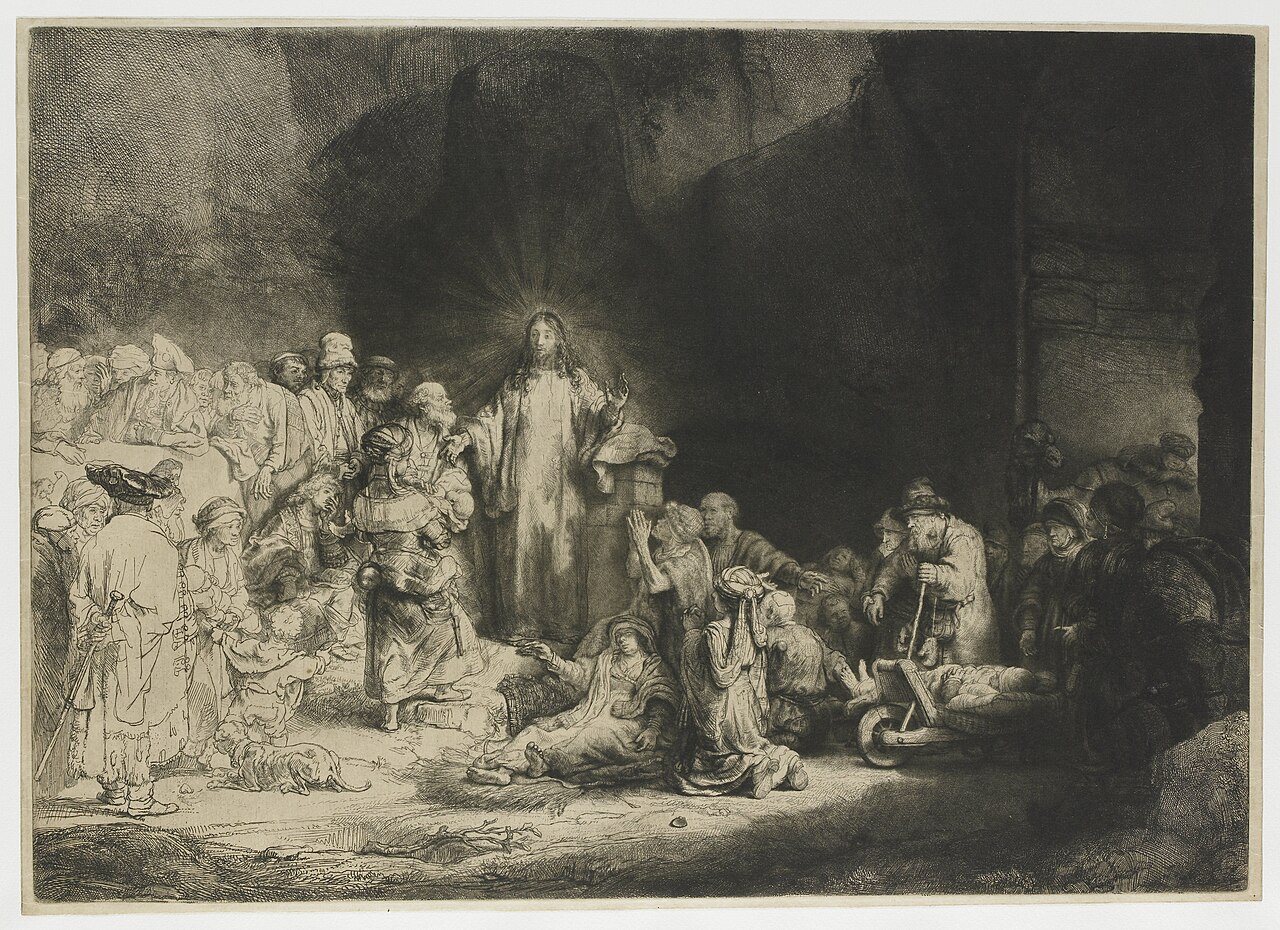
Christ Healing the Sick (Hundred Guilder Print)
Rembrandt · c. 1647-1649
 Painting
Primary source
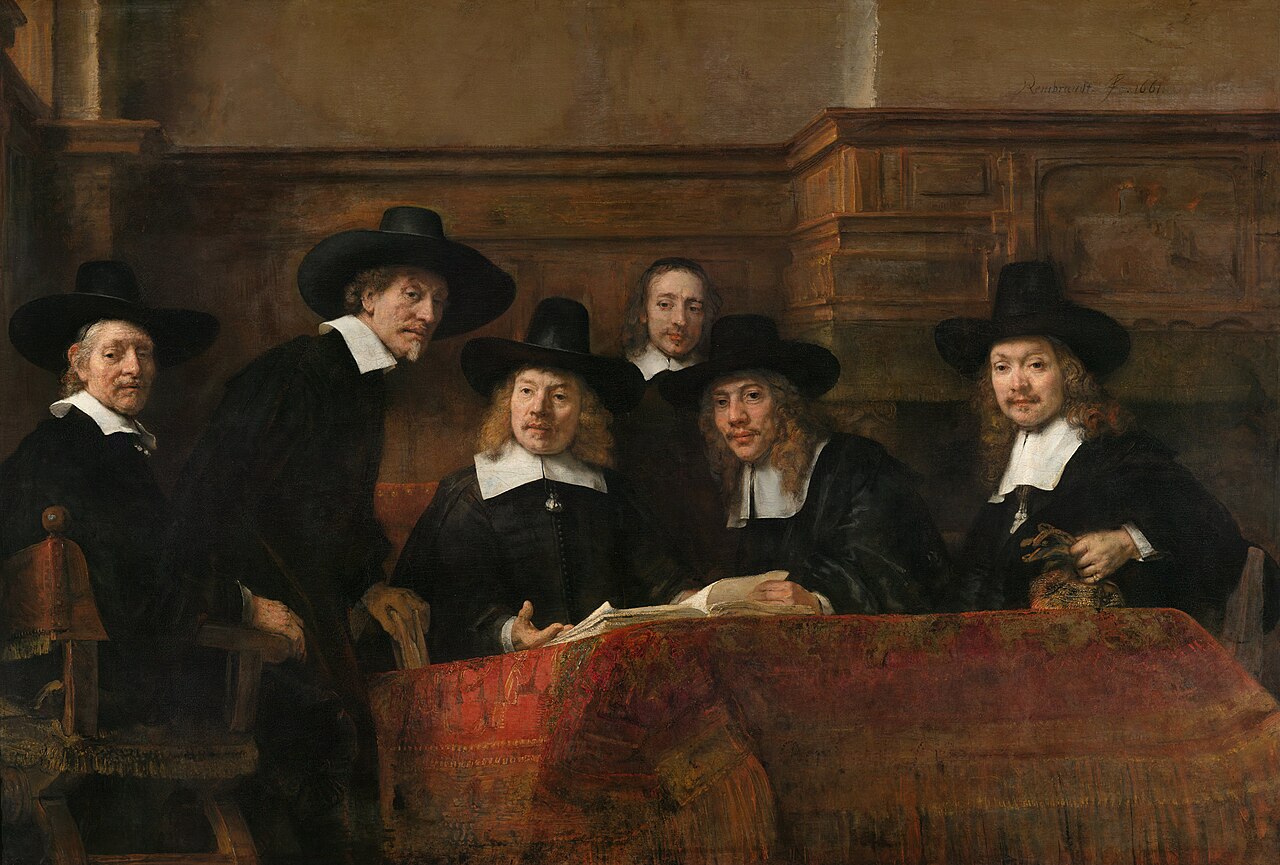
Syndics of the Drapers' Guild
Rembrandt · 1662
Free account
Read every Rembrandt source
Sign up free →
Ready when you are
Start chatting with Rembrandt now.
20 messages free · No credit card · Available in 50+ languages.