


Primary sourceNewspaper article28 May 1846
Review of Darwin's Brazil travel book in The Voice of Freedom
28 May 1846
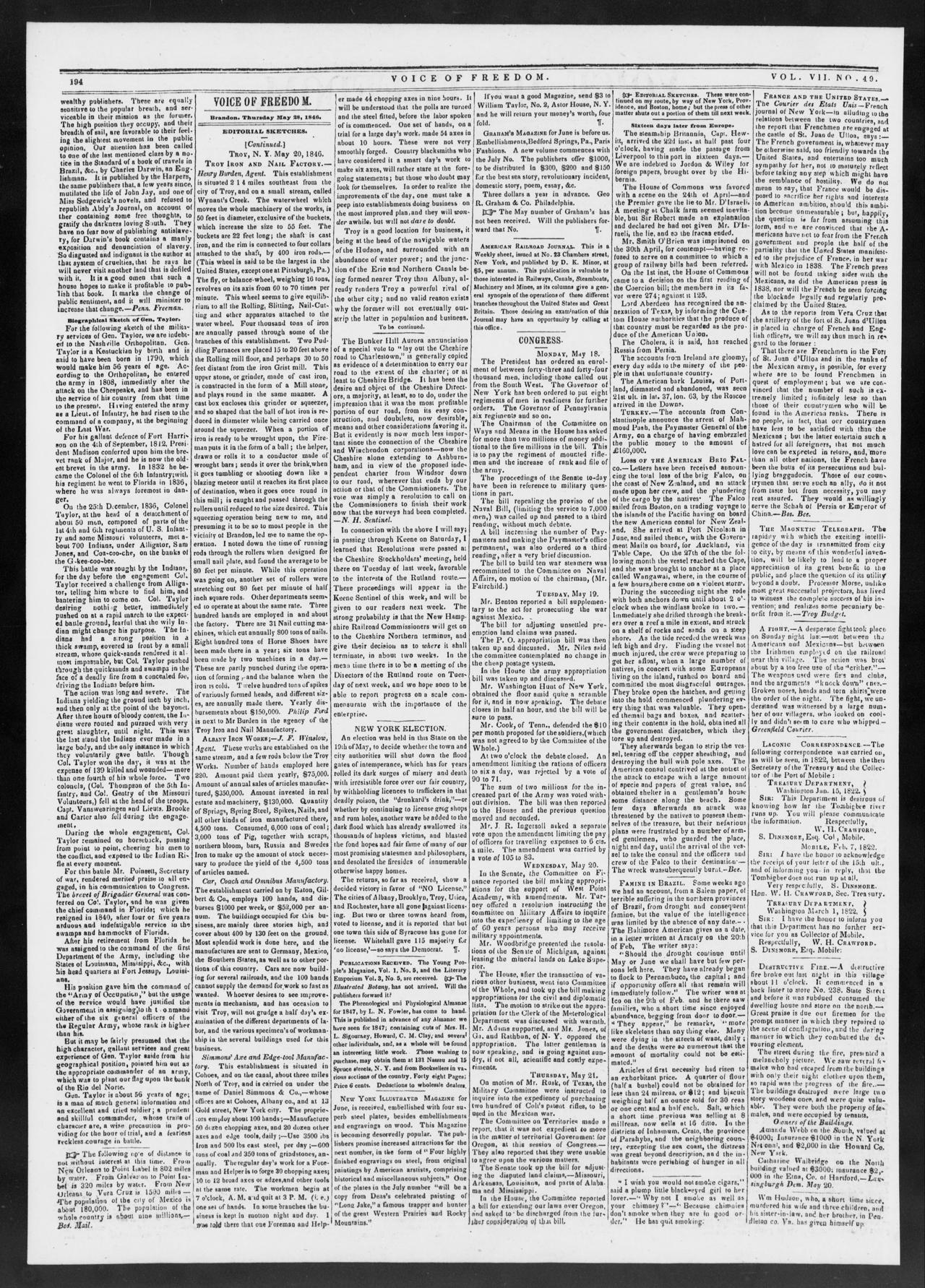
An 1846 newspaper article from The Voice of Freedom praising Harper's publication of Darwin's travel book on Brazil. It notes the book's denunciation of slavery.
Shows how Darwin's early travel book was received in an American antislavery paper, linking him to the slavery debate of his time.
About this source
What it is
This is a page of The Voice of Freedom, Vol. VII, No. 49, dated 28 May 1846. The page carries dense multi-column text under headings including Editorial Sketches, Congress and New York Election. The article discusses a notice in the Standard of a book of travels in Brazil by Charles Darwin, published by Harpers. It says the book contains a manly denunciation of slavery, and that the author would never visit another land afflicted with it. The Library of Congress holds the page. Its text is an OCR copy made by an AI model, so it may contain errors and is not a reading by the original editors.
Why it matters
In 1846 Darwin was a young traveller whose account of Brazil had just appeared. This antislavery newspaper used his book to argue that public opinion was changing, and it criticised the publisher Harpers for past refusals to print certain works. The article shows how Darwin's travel writing was read in the United States, and how abolitionists used a British author's words in their own debate about slavery.
Look closer
- Why does the writer say the publisher's willingness to print the book is a good sign?
- What does the article suggest about who has power over what the public reads?
- Since the text was machine-read, which words should you check against an original scan before you trust them?
This newspaper article is part of the curated material that grounds the AI version of Charles Darwin on Humy.ai — when students ask about related events, the AI can quote it and cite it.
More Charles Darwin sources
Meet the AI Charles Darwin →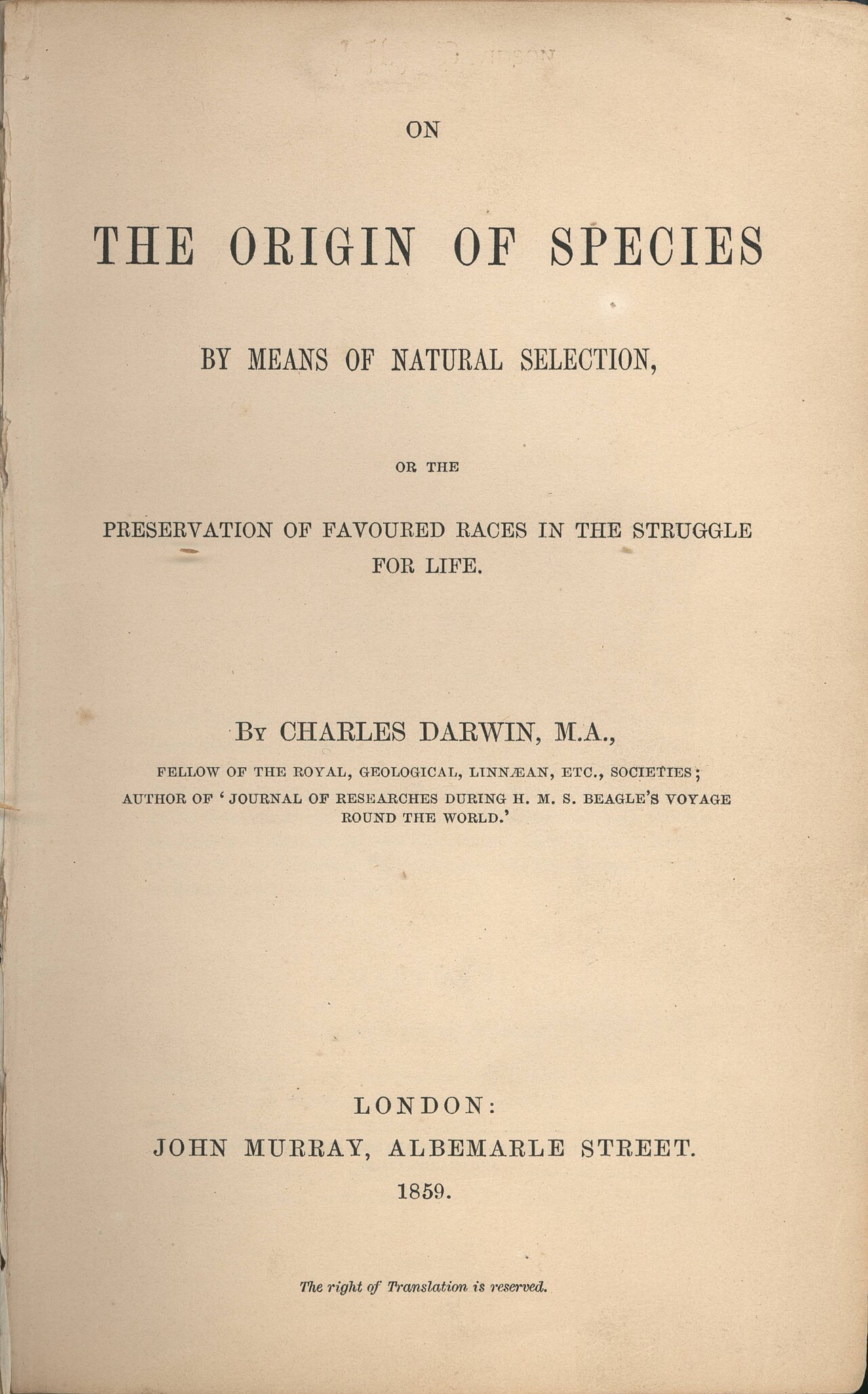 Book
Primary source
On the Origin of Species
Charles Darwin · 1859
 Diary entry
Primary source
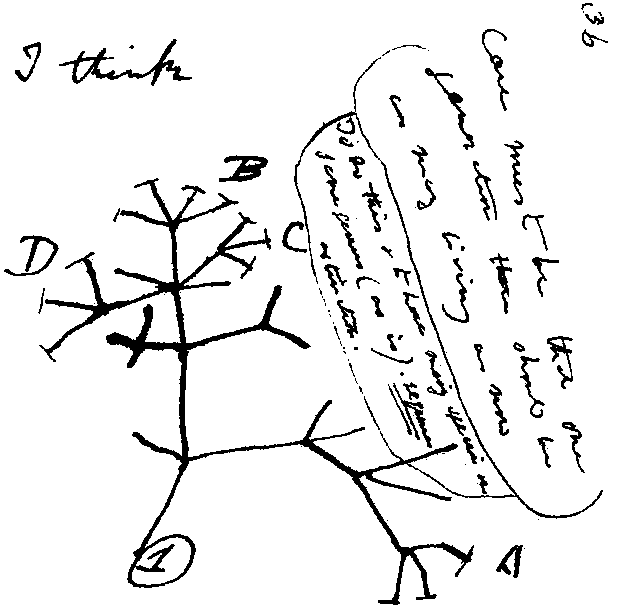
Notebook B 'I think' Tree of Life Sketch
Charles Darwin · c. July 1837
 Document
Primary source
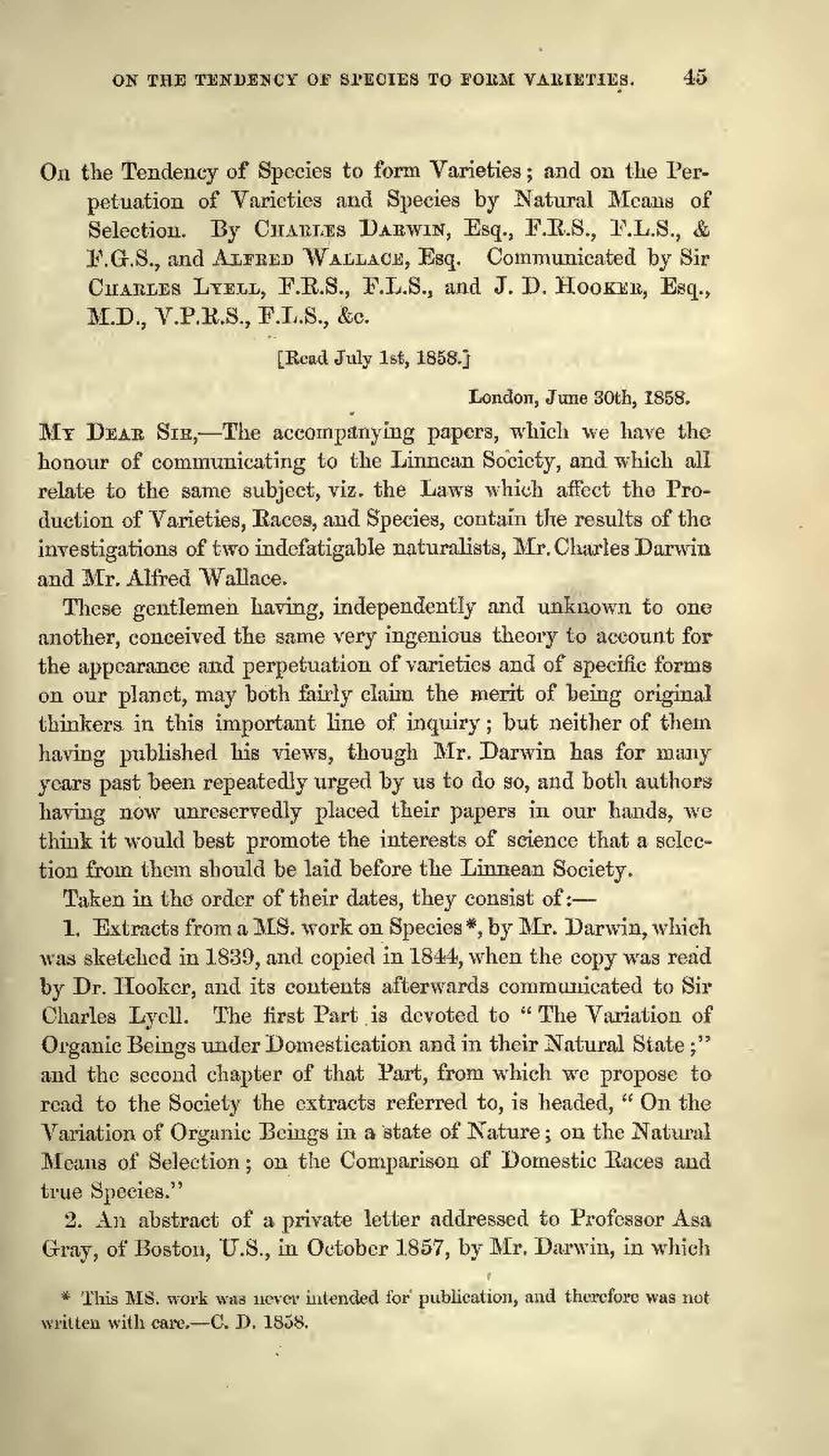
On the Tendency of Species to Form Varieties
Charles Darwin / Alfred Russel Wallace · 1858
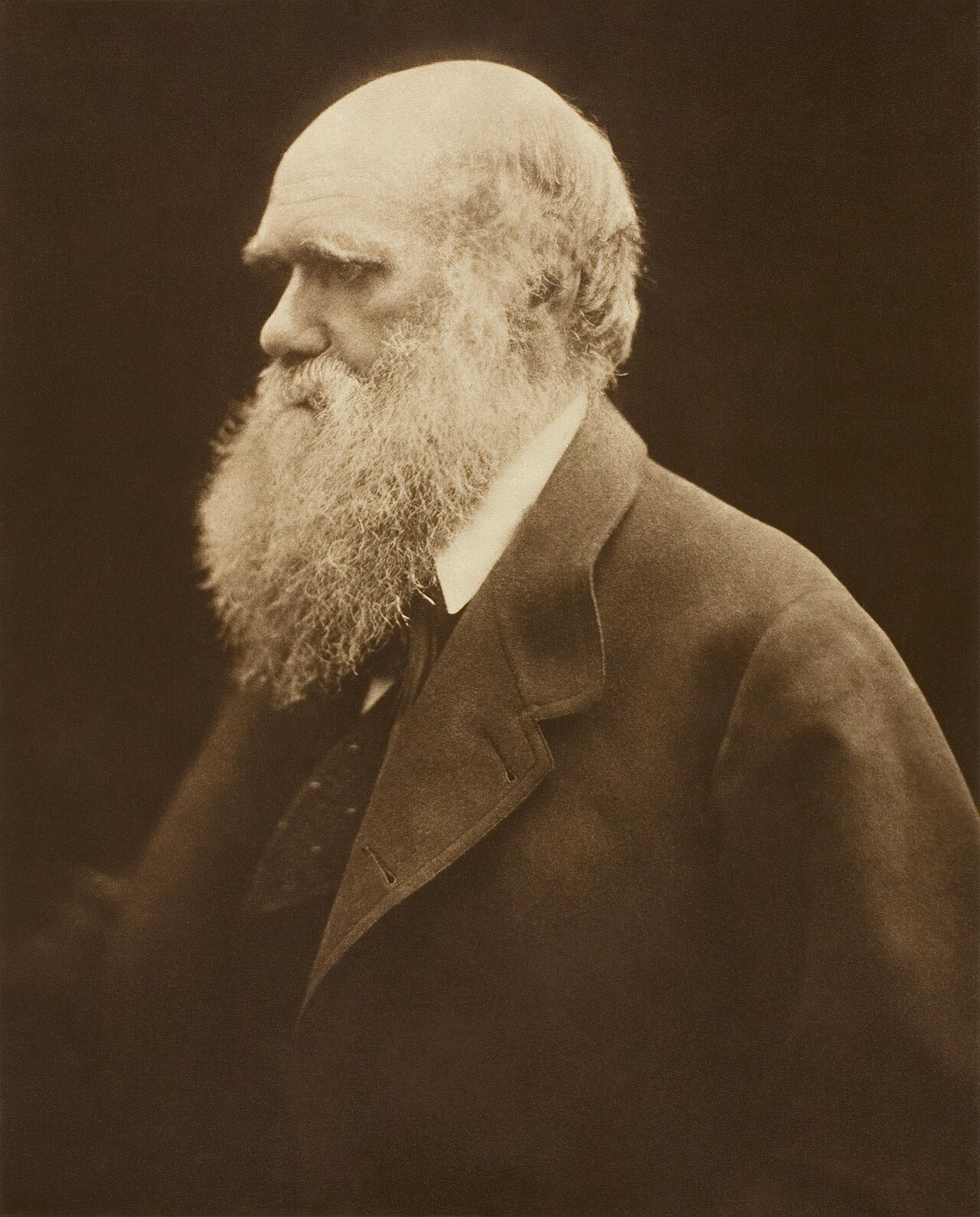 Photograph
Primary source
Charles Darwin by Julia Margaret Cameron
Julia Margaret Cameron · c. 1868
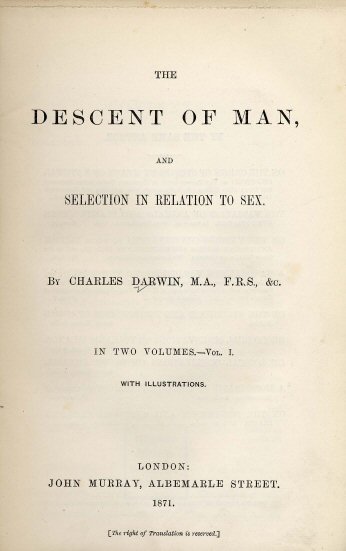 Book
Primary source
The Descent of Man, and Selection in Relation to Sex
Charles Darwin · 1871
Ready when you are
Start chatting with Charles Darwin now.
20 messages free · No credit card · Available in 50+ languages.