


Secondary sourcePainting1964
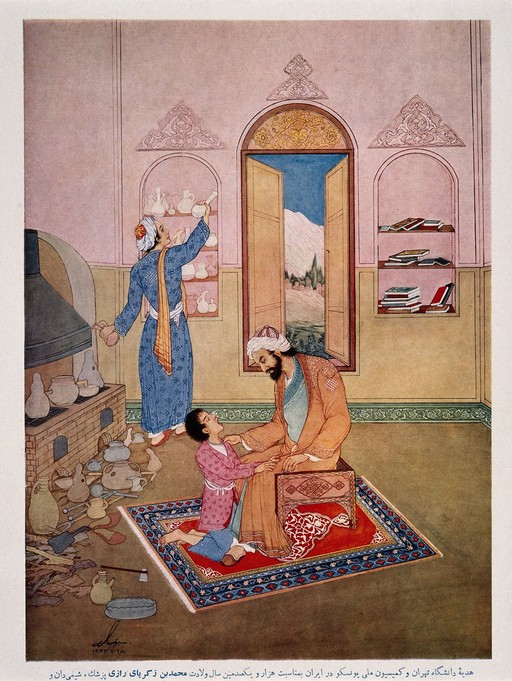
Rhazes Examines a Boy
Hossein Behzad · 1964
A 1964 colour print by Iranian artist Hossein Behzad imagining Rhazes examining a young patient, made to mark his 1,100th anniversary.
A commemorative 1964 artwork imagining Rhazes at work as a physician, created to honour his memory centuries after his death.
About this source
What it is
This is a colour print made in 1964 by the Iranian artist Hossein Behzad. It was presented by the University of Tehran and the Iranian National Commission for UNESCO to mark the 1,100th anniversary of the birth of Razi, the Persian physician, chemist and philosopher. It is now held by the Wellcome Collection.
Why it matters
The print does not come from Rhazes's own lifetime — it was created centuries later as a tribute to his memory. It shows how he was remembered and celebrated in the 20th century as a founding figure of medicine, imagined examining a boy in a richly furnished clinic filled with jars and books.
Look closer
- What details in the room suggest this is a place of medical learning?
- Why might an artist in 1964 want to imagine this scene rather than copy an old portrait?
- What does this image tell us about how later generations wanted to honour Rhazes, rather than about his actual appearance?
This painting is part of the curated material that grounds the AI version of Al-Razi on Humy.ai — when students ask about related events, the AI can quote it and cite it.
More Al-Razi sources
Meet the AI Al-Razi →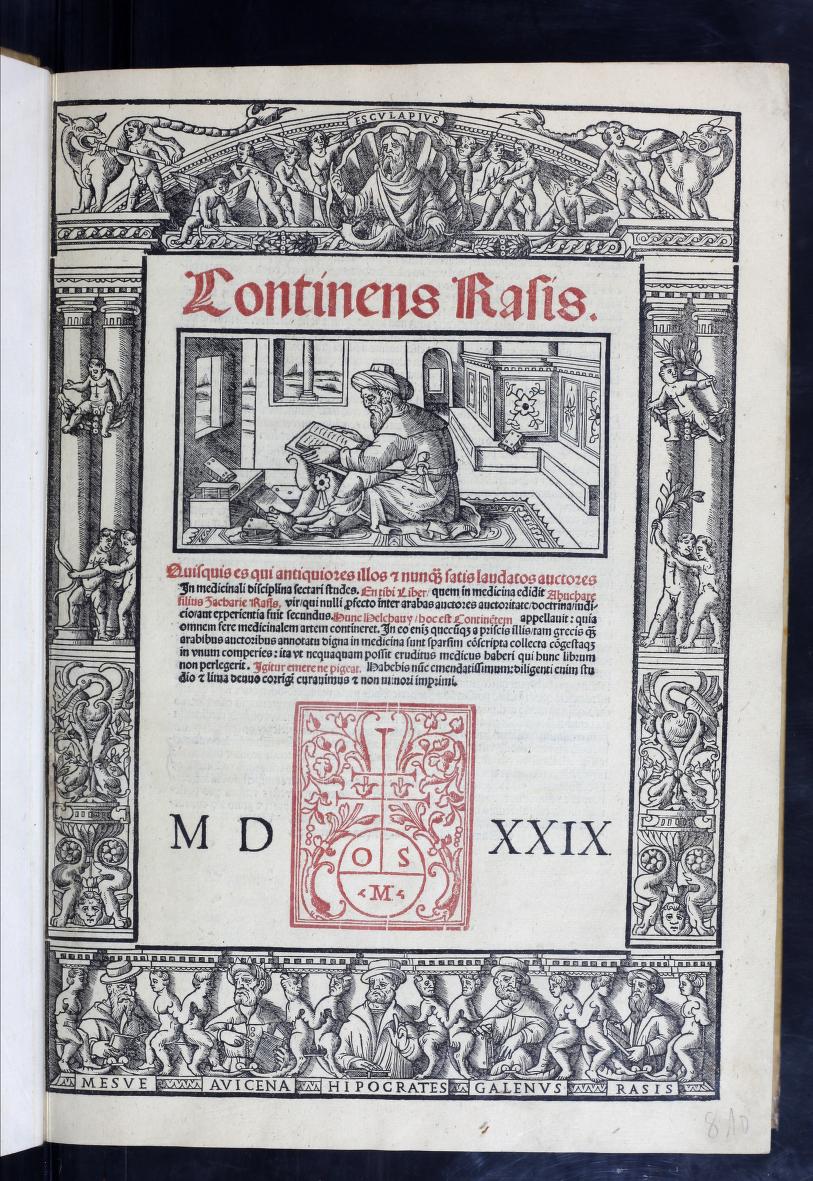 Book
Primary source
The Comprehensive Book on Medicine
Abu Bakr al-Razi · c. 900 (this edition: 1529)
 Document
Primary source
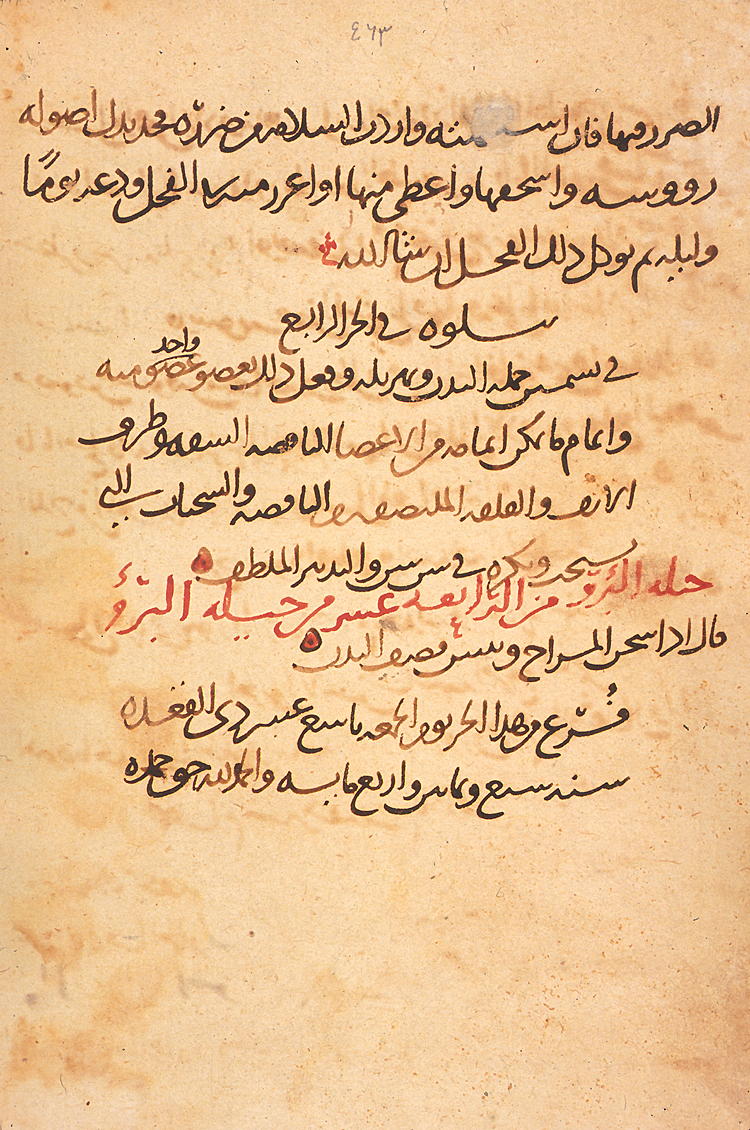
Rhazes NLM Manuscript Colophon
Unknown 10th century scribe · 30 November 1094
Primary source
The Spiritual Physick
Abu Bakr al-Razi · c. 900s
Primary source
The Philosophical Life
Abu Bakr al-Razi · c. 900s
 Book
Primary source
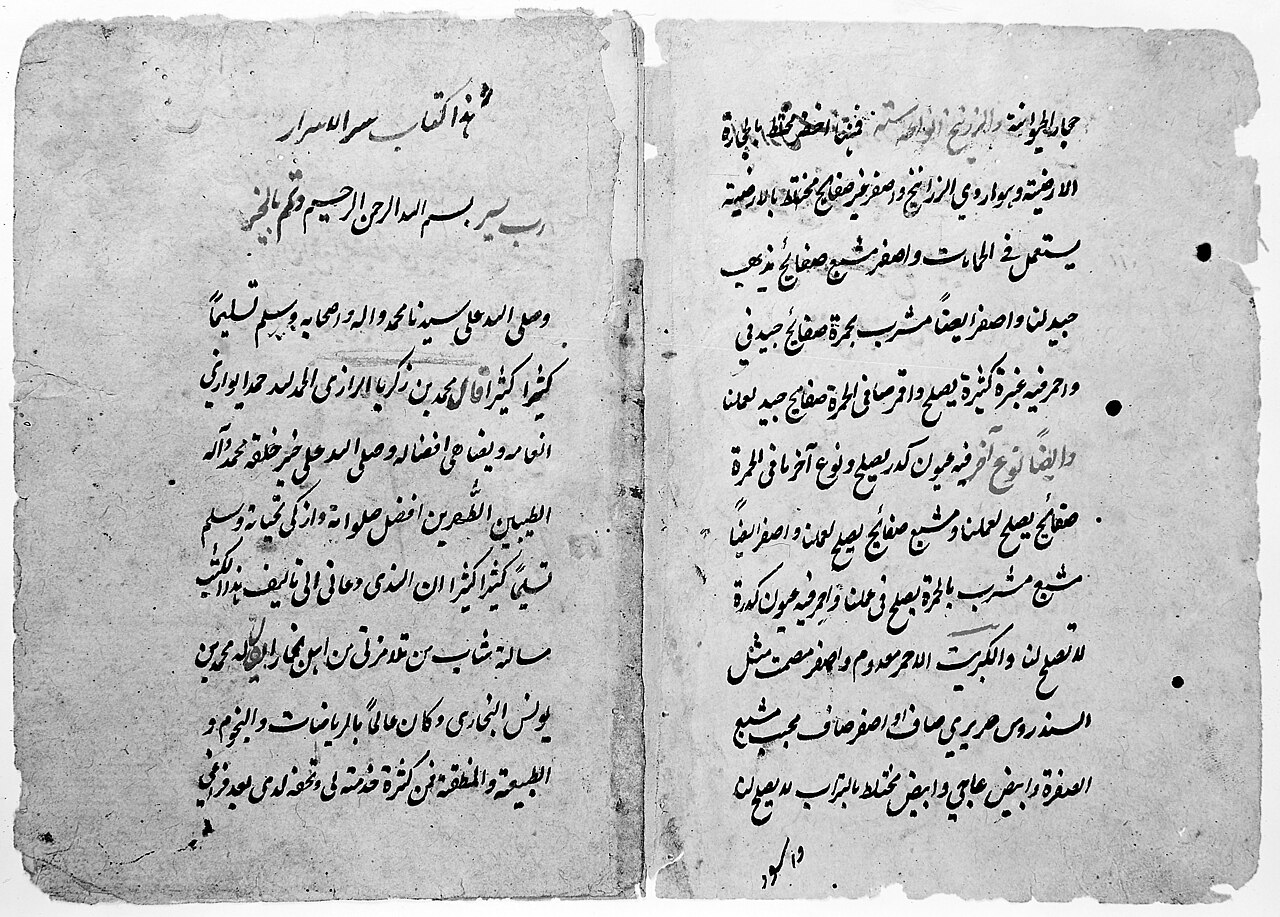
Arabic Manuscript on Alchemy by Razes
Abu Bakr al-Razi
Ready when you are
Start chatting with Al-Razi now.
20 messages free · No credit card · Available in 50+ languages.