


Primary sourceDocument1837–1842
Rienzi
Richard Wagner · 1837–1842
Wagner's grand opera about the medieval Roman tribune Cola di Rienzo, the composer's first major success.
Wagner composed and wrote the libretto for this opera, his first major theatrical success.
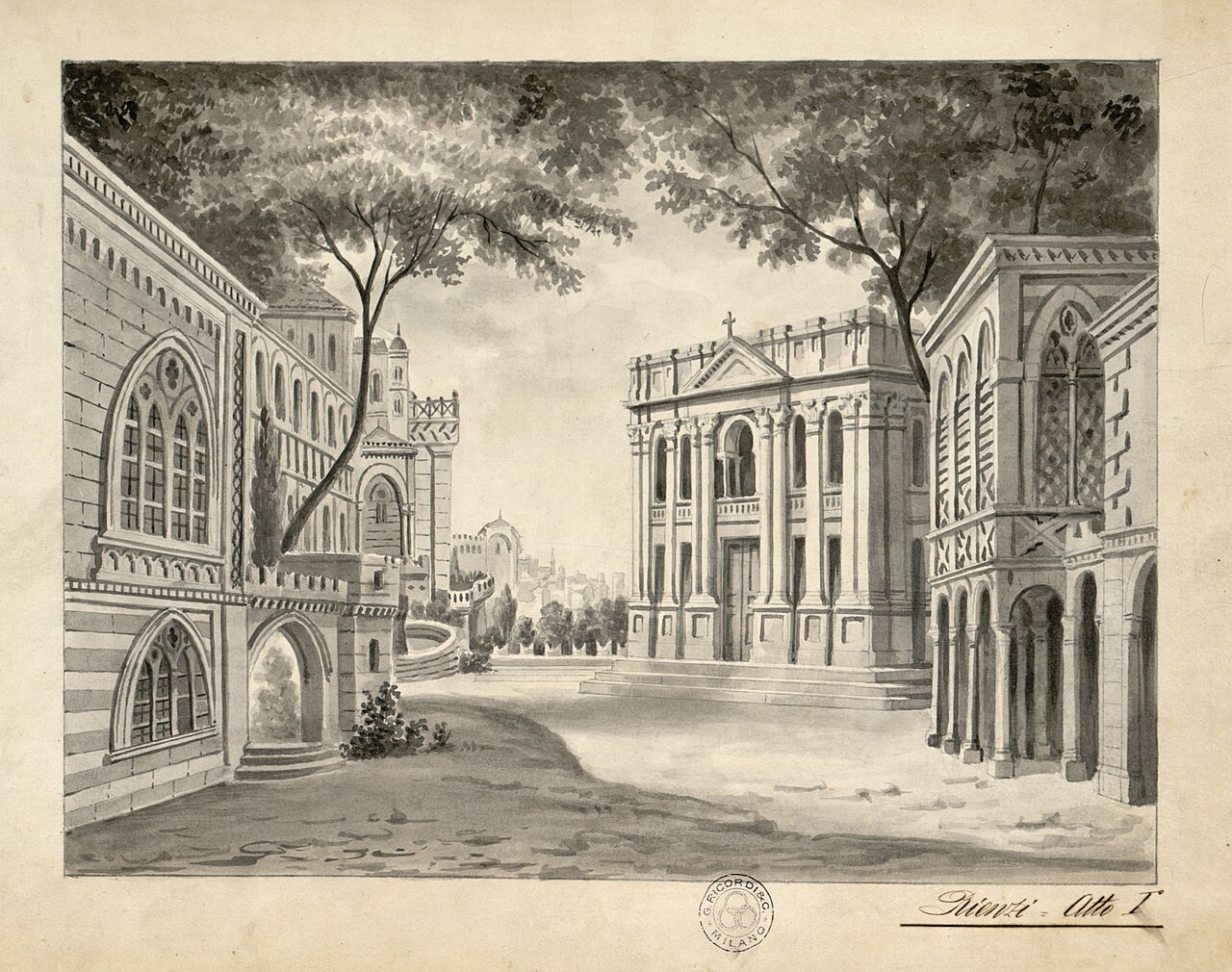
About this source
What it is
Rienzi is an opera in five acts composed by Richard Wagner, with a libretto he wrote himself based on Edward Bulwer-Lytton's novel. Wagner worked on it between 1838 and 1840, and it premiered at the Königliches Hoftheater in Dresden in October 1842. The scene shown here is a set design sketch for Act 1, depicting a street with Gothic and classical buildings near the Lateran church in Rome.
Why it matters
Rienzi was Wagner's first great success, written in the grand opera style influenced by composers like Meyerbeer and Auber. It tells the story of a populist leader who rises and falls, a theme that reflects the political upheavals of Wagner's own time. The opera shows Wagner still working within the fashionable styles of his era, before he developed his later, more radical musical voice.
Look closer
- What does the set design tell you about how Rienzi's Rome was imagined on stage?
- Why might a composer choose a story about a popular uprising against nobles?
- What does the opera's long runtime and grand style suggest about audience expectations in the 1840s?
This document is part of the curated material that grounds the AI version of Richard Wagner on Humy.ai — when students ask about related events, the AI can quote it and cite it.
More Richard Wagner sources
Browse all 96 →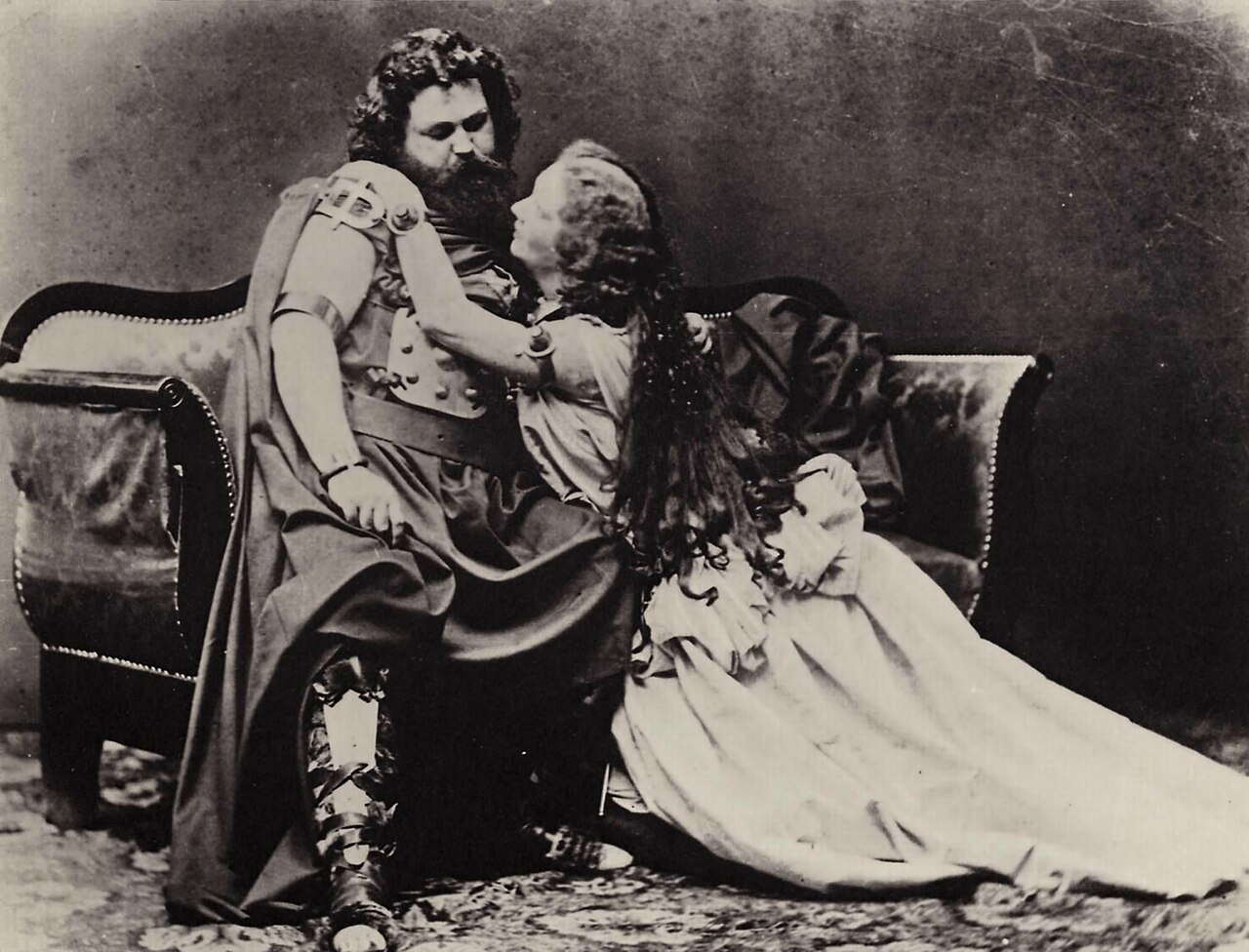 Document
Primary source
Tristan und Isolde
Richard Wagner · 1857-1859
 Document
Primary source
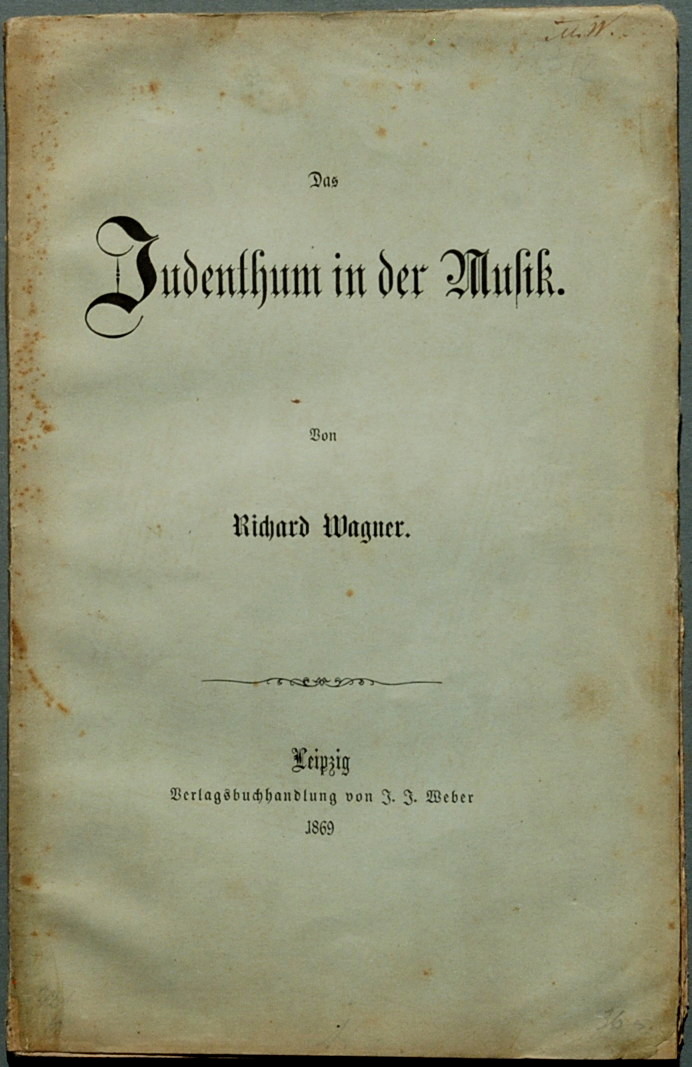
Das Judenthum in der Musik
Richard Wagner · 1850
 Artifact
Primary source
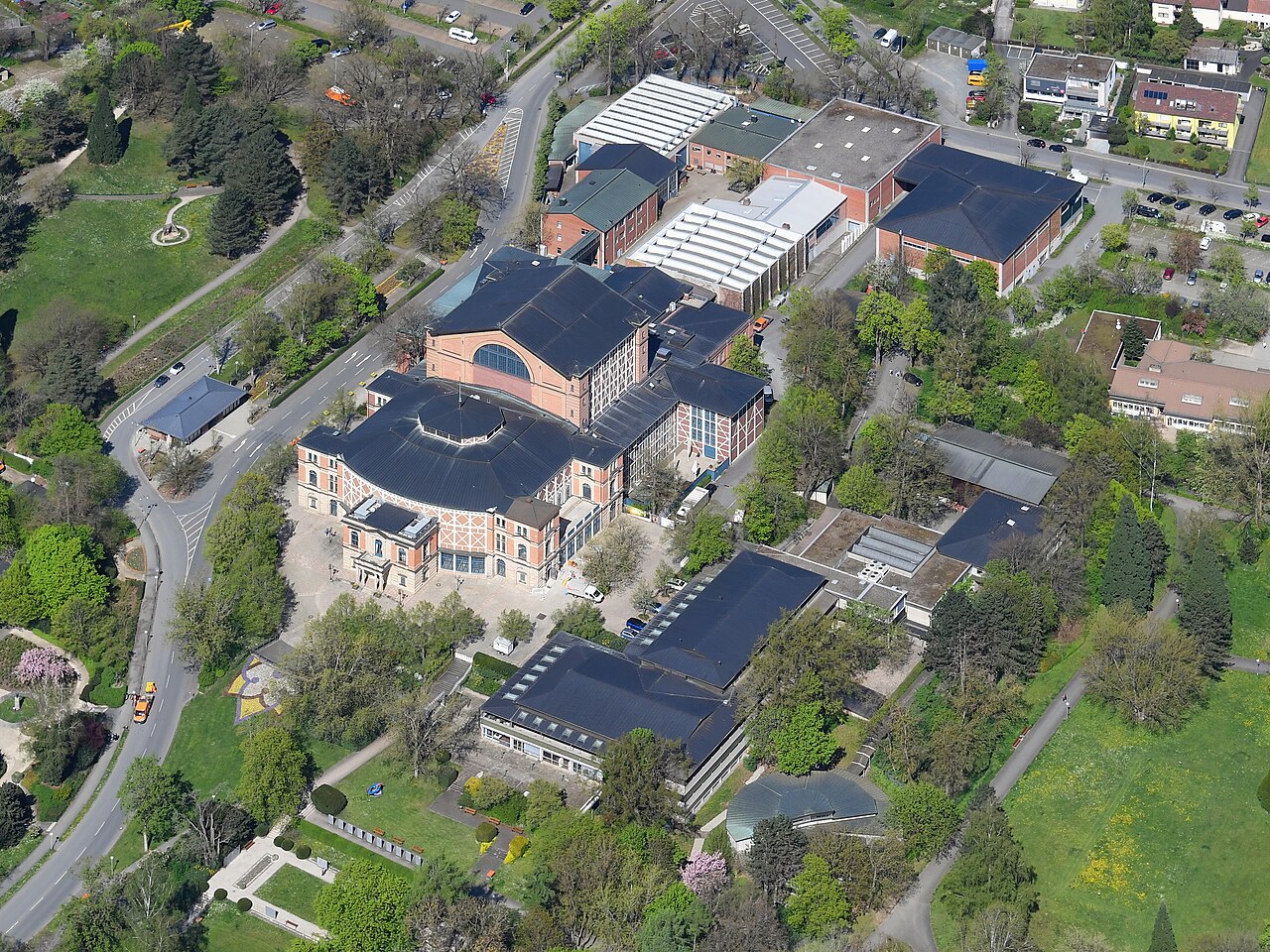
Bayreuth Festival Theatre
Richard Wagner and Otto Brückwald · 1872-1876
Primary source
Mein Leben
Richard Wagner · 1865-1880
Free account
Read every Richard Wagner source
Sign up free →
Ready when you are
Start chatting with Richard Wagner now.
20 messages free · No credit card · Available in 50+ languages.