


Primary sourceArtifact
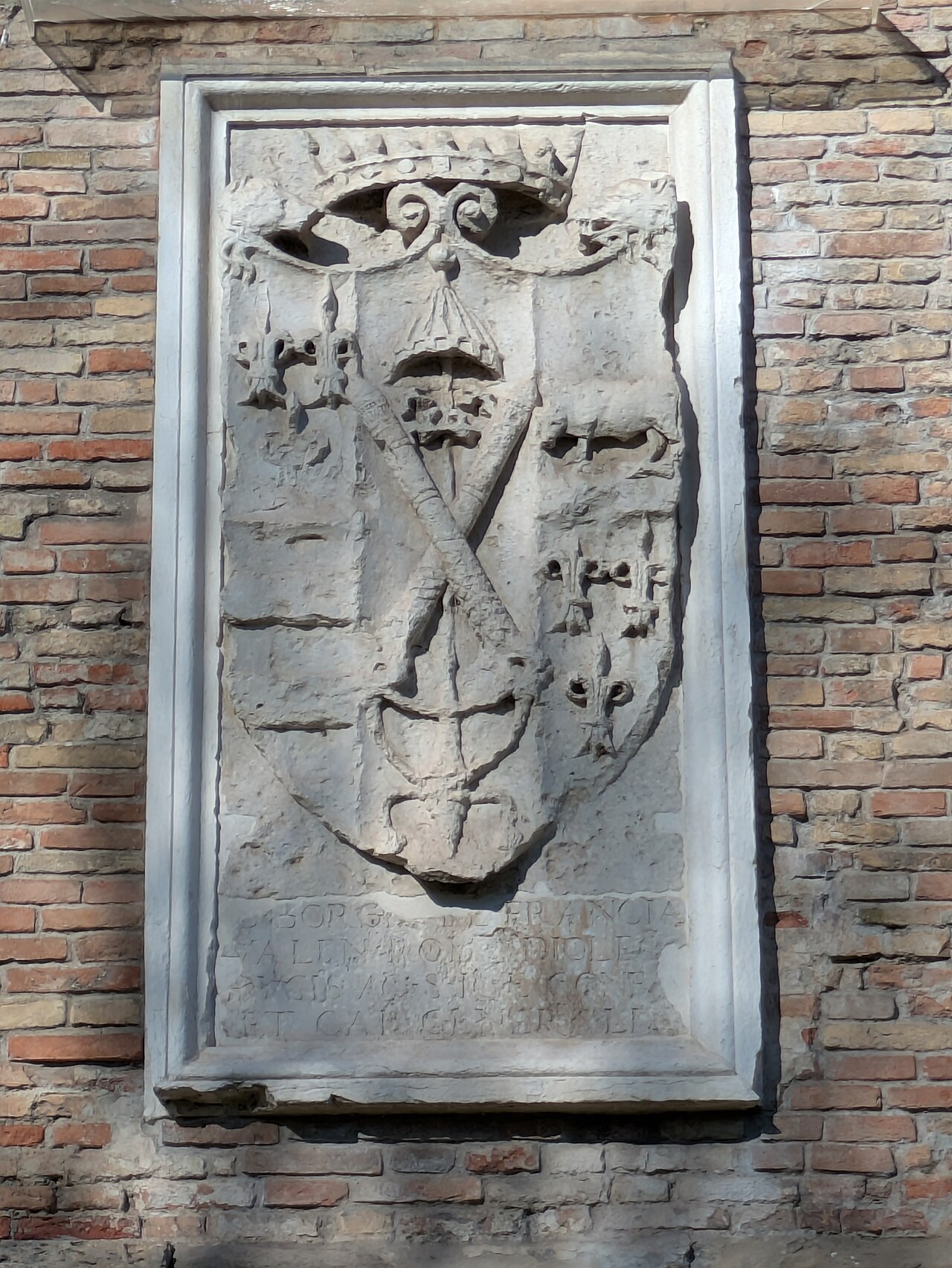
Rocca di Ravaldino Coat of Arms
Accurimbono
A carved stone coat of arms and inscription on the Forlì fortress, marking Cesare Borgia's conquest and lordship over the Romagna.
This inscription and coat of arms on his captured fortress proclaim Cesare Borgia's conquest and ducal title over the Romagna.
About this source
What it is
This is a carved stone coat of arms set into a marble frame on the wall of the Rocca di Ravaldino, a fortress in Forlì, Italy. Below the arms is an inscription naming Cesare Borgia as duke and captain general, written in Latin abbreviations.
Why it matters
Cesare Borgia took this fortress from Caterina Sforza, a noblewoman who had defended it herself, during his campaign to build a personal state in the Romagna region of Italy. Placing his arms and title on the captured stronghold was a way of announcing his new power to everyone who passed by. It shows how rulers of this period used stone and inscriptions as propaganda, not just decoration.
Look closer
- Why would a conqueror want his name and titles carved onto a building he had just taken by force?
- What do the symbols in the coat of arms (crown, shield, fleurs-de-lis) tell you about who Cesare wanted to be seen as?
- What does this artifact leave out about how the fortress was actually captured?
This artifact is part of the curated material that grounds the AI version of Cesare Borgia on Humy.ai — when students ask about related events, the AI can quote it and cite it.
More Cesare Borgia sources
Browse all 51 →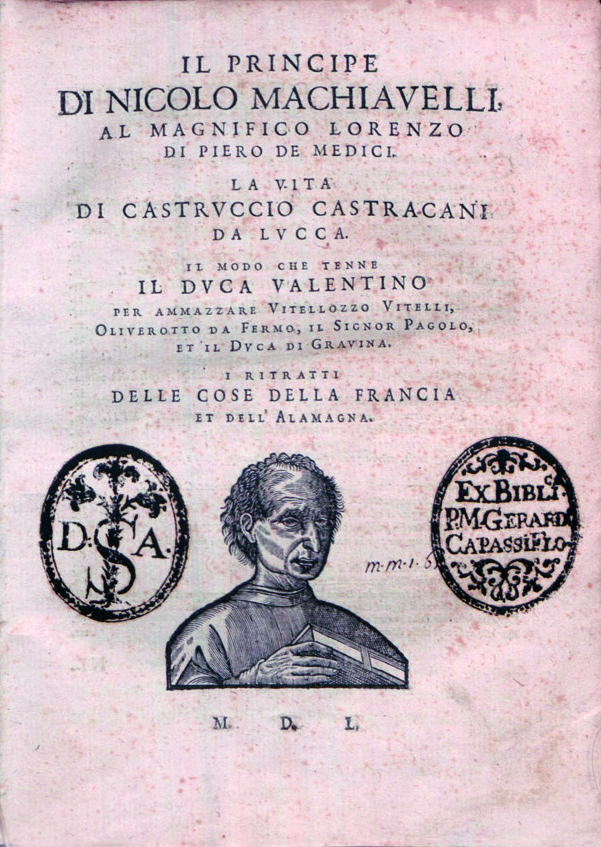 Book
Primary source
The Prince
Niccolò Machiavelli · 1513
 Book
Primary source
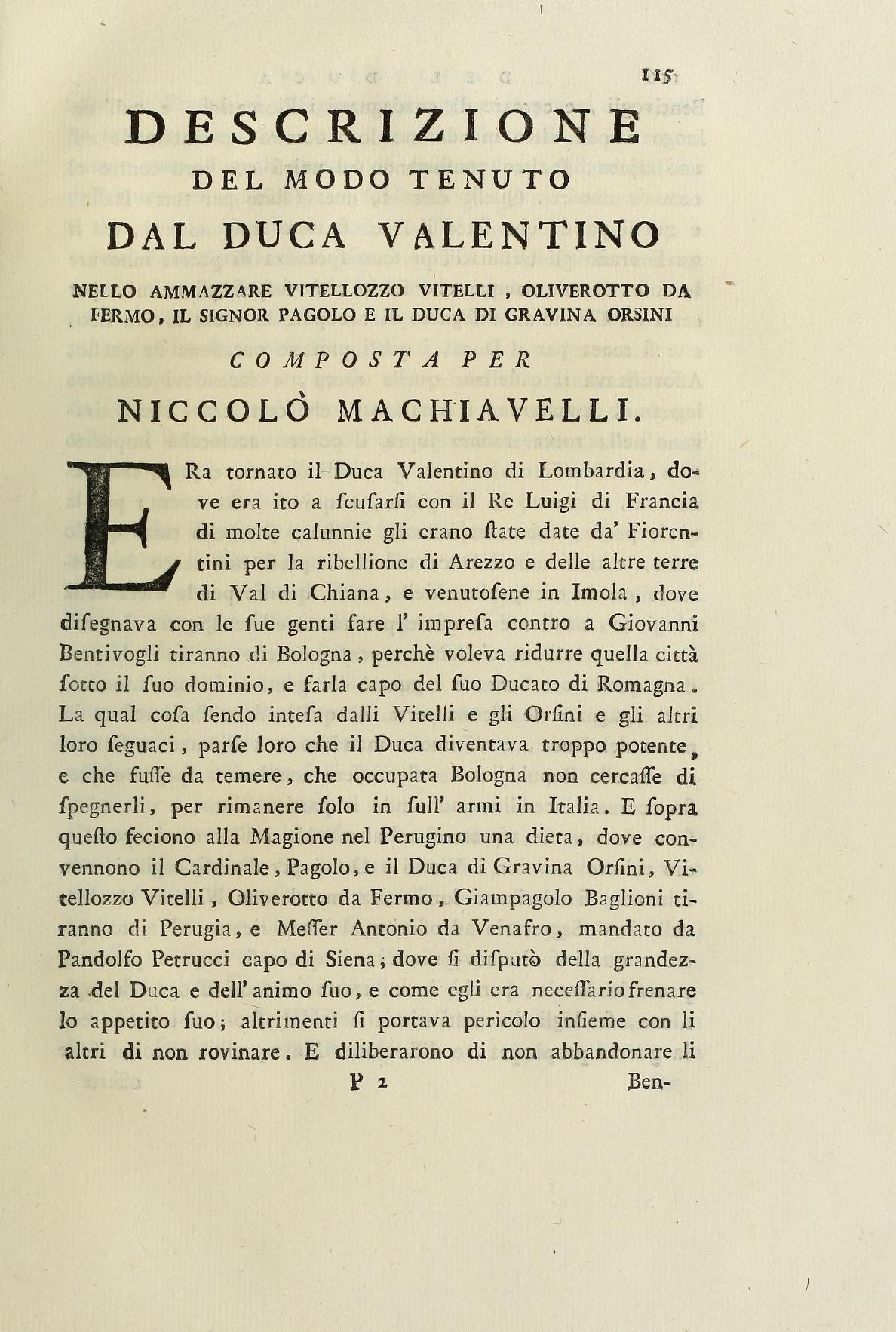
Description of the Manner in which Duke Valentino put Vitellozzo Vitelli, Oliverotto da Fermo, Lord Pagolo and the Duke of Gravina to Death
Niccolò Machiavelli · 1502-1503 (printed 1532)
 Document
Primary source
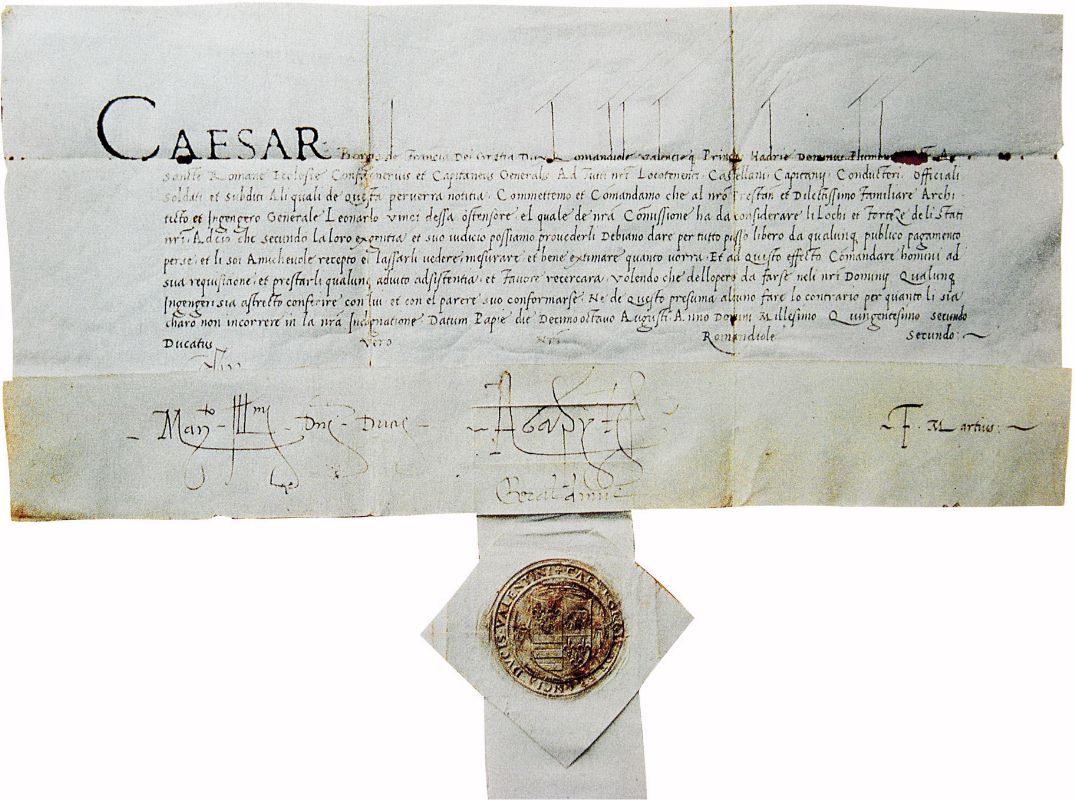
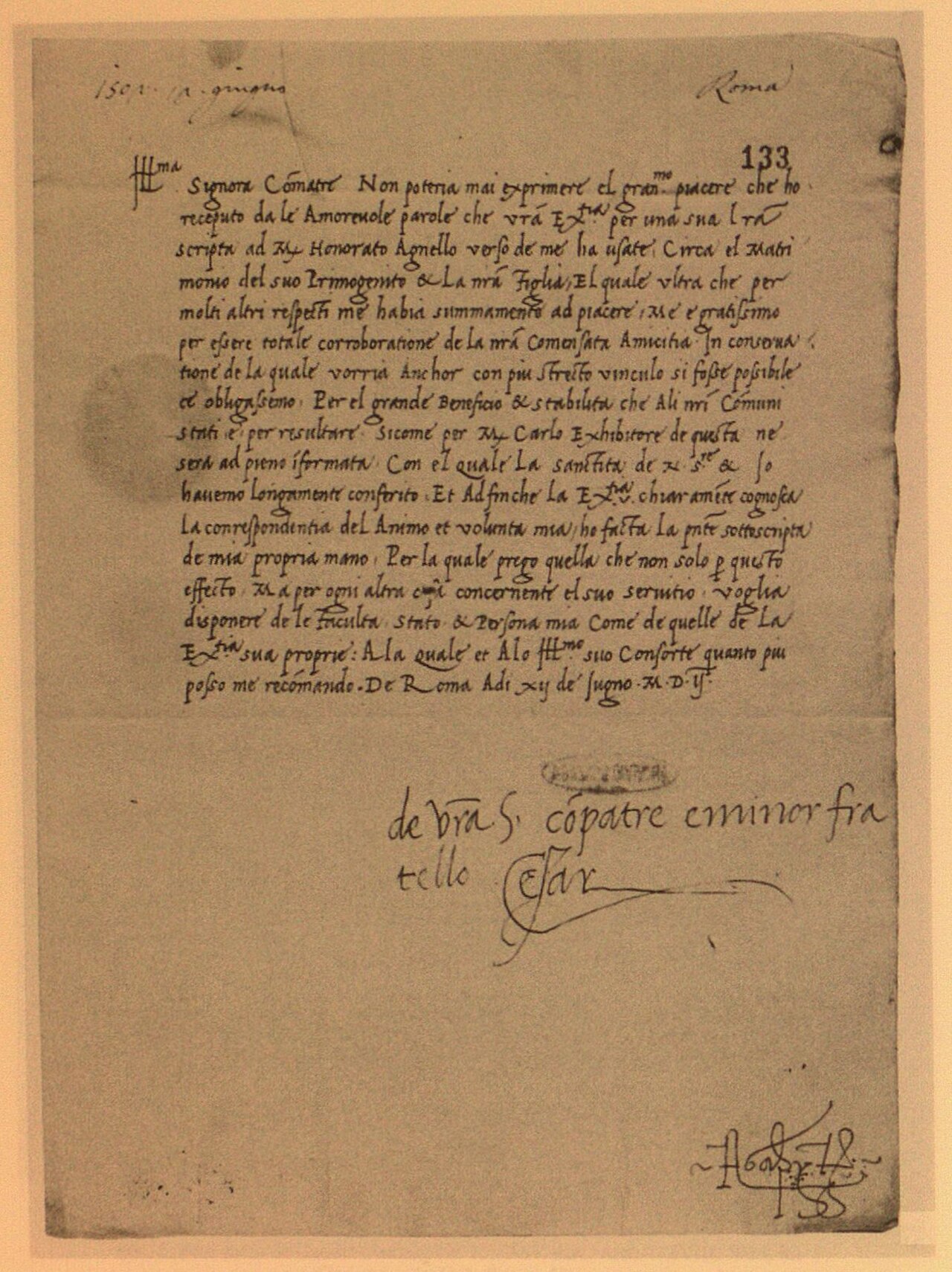
Safe-Conduct from Cesare Borgia
Cesare Borgia · 1502
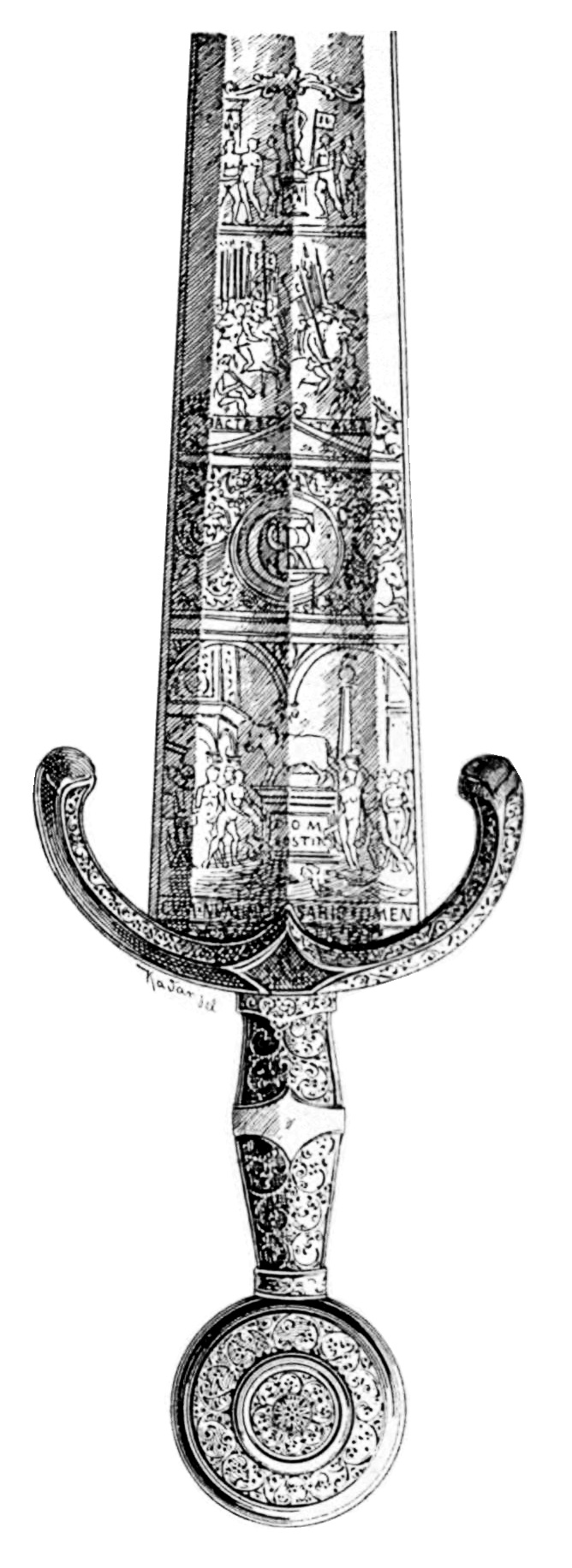
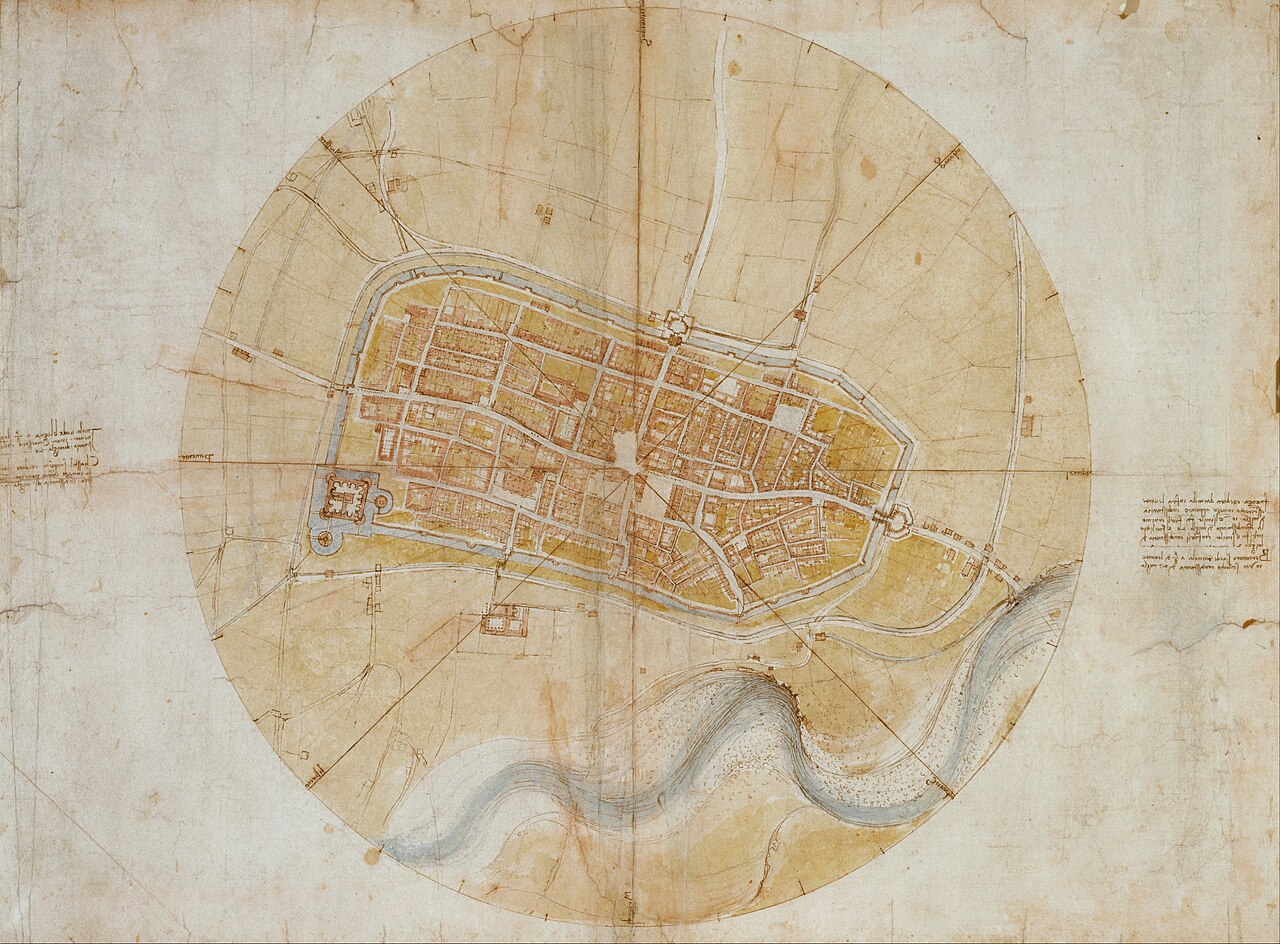 Artifact
Primary source
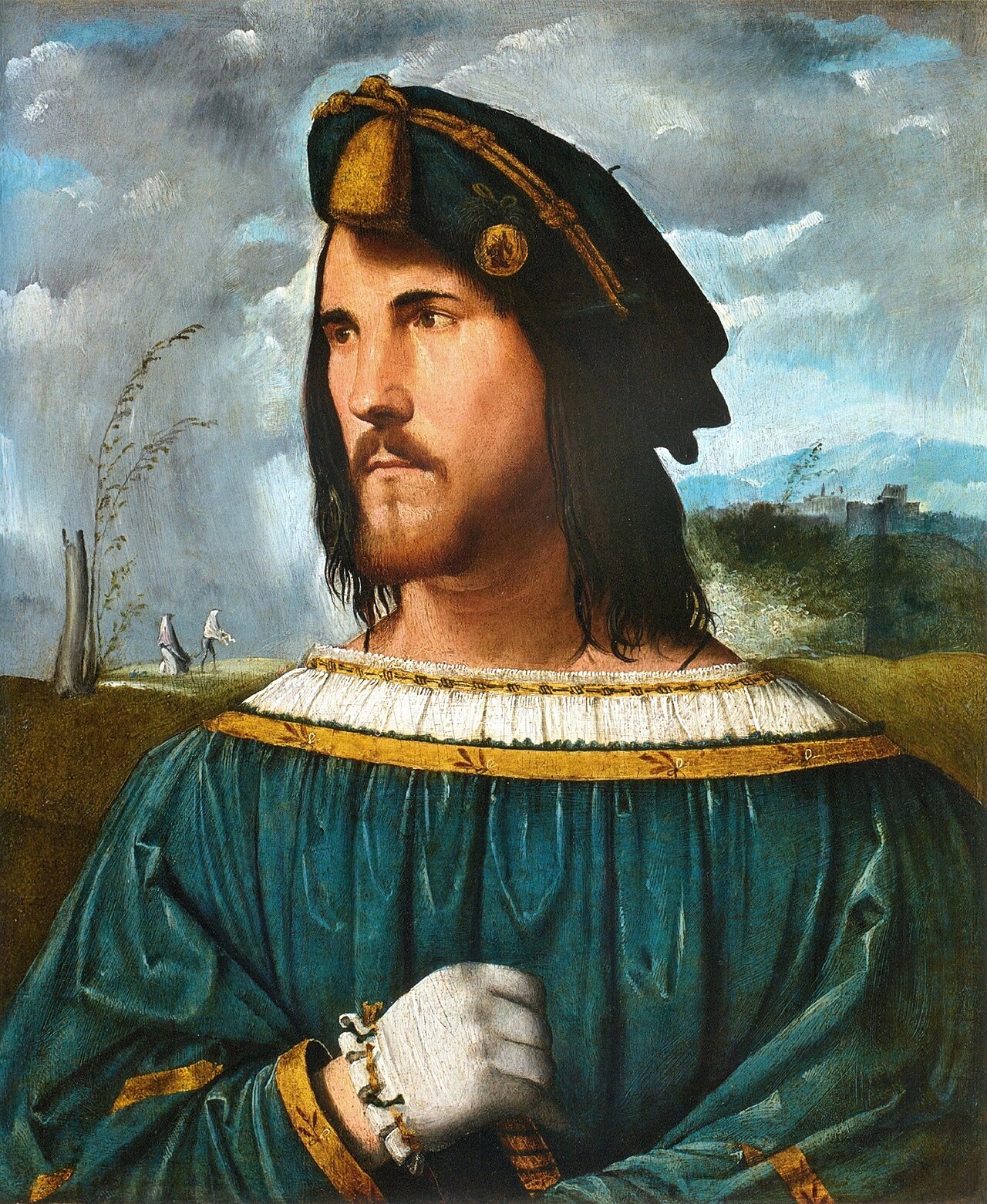
Leonardo da Vinci's Map of Imola
Leonardo da Vinci · 1502
Free account
Read every Cesare Borgia source
Sign up free →
Ready when you are
Start chatting with Cesare Borgia now.
20 messages free · No credit card · Available in 50+ languages.