


Secondary sourceArtifactstone castle built late 11th century; council held 1095
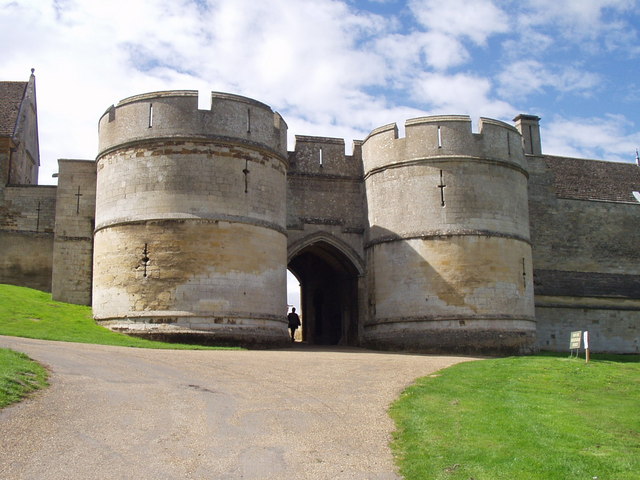
Rockingham Castle
stone castle built late 11th century; council held 1095
A royal castle where William II held the 1095 Council of Rockingham, his failed attempt to force Archbishop Anselm into submission.
William II rebuilt this castle in stone and held an unsuccessful 1095 council here with Archbishop Anselm.
Free Humy account · No credit card · 120,912 sources to read
About this source
What it is
Rockingham Castle in Northamptonshire began as a wooden motte-and-bailey built by William the Conqueror, then rebuilt in stone by William II within three decades. It served as a royal retreat and hunting lodge through the Norman and Plantagenet periods and is now a historic house museum.
Why it matters
In 1095 a church and state council was held at the castle, attended by William II and Anselm, Archbishop of Canterbury, over the issue of episcopal appointments. No resolution was reached, revealing the deep conflict between royal and church authority in Rufus's reign.
Look closer
- Why would a dispute over appointing bishops matter so much to a medieval king?
- What does it tell us that the council failed to settle anything between William and Anselm?
- How did the castle's purpose change after it stopped being a royal residence?
This artifact is part of the curated material that grounds the AI version of William II of England on Humy.ai — when students ask about related events, the AI can quote it and cite it.
More William II of England sources
Browse all 71 →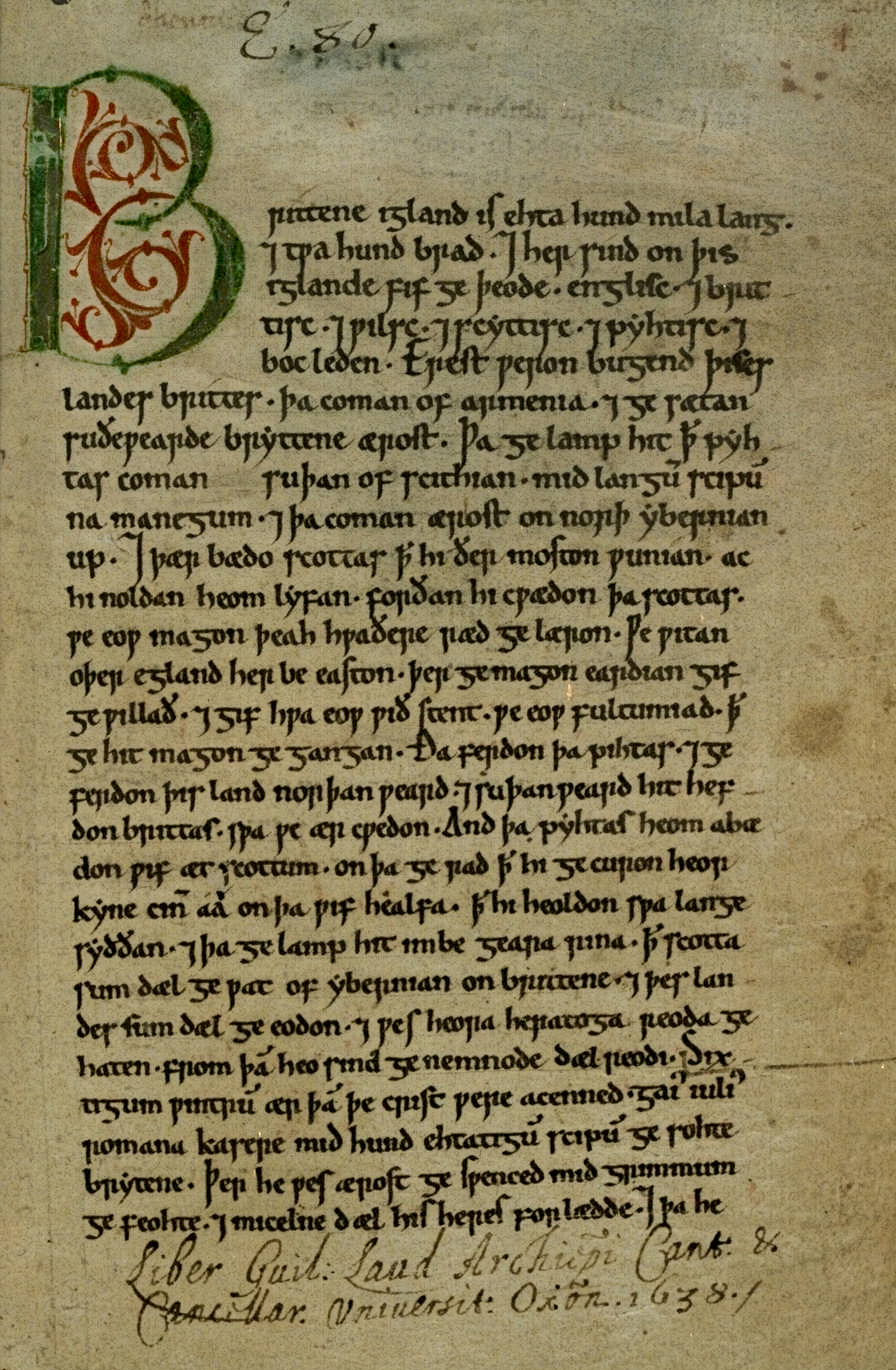 Book
Primary source
Peterborough Chronicle
c. 1130
 Artifact
Primary source
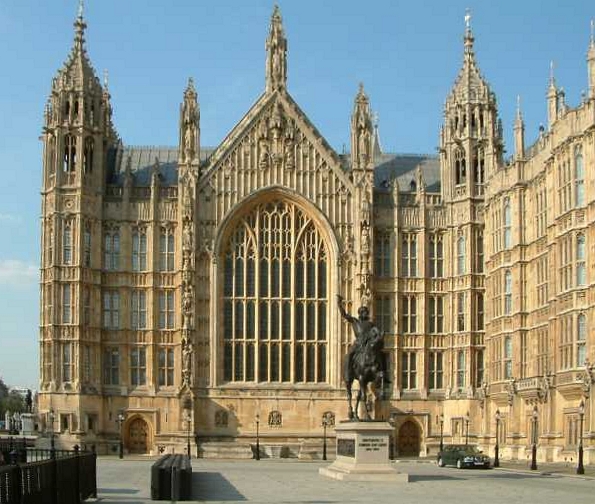
Westminster Hall
built 1097-1099, remodelled 1393
 Artifact
Primary source
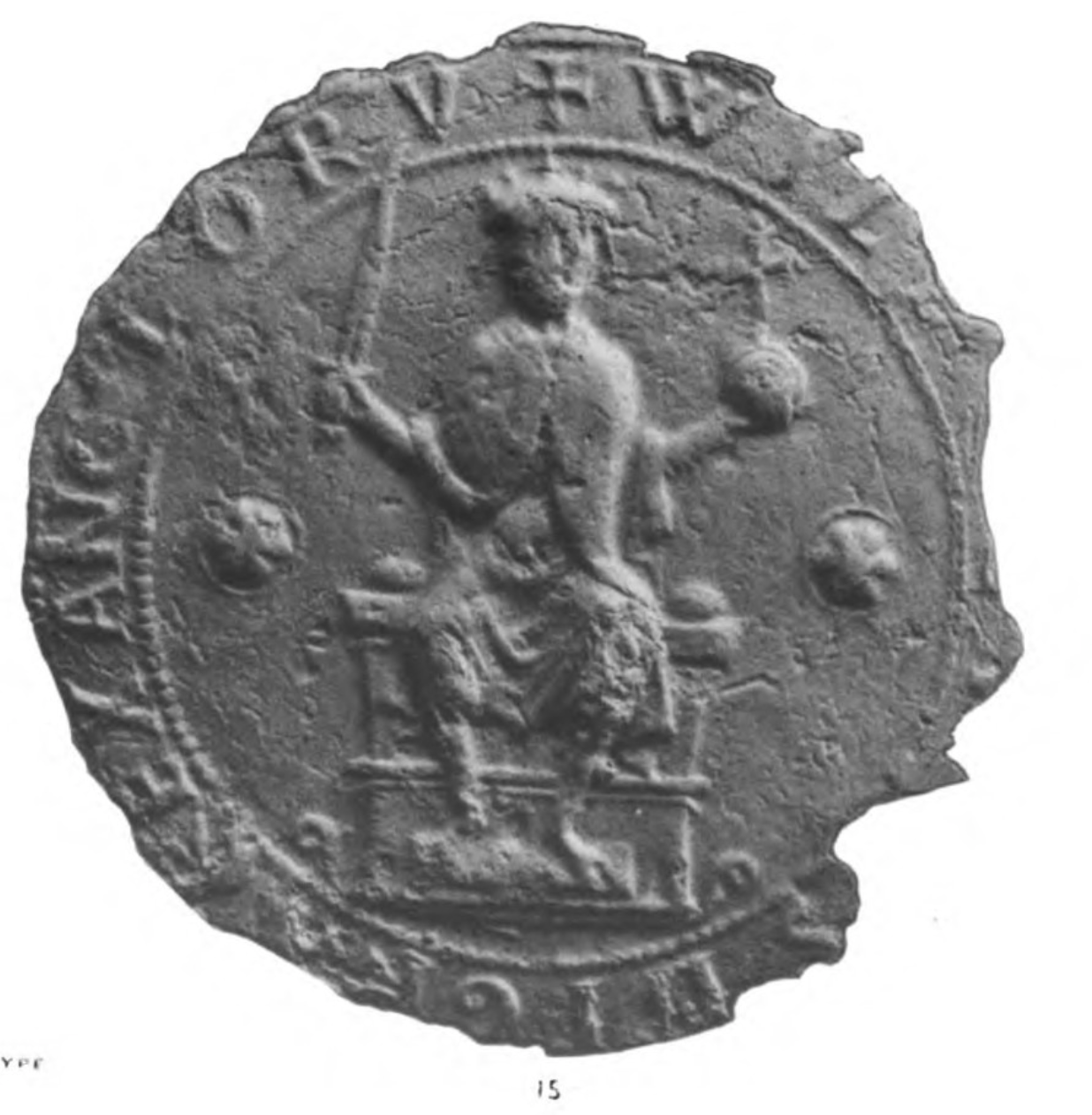
Great Seal of William II
Royal chancery of William II · c. 1087–1100
 Artifact
Primary source
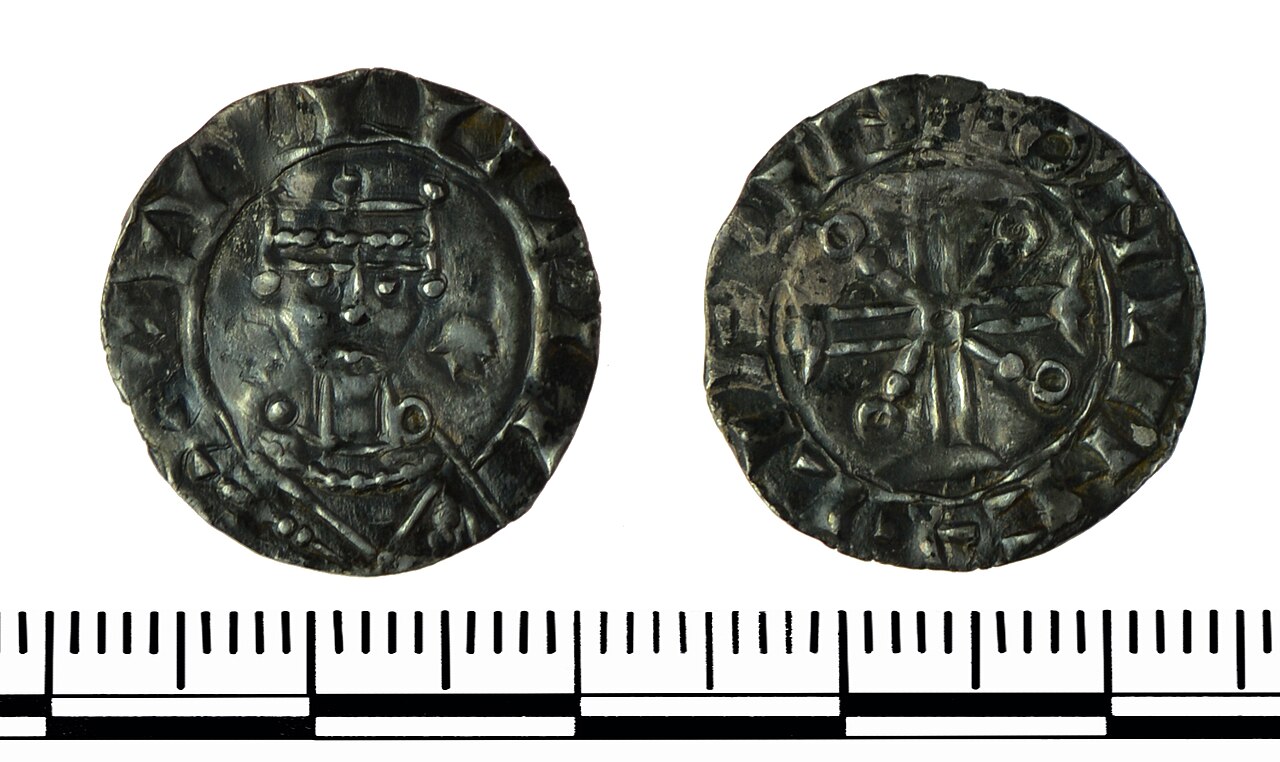
Silver pennies of William II
Royal moneyers under William II · 1087–1100
Free account
Read every William II of England source
Sign up free →
Ready when you are
Start chatting with William II of England now.
20 messages free · No credit card · Available in 50+ languages.