


Primary sourceDocument22 January 1973
Roe v. Wade
Supreme Court of the United States · 22 January 1973
The 1973 Supreme Court ruling legalizing abortion nationwide, which Schlafly called the worst decision in Supreme Court history and fought against for decades.
Schlafly called this ruling the worst in Supreme Court history, linking her anti-ERA and anti-abortion activism.
Free Humy account · No credit card · 53,307 sources to read
About this source
What it is
This is the Supreme Court's 1973 decision in Roe v. Wade, which ruled that the U.S. Constitution protects a pregnant woman's right to choose abortion before fetal viability. The case was brought by Norma McCorvey, known legally as "Jane Roe," against Dallas County district attorney Henry Wade. The 7–2 ruling struck down many state abortion laws and sparked lasting national debate.
Why it matters
Roe reshaped American politics, dividing parties and activists for decades. Phyllis Schlafly denounced it as the worst Supreme Court decision ever and connected her anti-ERA organizing with the growing anti-abortion movement, helping build the modern conservative coalition that opposed the ruling until it was overturned in 2022.
Look closer
- Why would a court ruling on privacy law become a flashpoint for activists on both sides for fifty years?
- What competing interests did the Court say it was trying to balance?
- How might someone's view of this document depend on their beliefs about rights, privacy, or government's role?
This document is part of the curated material that grounds the AI version of Phyllis Schlafly on Humy.ai — when students ask about related events, the AI can quote it and cite it.
More Phyllis Schlafly sources
Browse all 20 →Primary source
Equal Rights Amendment
Alice Paul and Crystal Eastman · 1923 (revised 1943; passed by Congress 1972)
 Photograph
Primary source
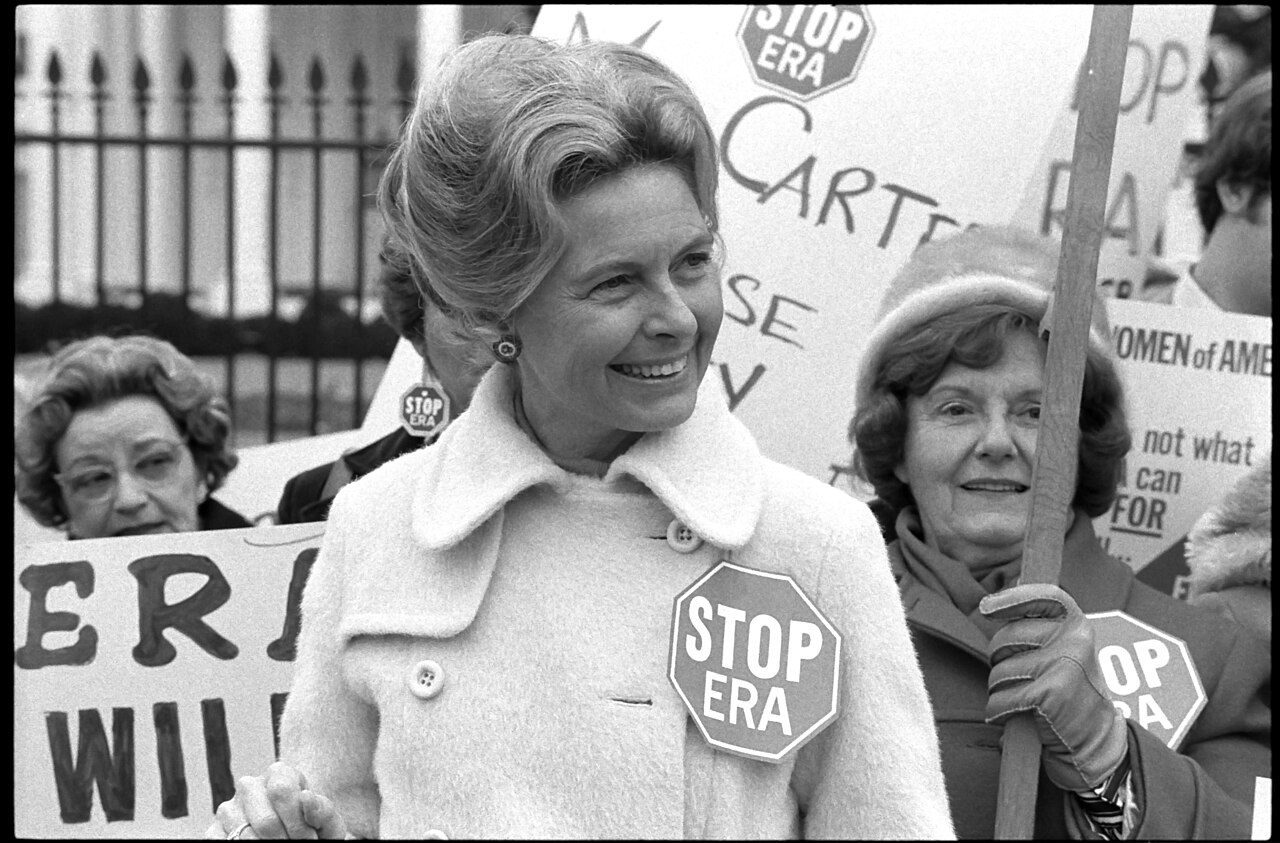
Phyllis Schlafly Demonstrating Against the ERA
Warren K. Leffler · 4 February 1977
 Photograph
Primary source
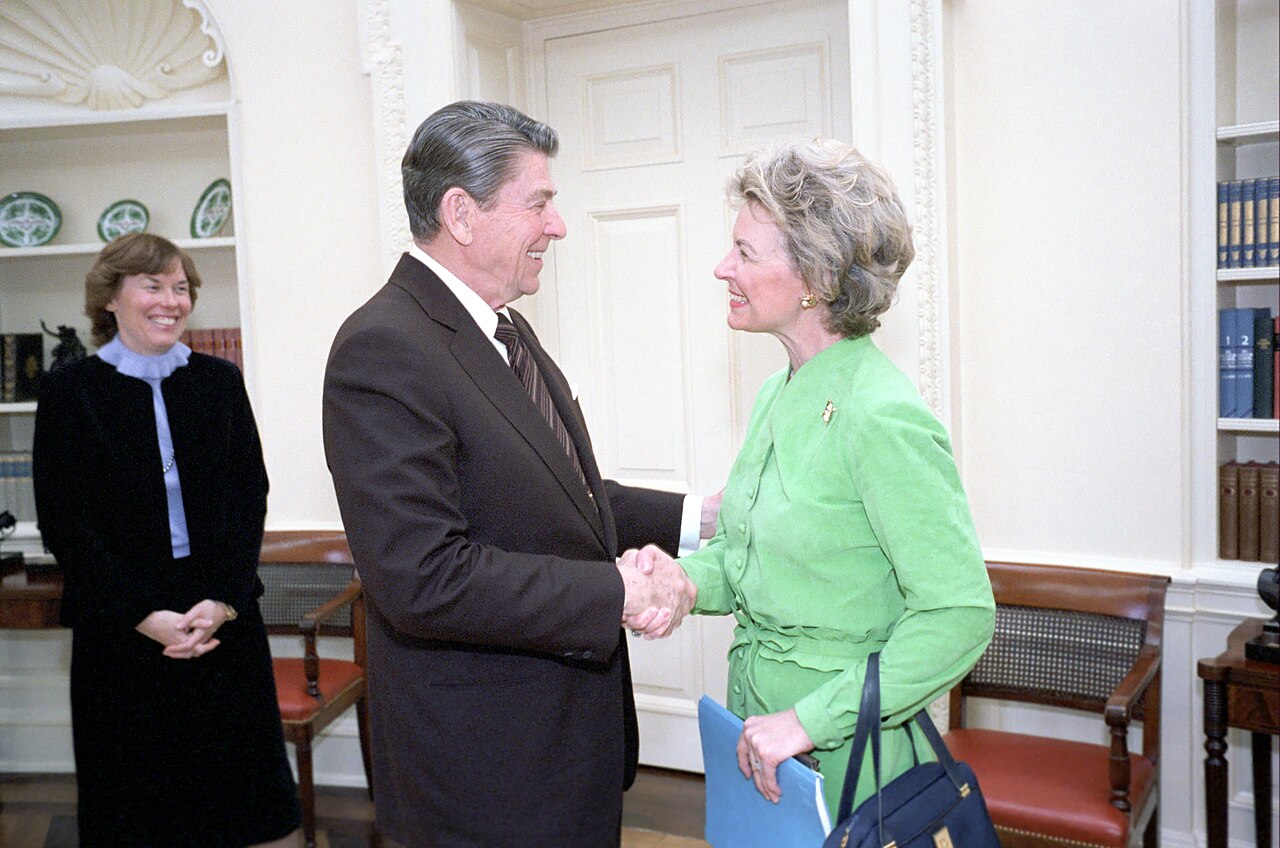
President Reagan Meeting with Phyllis Schlafly in the Oval Office
White House Photographic Office · 1981-1989
 Photograph
Primary source
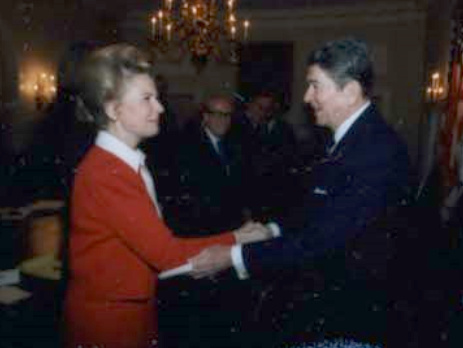
Phyllis Schlafly and Ronald Reagan
Pete Souza
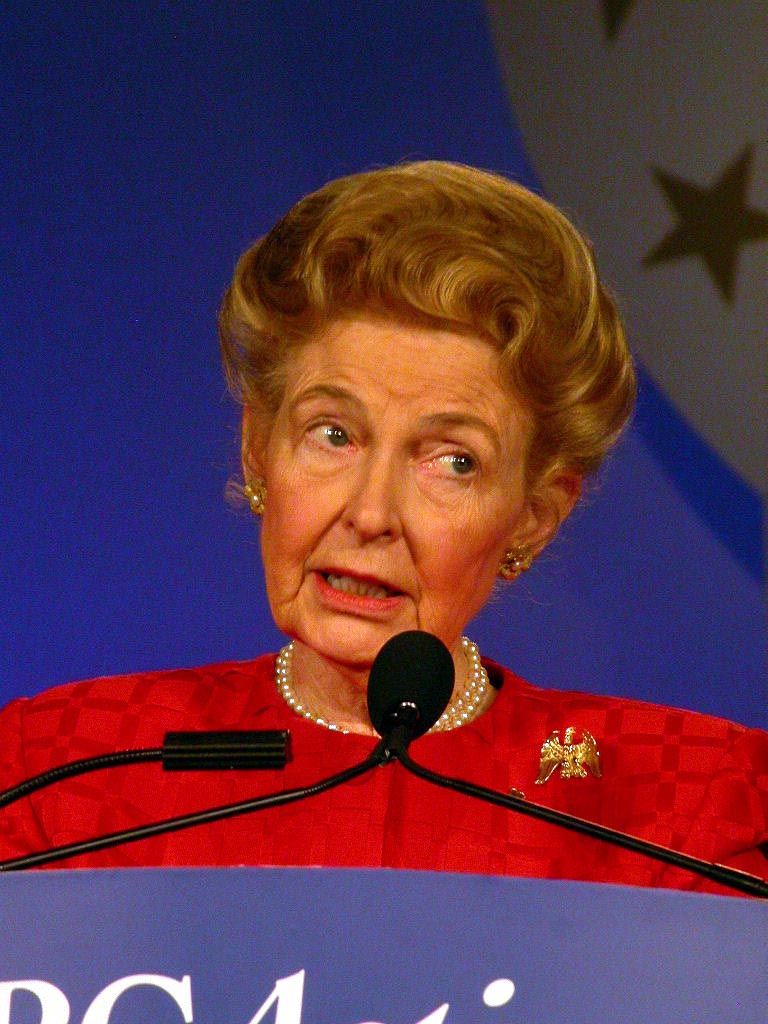
Free account
Browse every Phyllis Schlafly source
Sign up free →
Ready when you are
Start chatting with Phyllis Schlafly now.
20 messages free · No credit card · Available in 50+ languages.