


Secondary sourceSculpture
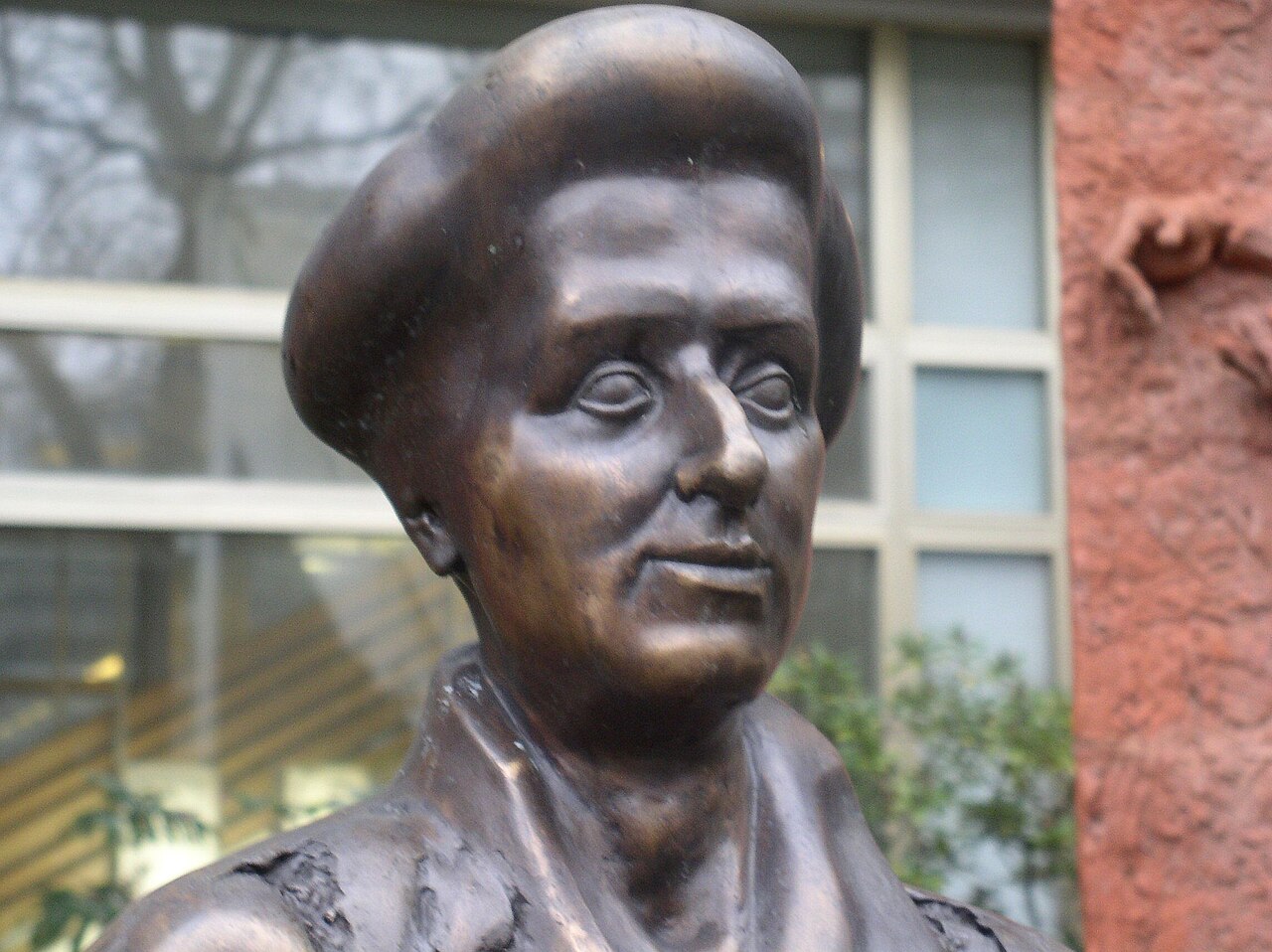
Rolf Biebl statue of Rosa Luxemburg, Friedrichshain
Rolf Biebl
A bronze head-and-shoulders sculpture of Luxemburg by Rolf Biebl, photographed in front of the Neues Deutschland building in Berlin-Friedrichshain. The date of the work is not known.
Shows how a later sculptor portrayed Luxemburg for a public place in Berlin.
About this source
What it is
This photograph shows a dark bronze head-and-shoulders sculpture of a woman. Her hair is swept up under a cap-like shape, and she turns to the side with a faint smile. Large windows and a red textured wall stand behind it. The Commons record says it is by Rolf Biebl and stands at Franz-Mehring-Platz in Friedrichshain, Berlin. The date of the work is not known from these facts.
Why it matters
Luxemburg (1871–1919) was a Polish-German Marxist revolutionary murdered in Berlin in 1919. Statues of her in public squares show how her image has been shaped and reshaped over time. Biebl's sculpture reflects the later choice to place her portrait in a city space, not the view of her contemporaries.
Look closer
- How does the sculptor show her expression and posture, and what impression does that give?
- Why might a statue be placed in front of a large building with windows?
- What does a single head-and-shoulders image leave out about her life and work?
This sculpture is part of the curated material that grounds the AI version of Rosa Luxemburg on Humy.ai — when students ask about related events, the AI can quote it and cite it.
More Rosa Luxemburg sources
Meet the AI Rosa Luxemburg →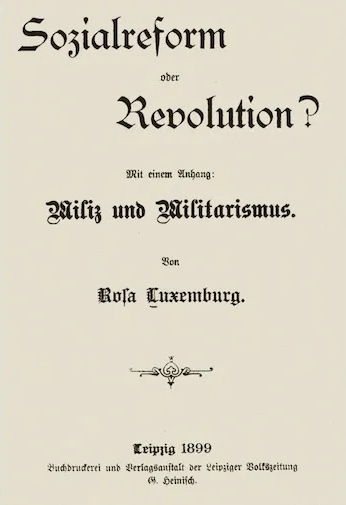 Book
Primary source
Social Reform or Revolution
Rosa Luxemburg · 1898-1899 (published 1899)
 Book
Primary source
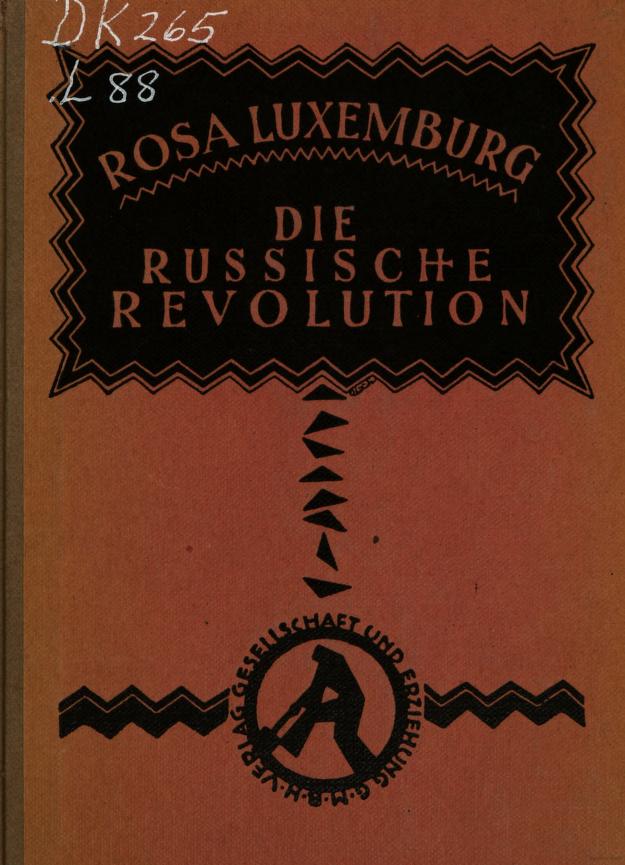
The Russian Revolution: A Critical Appreciation
Rosa Luxemburg · 1918 (published 1922)
 Book
Primary source
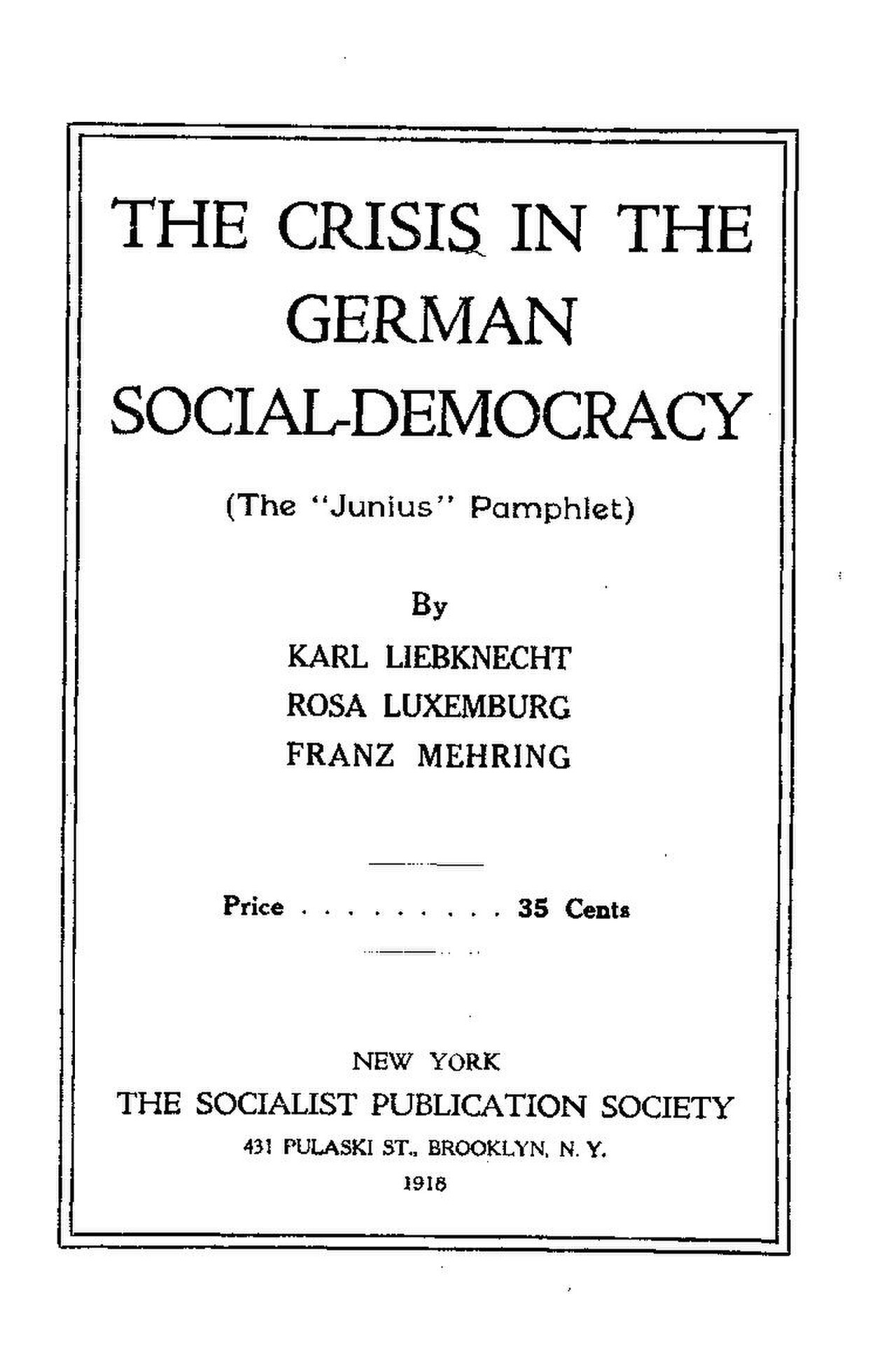
The Junius Pamphlet
Rosa Luxemburg · 1915 (published 1916)
Primary source
Was will der Spartakusbund?
Rosa Luxemburg · December 1918
 Book
Primary source
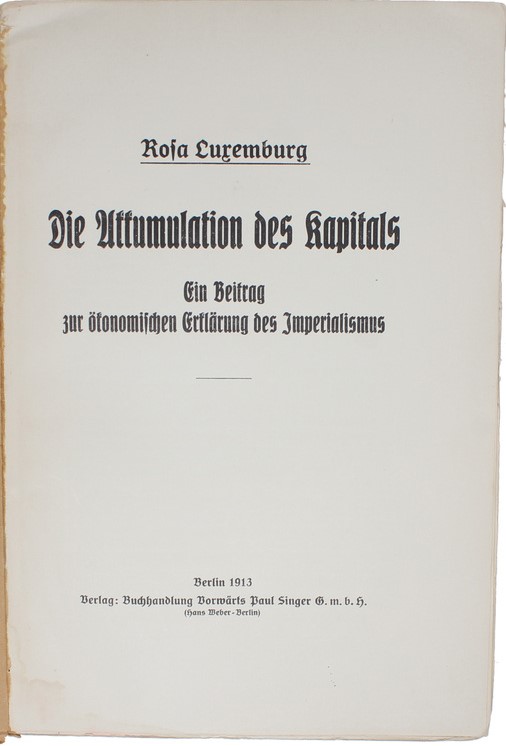
The Accumulation of Capital
Rosa Luxemburg · 1913
Ready when you are
Start chatting with Rosa Luxemburg now.
20 messages free · No credit card · Available in 50+ languages.