


Primary sourceSculpturec. 79
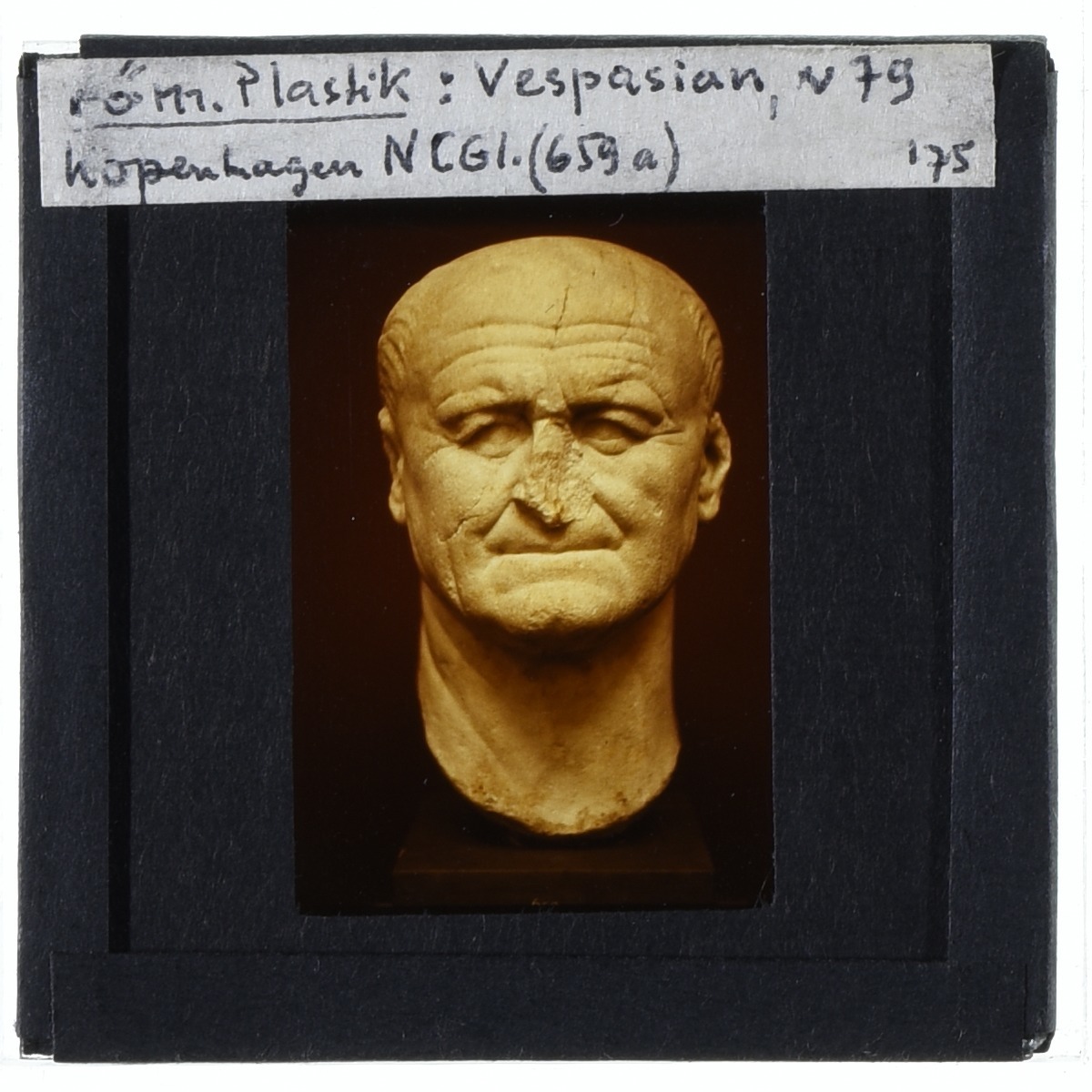
Roman Bust of Vespasian from Naples
c. 79
A lantern slide photograph of an ancient Roman marble bust believed to portray Vespasian, held in Naples.
This ancient bust is identified as a portrait of Vespasian himself, showing how he was depicted in sculpture.
About this source
What it is
This is a photographic lantern slide showing a Roman sculpted marble bust identified as Vespasian. The handwritten label on the slide notes it as a Roman sculpture of Vespasian, linked to a collection in Copenhagen. The slide is held in the media library of Humboldt University of Berlin.
Why it matters
Portrait busts like this were made to show emperors as recognisable public figures across the empire. This image gives students a sense of how Vespasian's appearance was recorded and circulated in antiquity, and how later scholars photographed and catalogued ancient sculpture for study.
Look closer
- What does the sculpted face suggest the artist wanted viewers to think about Vespasian's character?
- Why might ancient sculptors choose to show wrinkles and a stern expression rather than a flattering, youthful face?
- What is lost or changed when we see a sculpture only through an old photographic slide rather than in person?
This sculpture is part of the curated material that grounds the AI version of Vespasian on Humy.ai — when students ask about related events, the AI can quote it and cite it.
More Vespasian sources
Browse all 95 →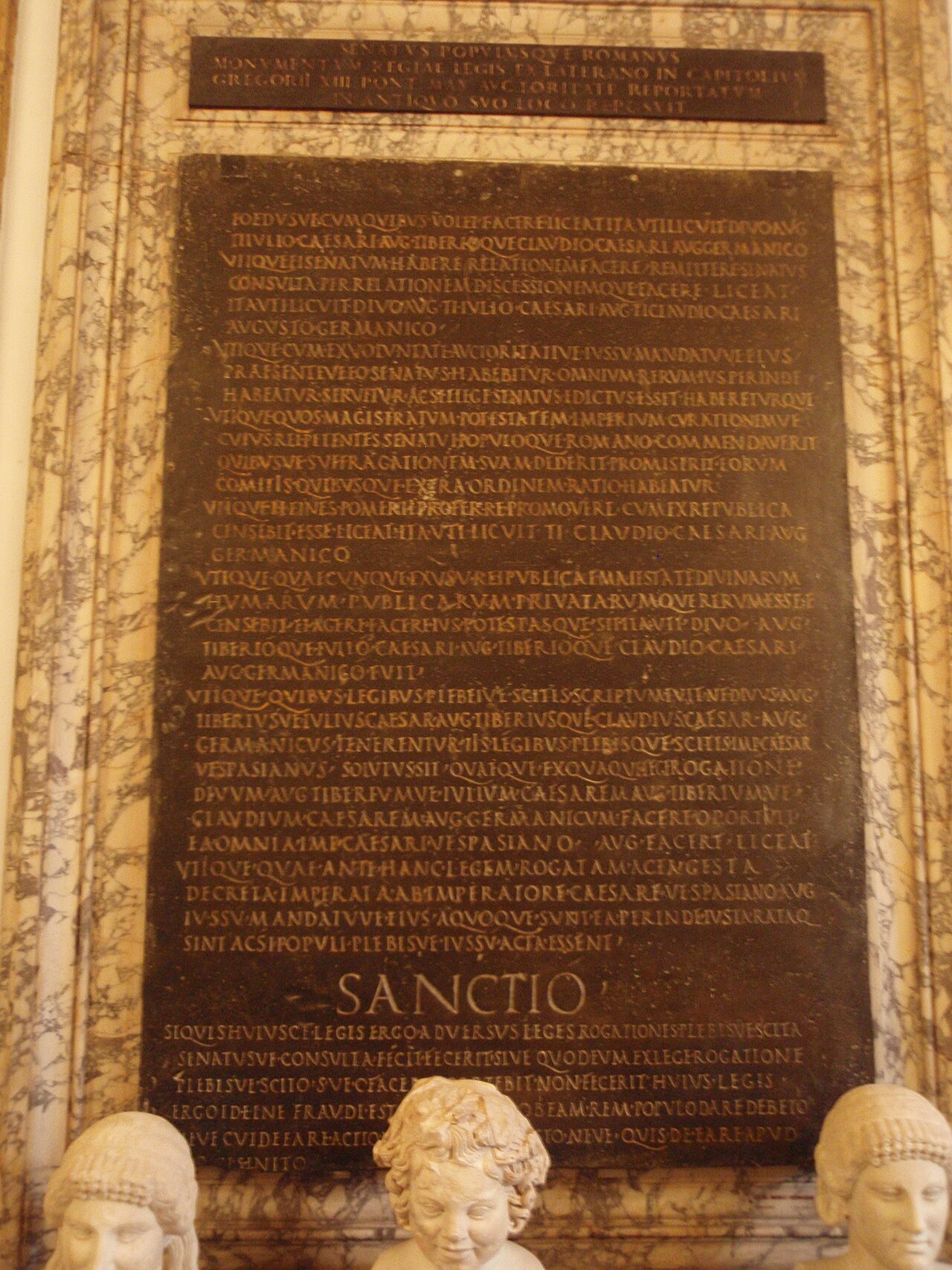 Document
Primary source
Lex de imperio Vespasiani
Roman Senate · AD 69–70
 Artifact
Primary source
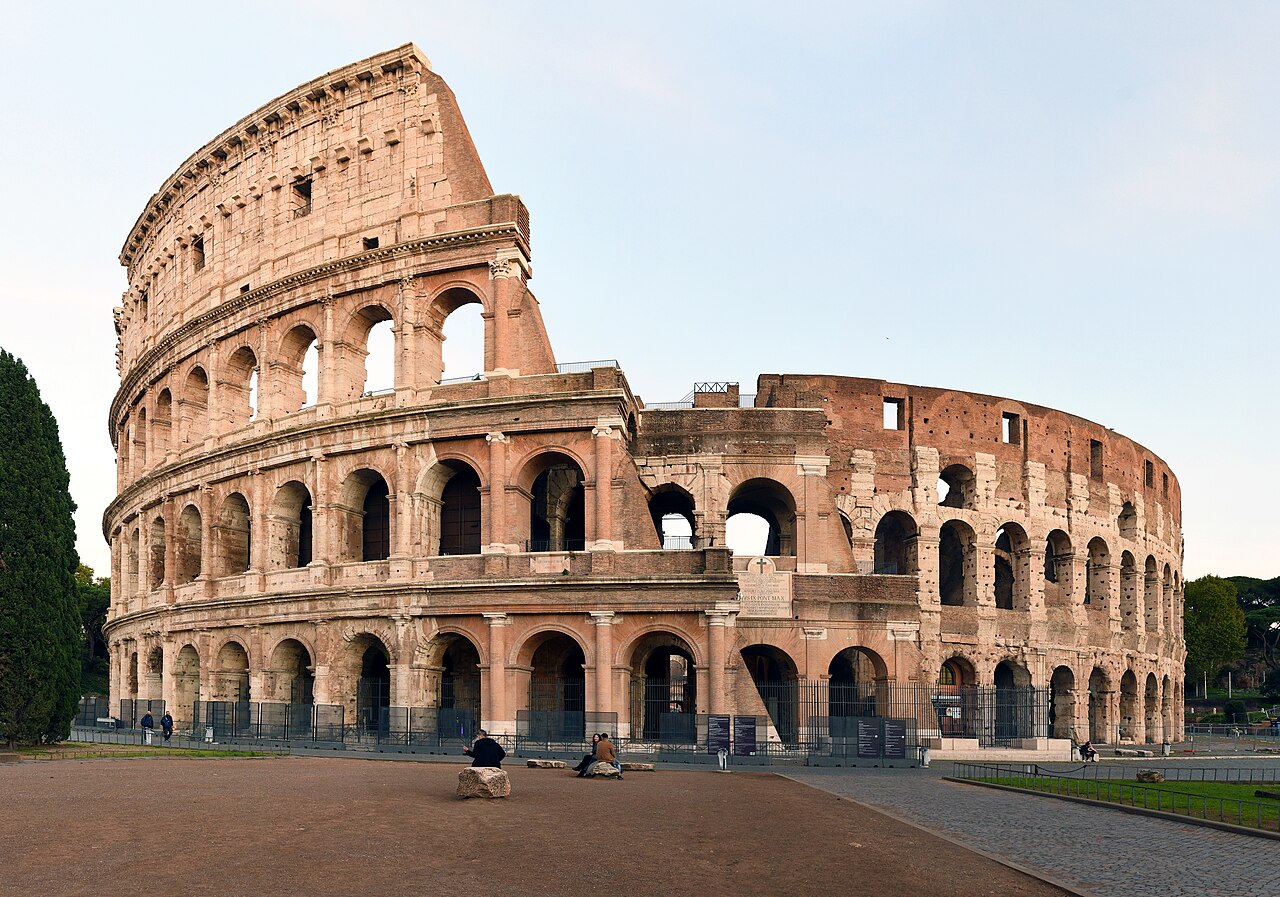
Colosseum
begun 72 AD, completed 80 AD
 Book
Secondary source
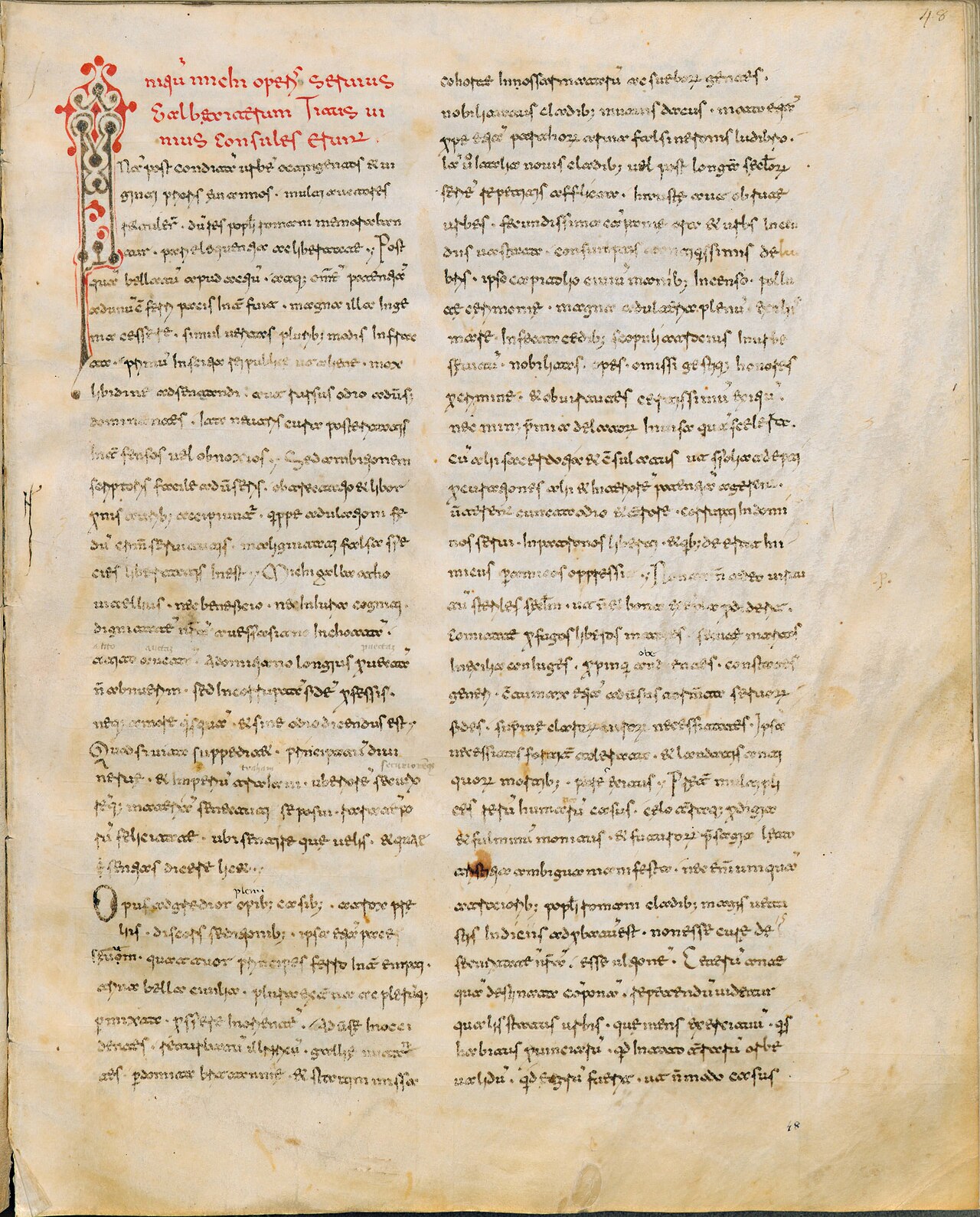
Histories
Tacitus · c. 100-110 AD
 Book
Secondary source
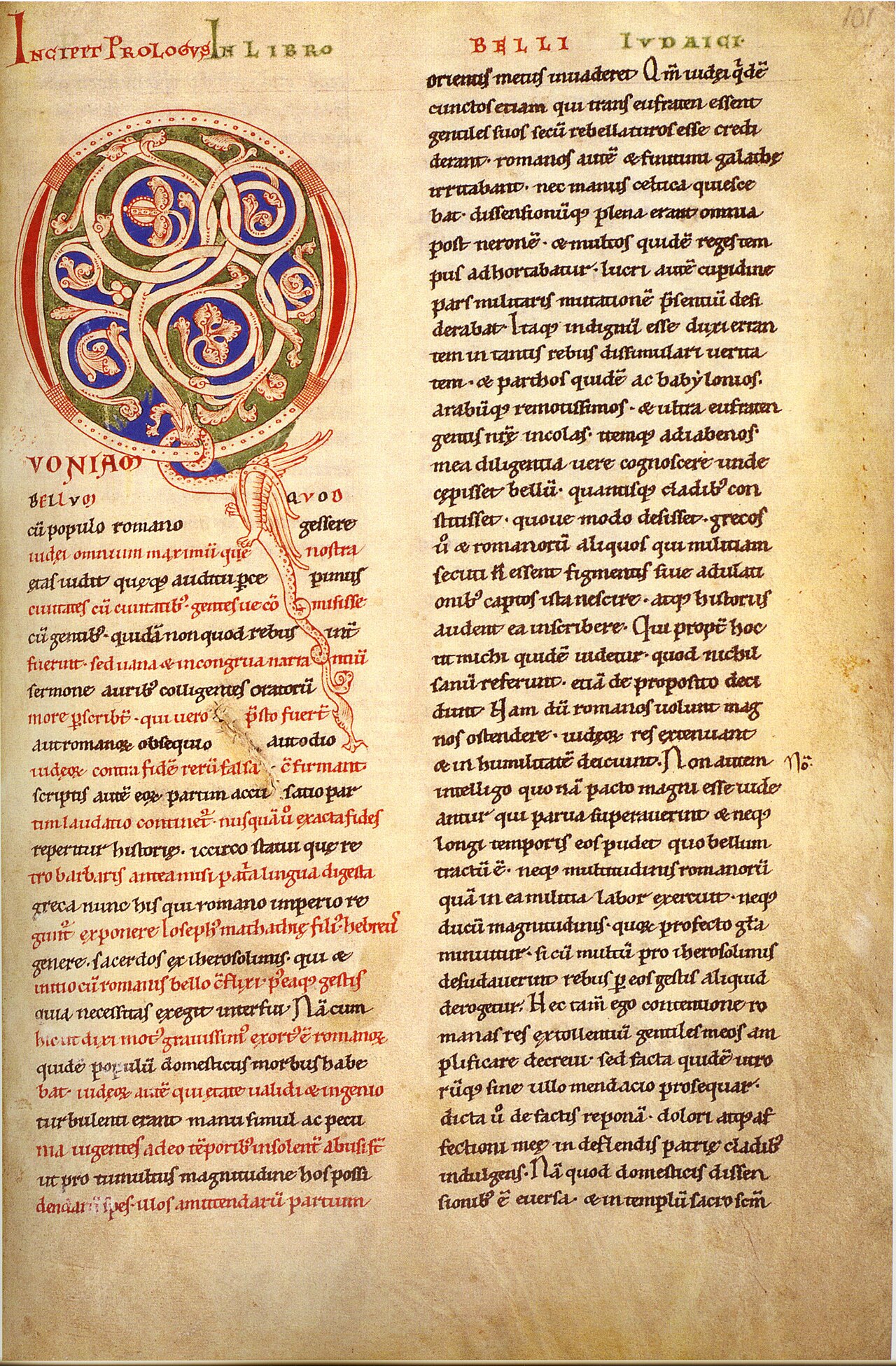
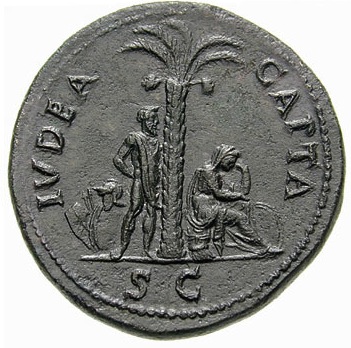
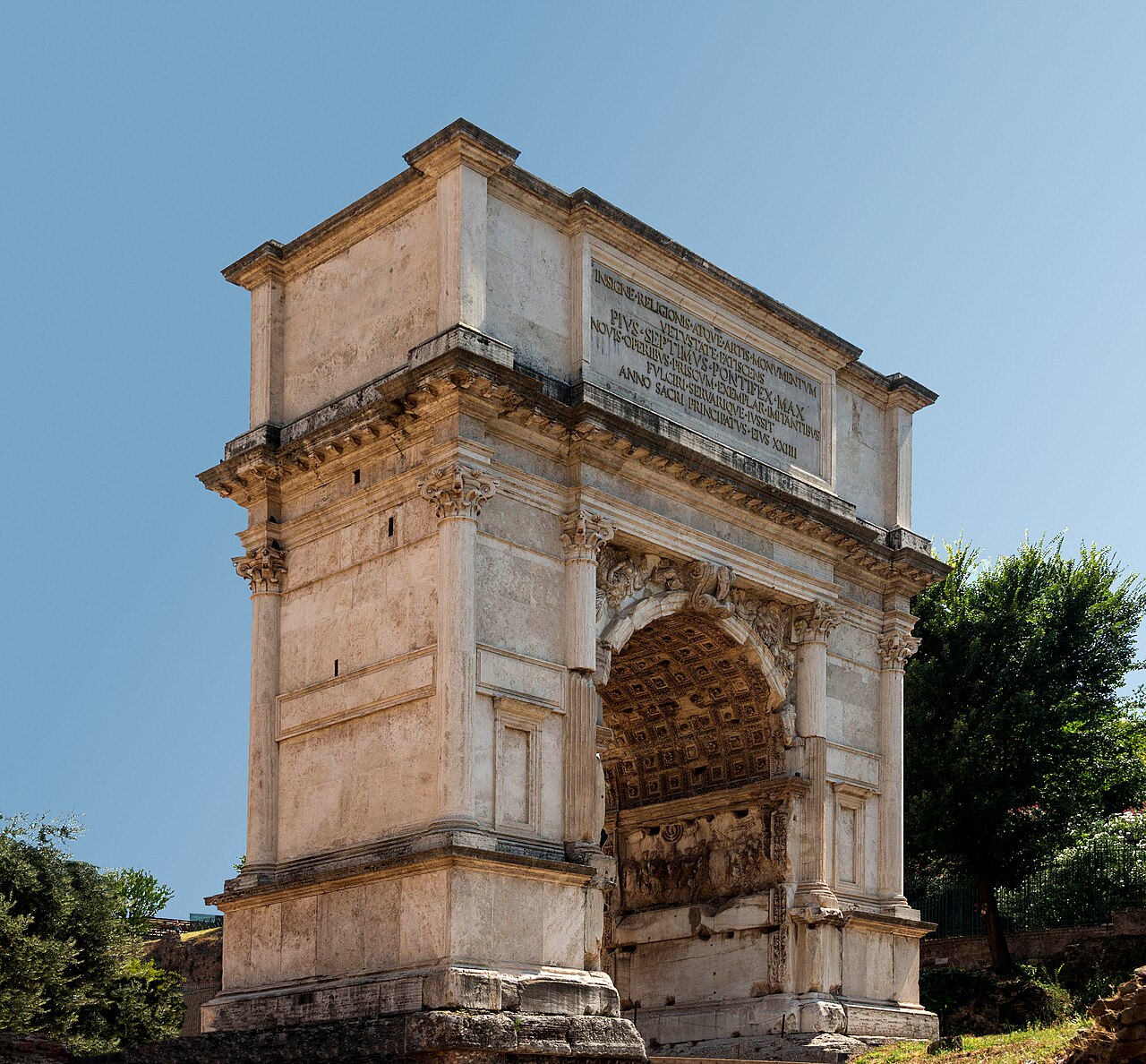
The Jewish War
Josephus · c. AD 75
Free account
Read every Vespasian source
Sign up free →
Ready when you are
Start chatting with Vespasian now.
20 messages free · No credit card · Available in 50+ languages.