


Secondary sourceBookbegun 1160, revised mid-1170s
Roman de Rou
Wace · begun 1160, revised mid-1170s
A verse chronicle of the Dukes of Normandy, written at the Angevin court whose prologue praises Eleanor of Aquitaine.
The poem's prologue praises Eleanor, showing her place in the Angevin court's literary patronage.
About this source
What it is
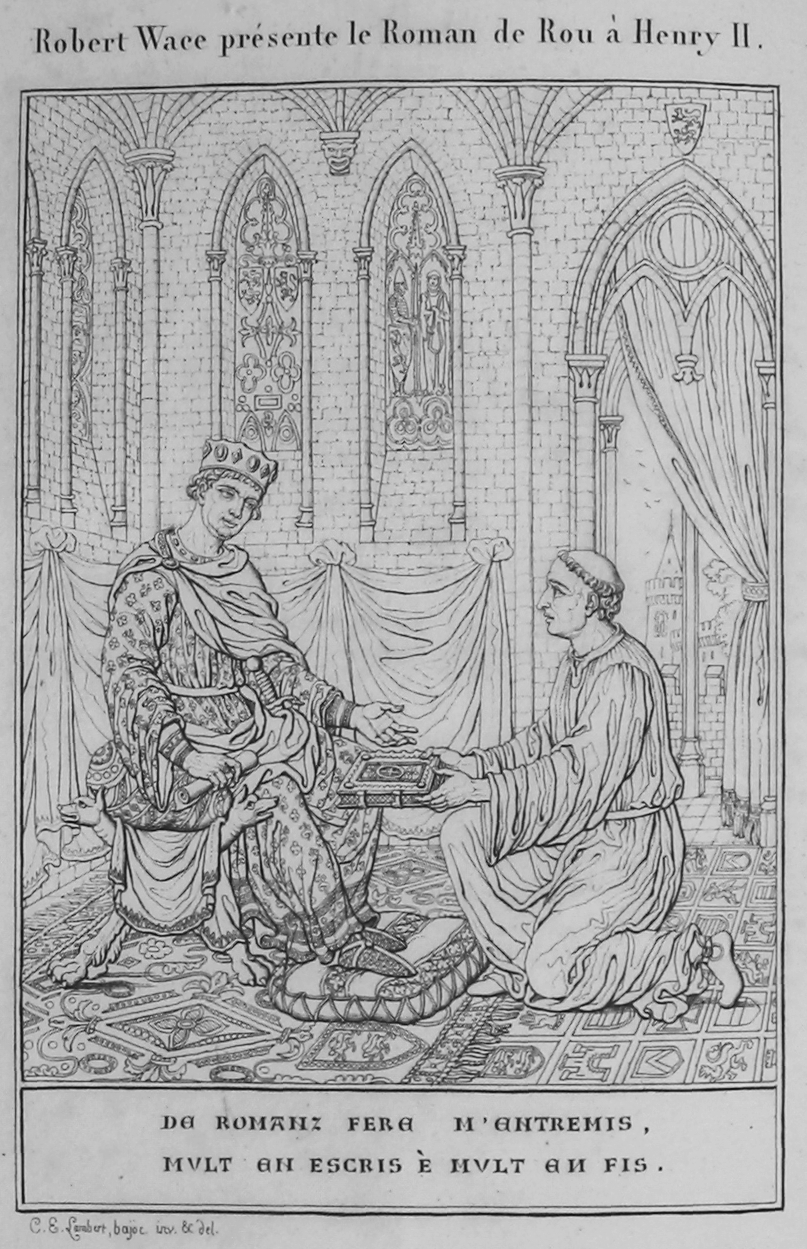
The Roman de Rou is a Norman-language verse history by the poet Wace, tracing the Dukes of Normandy from Rollo to the Battle of Tinchebray in 1106. Henry II of England commissioned it, and Wace began work around 1160, revising it into the 1170s.
Why it matters
Following his earlier success with the Roman de Brut, Wace was again supported by Henry II's court, and the work's prologue praises Queen Eleanor of Aquitaine, showing how the Angevin royal couple used poetry to celebrate their lineage and power. The Normans saw it as their national epic.
Look closer
- Why would a king want a written history of his ancestors?
- What does the engraving of Wace presenting his book tell you about the relationship between poets and kings?
- What might a chronicle written for a ruling family leave out?
This book is part of the curated material that grounds the AI version of Eleanor of Aquitaine on Humy.ai — when students ask about related events, the AI can quote it and cite it.
More Eleanor of Aquitaine sources
Meet the AI Eleanor of Aquitaine →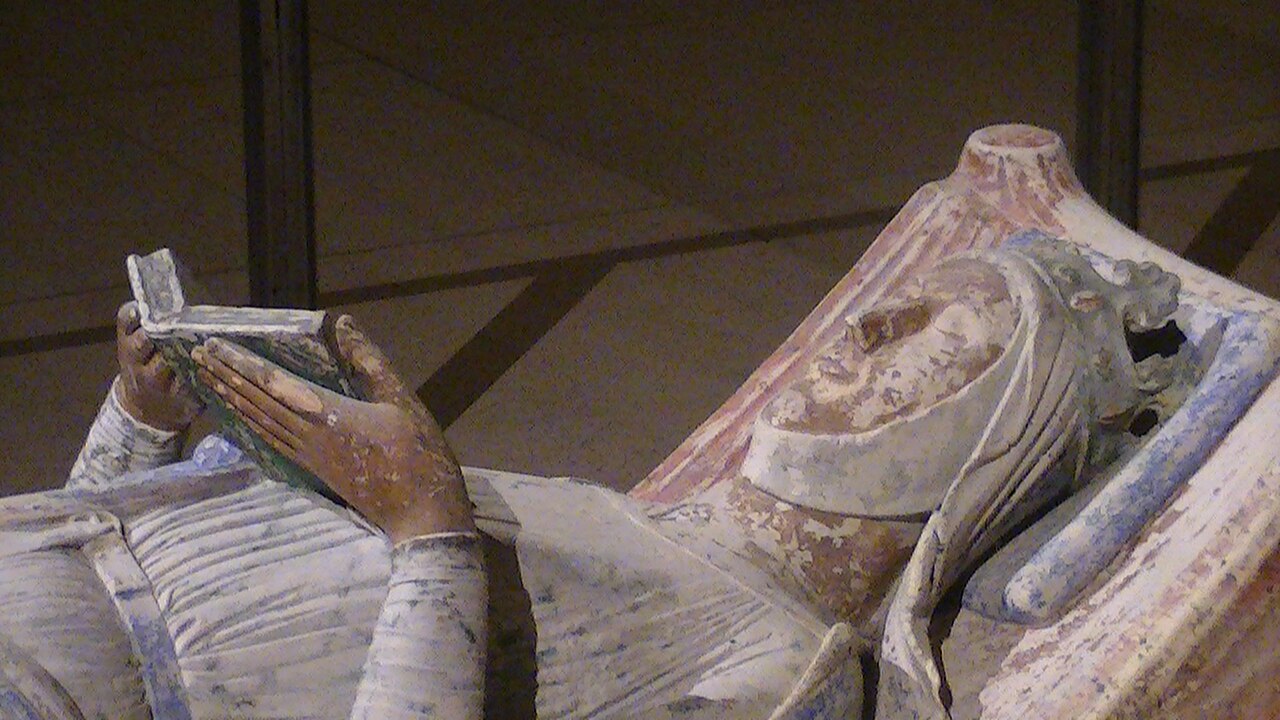 Sculpture
Primary source
Grave of Eleanor of Aquitaine
 Painting
Secondary source
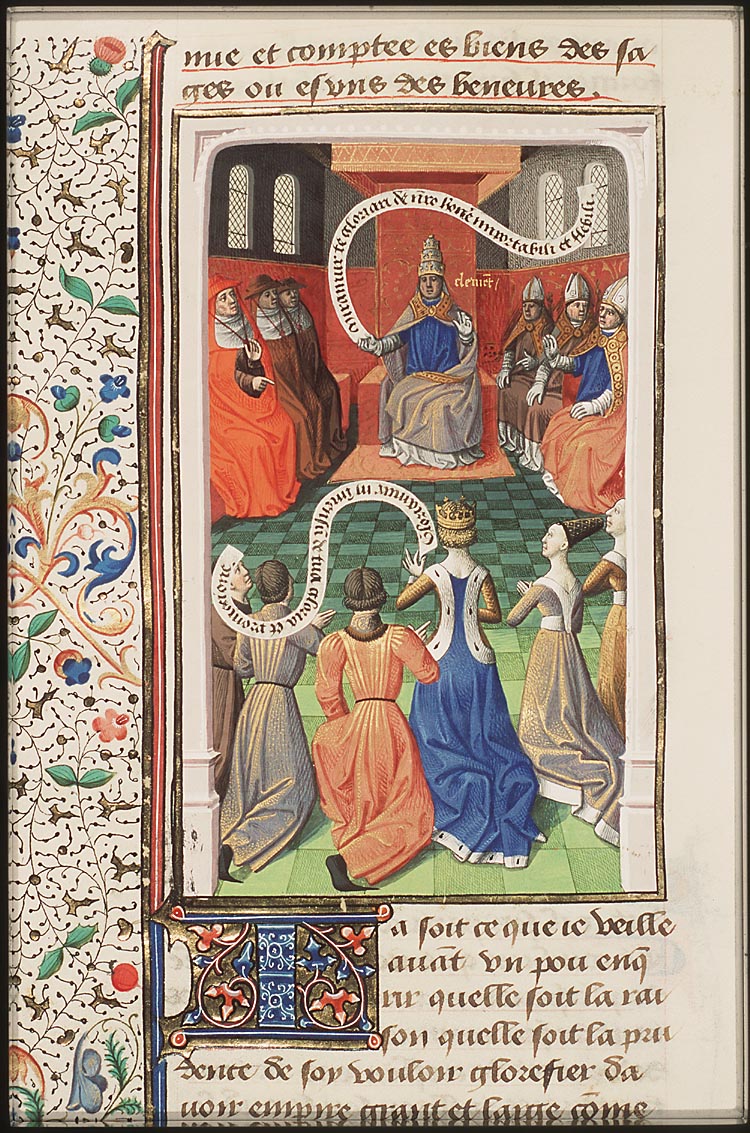
The Queen of England, Eleanor of Aquitaine, before Pope Clement III
Maïtre François
 Artifact
Primary source
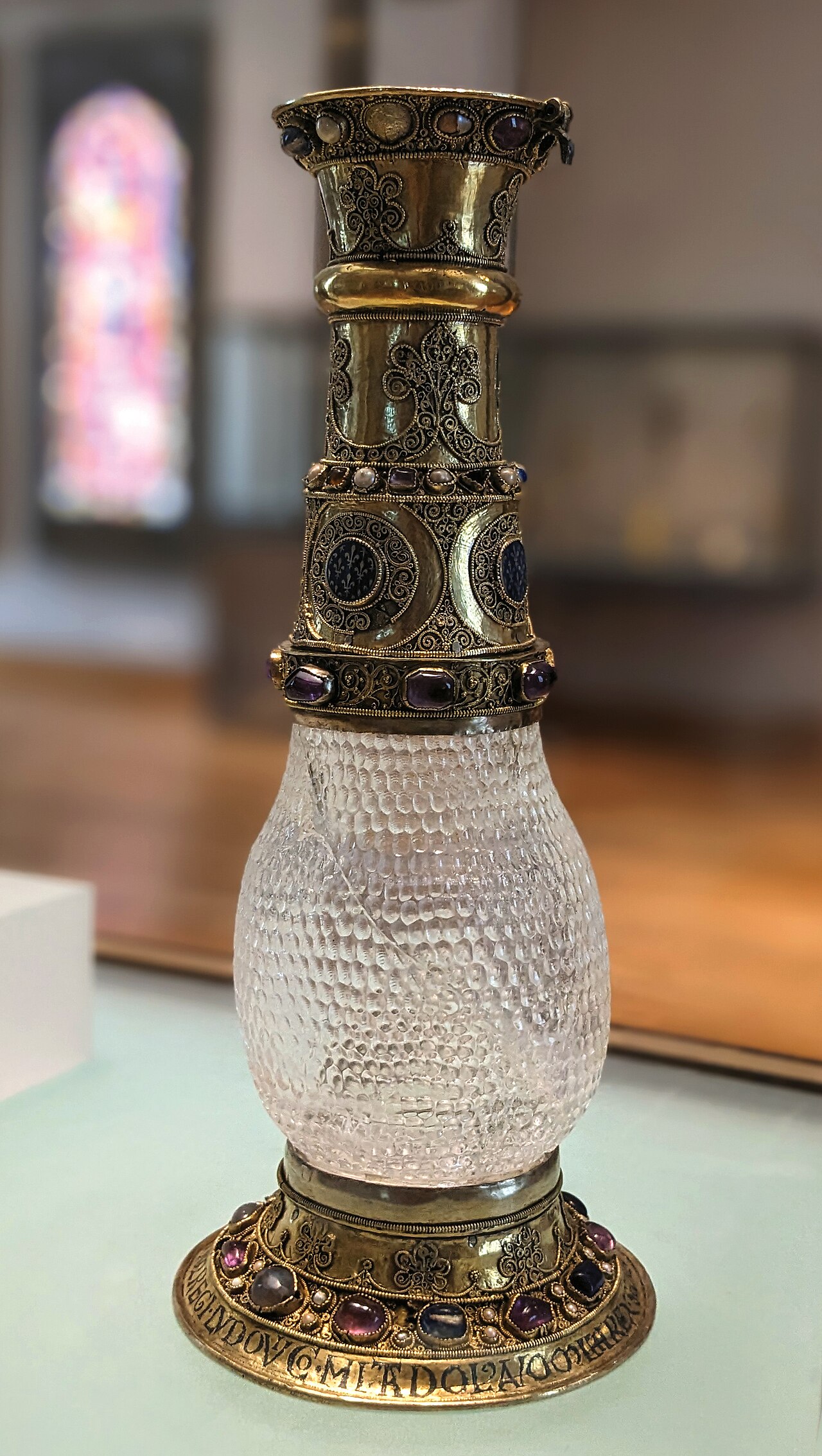
Crystal Vase of Eleanor of Aquitaine
c. 600 (object), given in the 12th century
 Artifact
Primary source
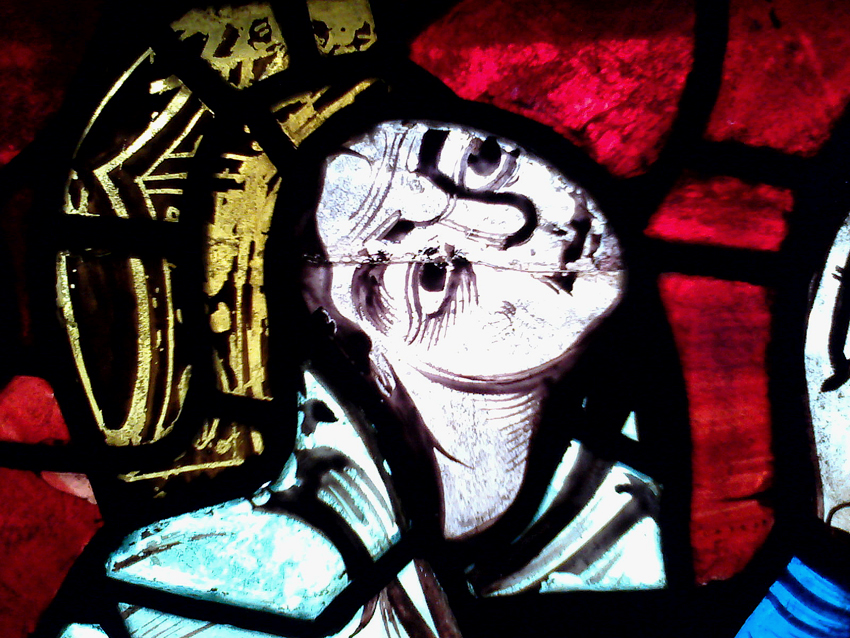
Crucifixion Window of Poitiers Cathedral
c. 1165-1170
 Book
Primary source
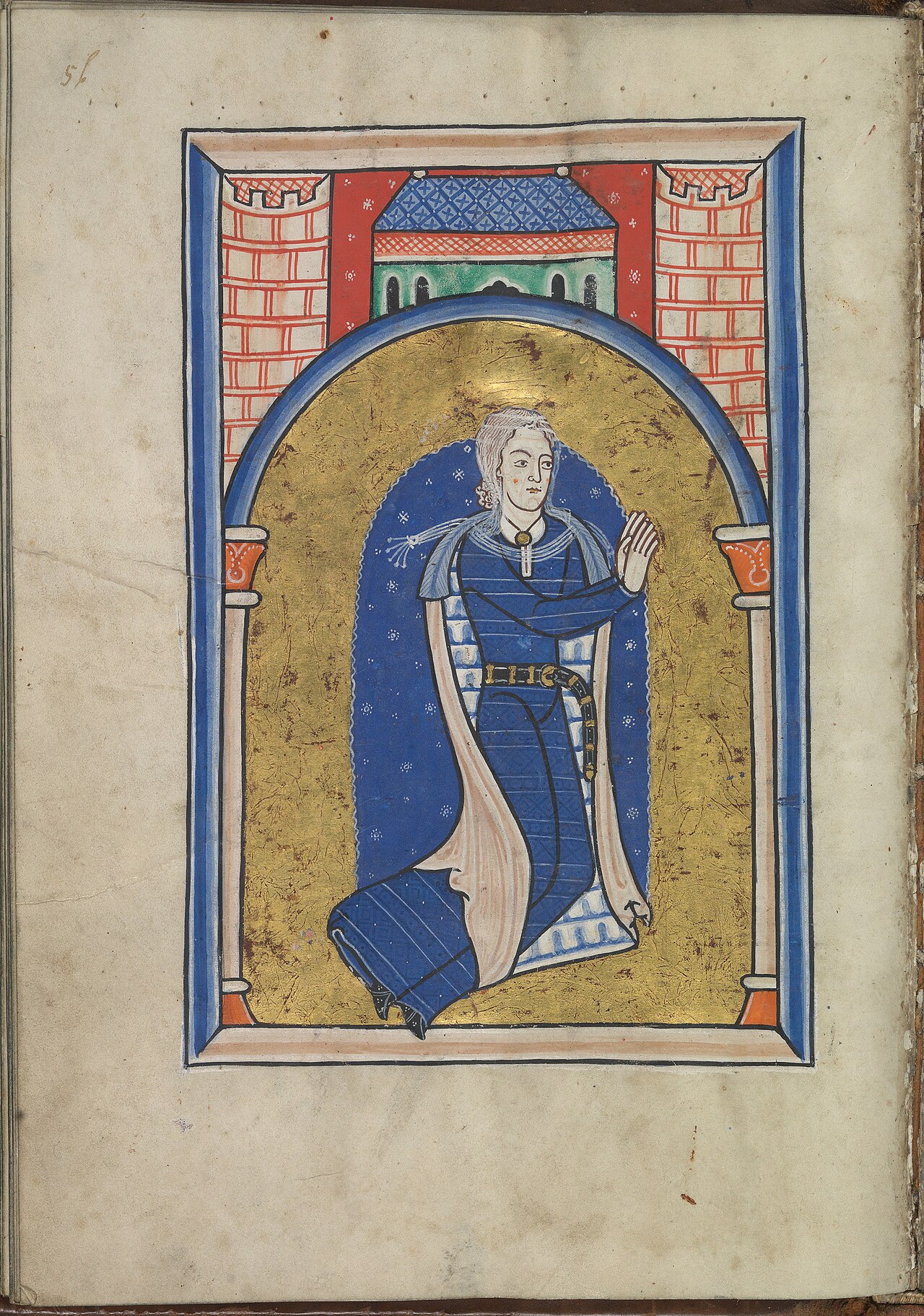
Psalter of Eleanor of Aquitaine
c. 1180
Ready when you are
Start chatting with Eleanor of Aquitaine now.
20 messages free · No credit card · Available in 50+ languages.