


Secondary sourceArtifact
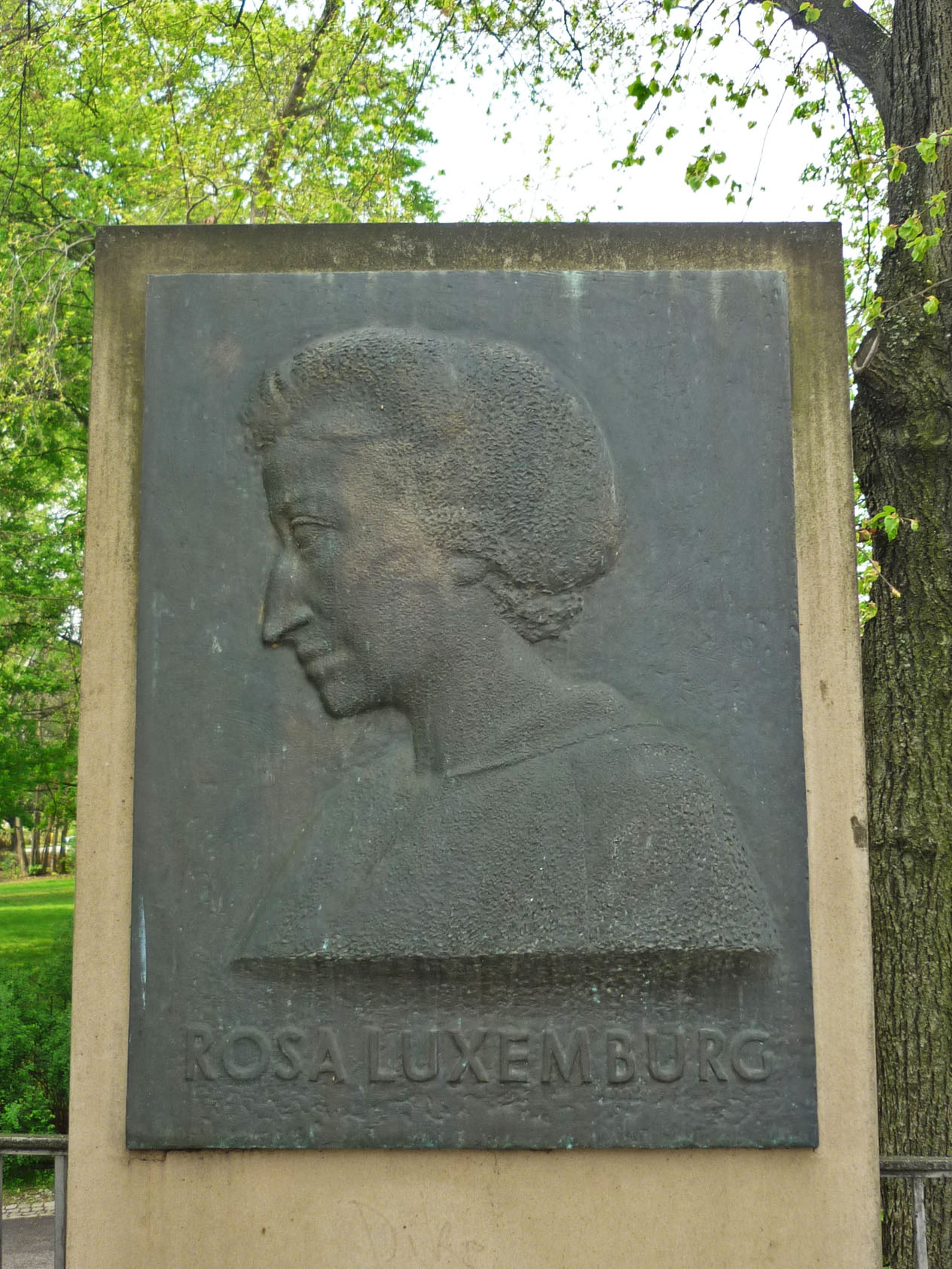
Rosa Luxemburg stele, Dresden
A stone stele in Dresden with a bronze relief portrait plaque of Rosa Luxemburg, photographed in 2014. It is a later memorial marker.
A later Dresden memorial marker that shows how Luxemburg is remembered through portrait plaques in public places.
About this source
What it is
This photograph by SchiDD, taken in 2014 and shared on Wikimedia Commons, shows a stele in a Dresden park. A bronze relief portrait of a woman in profile is set on a light stone stele. The name ROSA LUXEMBURG is cast in capital letters below the bust. The facts do not name the sculptor or give the date the plaque was made.
Why it matters
Luxemburg was a Polish-German Marxist revolutionary who died in 1919. Markers like this one were made long after her lifetime to keep her name in public view. The plaque shows the way later people chose to picture her, in profile and in a simple bronze relief. It is a memorial, so it reflects later memory rather than her own voice.
Look closer
- What does the profile portrait show about how the woman is dressed and styled, and what does the plain stone suggest?
- Why might a memorial use a profile rather than a face turned to the viewer?
- What would you need to know about the plaque's makers and date to judge what it tells us?
This artifact is part of the curated material that grounds the AI version of Rosa Luxemburg on Humy.ai — when students ask about related events, the AI can quote it and cite it.
More Rosa Luxemburg sources
Meet the AI Rosa Luxemburg →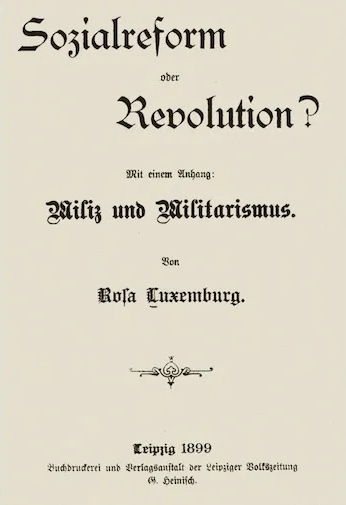 Book
Primary source
Social Reform or Revolution
Rosa Luxemburg · 1898-1899 (published 1899)
 Book
Primary source
The Russian Revolution: A Critical Appreciation
Rosa Luxemburg · 1918 (published 1922)
 Book
Primary source
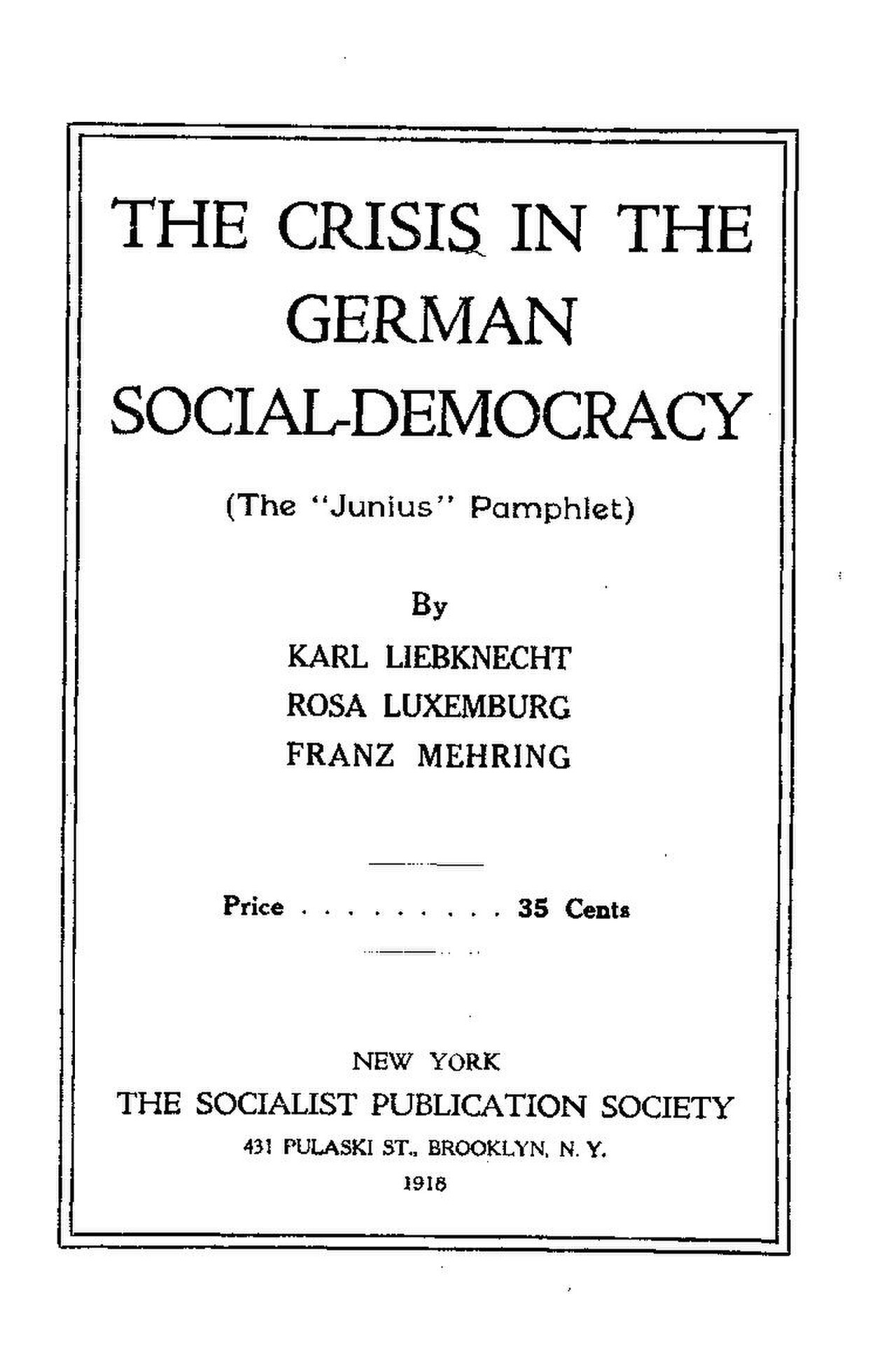
The Junius Pamphlet
Rosa Luxemburg · 1915 (published 1916)
Primary source
Was will der Spartakusbund?
Rosa Luxemburg · December 1918
 Book
Primary source
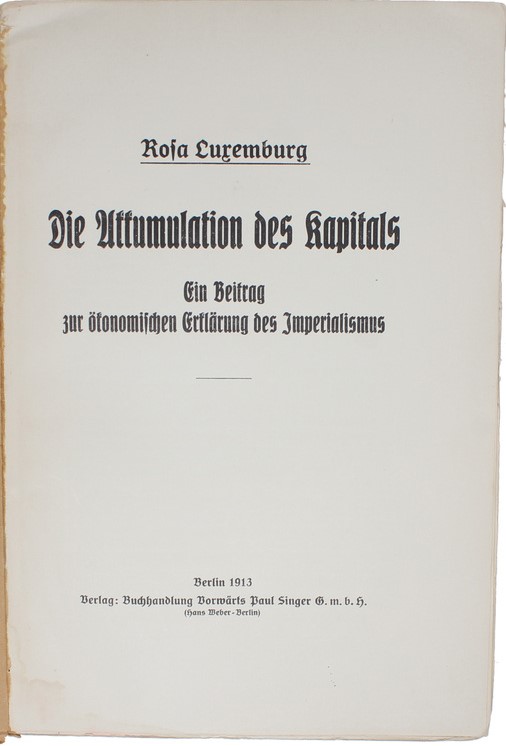
The Accumulation of Capital
Rosa Luxemburg · 1913
Ready when you are
Start chatting with Rosa Luxemburg now.
20 messages free · No credit card · Available in 50+ languages.