


Primary sourceDocumentc. 1692
Roth Mallor's Work
Isaac Newton · c. 1692
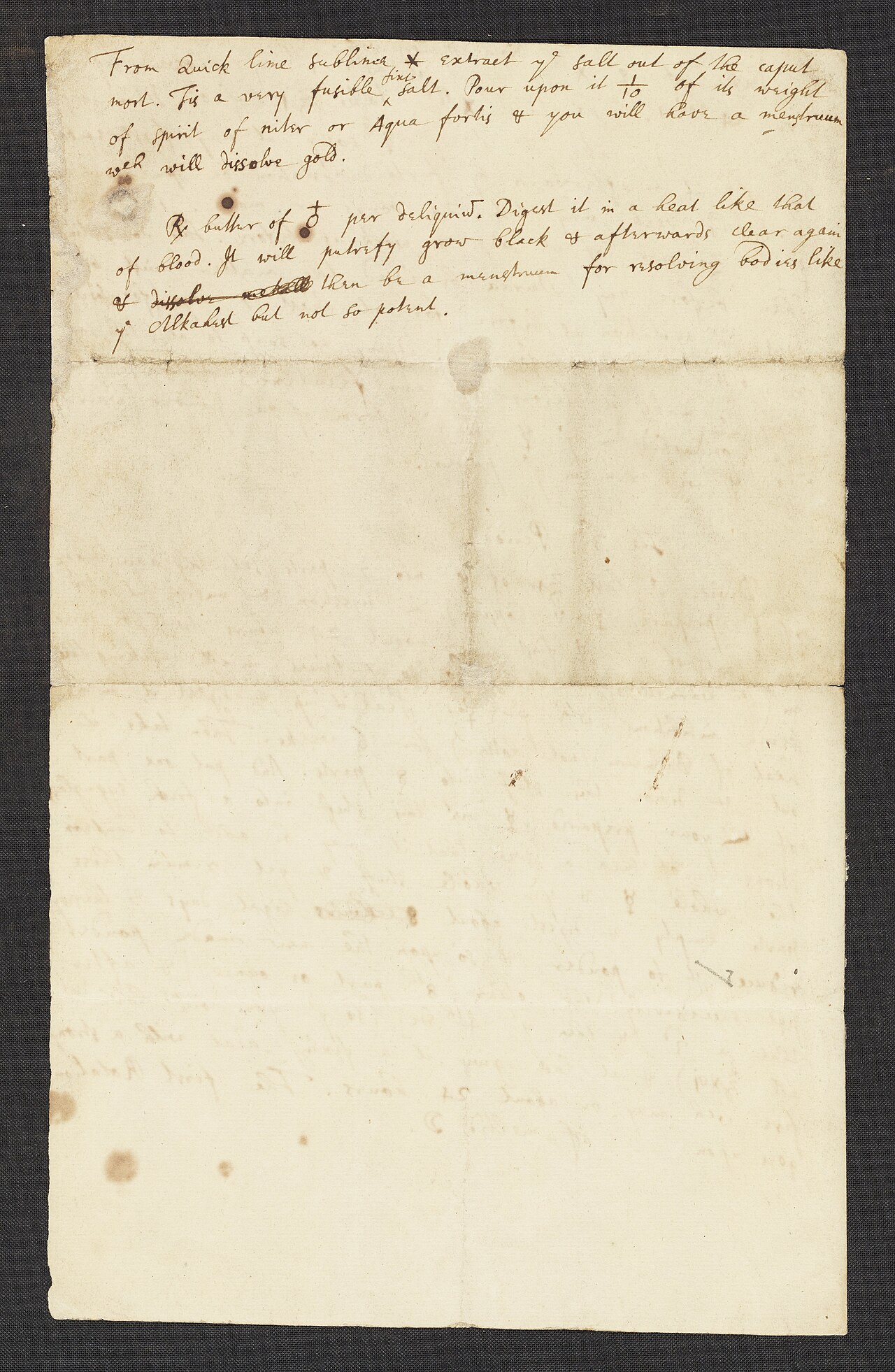
Newton's handwritten extracts from alchemist Erasmus Rothmaler, linked to his work with John Locke on Robert Boyle's papers.
Newton's own handwritten alchemical extracts, showing his collaboration with John Locke on Robert Boyle's papers.
About this source
What it is
This manuscript, written around 1692 in Isaac Newton's own hand, consists of extracts from the writings of the German alchemist Erasmus Rothmaler. The back of the page contains two unrelated chemical recipes for dissolving gold and other substances.
Why it matters
This document connects three major thinkers of late seventeenth-century England: Isaac Newton, John Locke, and Robert Boyle. After Boyle's death, Newton worked with Locke to study Boyle's alchemical papers in search of the secret of transmutation. A recipe matching this manuscript even appears, in Latin, in one of Locke's own diary entries from 1692, showing the two men were sharing and comparing this material directly.
Look closer
- What does the crossed-out word in the second recipe suggest about how Newton was working as he wrote?
- Why might Newton and Locke have been so interested in Boyle's old alchemical papers after his death?
- What does this collaboration between Newton and Locke reveal about the overlap between science and alchemy at the time?
This document is part of the curated material that grounds the AI version of Isaac Newton on Humy.ai — when students ask about related events, the AI can quote it and cite it.
More Isaac Newton sources
Meet the AI Isaac Newton →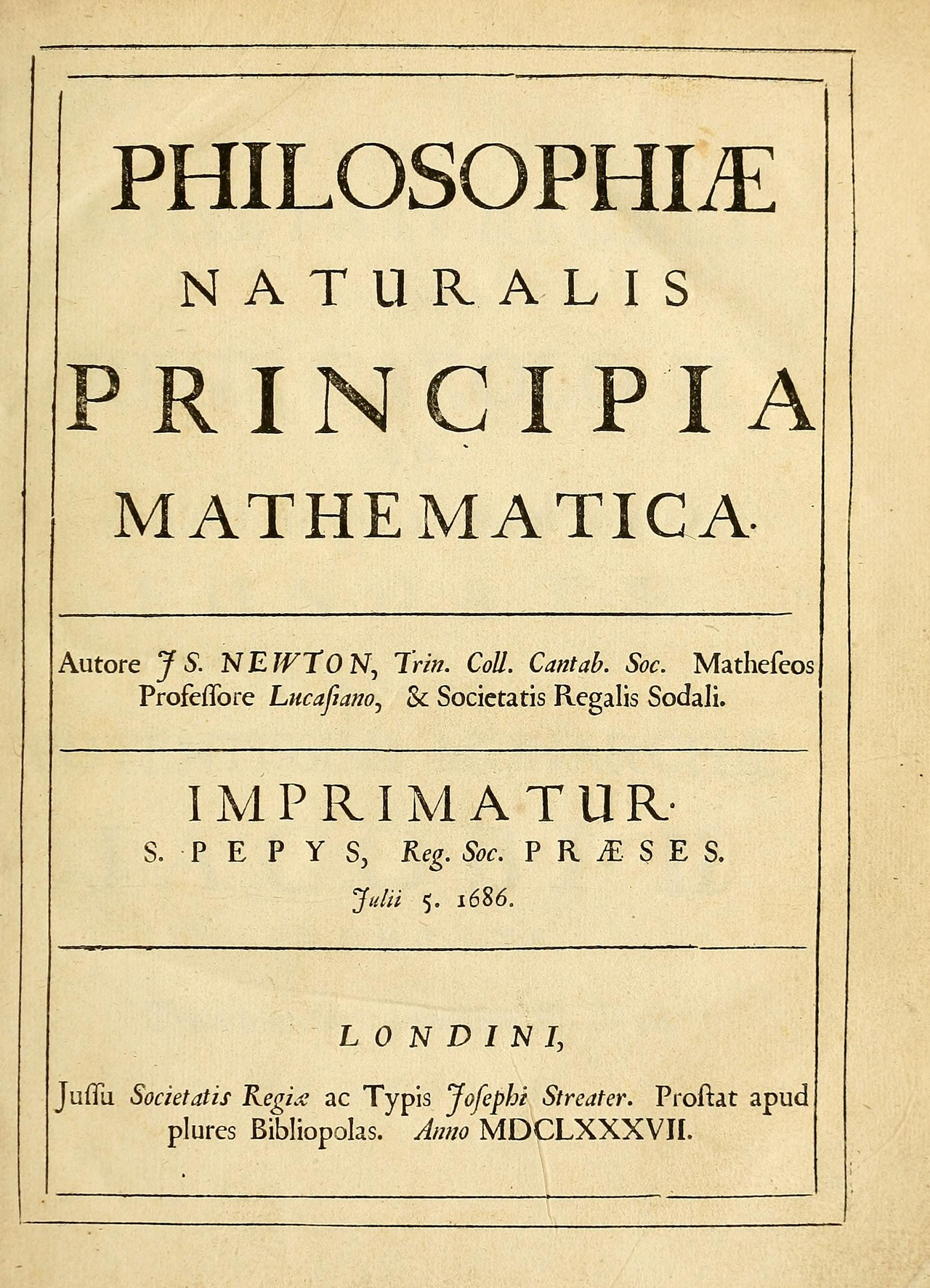 Book
Primary source
Philosophiæ Naturalis Principia Mathematica
Isaac Newton · 1687
 Book
Primary source
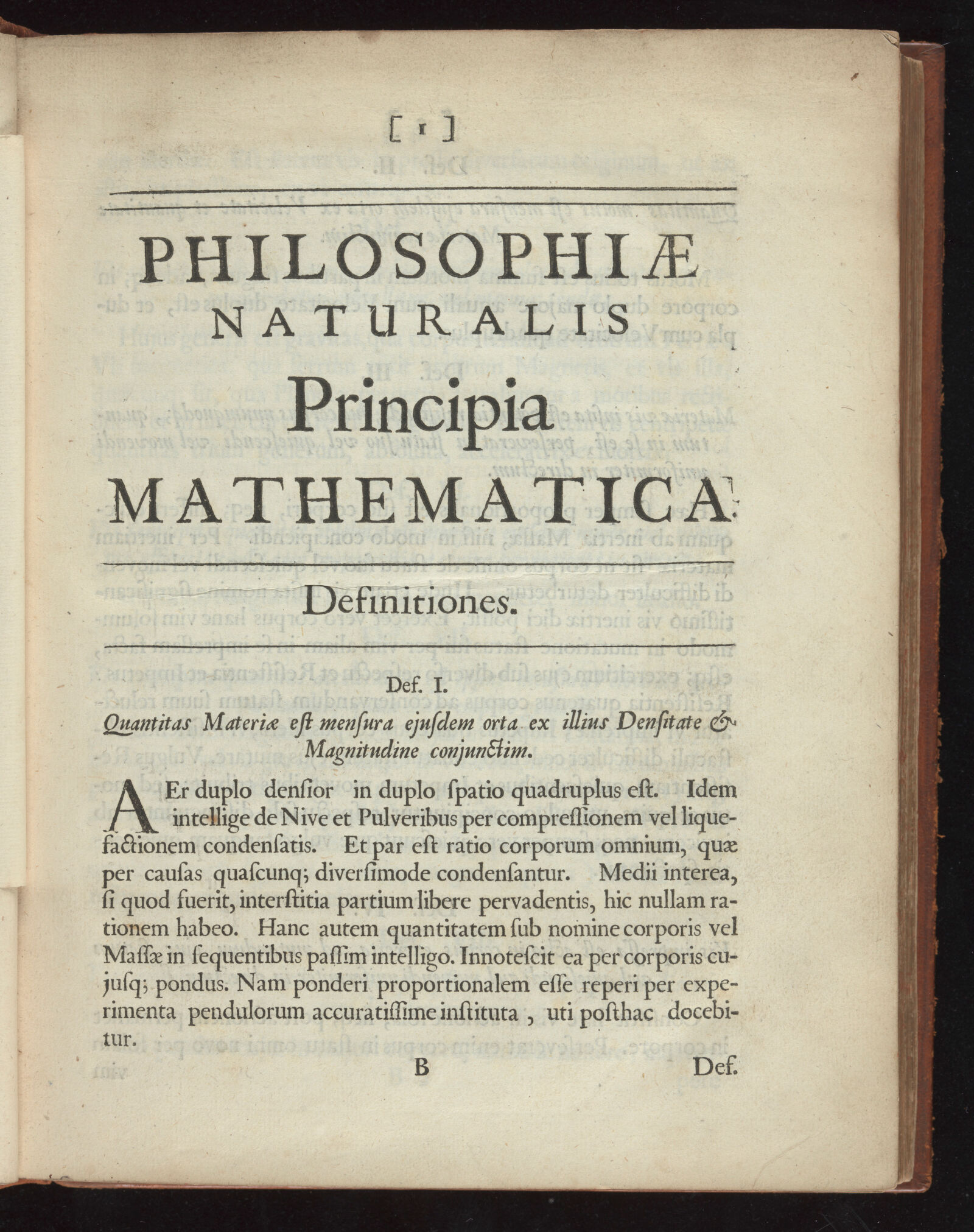
Principia Mathematica, Page 1: Definitions
Isaac Newton · 1687
 Painting
Primary source
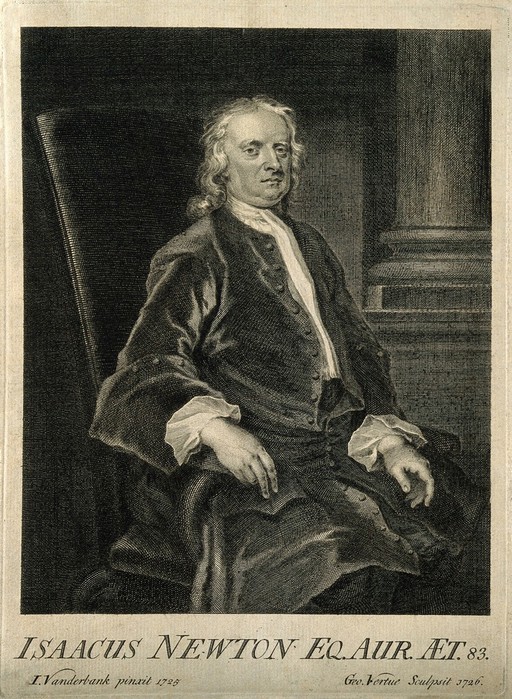
Sir Isaac Newton, line engraving by Vertue, 1726
George Vertue · 1726
 Document
Primary source
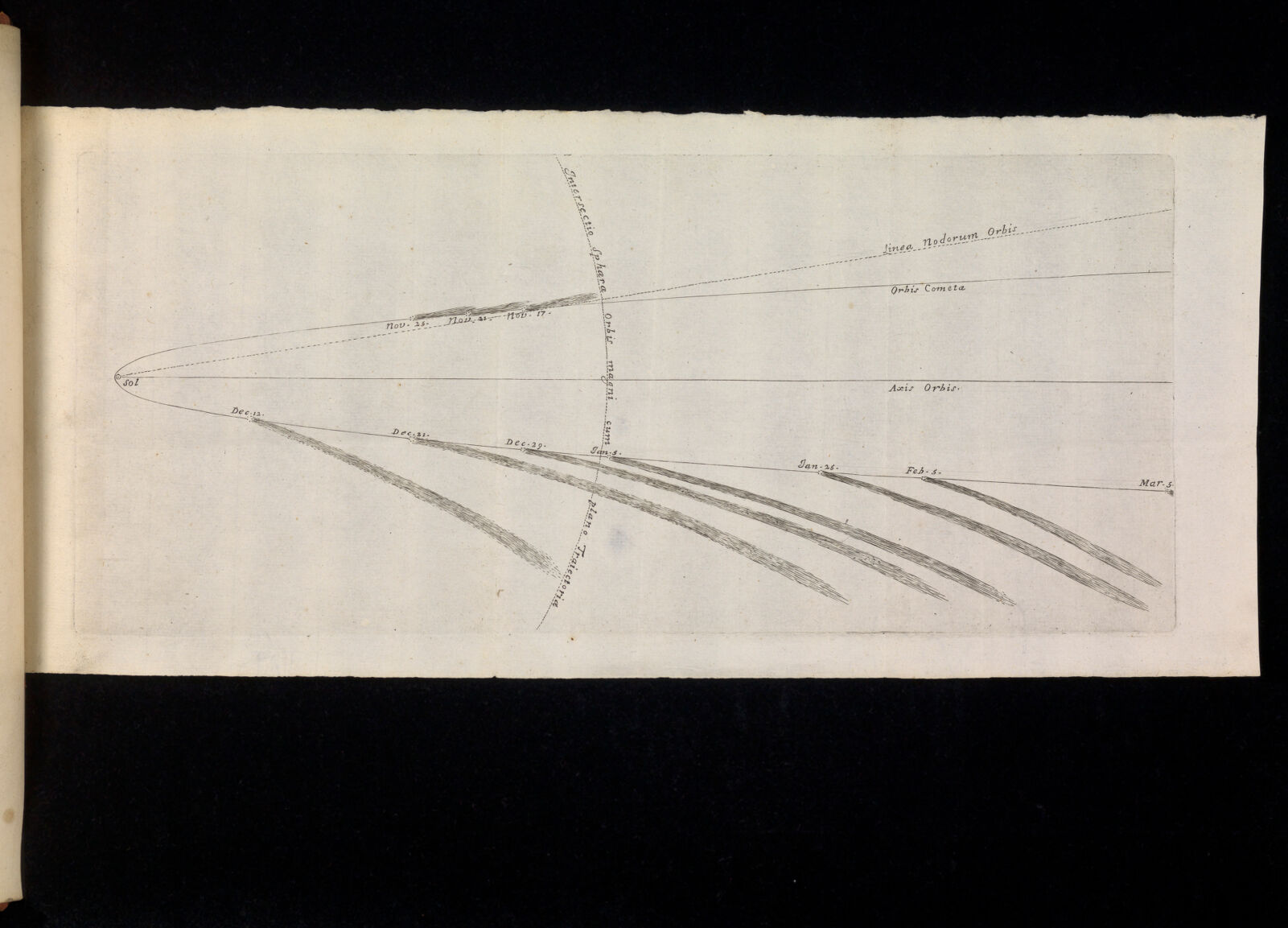
Principia Mathematica, Fold-out Diagram
Isaac Newton · 1687
 Painting
Primary source
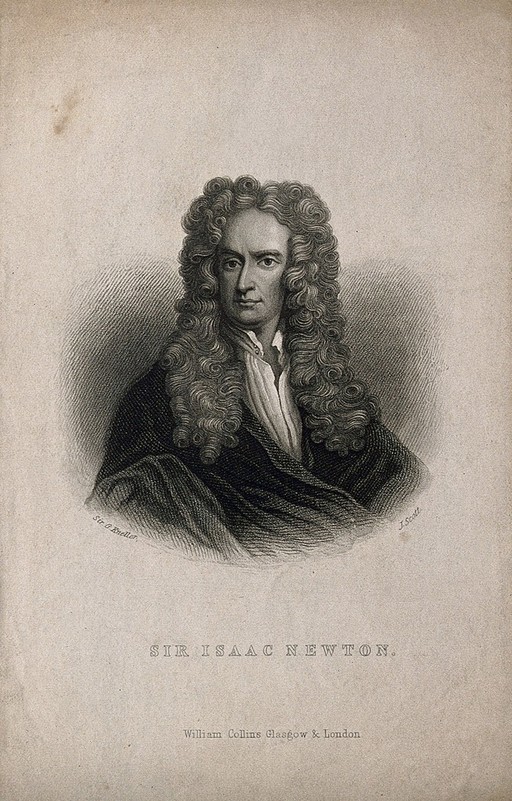
Sir Isaac Newton, stipple engraving by J. Scott after Kneller, 1702
J. Scott, after Sir Godfrey Kneller · 1702 (print made later)
Ready when you are
Start chatting with Isaac Newton now.
20 messages free · No credit card · Available in 50+ languages.