


Primary sourceArtifact2nd half of the 12th century CE
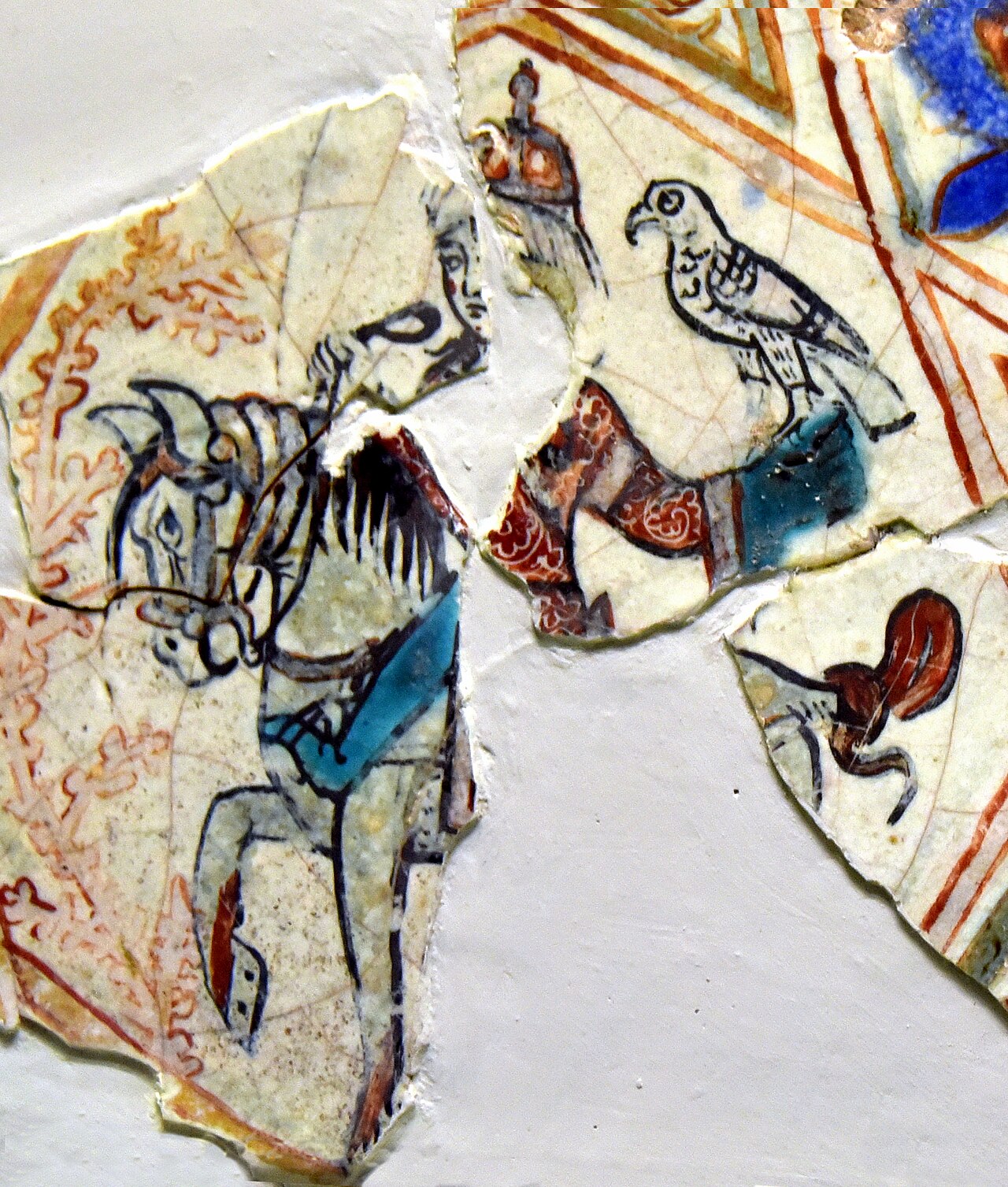
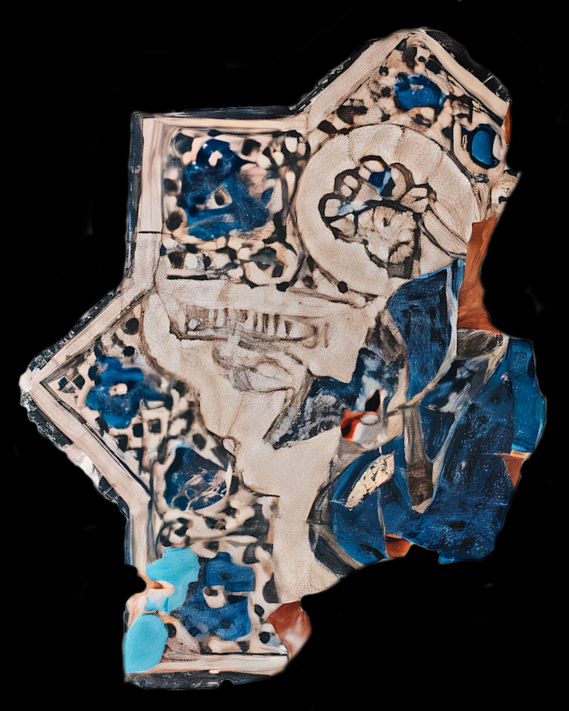
Royal hunt tiles from Kilij Arslan II's kiosk, Konya
Unidentified 12th-century artist · 2nd half of the 12th century CE
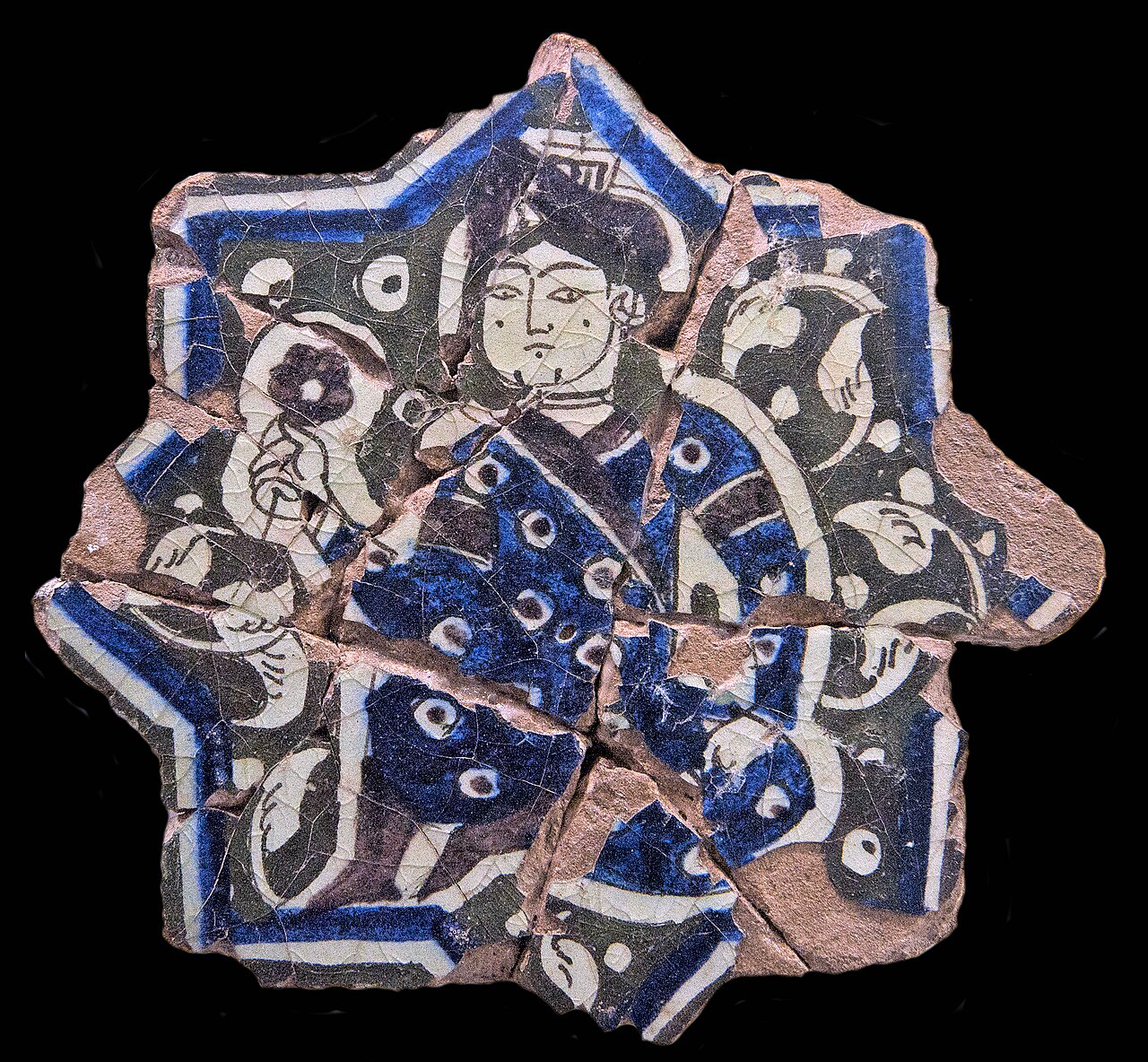
Glazed ceramic tile fragments from the kiosk of Kilij Arslan II at Konya, showing animals and a rider with a falcon. They reveal the court culture of the Seljuk sultans of Rum.
These tiles come from the court of Kilij Arslan II, a predecessor of Kayqubad, and show the court culture of the Seljuk rulers of Rum.
About this source
What it is
These are glazed ceramic tiles from the kiosk of Kilij Arslan II at Konya. They were made in the Anatolian Seljuk period, in the second half of the 12th century, using the mina'i technique, in which painted designs are fired onto the glaze. The tiles show animals. The image in this archive is a close-up detail of tile fragments: a rider on a horse wears a plumed headdress and carries a falcon on a gloved hand, in cream, blue, red and orange with black outlines and floral borders. The tiles are held by the Museum of Islamic Art (Tiled Kiosk) in Istanbul.
Why it matters
These tiles were made for Kilij Arslan II, not for Kayqubad I, who was born in 1190. They show the court culture of the Seljuk rulers of Rum that Kayqubad inherited. Hunting scenes with falcons were a popular subject for rulers, and they show the leisure and status of the court.
Look closer
- What activities do the rider and the falcon show, and what might they say about the court?
- Why might a ruler choose to decorate a kiosk with hunting scenes?
- What does a tile detail like this leave out about the people who made it and the people who lived at the court?
This artifact is part of the curated material that grounds the AI version of Kayqubad I on Humy.ai — when students ask about related events, the AI can quote it and cite it.
More Kayqubad I sources
Browse all 87 →
Ready when you are
Start chatting with Kayqubad I now.
20 messages free · No credit card · Available in 50+ languages.