


Primary sourceDocument7 October 1763
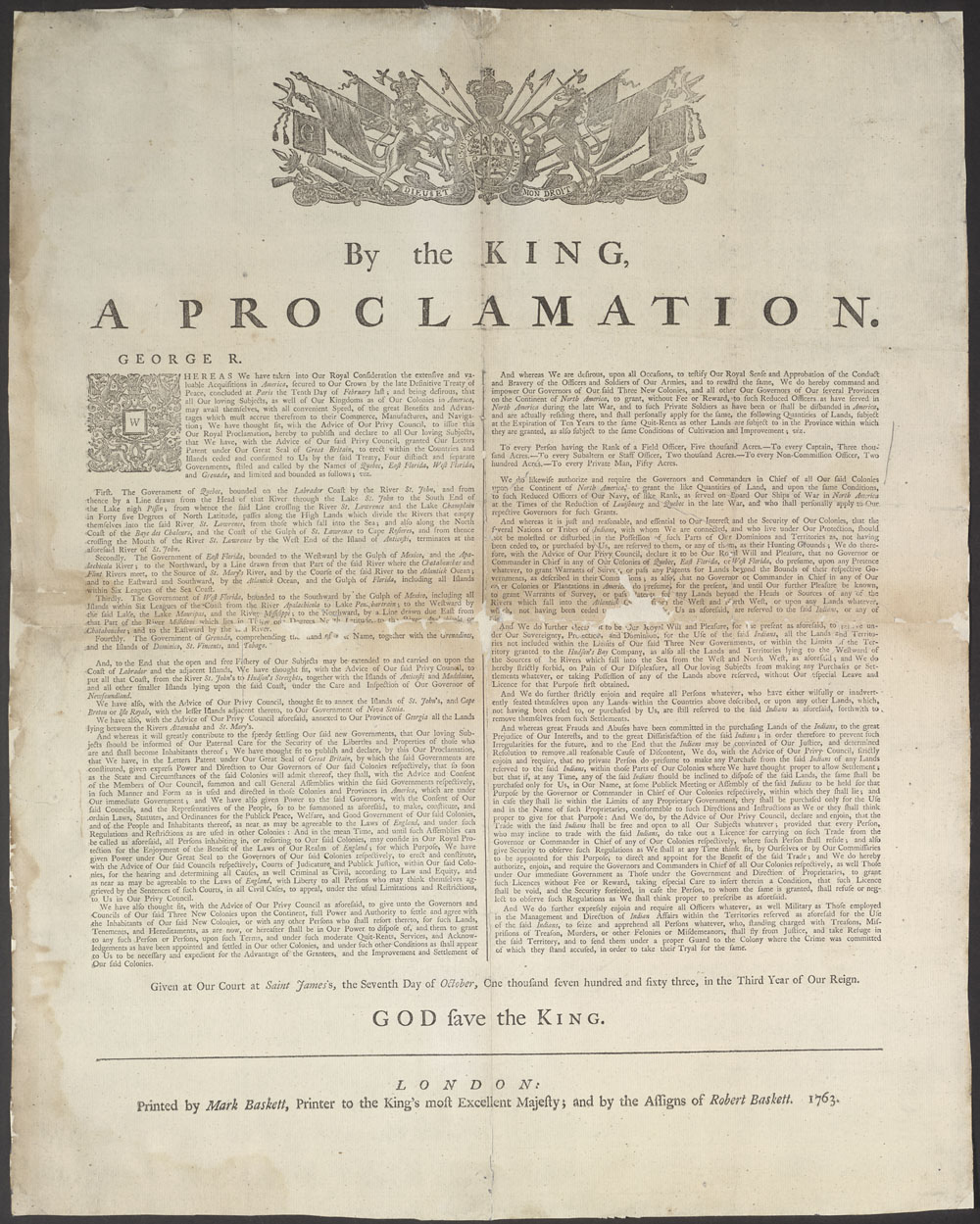
Royal Proclamation of 1763
7 October 1763
A royal decree issued in George III's name after the Seven Years' War, drawing a line limiting colonial settlement west of the Appalachians.
Issued in George III's name, this proclamation shows him shaping imperial policy after Britain's victory in the Seven Years' War.
About this source
What it is
This printed broadside, issued on 7 October 1763, announced new laws for Britain's expanded North American empire after its victory over France. It forbade colonists from settling west of a line along the Appalachian Mountains, land reserved for Indigenous peoples. It survives as an official document, printed and circulated under the royal seal.
Why it matters
Issued in King George III's name, the proclamation shows how the Crown tried to manage a huge new territory and keep peace with Indigenous nations by limiting colonist expansion. It angered colonial settlers and land speculators, feeding resentment that helped cause the American Revolution. It remains legally important today for Indigenous rights in Canada.
Look closer
- Why would the King's government want to stop settlers moving further west?
- How might colonists and Indigenous peoples have reacted differently to this line?
- What does this document leave out about the people actually living on the land?
This document is part of the curated material that grounds the AI version of George III on Humy.ai — when students ask about related events, the AI can quote it and cite it.
More George III sources
Meet the AI George III →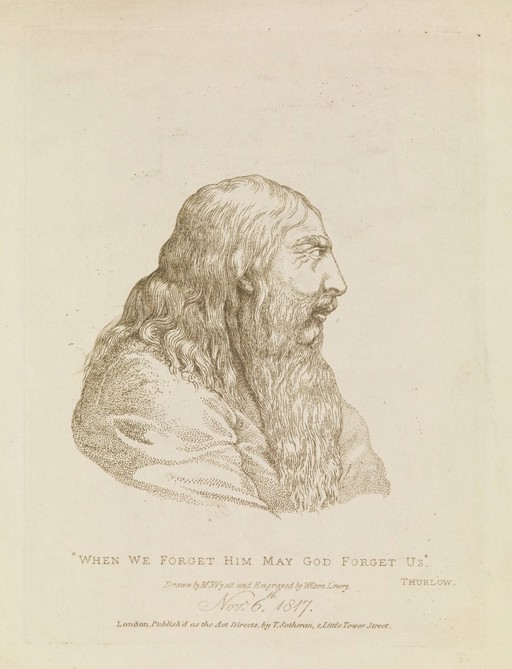 Painting
Primary source
King George III, Etching by Wilson Lowry after M. C. Wyatt
Matthew Coates Wyatt · 6 November 1817
 Painting
Primary source
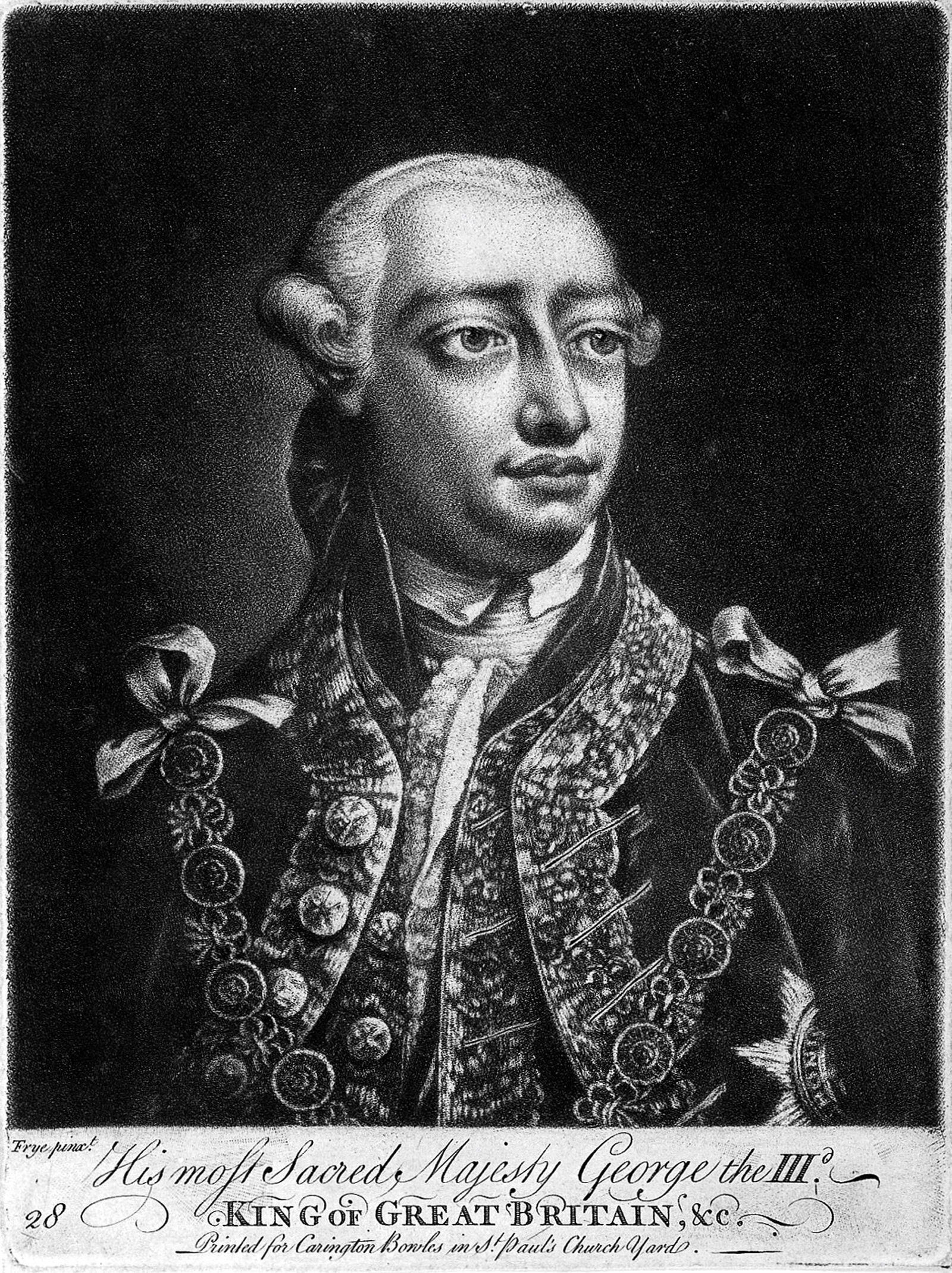
King George III, Mezzotint after Thomas Frye
Thomas Frye · not later than 1762
 Document
Primary source
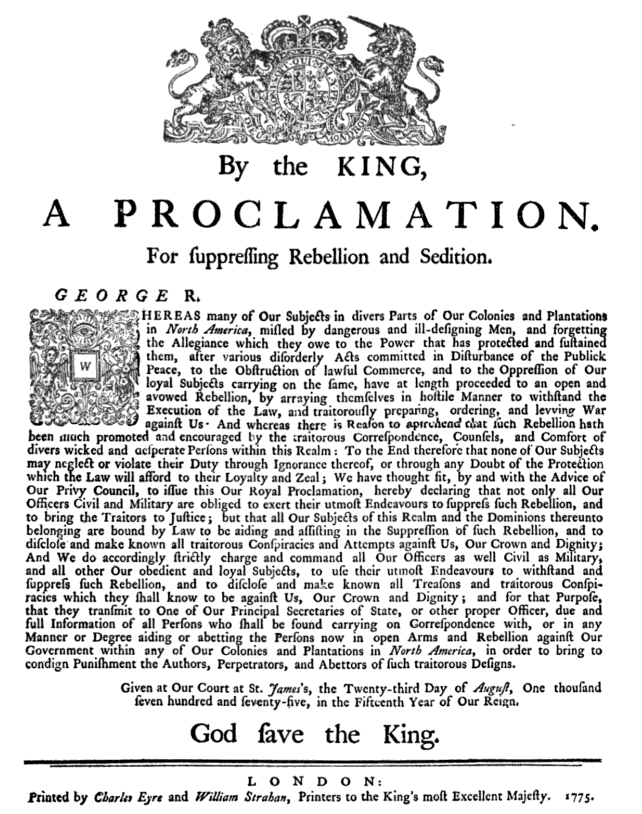
Proclamation of Rebellion
George III of Great Britain · 23 August 1775
 Document
Primary source
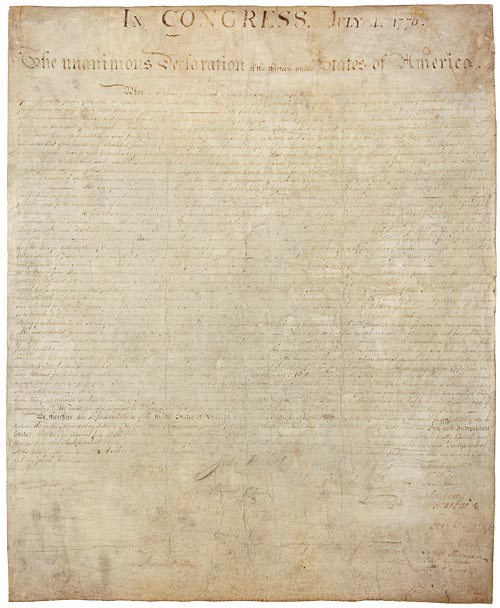
Declaration of Independence
Continental Congress (drafted by Thomas Jefferson) · 1776
 Painting
Primary source
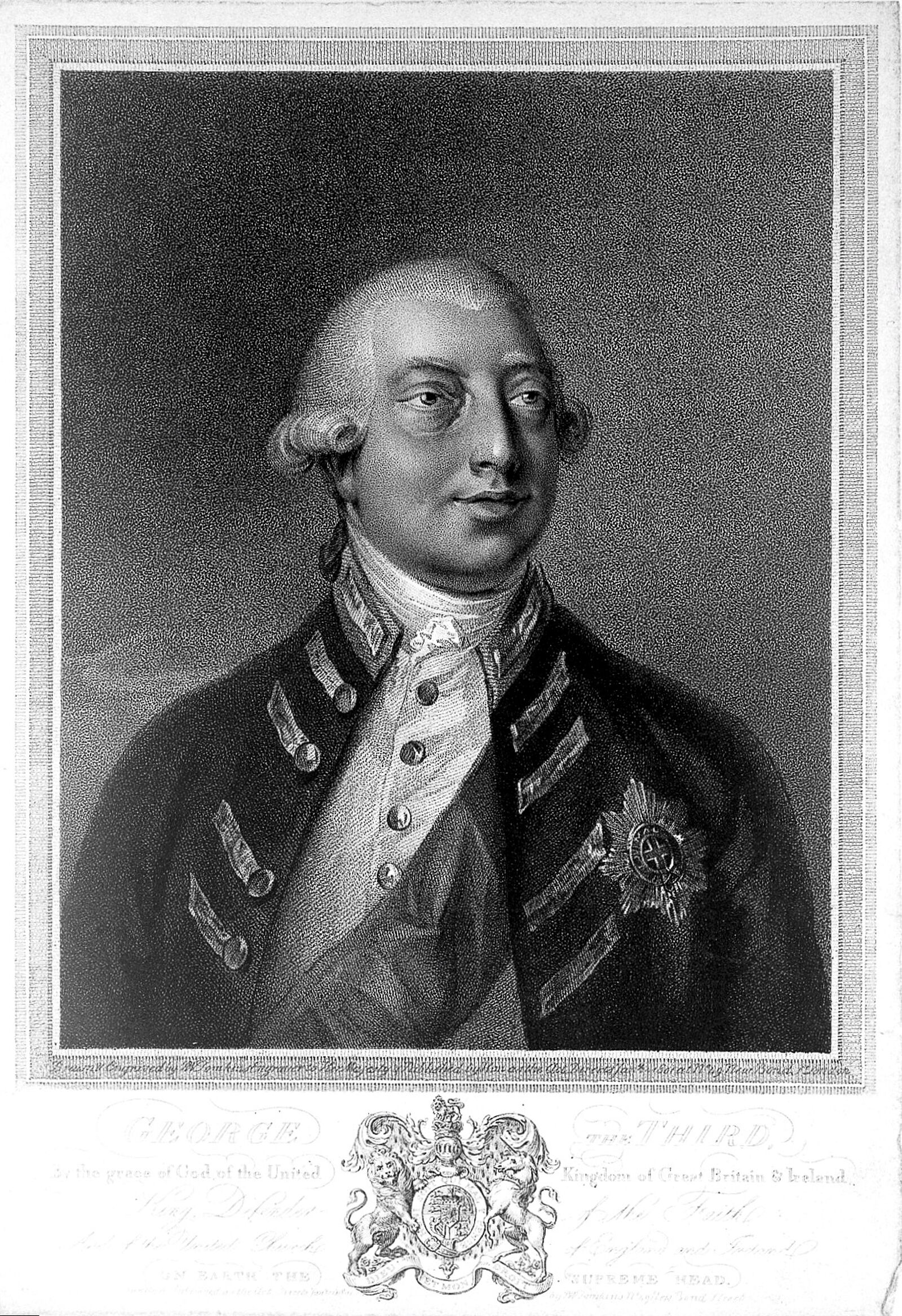
King George III, Stipple Engraving by P. W. Tomkins
Peltro William Tomkins · 21 January 1801
Ready when you are
Start chatting with George III now.
20 messages free · No credit card · Available in 50+ languages.