


Primary sourceDocument10 July 1762
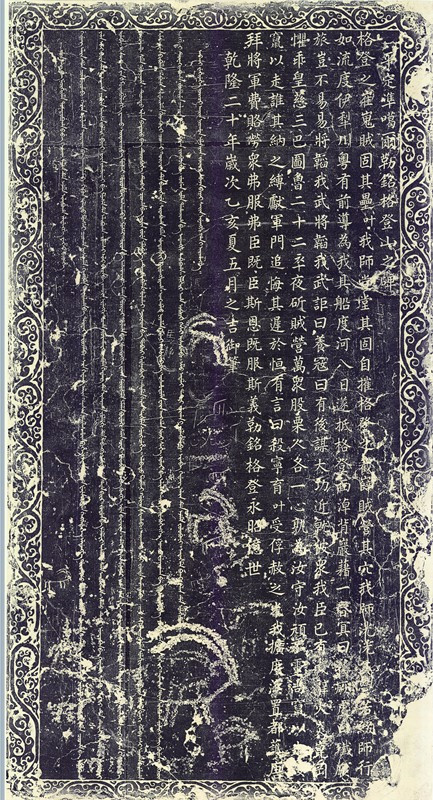
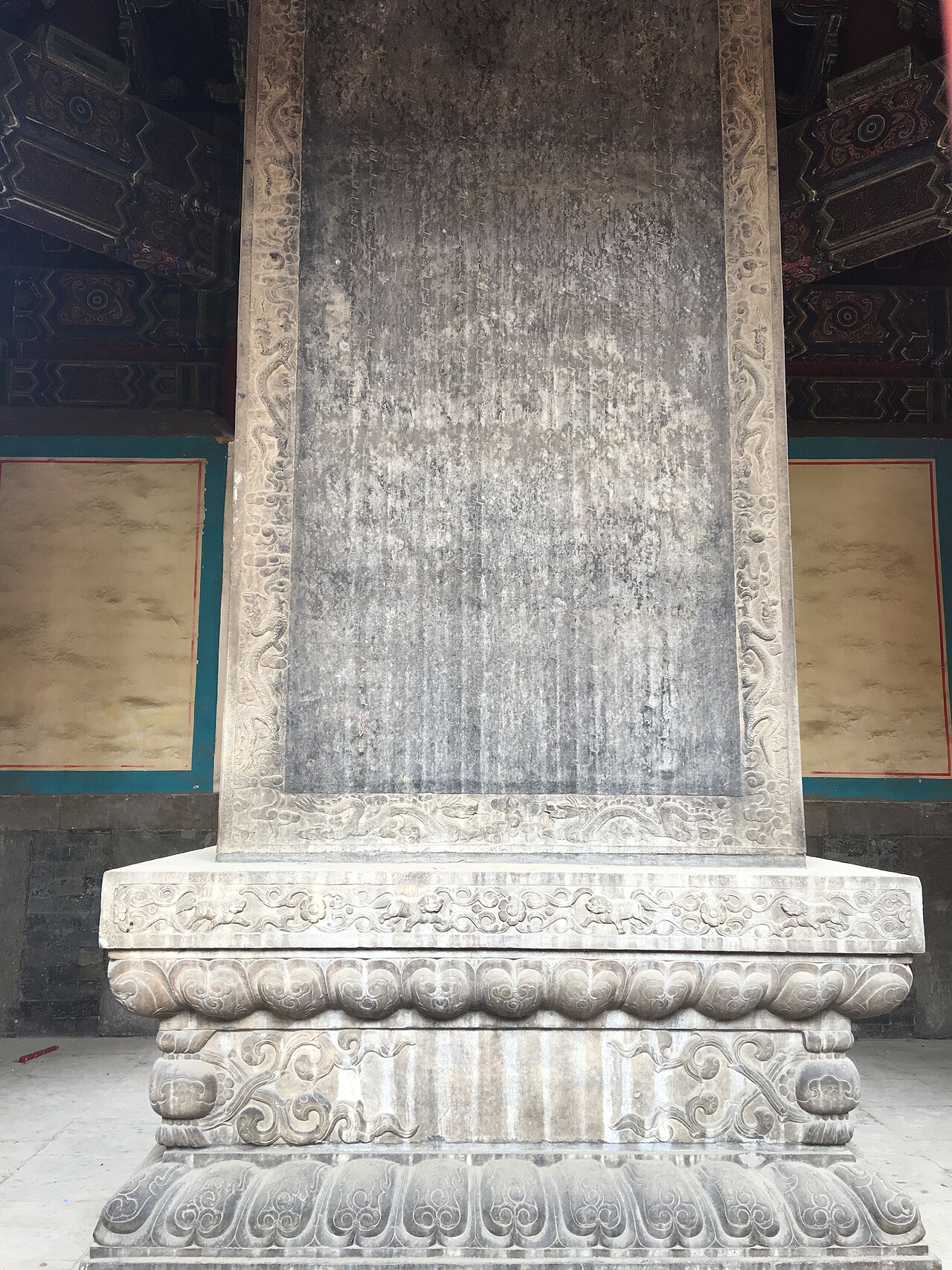
Rubbing of the Dzungar Pacification Stele
Qianlong Emperor · 10 July 1762
An ink rubbing of a stone stele inscribed with the Qianlong Emperor's own text celebrating the conquest of the Dzungars in 1762.
The emperor personally composed the text on this stele to celebrate his military conquest of the Dzungars.
About this source
What it is
This is an ink rubbing taken from a stone stele carved with text written by the Qianlong Emperor in 1762. The rubbing was made by Agui, and the stele itself has stood for more than 250 years since the Qing Dynasty.
Why it matters
The emperor used this inscription to record and celebrate a major military victory over the Dzungars, part of Qing expansion into Central Asia. Such steles were tools of imperial propaganda, turning conquest into a lasting public monument carved in the emperor's own words.
Look closer
- Why would an emperor want his victory recorded in stone rather than just in a document?
- What does the worn and faded condition of the rubbing tell you about time passing?
- Whose point of view does this text represent, and whose is missing?
This document is part of the curated material that grounds the AI version of Qianlong Emperor on Humy.ai — when students ask about related events, the AI can quote it and cite it.
More Qianlong Emperor sources
Browse all 75 →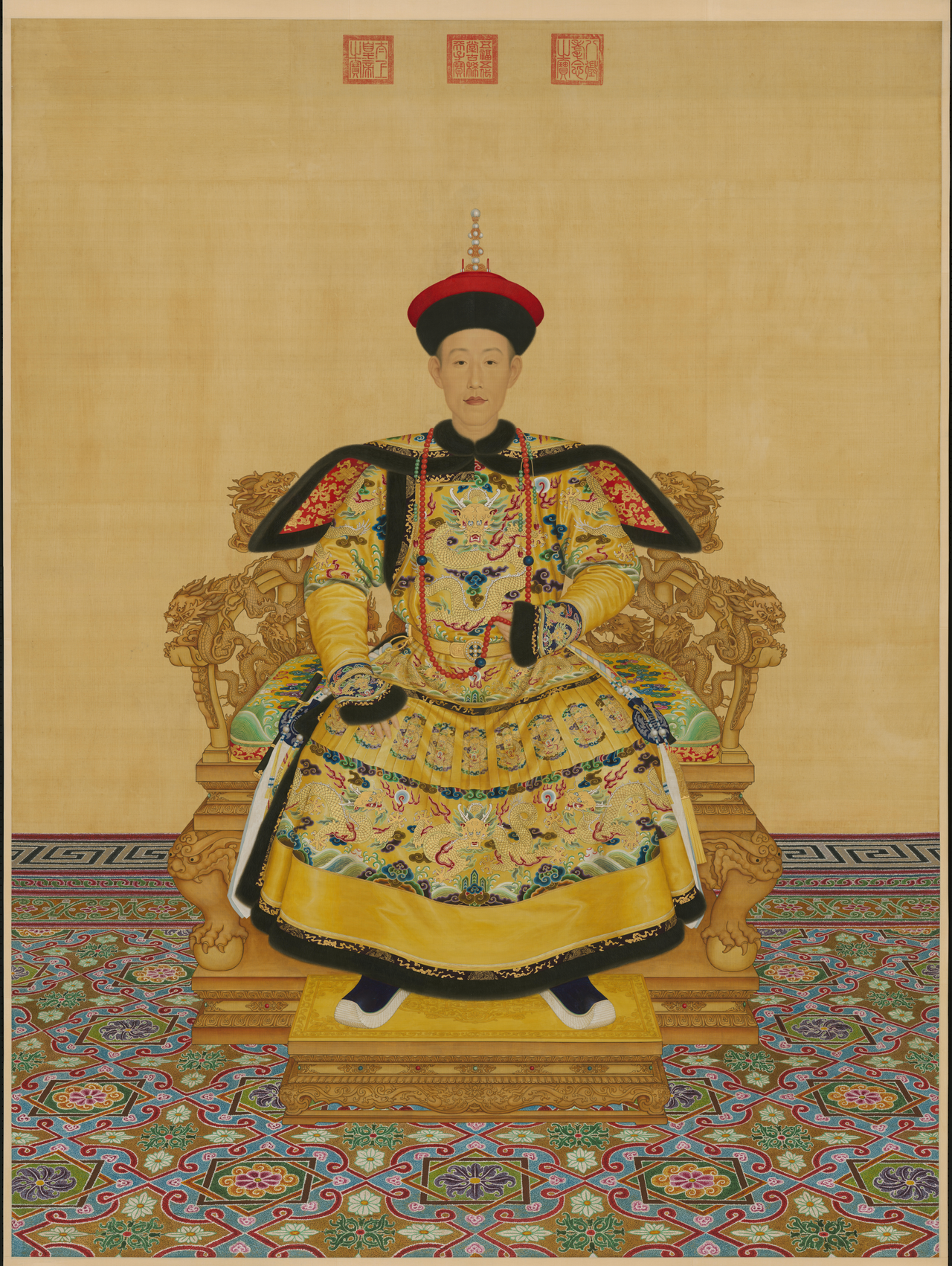 Painting
Primary source
Portrait of the Qianlong Emperor in Court Dress
Giuseppe Castiglione · 1736
 Painting
Primary source
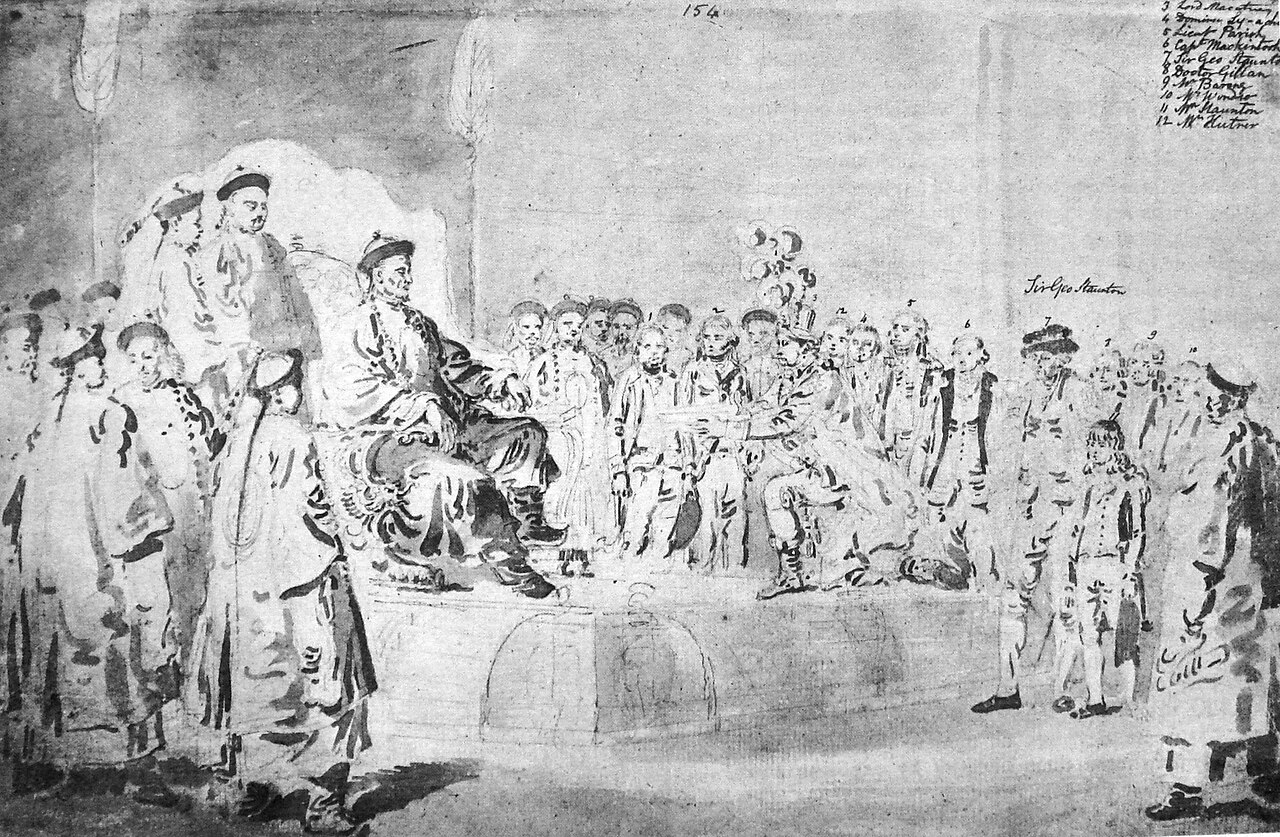
Lord Macartney's Embassy to China, 1793
William Alexander · 1793
 Painting
Primary source
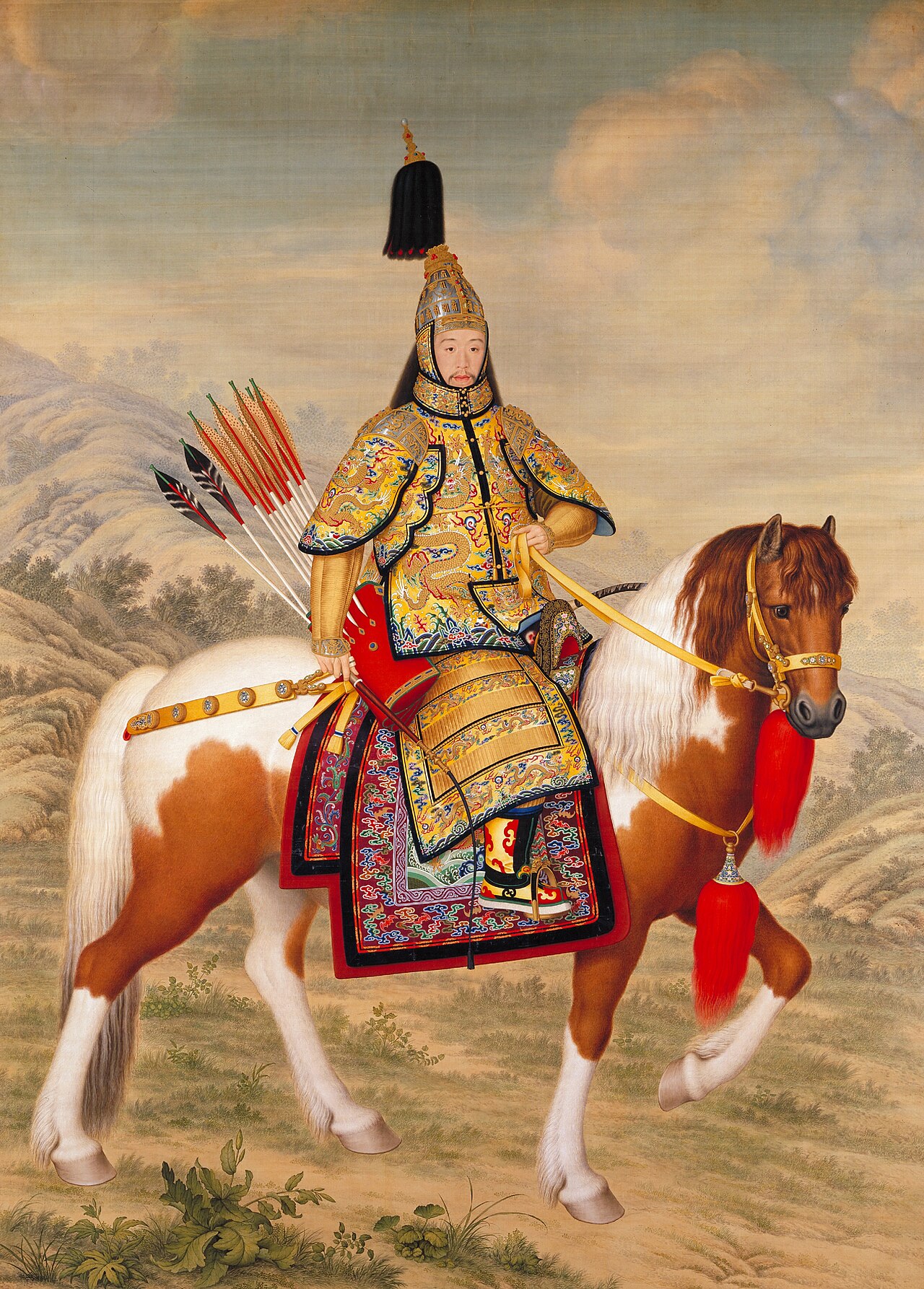
The Qianlong Emperor in Ceremonial Armor on Horseback
Giuseppe Castiglione · 1739
 Document
Primary source
Pronouncement on Lamas
Qianlong Emperor · 1792

Free account
Read every Qianlong Emperor source
Sign up free →
Ready when you are
Start chatting with Qianlong Emperor now.
20 messages free · No credit card · Available in 50+ languages.