


Secondary sourcePhotograph26 April 2006
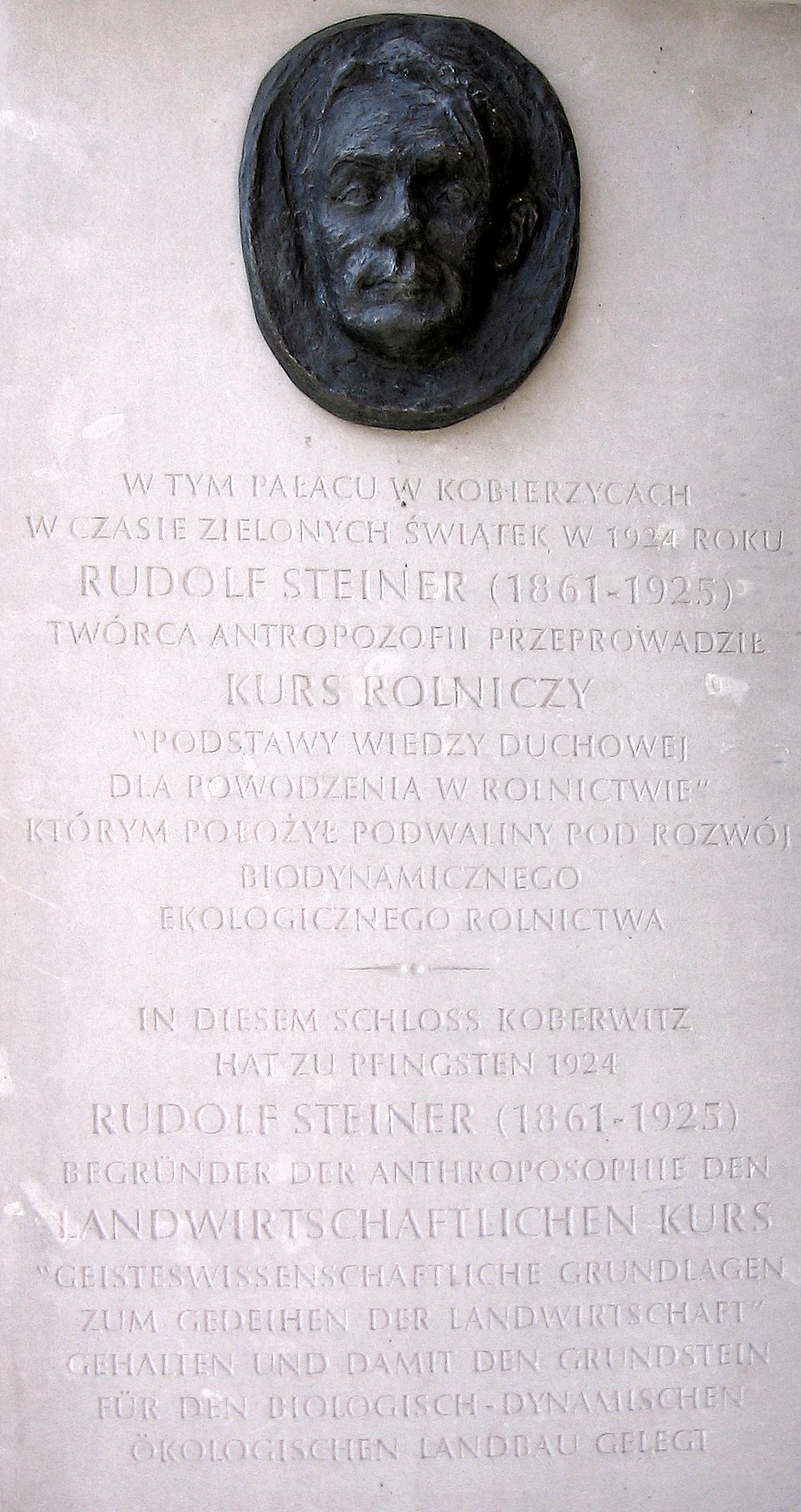
Rudolf Steiner plaque, Kobierzyce palace, Poland
26 April 2006
A stone plaque with a bronze portrait of Steiner on a palace wall near Wrocław, marking his 1924 agricultural course there.
A later memorial at a palace where Steiner taught biodynamic agriculture in 1924, linking him to the farm course.
About this source
What it is
This is a photograph of a stone plaque embedded in the wall of the palace at Kobierzyce, near Wrocław, Poland. It has a bronze relief portrait of a man and raised text in Polish and German. The text commemorates Steiner's 1924 agricultural course at the palace. The photograph is dated 26 April 2006 according to its Exif data, and the uploader is not identified in the machine-readable record.
Why it matters
In 1924 Steiner taught his vision of biodynamic agriculture on the farm near the palace. The plaque was put up about 75 years later, which shows that the course was still remembered in the region. Biodynamic farming is one of the ideas that grew from Steiner's work.
Look closer
- What does the plaque say about Steiner's work, and why was it placed on a palace wall?
- Why was this plaque added so many years after the course took place?
- What might the palace and farm have looked like in 1924, and what does the plaque leave out?
This photograph is part of the curated material that grounds the AI version of Rudolf Steiner on Humy.ai — when students ask about related events, the AI can quote it and cite it.
More Rudolf Steiner sources
Browse all 96 →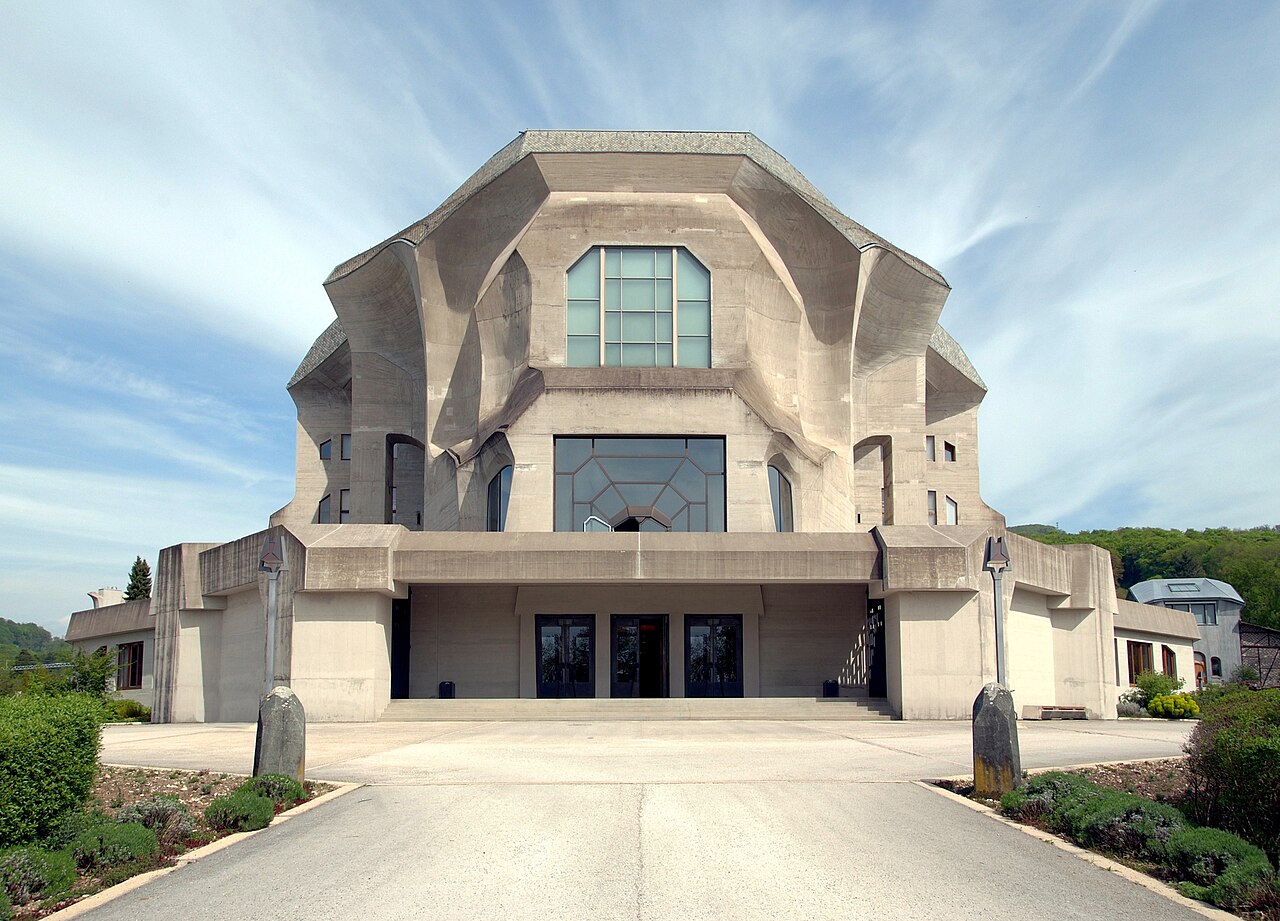 Artifact
Primary source
Goetheanum
Rudolf Steiner · 1925-1928
 Book
Primary source
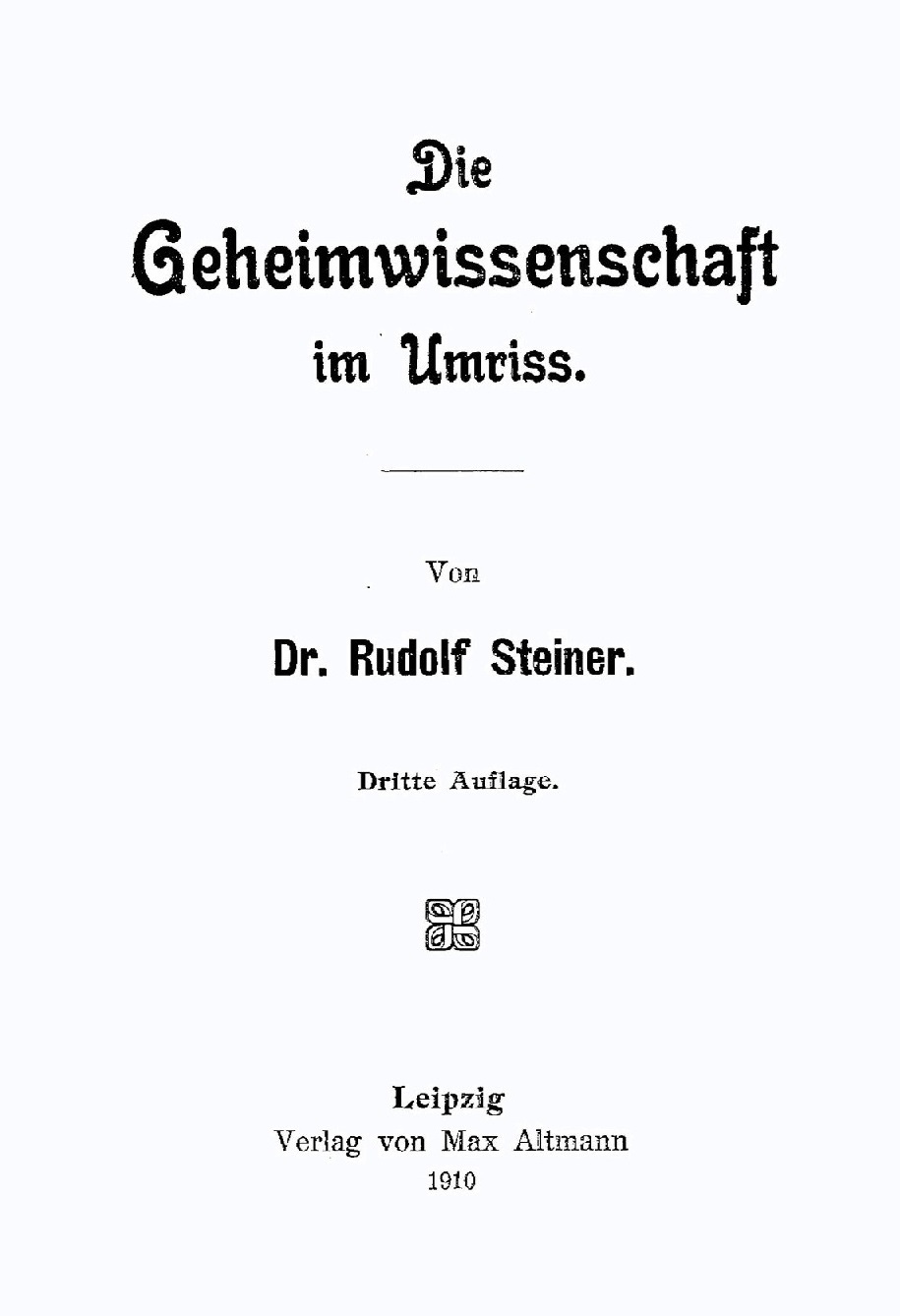
Occult Science: An Outline
Rudolf Steiner · 1910
 Artifact
Primary source
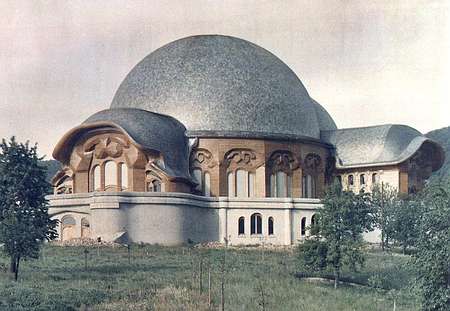
First Goetheanum
Rudolf Steiner · 1913-1920, destroyed 1922-1923
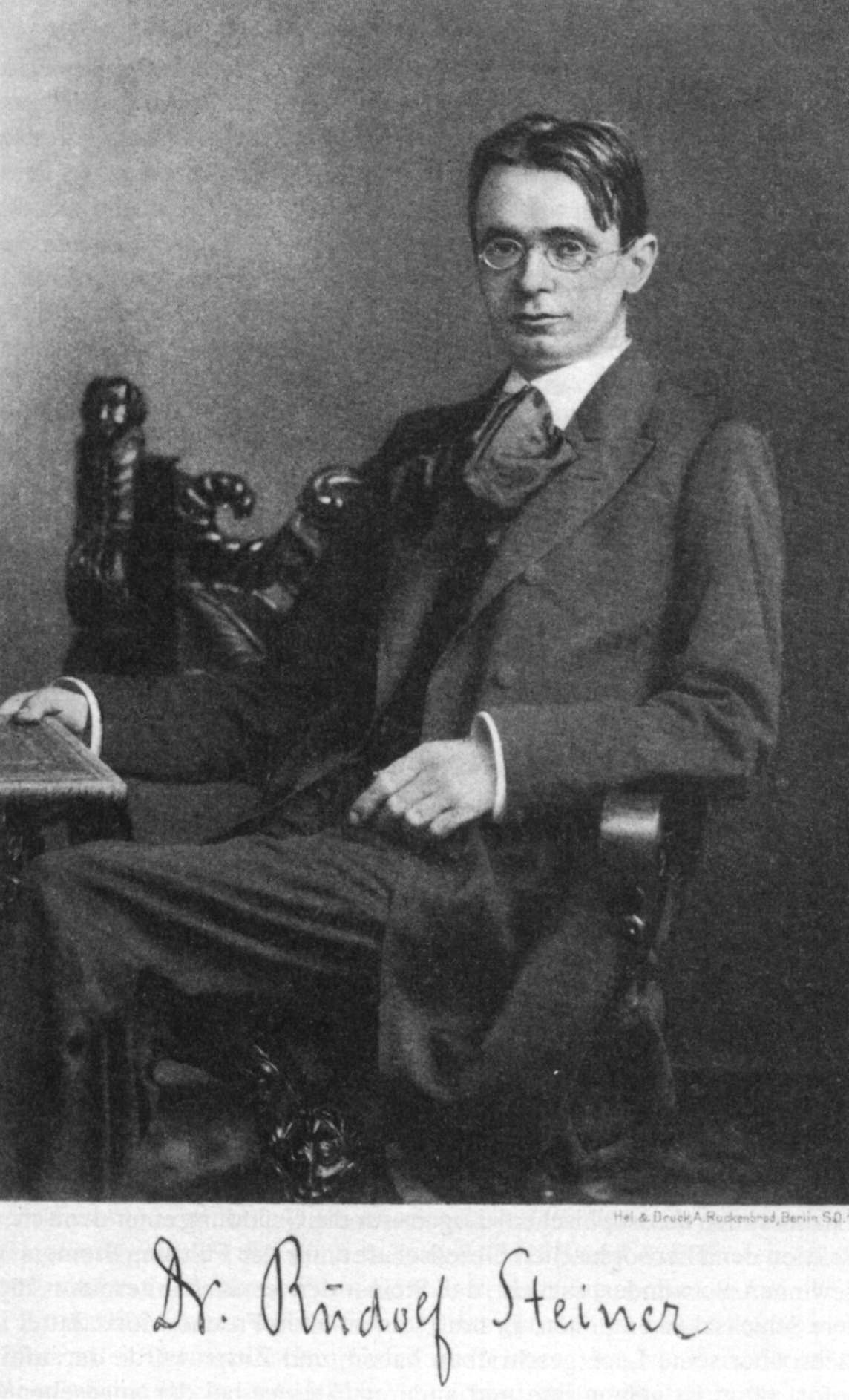 Photograph
Primary source
Rudolf Steiner in Berlin, 1900
1900
Free account
Read every Rudolf Steiner source
Sign up free →
Ready when you are
Start chatting with Rudolf Steiner now.
20 messages free · No credit card · Available in 50+ languages.