


Secondary sourceBook1627
Rudolphine Tables
Johannes Kepler · 1627
Johannes Kepler's 1627 star catalogue and planetary tables, built on decades of precise observations collected by Tycho Brahe and named for their shared patron, Emperor Rudolf II.
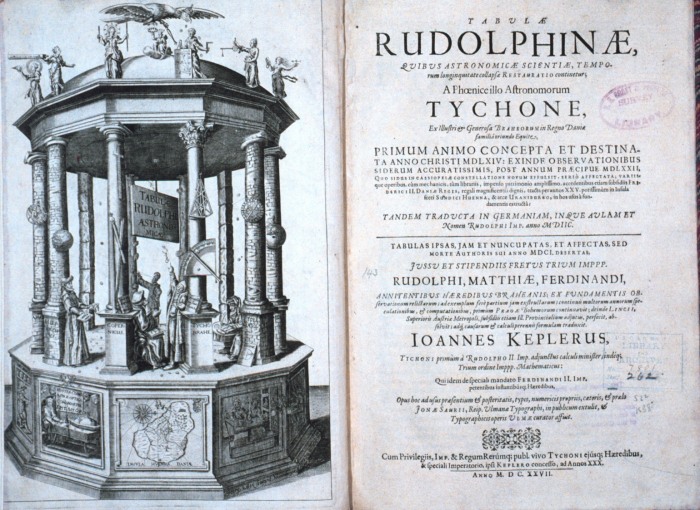
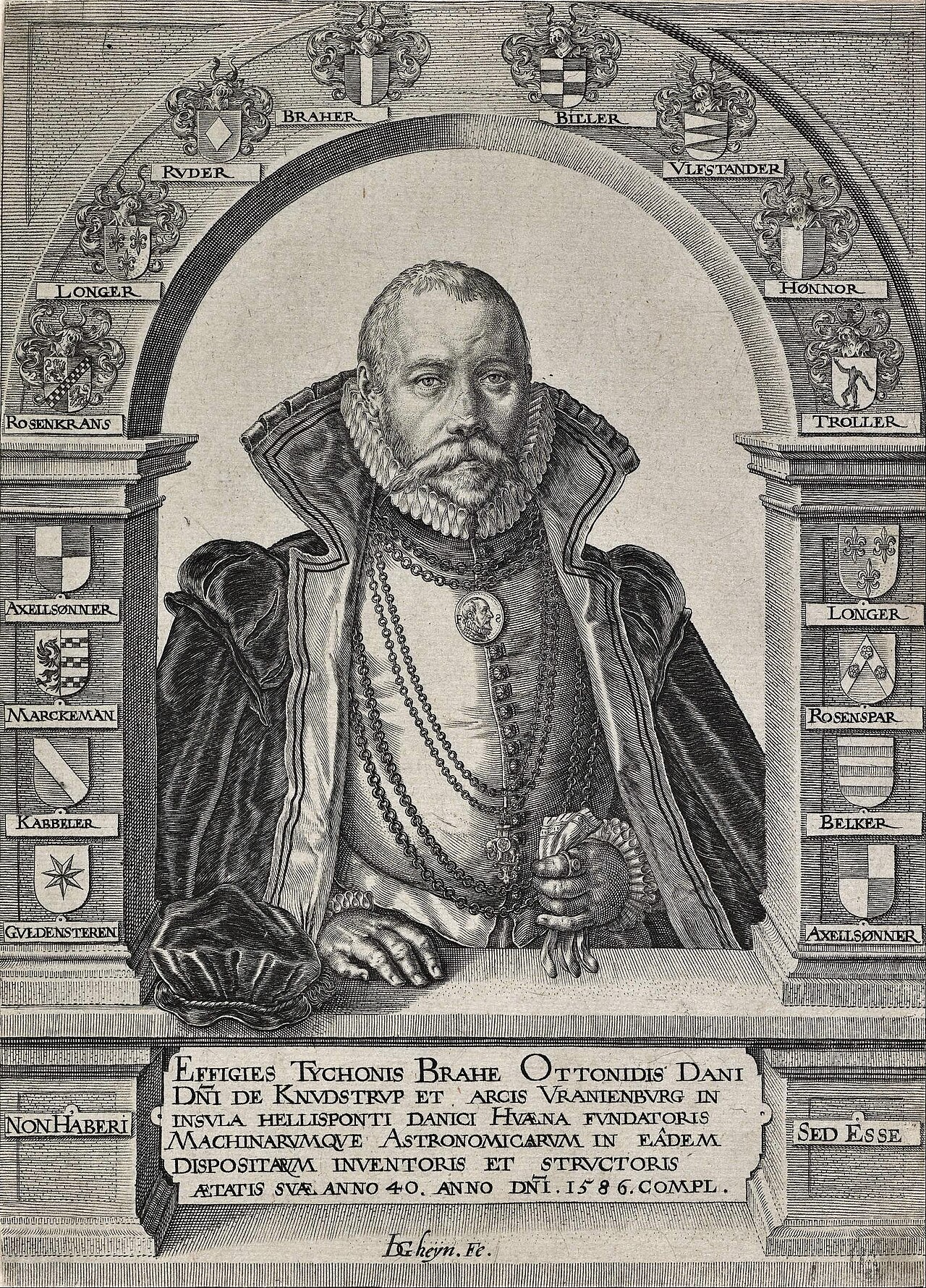
The tables rest entirely on Tycho's lifetime of observations, and its frontispiece honours him as the source of the data.
About this source
What it is
The Rudolphine Tables is a star catalogue and set of planetary tables published by Johannes Kepler in 1627. It was written in Latin and based on observational data gathered by Tycho Brahe and his team, including positions for over a thousand stars Brahe had measured himself. The frontispiece pictures Tycho in the Temple of Urania.
Why it matters
Brahe began this project with his patron Emperor Rudolf II but died before it was finished; Kepler, who inherited Brahe's data and his position as imperial mathematician, completed and published the tables decades later despite financial struggles and war. The tables were far more accurate than earlier ones, showing the real-world payoff of Brahe's exacting measurements, even though Kepler used them to support a Copernican model that differed from Brahe's own.
Look closer
- Why do you think the tables were named after Rudolf II rather than Brahe or Kepler?
- What does the frontispiece's depiction of Brahe suggest about how he was remembered?
- Why might Brahe's relatives have fought with Kepler over control of the data?
This book is part of the curated material that grounds the AI version of Tycho Brahe and Johannes Kepler on Humy.ai — when students ask about related events, the AI can quote it and cite it.
More Tycho Brahe sources
Meet the AI Tycho Brahe →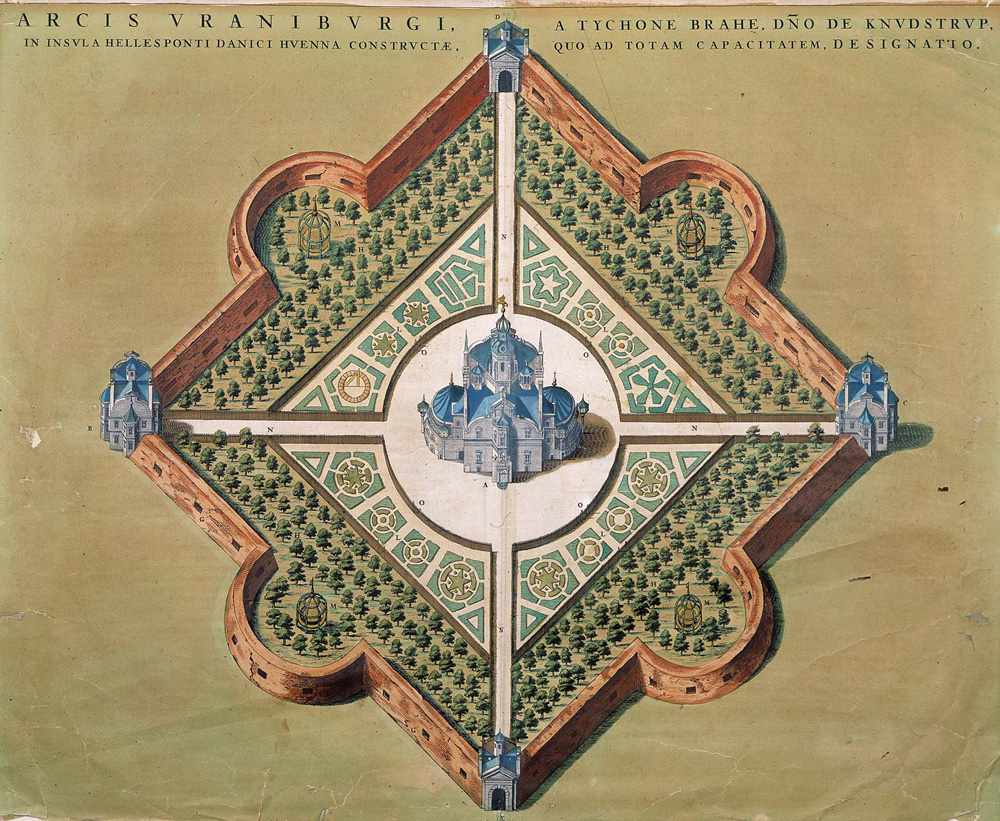
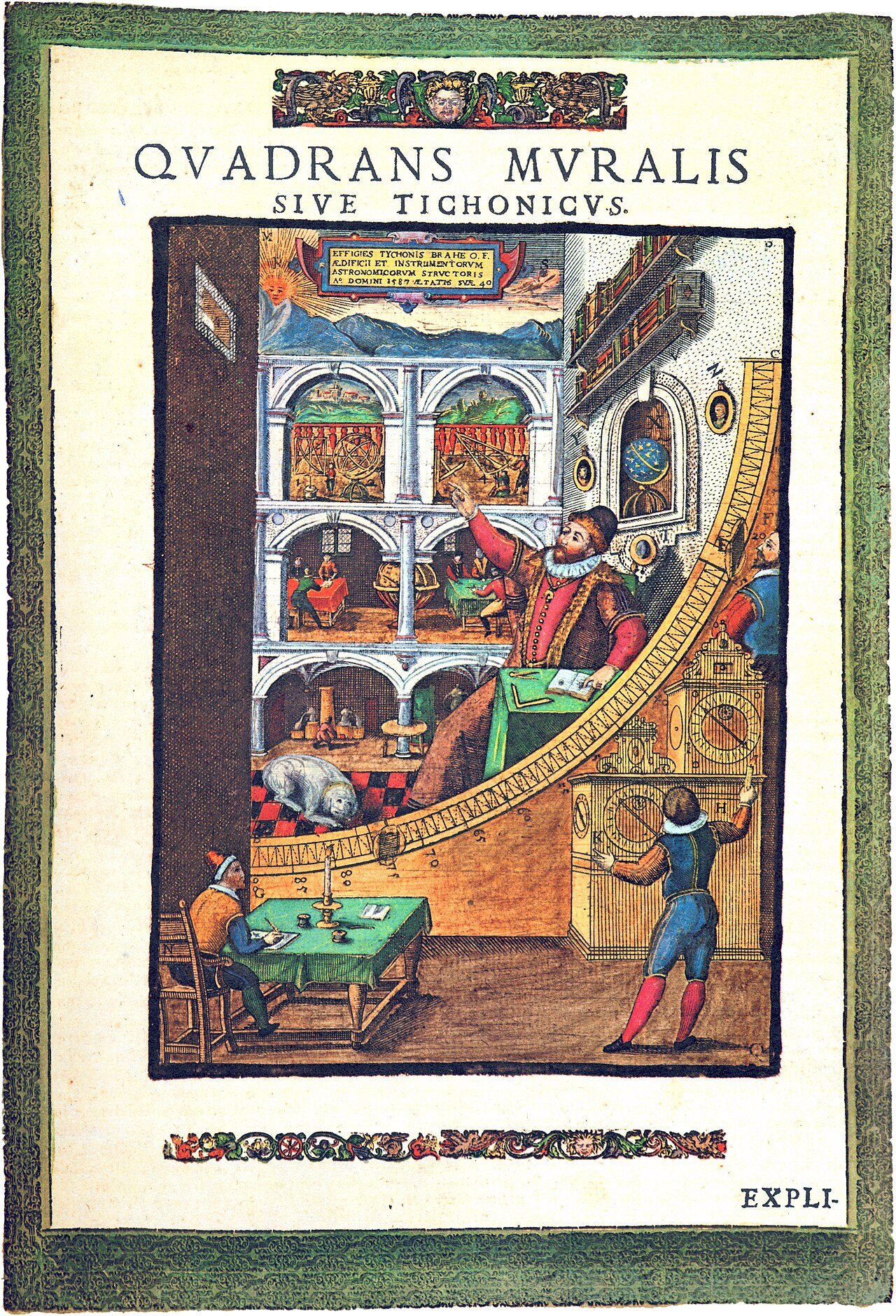
Ready when you are
Start chatting with Tycho Brahe now.
20 messages free · No credit card · Available in 50+ languages.