


Tertiary sourceArtifacttraditionally late 11th century; present structure 15th century
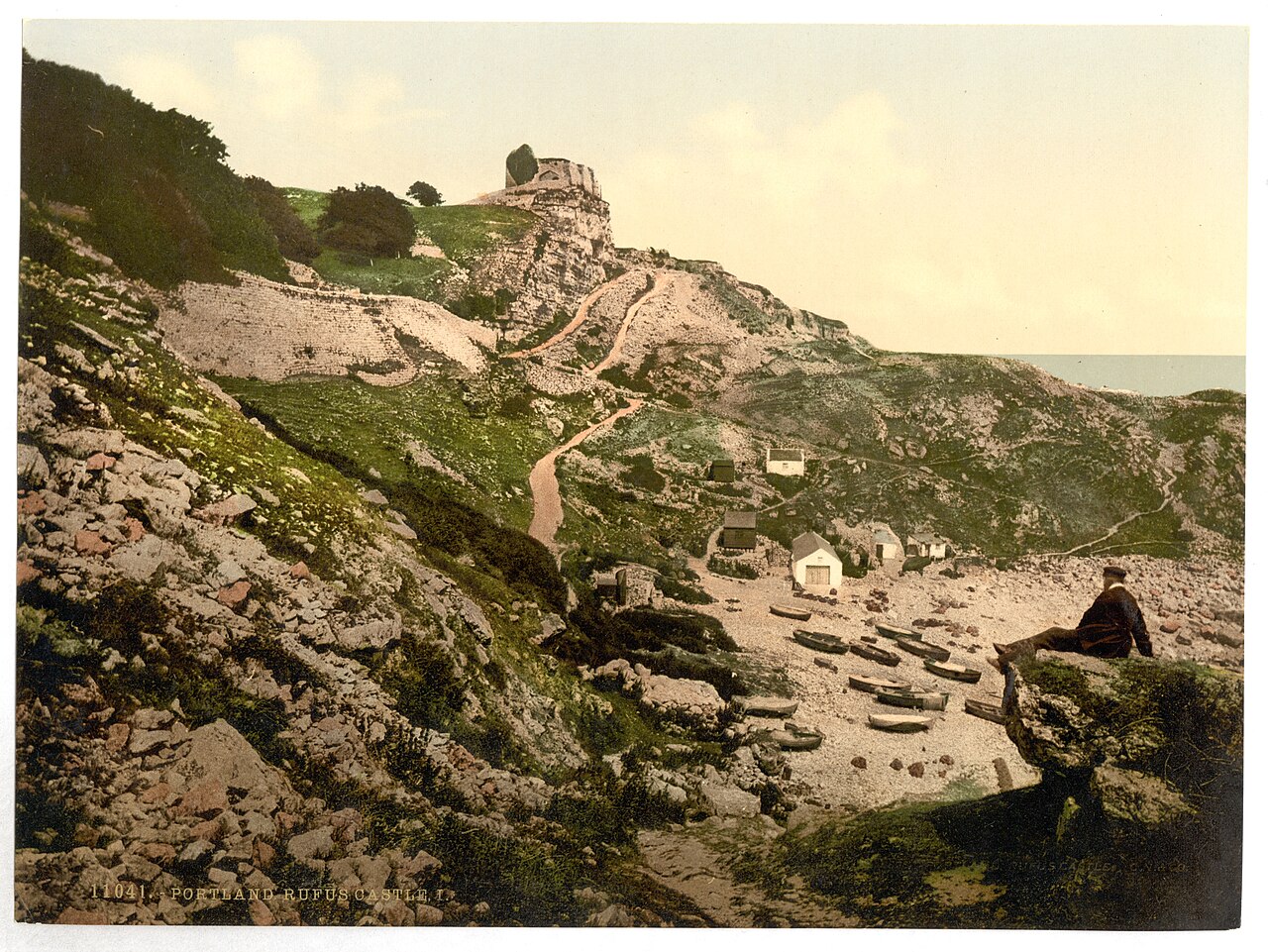
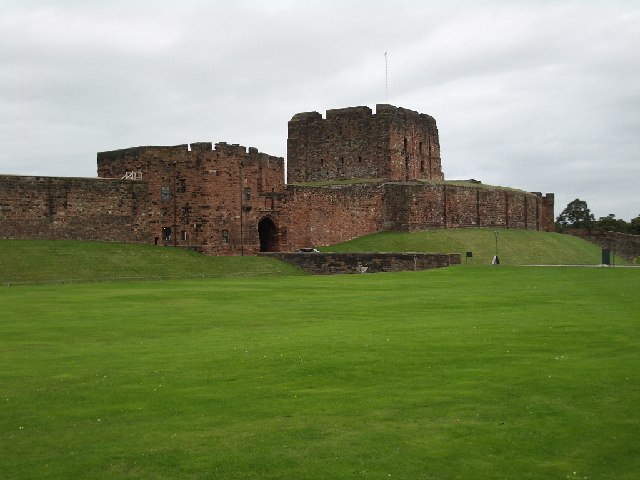
Rufus Castle
traditionally late 11th century; present structure 15th century
A partly ruined clifftop castle on the Isle of Portland, traditionally linked to William Rufus though its present stonework is much later.
Tradition, not evidence, ties this castle's name to William Rufus, showing how later memory shaped his legacy.
Free Humy account · No credit card · 120,288 sources to read
About this source
What it is
Rufus Castle, also called Bow and Arrow Castle, is a ruined stone tower overlooking Church Ope Cove on the Isle of Portland, England. Tradition connects its name to William Rufus, but the surviving masonry actually dates from the 15th century, long after his reign.
Why it matters
The castle shows how later generations linked coastal defences to William II's reputation as a builder-king, even where the physical evidence does not match. It is a reminder that place-names and traditions can attach to a king's memory without being historically accurate.
Look closer
- Why might people have wanted to connect this castle to William Rufus even though it was built later?
- What does the photochrom print add to, or leave out of, the castle's real history?
- How can you tell the difference between tradition and evidence?
This artifact is part of the curated material that grounds the AI version of William II of England on Humy.ai — when students ask about related events, the AI can quote it and cite it.
More William II of England sources
Browse all 71 →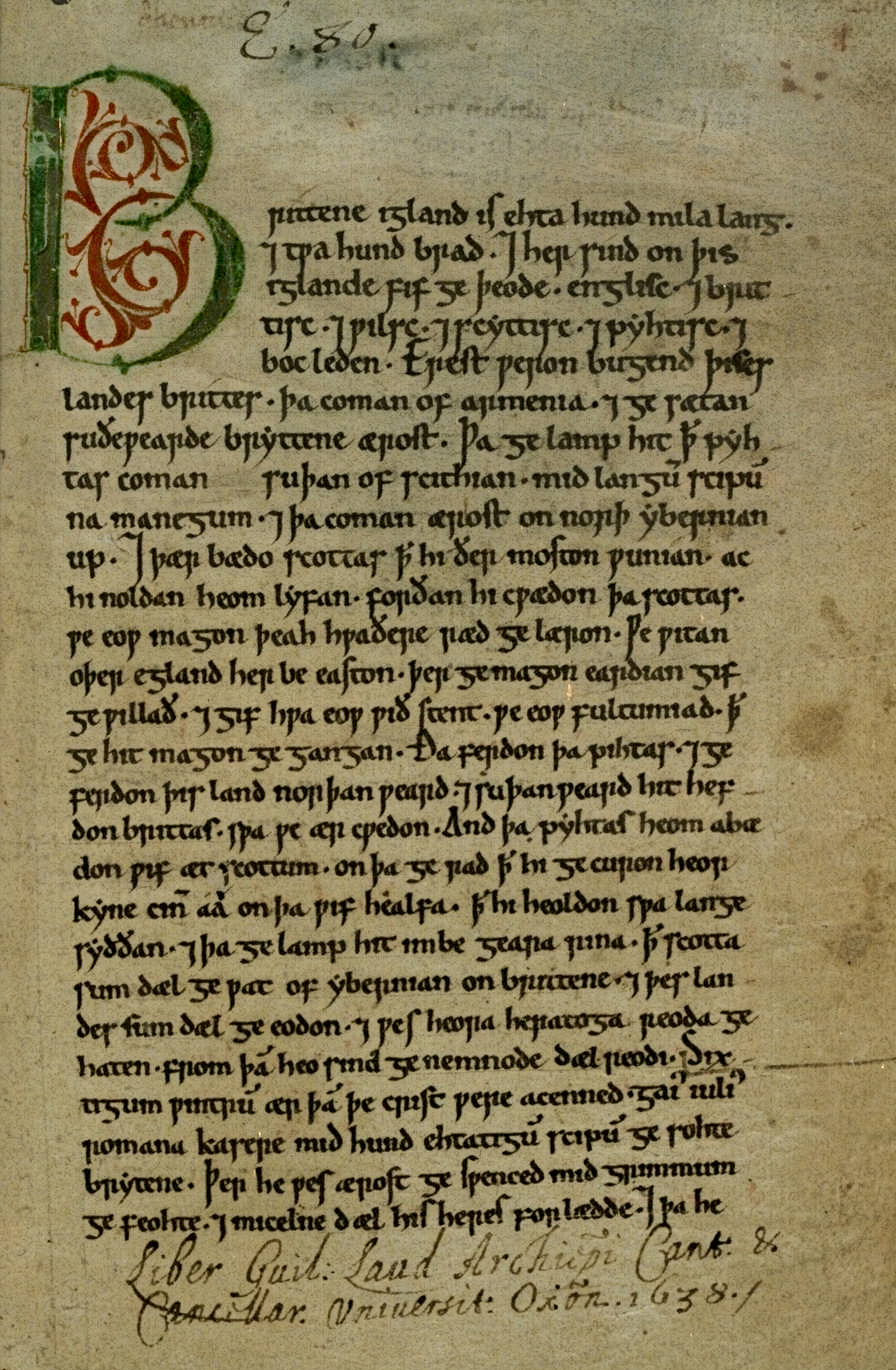 Book
Primary source
Peterborough Chronicle
c. 1130
 Artifact
Primary source
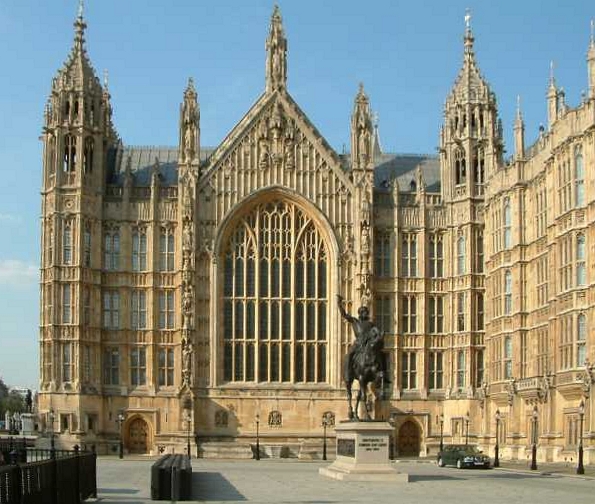
Westminster Hall
built 1097-1099, remodelled 1393
 Artifact
Primary source
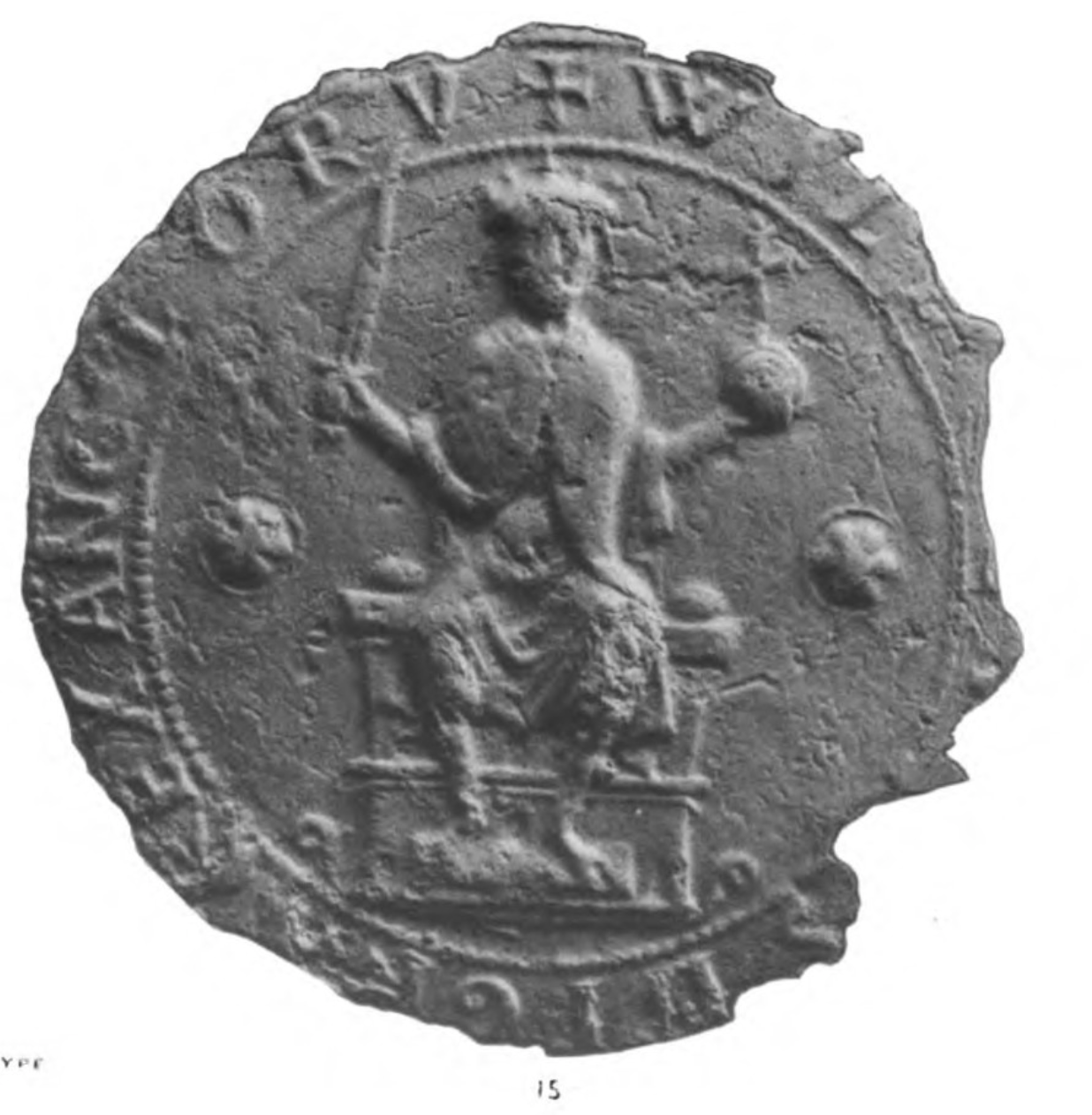
Great Seal of William II
Royal chancery of William II · c. 1087–1100
 Artifact
Primary source
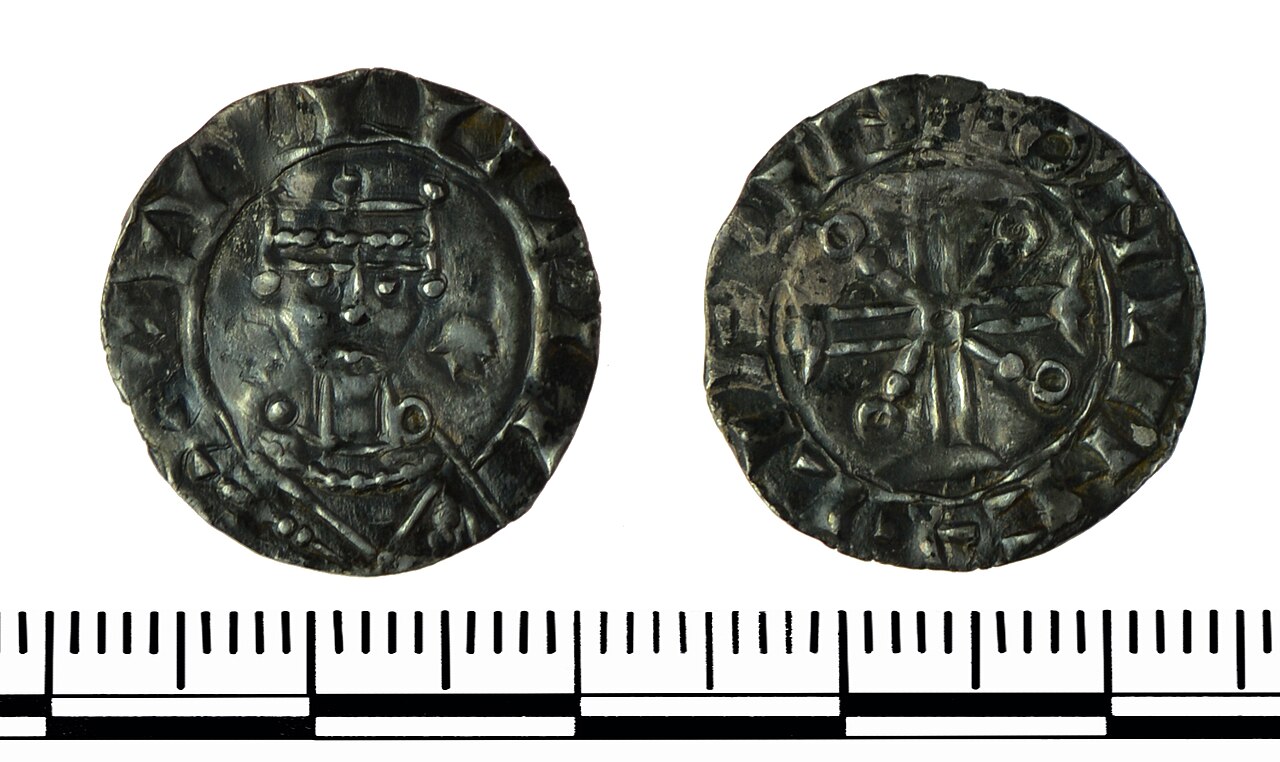
Silver pennies of William II
Royal moneyers under William II · 1087–1100
Free account
Read every William II of England source
Sign up free →
Ready when you are
Start chatting with William II of England now.
20 messages free · No credit card · Available in 50+ languages.