


Secondary sourceArtifact1841
Rufus Stone
1841
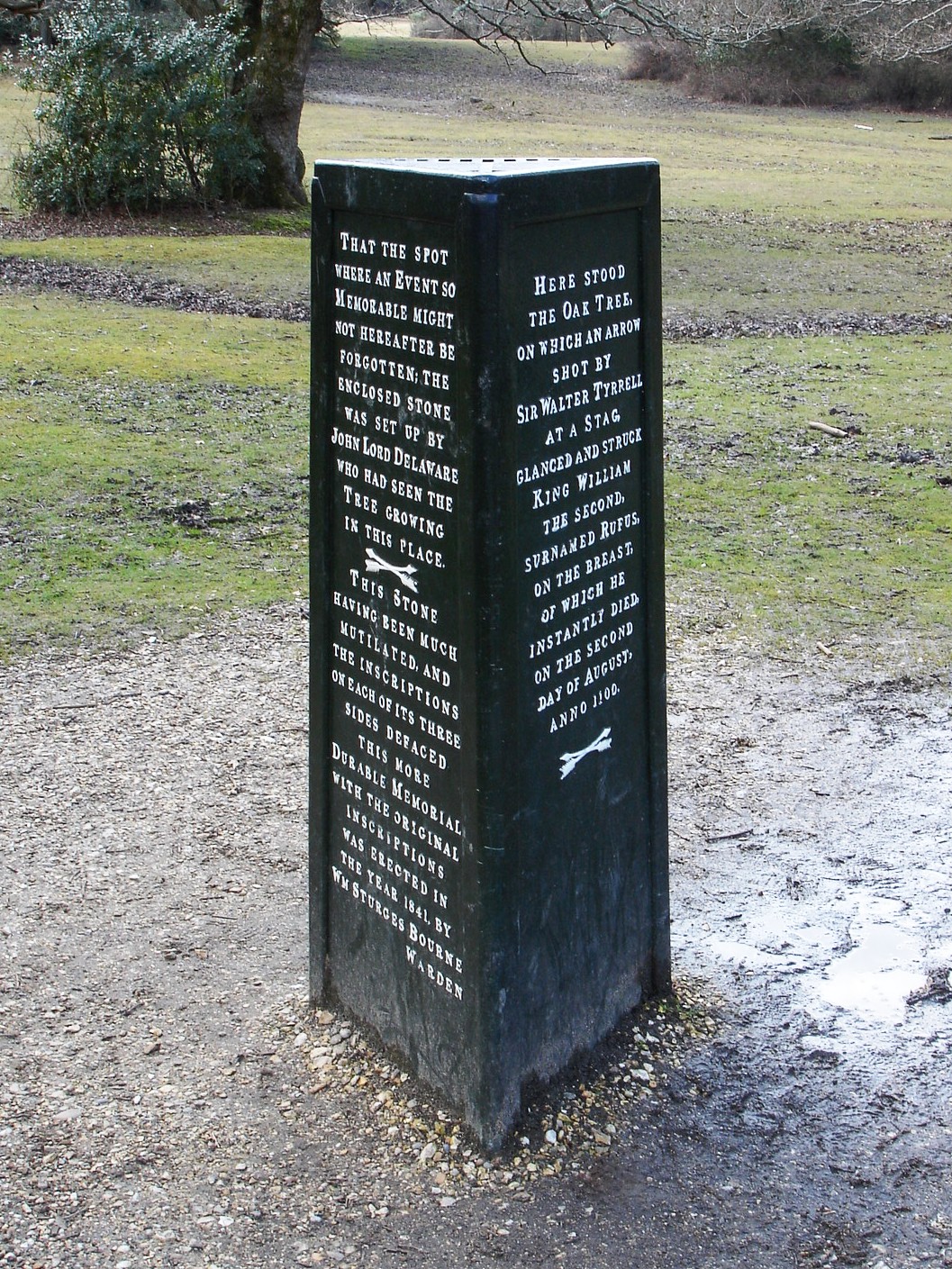
An 18th-century stone monument in the New Forest marking the traditional site of William Rufus's death.
The Rufus Stone marks the traditional spot of William Rufus's death and preserves the story of his killing.
Free Humy account · No credit card · 118,535 sources to read
About this source
What it is
The Rufus Stone is a tall stone monument standing in a clearing in the New Forest, Hampshire, England. Its inscriptions record a tradition that this was the spot where King William II (Rufus) was struck by an arrow and killed, connected to the story of a man named Tirel. The monument was erected long after the king's death and later altered in the 19th century.
Why it matters
The Rufus Stone shows how later generations chose to remember and mark the sudden, violent death of a king, even though the exact details of what happened are not fully certain. It is a monument to a story and a tradition rather than direct physical evidence from Rufus's own time, which makes it a useful example of how legends about historical figures get fixed onto places and objects.
Look closer
- Why might people want to mark the exact spot of a king's death, even centuries later?
- What is the difference between a monument built at the time of an event and one built much later?
- What questions does the inscription leave unanswered about how William Rufus actually died?
This artifact is part of the curated material that grounds the AI version of William II of England on Humy.ai — when students ask about related events, the AI can quote it and cite it.
More William II of England sources
Browse all 71 →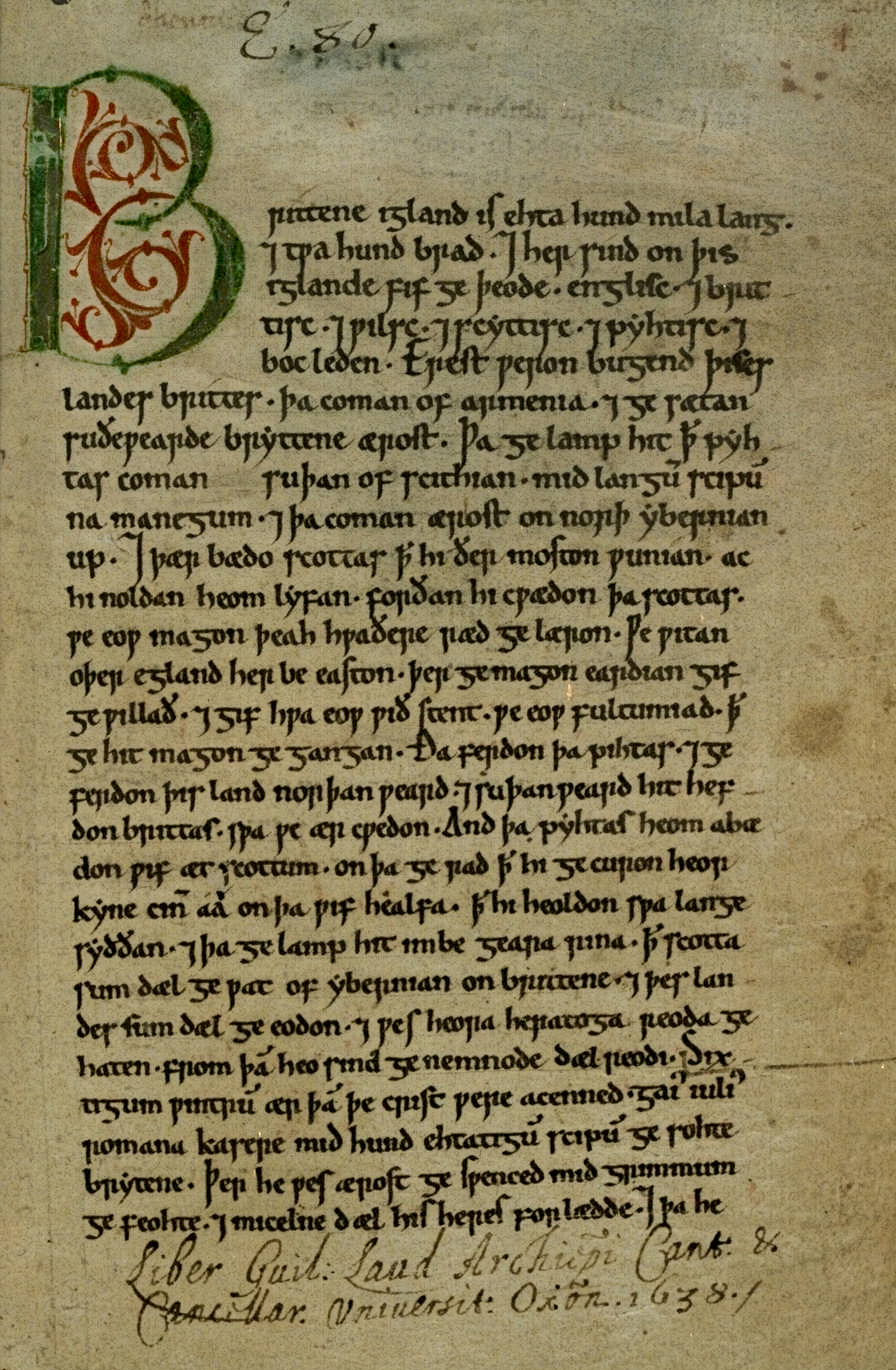 Book
Primary source
Peterborough Chronicle
c. 1130
 Artifact
Primary source
Westminster Hall
built 1097-1099, remodelled 1393
 Artifact
Primary source
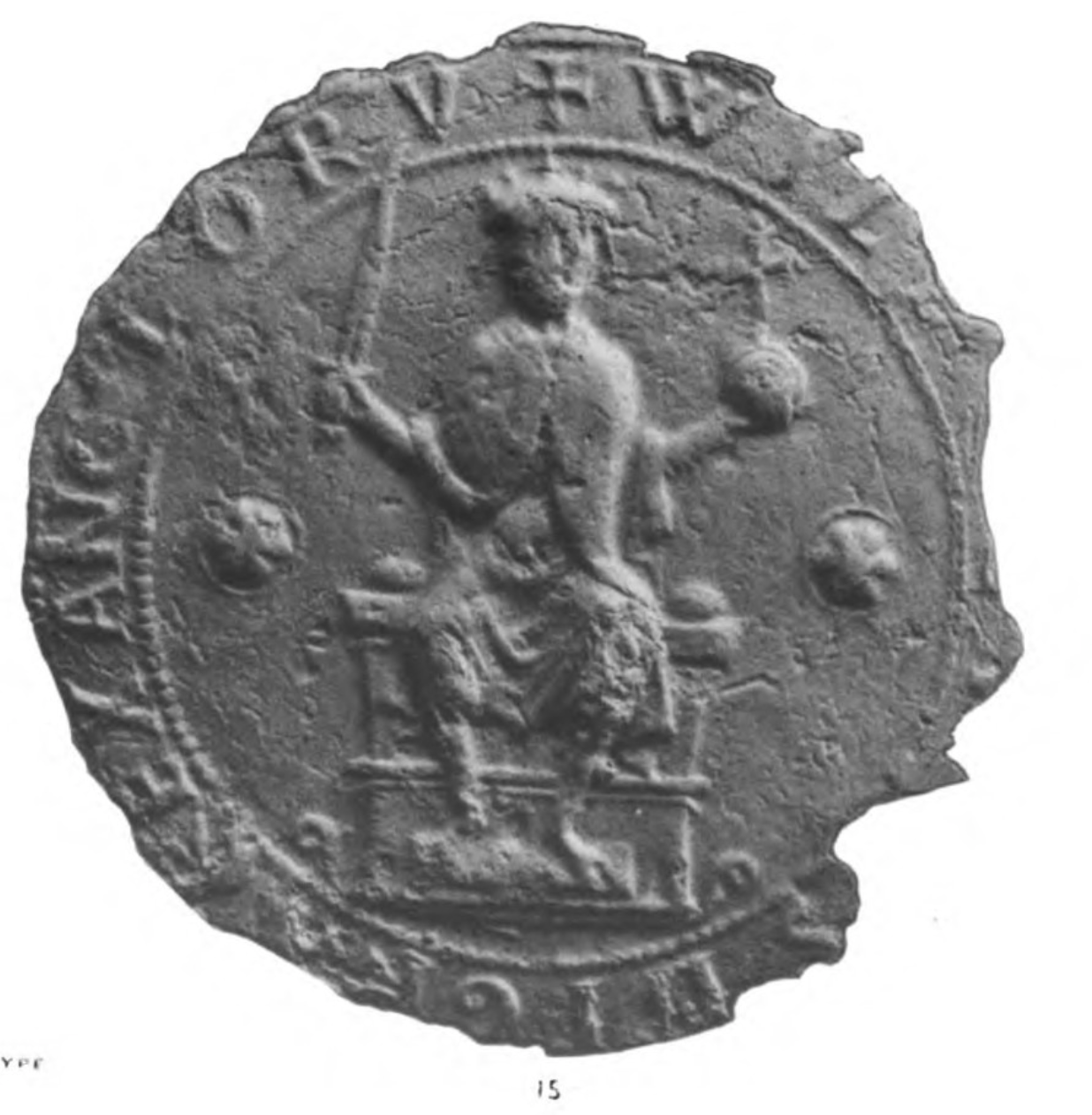
Great Seal of William II
Royal chancery of William II · c. 1087–1100
 Artifact
Primary source
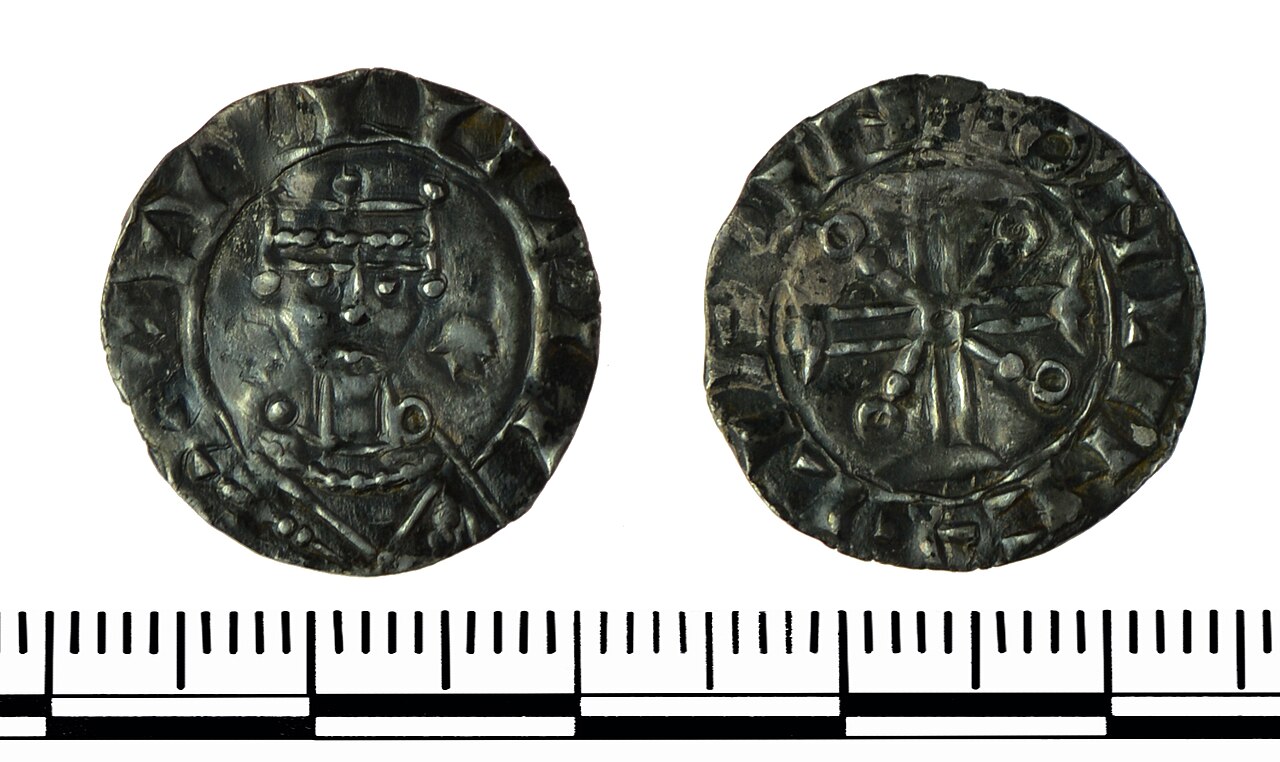
Silver pennies of William II
Royal moneyers under William II · 1087–1100
Free account
Read every William II of England source
Sign up free →
Ready when you are
Start chatting with William II of England now.
20 messages free · No credit card · Available in 50+ languages.