


Primary sourceArtifact1748
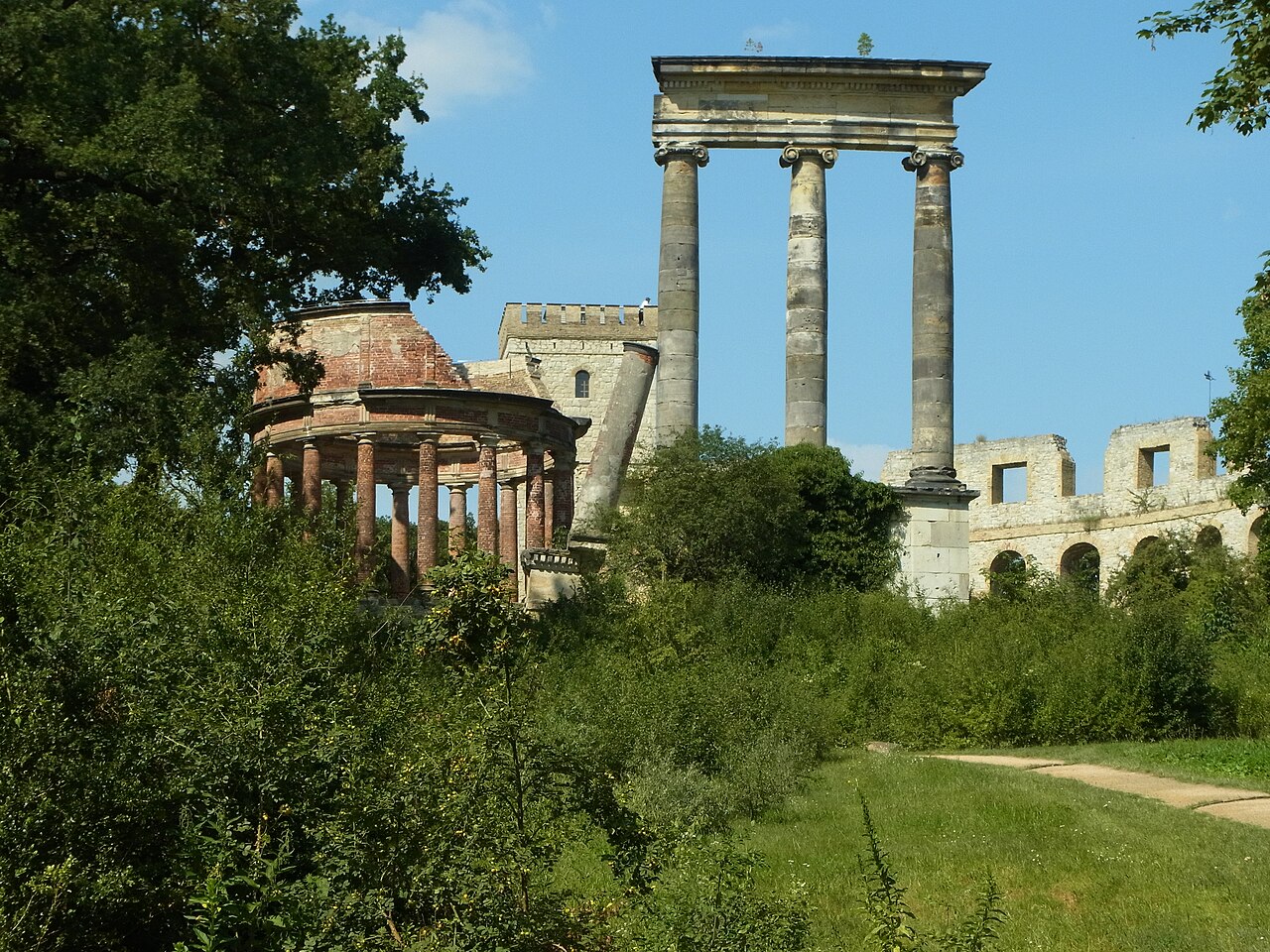
Ruinenberg
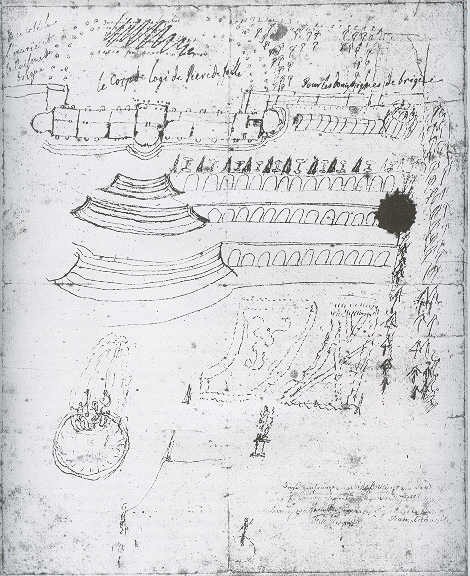
Georg Wenzeslaus von Knobelsdorff and Innocente Bellavite (ruin designs) · 1748
An artificial hill above Sanssouci Park, topped by a water tank that Frederick the Great had decorated with fake classical ruins in 1748.
Frederick commissioned this hill and its fake ruins to hide the water reservoir for his Sanssouci fountains.
About this source
What it is
The Ruinenberg is a hill north of Sanssouci Park in Potsdam. In 1748 Frederick the Great had a water tank built on top to supply the fountains of Sanssouci, and had it decorated with artificial ruins. Georg Wenzeslaus von Knobelsdorff and theatre painter Innocente Bellavite designed the imitation antique ruins. The hill was later landscaped in 1841 for Frederick William IV, to plans by Peter Joseph Lenné, and a steam-powered pumping building was added nearby.
Why it matters
The ruins show Frederick's taste for ancient Rome and Greece, which he expressed in the park's classical features. The hill also reveals his practical plans: he wanted a large supply of water for his fountains. The fountain project did not work in his lifetime, and the water system was only realised about a century after Sanssouci was built.
Look closer
- What does a fake ruin tell us that a real ruin could not, and what is hidden behind it?
- Why did a water tank need to look like an ancient monument?
- Which later rulers and designers changed this hill, and how does that change the story of Frederick's plan?
This artifact is part of the curated material that grounds the AI version of Frederick the Great on Humy.ai — when students ask about related events, the AI can quote it and cite it.
More Frederick the Great sources
Browse all 86 →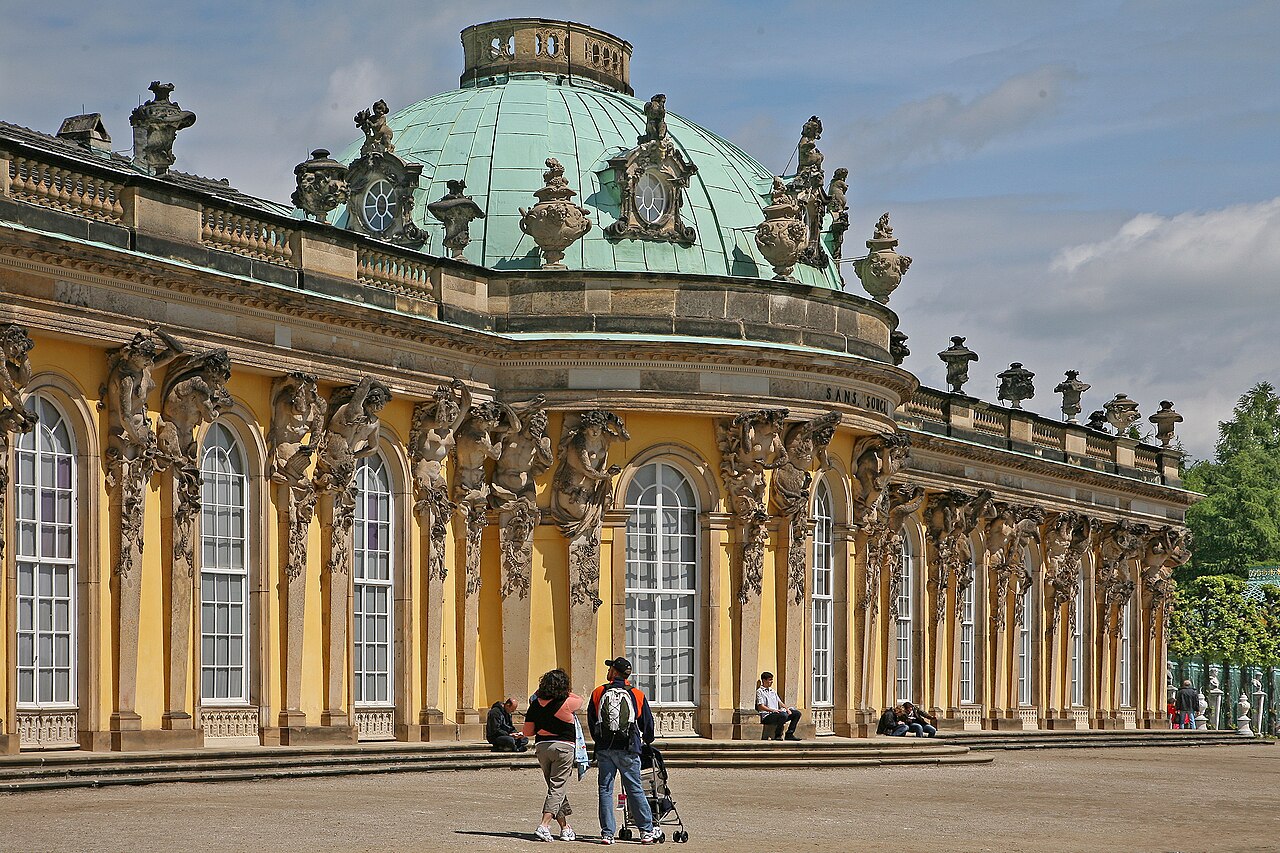 Artifact
Primary source
Sanssouci Palace
Georg Wenzeslaus von Knobelsdorff · 1745-1747
 Painting
Primary source
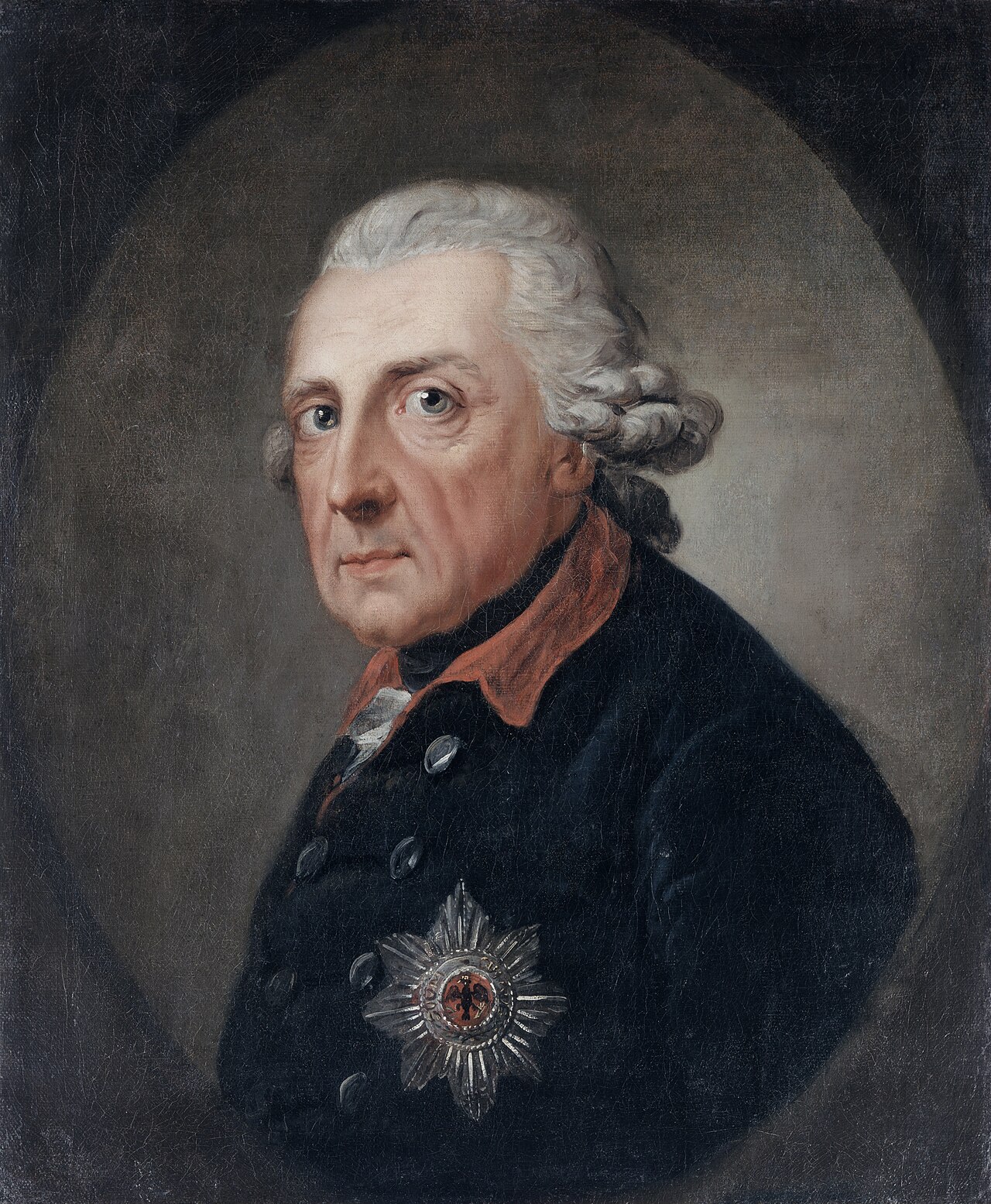
Portrait of Frederick II of Prussia
Anton Graff · 1781 or 1786
 Painting
Secondary source
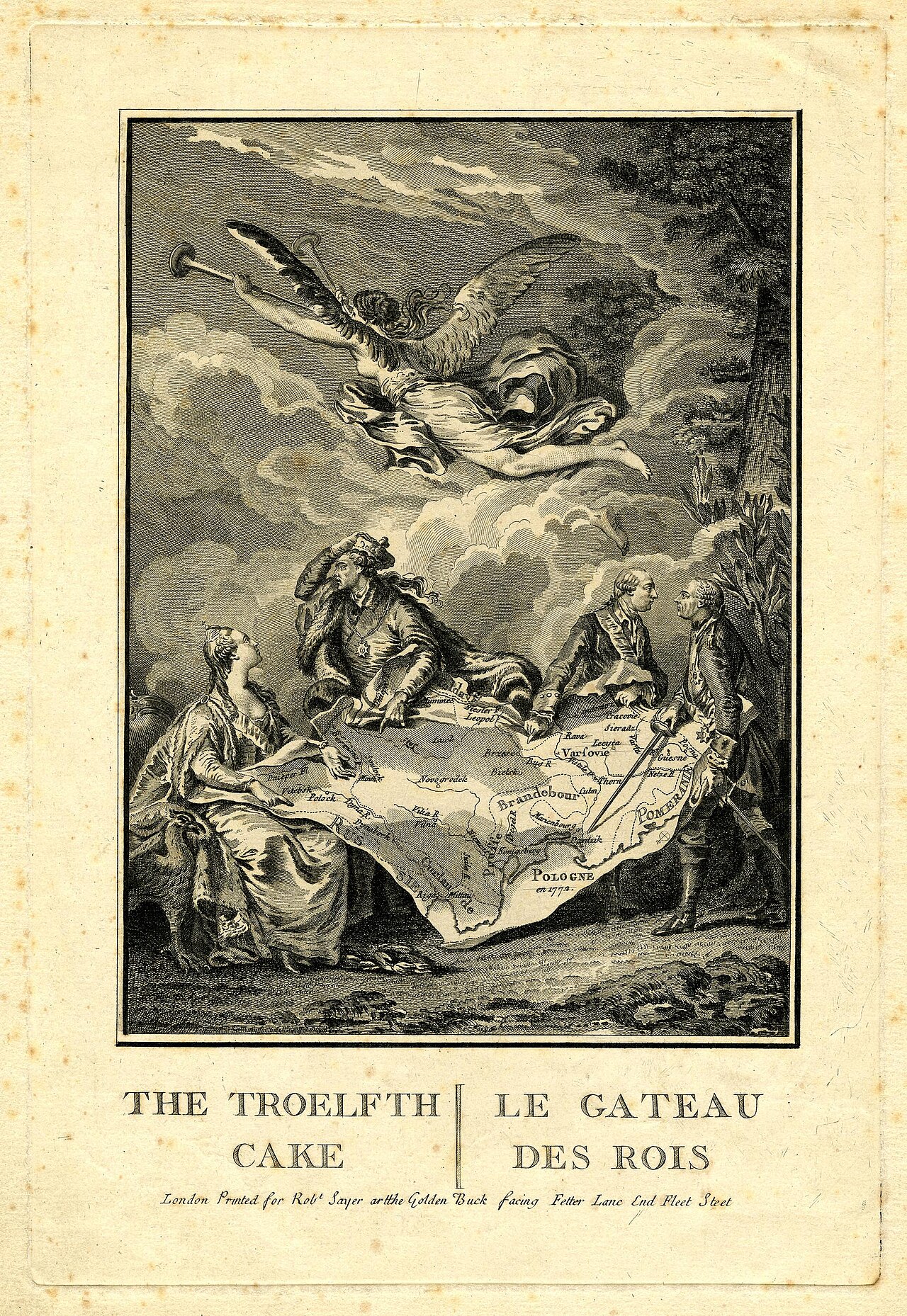
The Troelfth Cake
Noël Le Mire after Jean-Michel Moreau · 1772-1773
 Book
Primary source
Answering the Question: What Is Enlightenment?
Immanuel Kant · 1784
Free account
Read every Frederick the Great source
Sign up free →
Ready when you are
Start chatting with Frederick the Great now.
20 messages free · No credit card · Available in 50+ languages.