


Secondary sourcePhotographc. 1900-1920
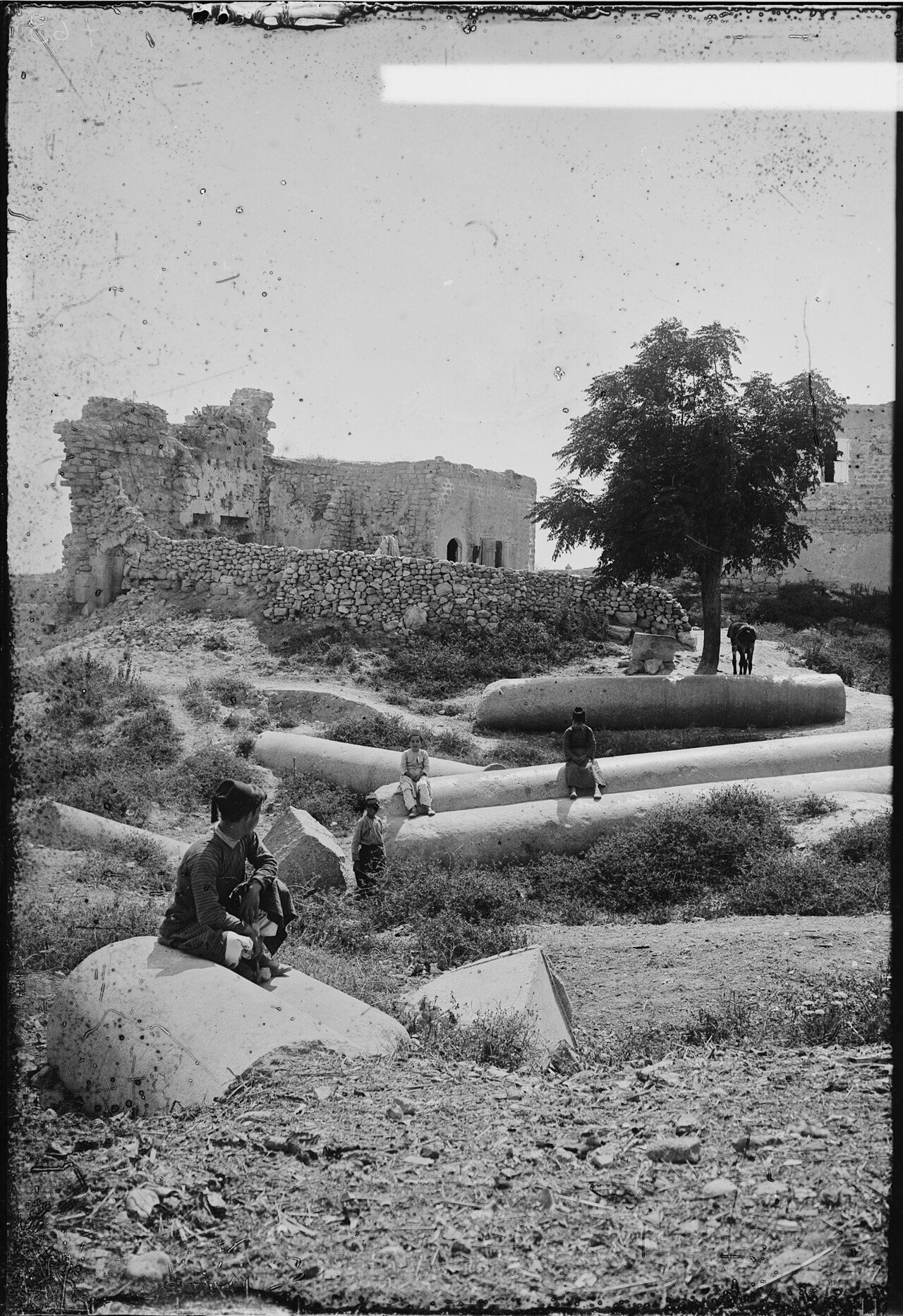
Ruins of the Crusader Cathedral at Tyre
American Colony (Jerusalem) Photo Dept. · c. 1900-1920
A photograph of the ruined Crusader cathedral at Tyre, Lebanon, where Frederick Barbarossa's bones were reportedly buried after his death on crusade.
Shows the site traditionally said to hold Frederick Barbarossa's remains after his death on crusade.
About this source
What it is
This black-and-white photograph, taken between 1900 and 1920 by the American Colony photography department in Jerusalem, shows the ruined stone walls of a Crusader-era cathedral in Tyre, southern Lebanon. Children sit on fallen columns in the foreground.
Why it matters
According to tradition, the bones of Holy Roman Emperor Frederick Barbarossa were buried here after he died while leading the Third Crusade. The photograph does not show Frederick himself, but captures the later state of a site connected to the stories told about his death and burial.
Look closer
- What does the ruined state of the building tell you about the passage of time since the Crusades?
- Why might photographers around 1900 have been interested in documenting Crusader ruins?
- What does the photograph not tell us about whether Frederick was really buried here?
This photograph is part of the curated material that grounds the AI version of Frederick Barbarossa on Humy.ai — when students ask about related events, the AI can quote it and cite it.
More Frederick Barbarossa sources
Browse all 95 →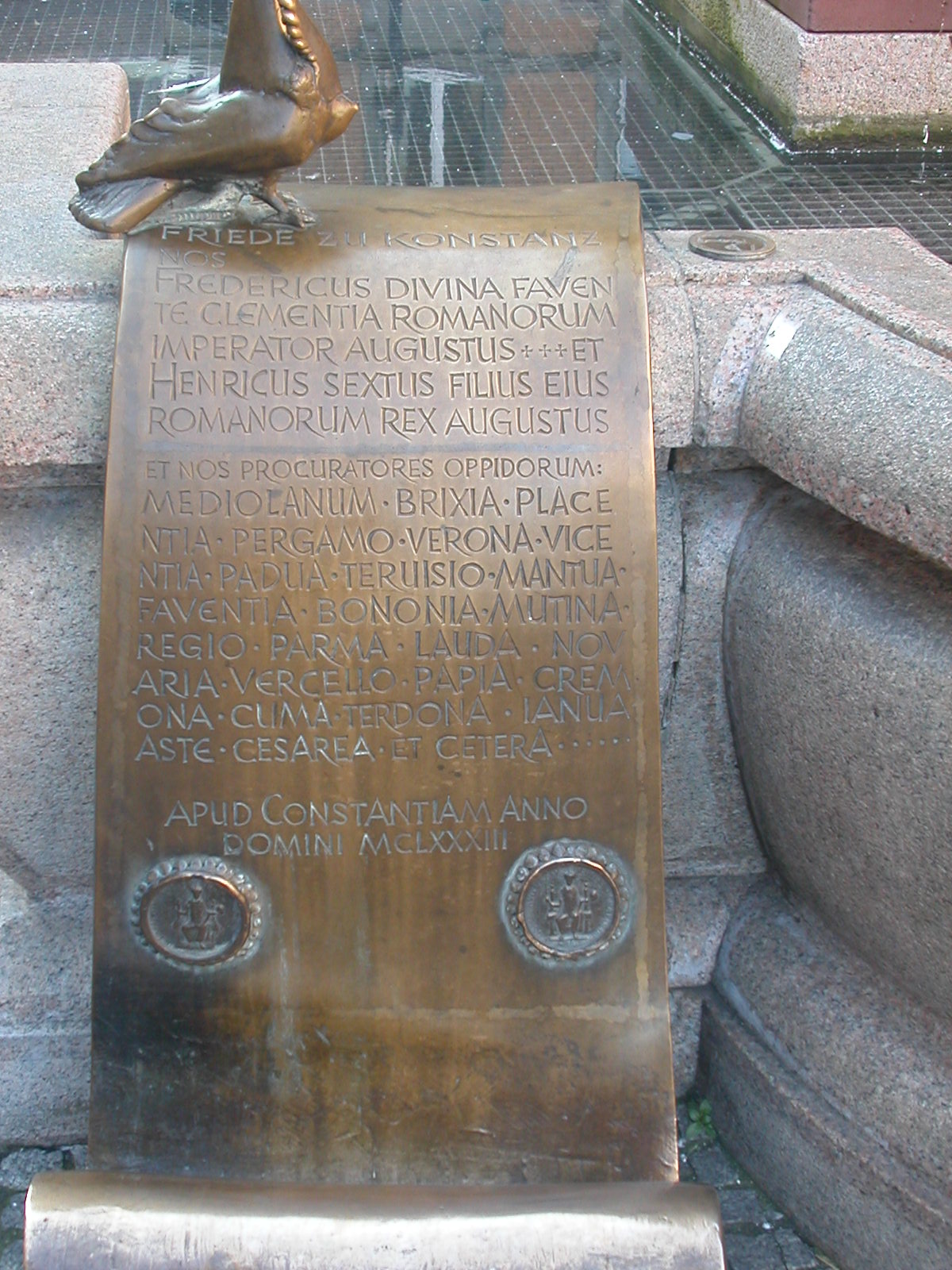 Document
Primary source
Peace of Constance
Frederick I Barbarossa · 25 June 1183
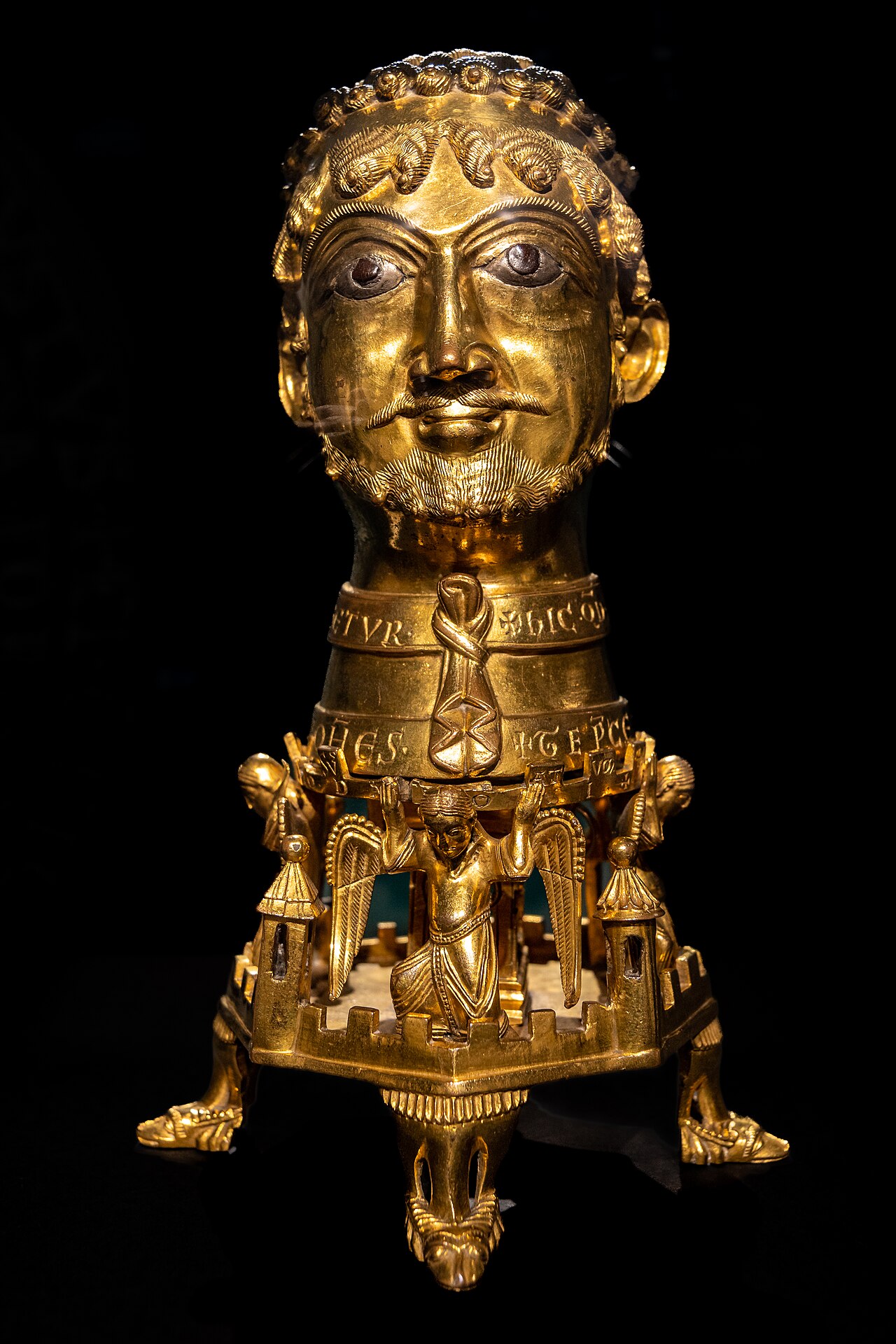 Sculpture
Primary source
Cappenberg Head
c. 1160
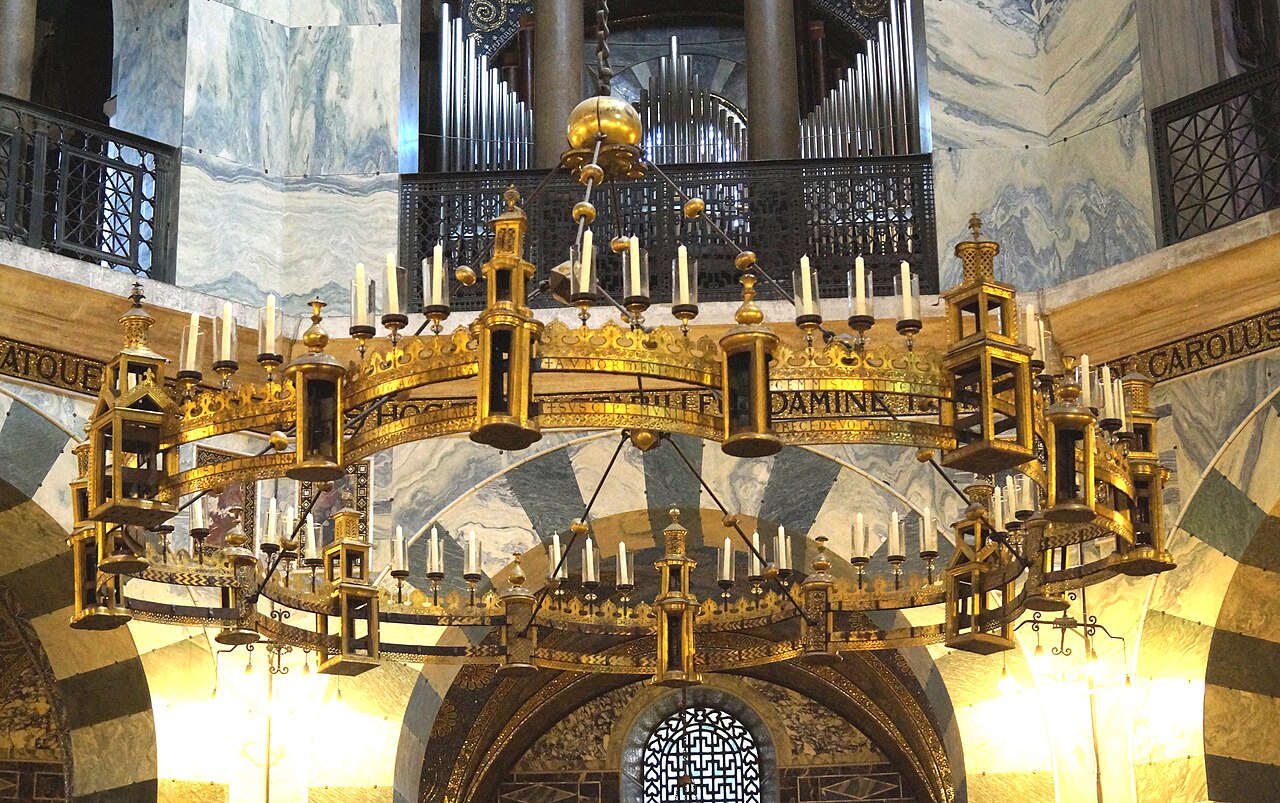 Artifact
Primary source
Barbarossa Chandelier
c. 1165-1170
 Document
Primary source
Authentica habita
Frederick I Barbarossa · c. 1155
Free account
Read every Frederick Barbarossa source
Sign up free →
Ready when you are
Start chatting with Frederick Barbarossa now.
20 messages free · No credit card · Available in 50+ languages.