


Secondary sourceArtifactAH 654 / AD 1258
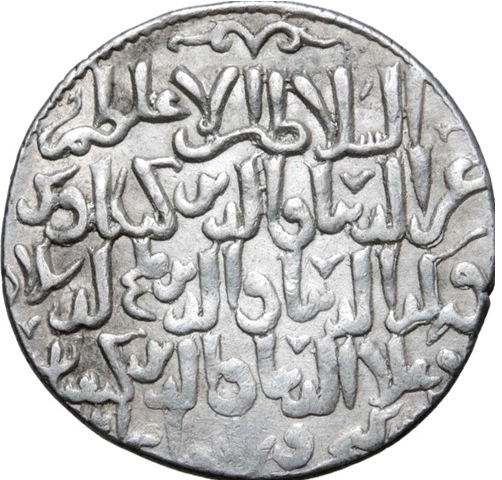
Rum Seljuq dirham naming three brothers
AH 654 / AD 1258
A silver coin minted in Konya in 1258 names three Seljuq sultan brothers, including Kayqubad, about twenty years after his death.
This coin, minted after his death, names Kayqubad among brothers who continued to invoke his royal lineage.
About this source
What it is
This is a silver dirham struck at the Konya (Quniya) mint in the Islamic year AH 654, equal to AD 1258. Its surface carries five lines of Arabic calligraphy naming three brothers who held royal titles: Kayka'us, Qilij Arslan, and Kayqubad, son of Kaykhusraw. It is held today in a museum collection, as recorded by the David Museum in Copenhagen.
Why it matters
Coins like this were official statements of power in the Seljuq state, carrying the names and titles of rulers across the realm. This coin was minted about two decades after Kayqubad's death, showing how his name and lineage continued to be used to legitimize rule by his successors, the three brothers who shared or competed for the throne.
Look closer
- Why might a coin name three rulers at once instead of just one?
- What does the choice of titles like "Pillar of the World and the Faith" tell us about how these rulers wanted to be seen?
- Why would a coin struck after Kayqubad's death still include his name?
This artifact is part of the curated material that grounds the AI version of Kayqubad I on Humy.ai — when students ask about related events, the AI can quote it and cite it.
More Kayqubad I sources
Browse all 87 →
Ready when you are
Start chatting with Kayqubad I now.
20 messages free · No credit card · Available in 50+ languages.