


Secondary sourceArtifact6 June 2009
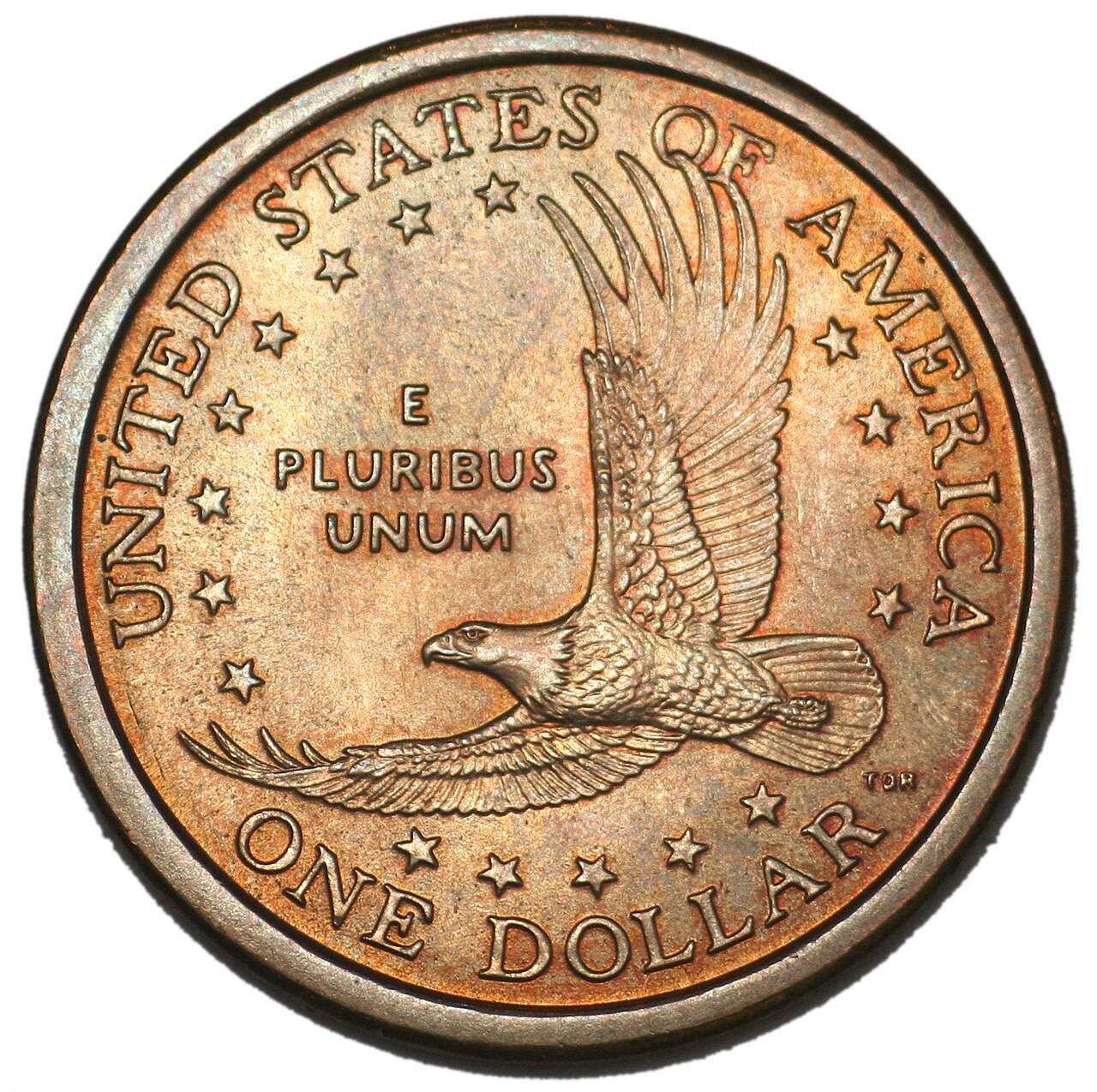
Sacagawea Dollar Coin, Reverse Side
Matthias from Seattle, WA, US · 6 June 2009
The tails side of a US Sacagawea dollar coin, showing a flying eagle rather than Sacagawea herself.
The reverse of the dollar coin whose front honors Sacagawea, included for context on the coin series.
About this source
What it is
This 2009 photograph shows the reverse side of a US one-dollar coin, featuring an eagle in flight surrounded by thirteen stars and standard coin inscriptions.
Why it matters
This is the back of the coin whose front bears a portrait inspired by Sacagawea. While the obverse honors her as a guide for the Lewis and Clark Expedition, this reverse side shows only a national symbol, the eagle, with no direct link to her life.
Look closer
- Why might a coin designer choose an eagle for one side and a historical figure for the other?
- What does the choice of imagery tell you about what the coin is meant to represent?
- Does this side of the coin add anything to our understanding of Sacagawea?
This artifact is part of the curated material that grounds the AI version of Sacajawea on Humy.ai — when students ask about related events, the AI can quote it and cite it.
More Sacajawea sources
Meet the AI Sacajawea →Primary source
Journals of the Lewis and Clark Expedition
Meriwether Lewis and William Clark · 1804–1806
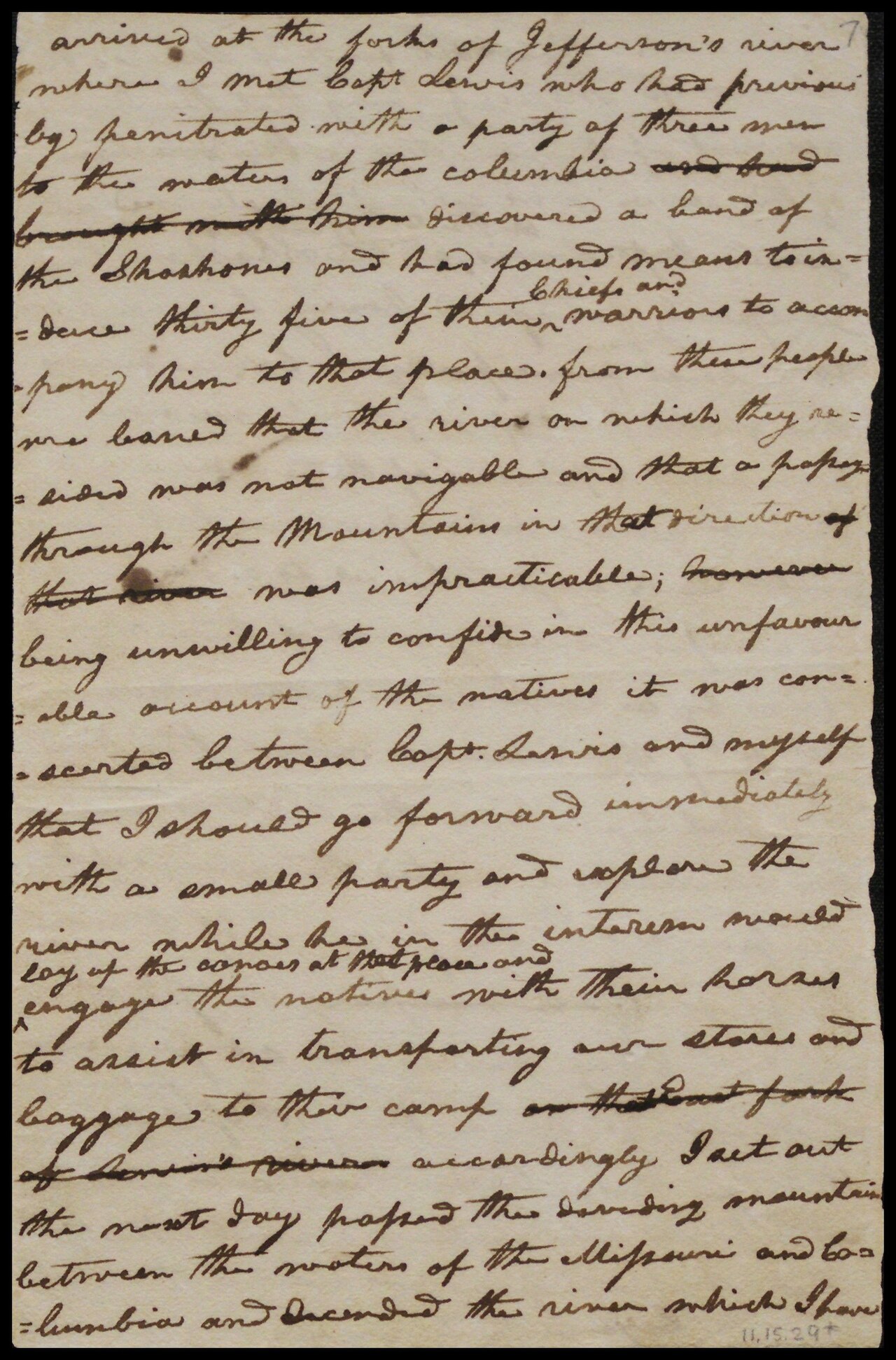 Letter
Primary source
William Clark's Letter to Toussaint Charbonneau
William Clark · 20 August 1806
 Document
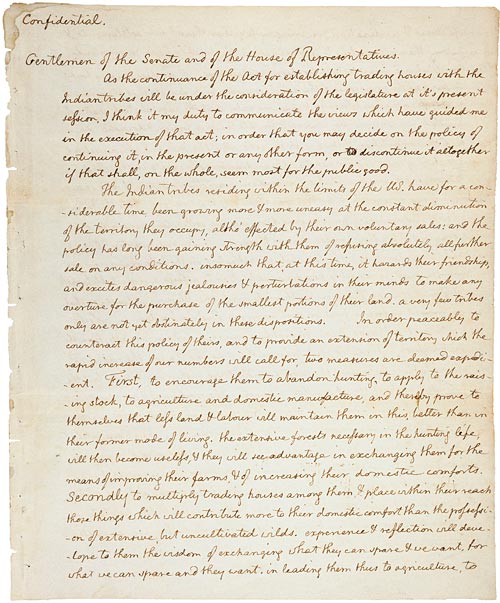
Primary source
Jefferson's Secret Message to Congress Regarding the Lewis and Clark Expedition
Thomas Jefferson · 18 January 1803
Primary source
Louisiana Purchase Treaty
30 April 1803
 Artifact
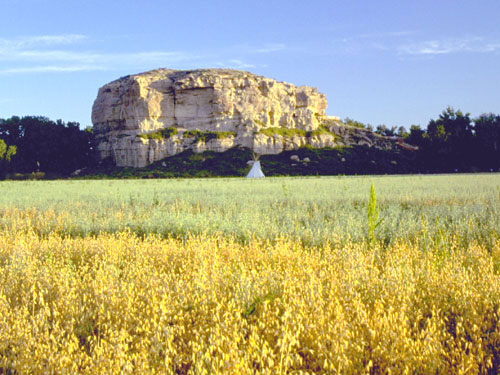
Primary source
Pompeys Pillar National Monument
William Clark · carved 25 July 1806; designated monument 2001
Ready when you are
Start chatting with Sacajawea now.
20 messages free · No credit card · Available in 50+ languages.