


Secondary sourcePainting1905
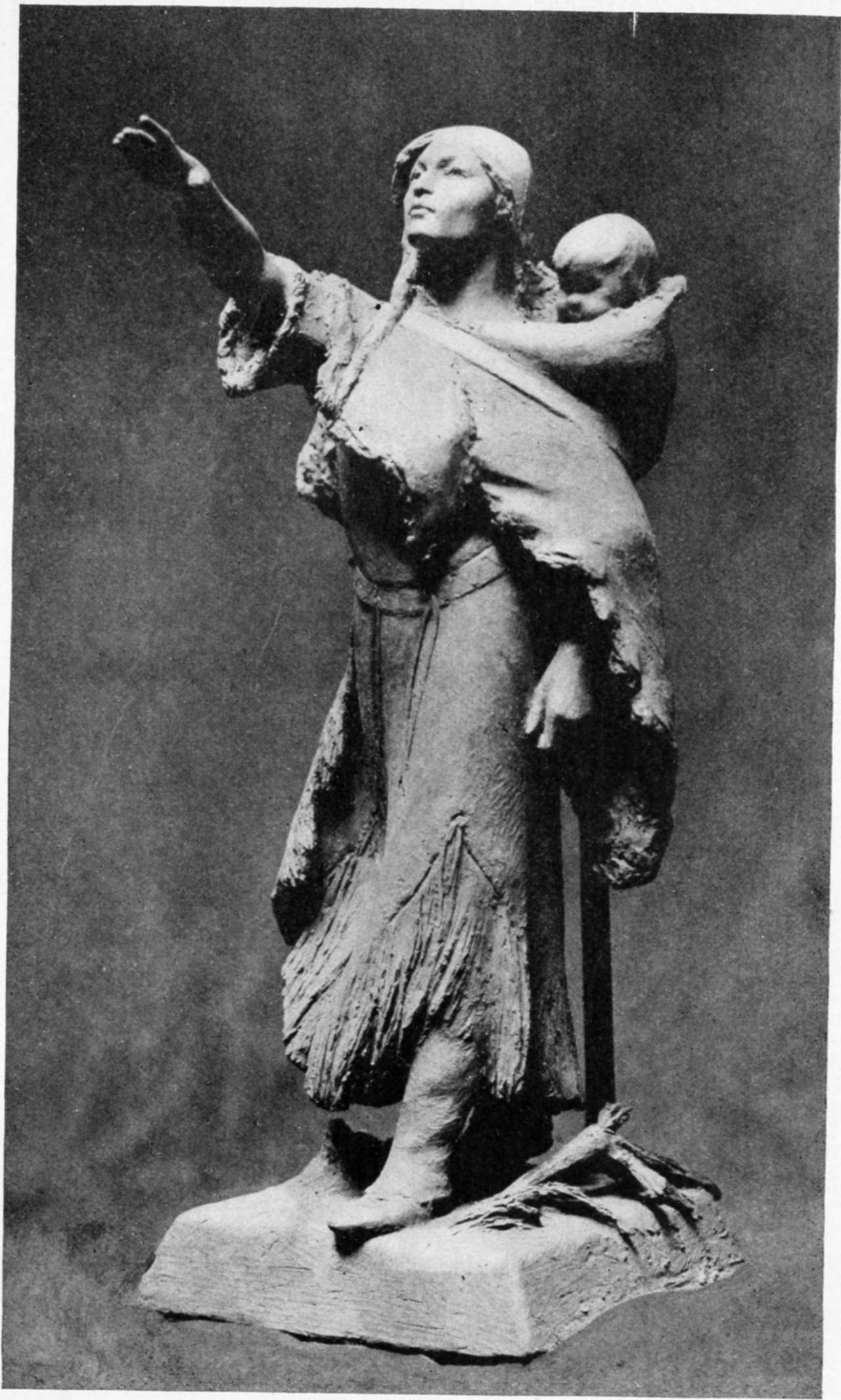
Sacajawea from Nixon book
Oliver Woodson Nixon et al. · 1905
An illustration of a sculpture of Sacagawea reproduced in a 1905 book about Marcus Whitman, reflecting the romanticized 'Indian princess' image popular at the time.
This 1905 illustration shows the romanticized image of Sacagawea that circulated during the expedition's centennial era.
About this source
What it is
This black-and-white image, printed in Oliver Woodson Nixon's 1905 book about Whitman's journey, shows a bronze-toned sculpture of a woman in a long dress with a child carried on her back, one arm pointing forward.
Why it matters
The image reflects how Sacagawea was depicted during the early 1900s, a period when Americans were commemorating the centennial of the Lewis and Clark Expedition. These depictions often romanticized her as an idealized 'Indian princess' figure rather than showing her as a real historical person, telling us more about the era that created the image than about Sacagawea herself.
Look closer
- What choices did the sculptor make about pose and clothing, and why?
- How does this image compare to what we actually know about Sacagawea's life?
- Why might early 20th-century Americans have wanted to celebrate her this way?
This painting is part of the curated material that grounds the AI version of Sacajawea on Humy.ai — when students ask about related events, the AI can quote it and cite it.
More Sacajawea sources
Meet the AI Sacajawea →Primary source
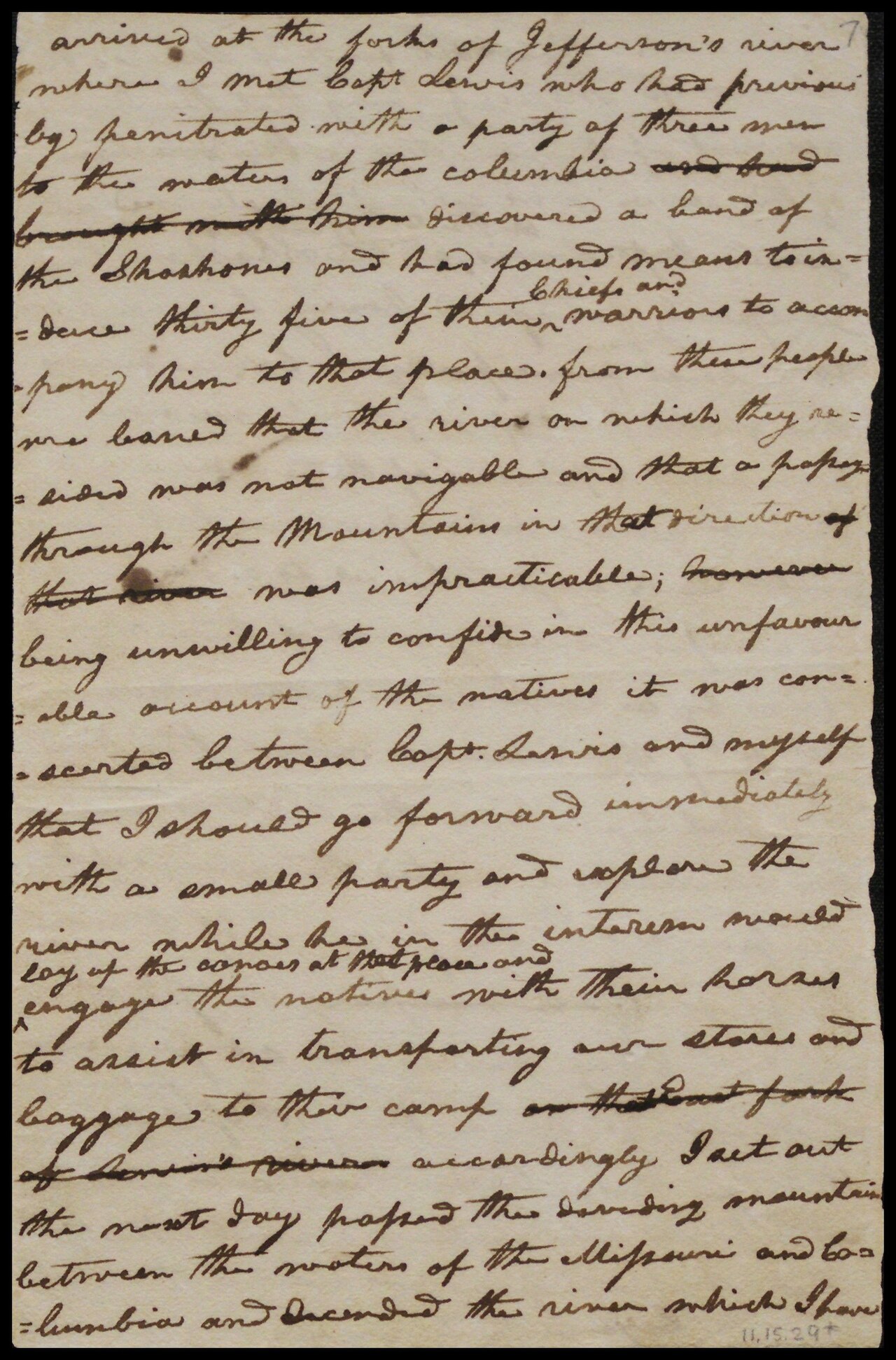
Journals of the Lewis and Clark Expedition
Meriwether Lewis and William Clark · 1804–1806
 Letter
Primary source
William Clark's Letter to Toussaint Charbonneau
William Clark · 20 August 1806
 Document
Primary source
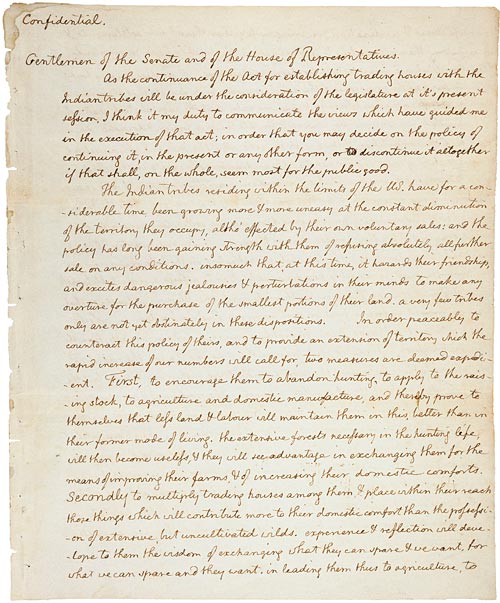
Jefferson's Secret Message to Congress Regarding the Lewis and Clark Expedition
Thomas Jefferson · 18 January 1803
Primary source
Louisiana Purchase Treaty
30 April 1803
 Artifact
Primary source
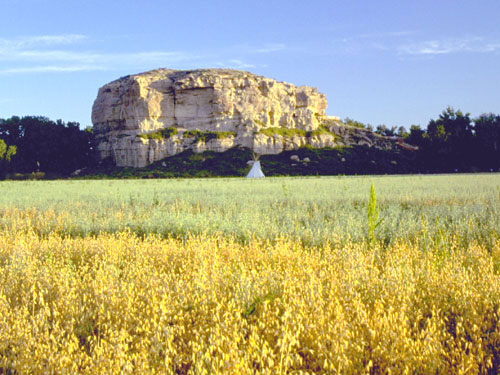
Pompeys Pillar National Monument
William Clark · carved 25 July 1806; designated monument 2001
Ready when you are
Start chatting with Sacajawea now.
20 messages free · No credit card · Available in 50+ languages.