


Primary sourcePhotograph1905
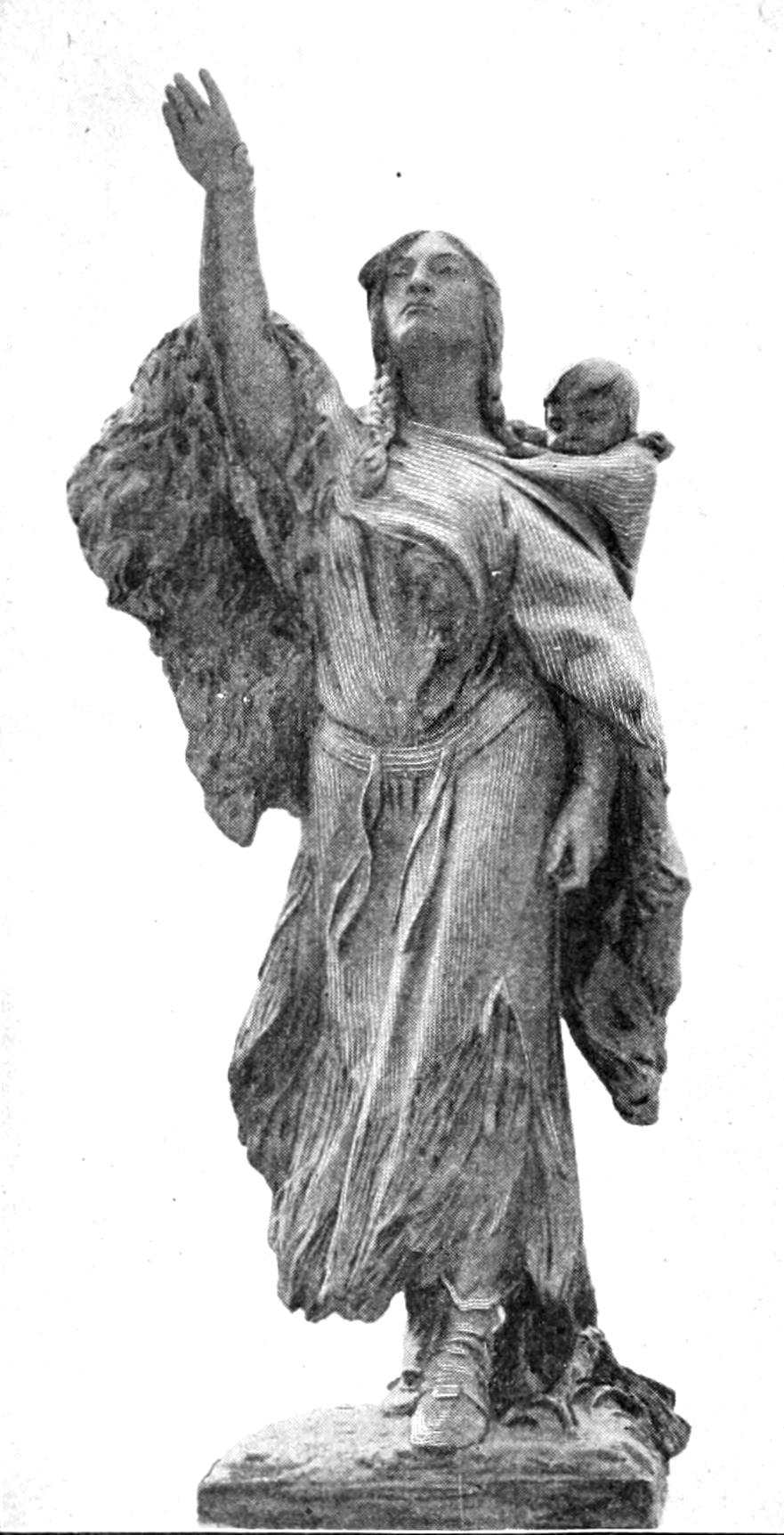
Sacajawea, Interpreter for Lewis and Clark, Statue at 1905 Exposition
Doane Robinson · 1905
A 1905 photograph of a bronze statue of Sacagawea displayed at the Lewis and Clark Exposition.
An early monument photograph showing how Sacagawea was publicly honored shortly after the expedition's centennial.
About this source
What it is
This black and white photograph, taken by Doane Robinson in 1905, shows a bronze statue of a woman with a long braid, one arm raised, carrying a baby on her back, displayed at the Lewis and Clark Exposition.
Why it matters
This photograph documents one of the early public monuments to Sacagawea, created not long after the centennial of the expedition. It shows how, by the early 1900s, Americans were already building statues to celebrate her as a heroic guide and mother figure.
Look closer
- Why do you think the sculptor chose to show her with a raised arm and a baby on her back?
- What does the setting — a national exposition — tell you about the audience for this statue?
- What parts of her real life might a statue like this not be able to show?
This photograph is part of the curated material that grounds the AI version of Sacajawea on Humy.ai — when students ask about related events, the AI can quote it and cite it.
More Sacajawea sources
Meet the AI Sacajawea →Primary source
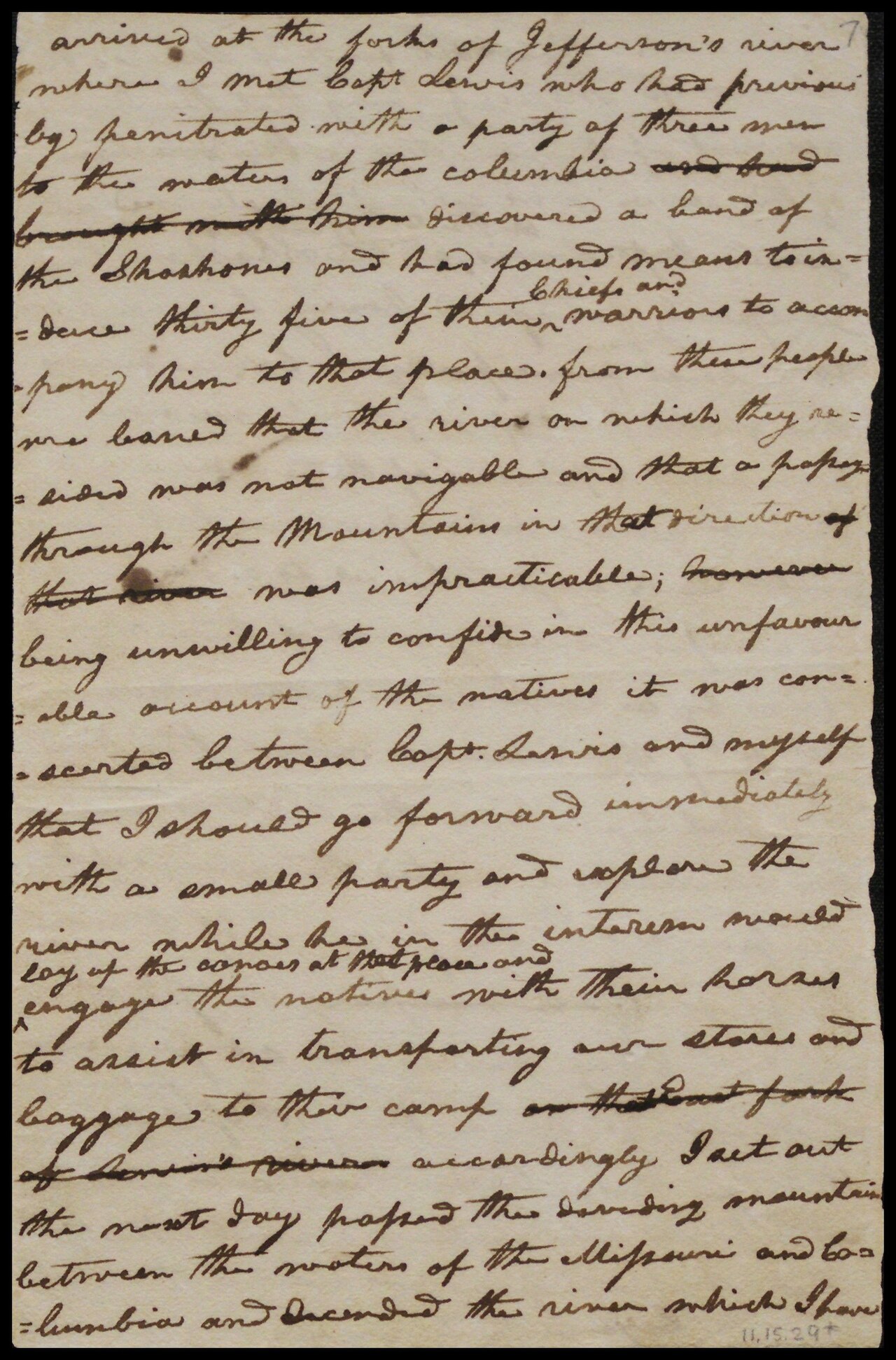
Journals of the Lewis and Clark Expedition
Meriwether Lewis and William Clark · 1804–1806
 Letter
Primary source
William Clark's Letter to Toussaint Charbonneau
William Clark · 20 August 1806
 Document
Primary source
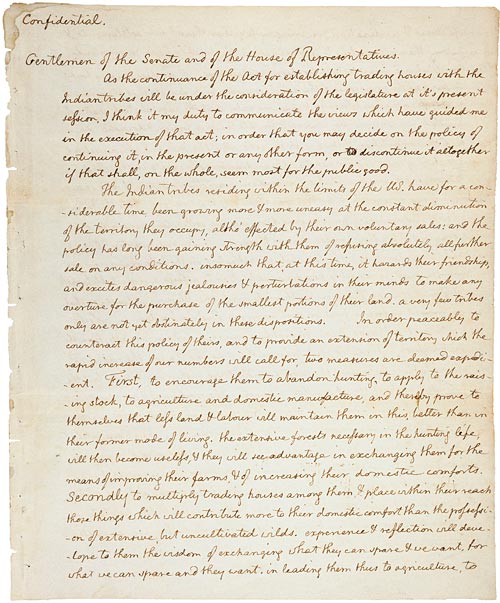
Jefferson's Secret Message to Congress Regarding the Lewis and Clark Expedition
Thomas Jefferson · 18 January 1803
Primary source
Louisiana Purchase Treaty
30 April 1803
 Artifact
Primary source
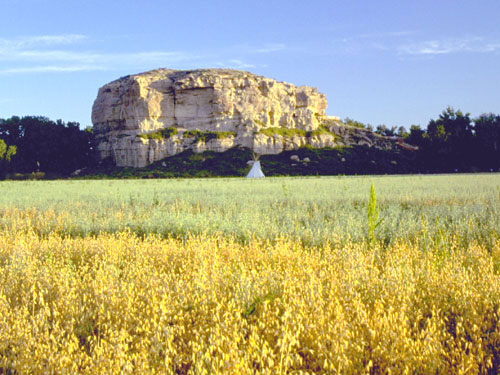
Pompeys Pillar National Monument
William Clark · carved 25 July 1806; designated monument 2001
Ready when you are
Start chatting with Sacajawea now.
20 messages free · No credit card · Available in 50+ languages.