


Secondary sourceSculpture1914
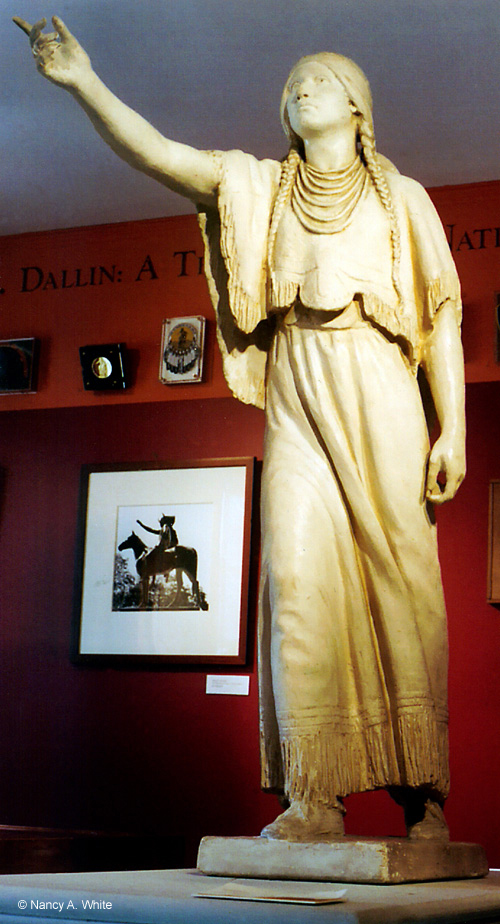
Sacajawea Sculpture by Cyrus Dallin
Cyrus Dallin · 1914
A photograph of a plaster sculpture by Cyrus Dallin depicting Sacagawea, part of his effort to honor Indigenous people in art.
This sculpture, believed to depict Sacagawea, is part of early 20th-century efforts to memorialize her in American art.
About this source
What it is
This photograph shows a plaster sculpture by Cyrus Dallin, now held at the Cyrus Dallin Art Museum. It depicts a Native American woman with braided hair and a fringed shawl, one arm raised.
Why it matters
Dallin was known for sculpting Indigenous people and women at a time when most public sculpture celebrated war heroes. His work, including this piece believed to represent Sacagawea, reflects his concern for the treatment of Native peoples in his era.
Look closer
- What details in the sculpture suggest the artist wanted to show dignity and movement?
- Why might Dallin have chosen to sculpt Indigenous subjects when this was unusual?
- What can and can't a statue tell us about a real historical person?
This sculpture is part of the curated material that grounds the AI version of Sacajawea on Humy.ai — when students ask about related events, the AI can quote it and cite it.
More Sacajawea sources
Meet the AI Sacajawea →Primary source
Journals of the Lewis and Clark Expedition
Meriwether Lewis and William Clark · 1804–1806
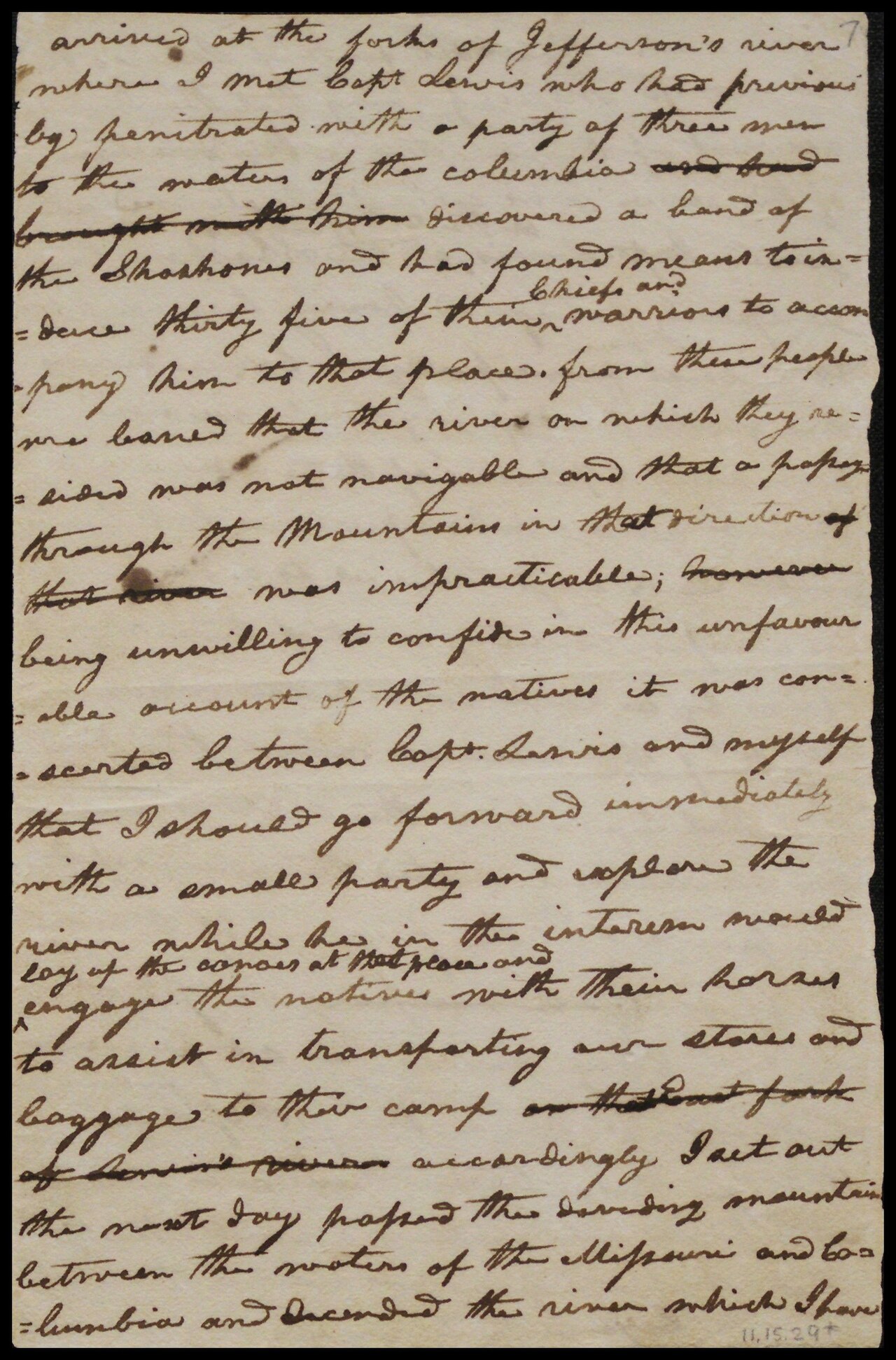 Letter
Primary source
William Clark's Letter to Toussaint Charbonneau
William Clark · 20 August 1806
 Document
Primary source
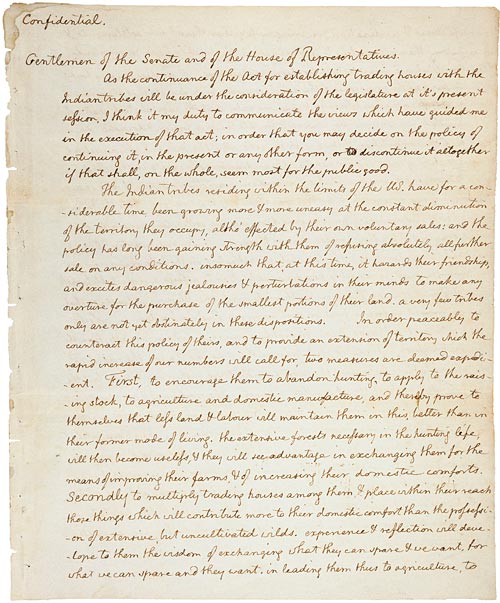
Jefferson's Secret Message to Congress Regarding the Lewis and Clark Expedition
Thomas Jefferson · 18 January 1803
Primary source
Louisiana Purchase Treaty
30 April 1803
 Artifact
Primary source
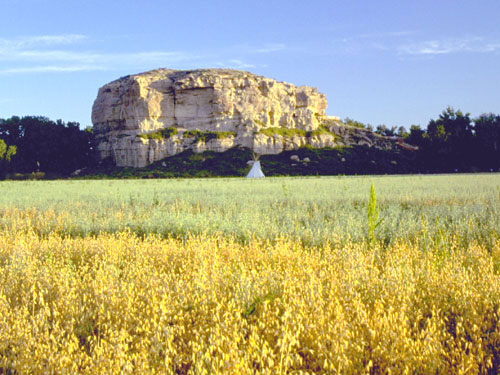
Pompeys Pillar National Monument
William Clark · carved 25 July 1806; designated monument 2001
Ready when you are
Start chatting with Sacajawea now.
20 messages free · No credit card · Available in 50+ languages.