


Primary sourceArtifact1501
Saint Eustace
Albrecht Dürer · 1501
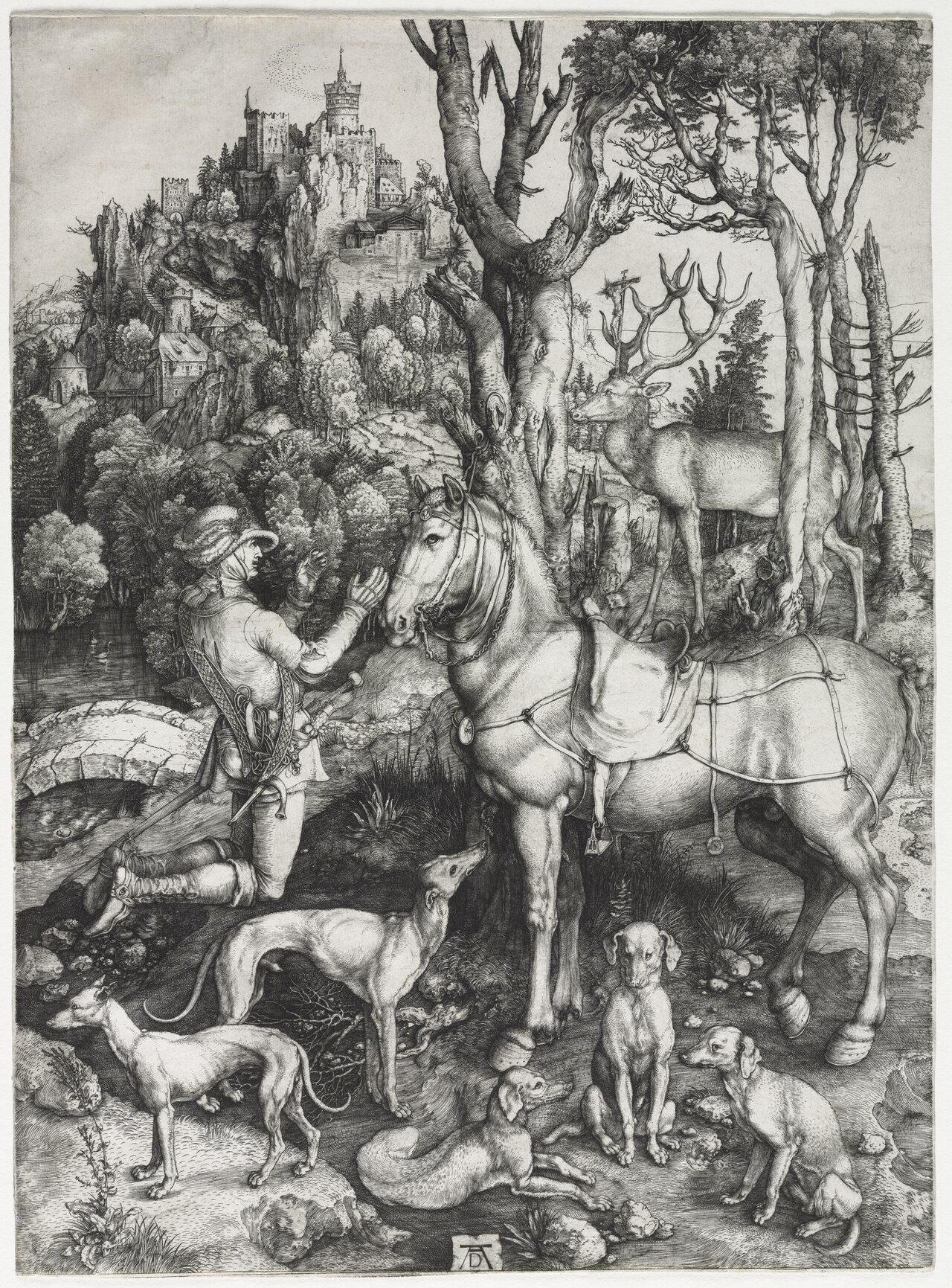
Dürer's largest engraving, from 1501, depicting the legendary conversion of the Roman general Placidas, who became Saint Eustace after seeing a crucifix between a stag's antlers.
Dürer engraved this, his largest print, showing his technical mastery and interest in nature.
About this source
What it is
This engraving, made by Albrecht Dürer in 1501, is his largest print. It shows a kneeling hunter encountering a stag with a crucifix between its antlers, surrounded by a detailed landscape of animals, a horse, dogs, and a castle. Impressions are held by institutions such as the National Gallery of Art.
Why it matters
The print illustrates the legend of Saint Eustace, a Roman general who converted to Christianity after a miraculous vision while hunting. It demonstrates Dürer's deep interest in observing and recording the natural world with scientific precision, a hallmark of his mature engraving style.
Look closer
- Why might Dürer have included so much detail in the landscape and animals?
- How does the composition draw your eye toward the central miracle?
- What does this print suggest about Dürer's interests beyond religious subjects?
This artifact is part of the curated material that grounds the AI version of Albrecht Dürer on Humy.ai — when students ask about related events, the AI can quote it and cite it.
More Albrecht Dürer sources
Meet the AI Albrecht Dürer →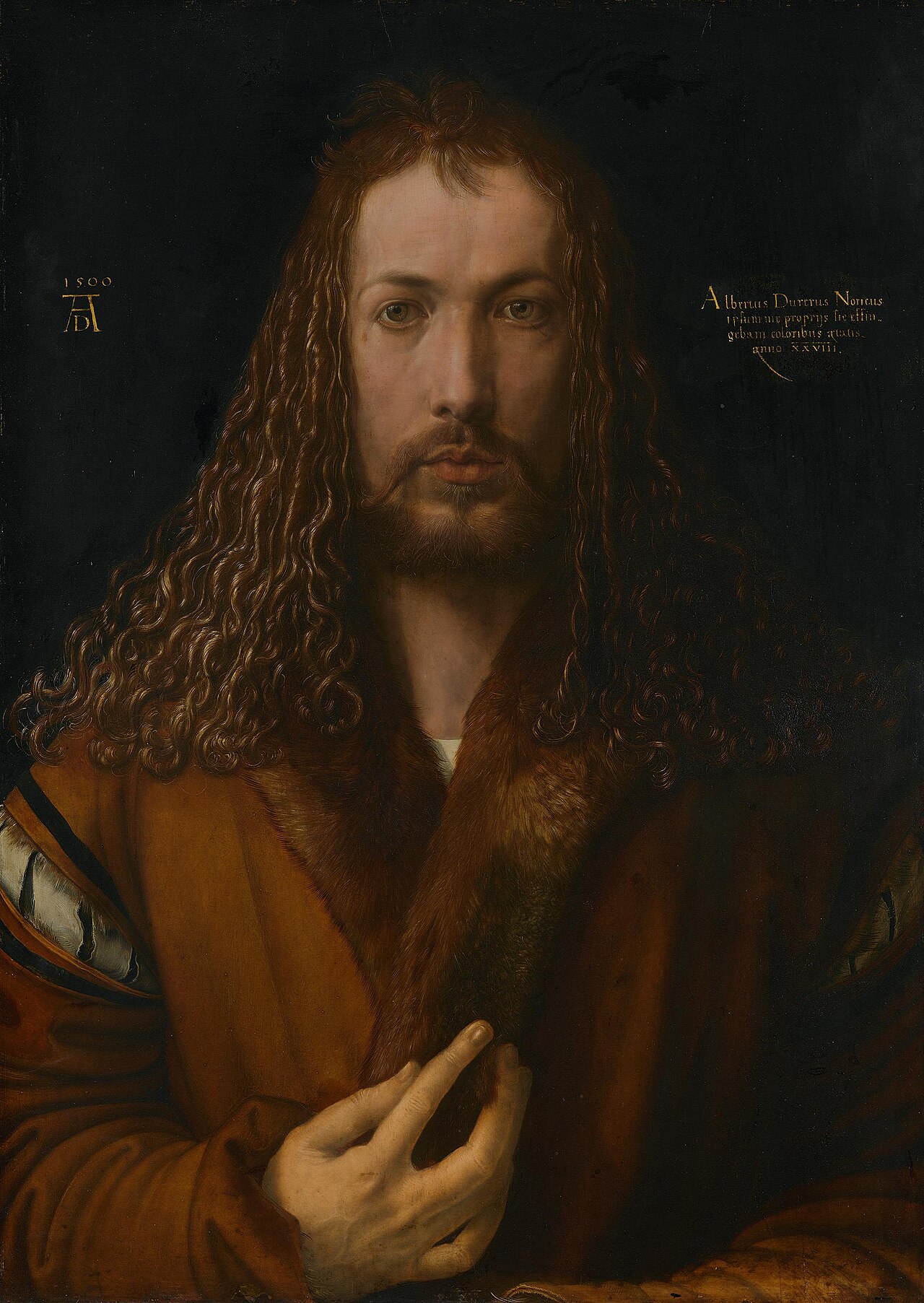 Painting
Primary source
Self-Portrait with Fur-Trimmed Robe
Albrecht Dürer · 1500
 Painting
Primary source
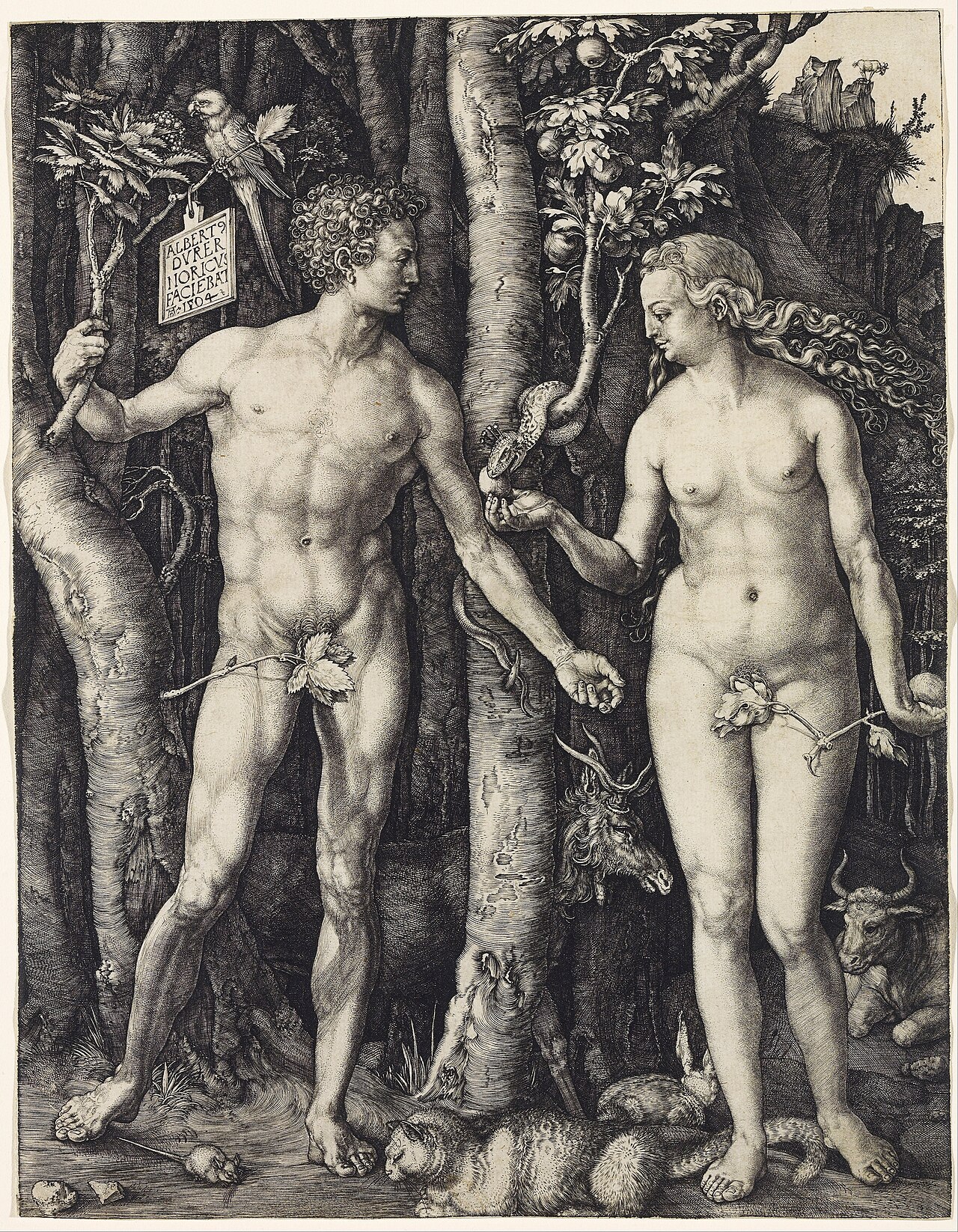
Adam and Eve
Albrecht Dürer · 1504
 Painting
Primary source
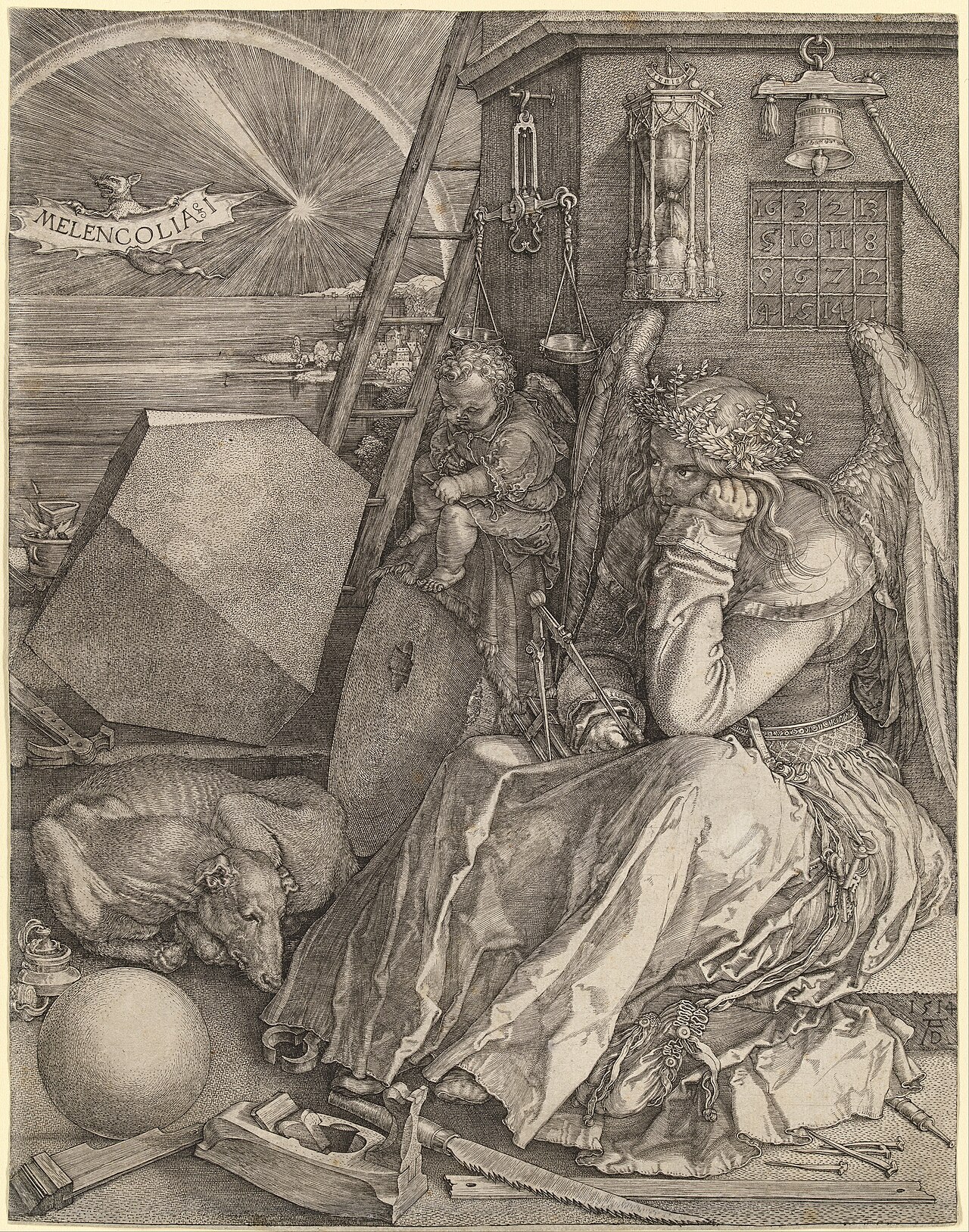
Melencolia I
Albrecht Dürer · 1514
 Painting
Primary source
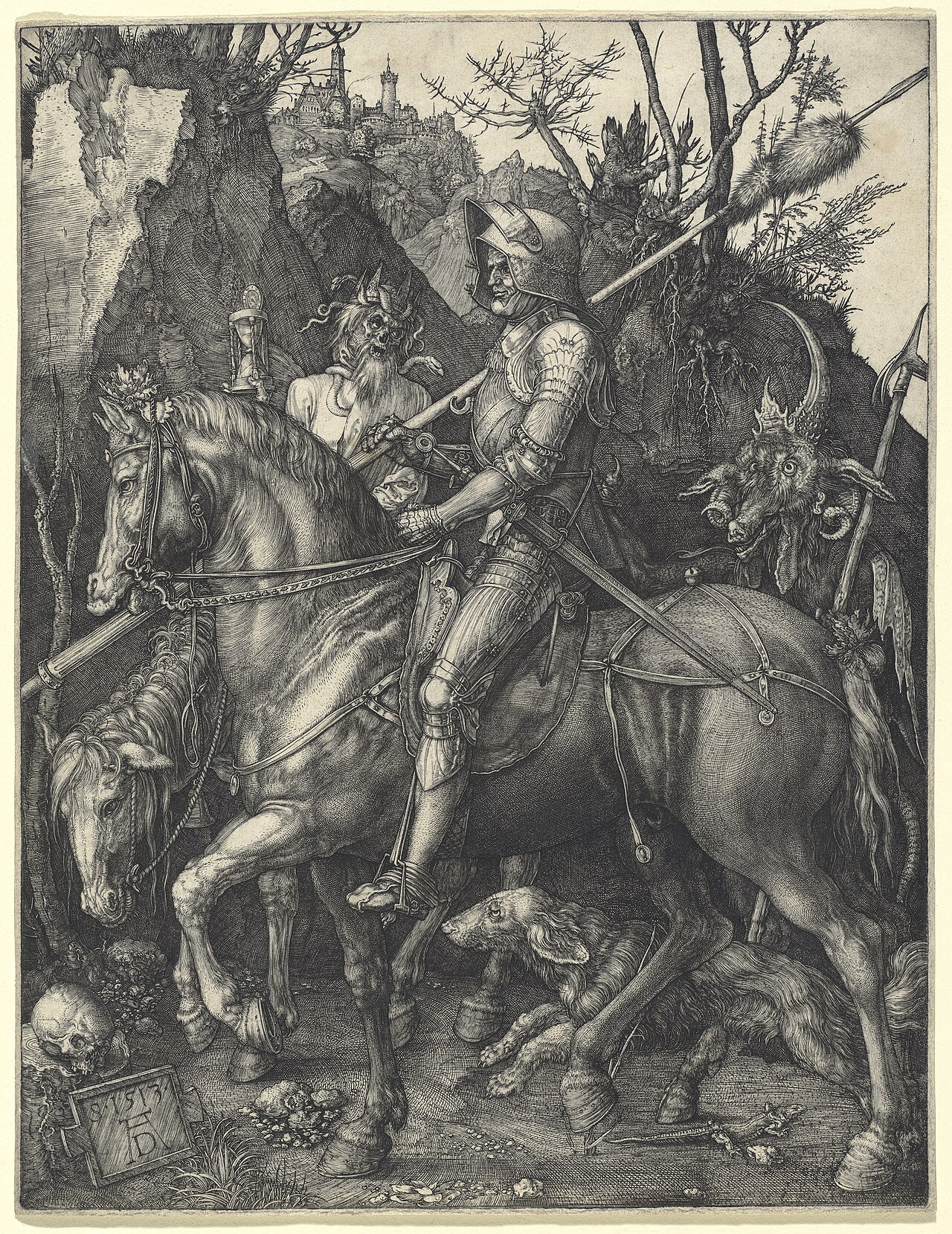
Knight, Death and the Devil
Albrecht Dürer · 1513
 Painting
Primary source
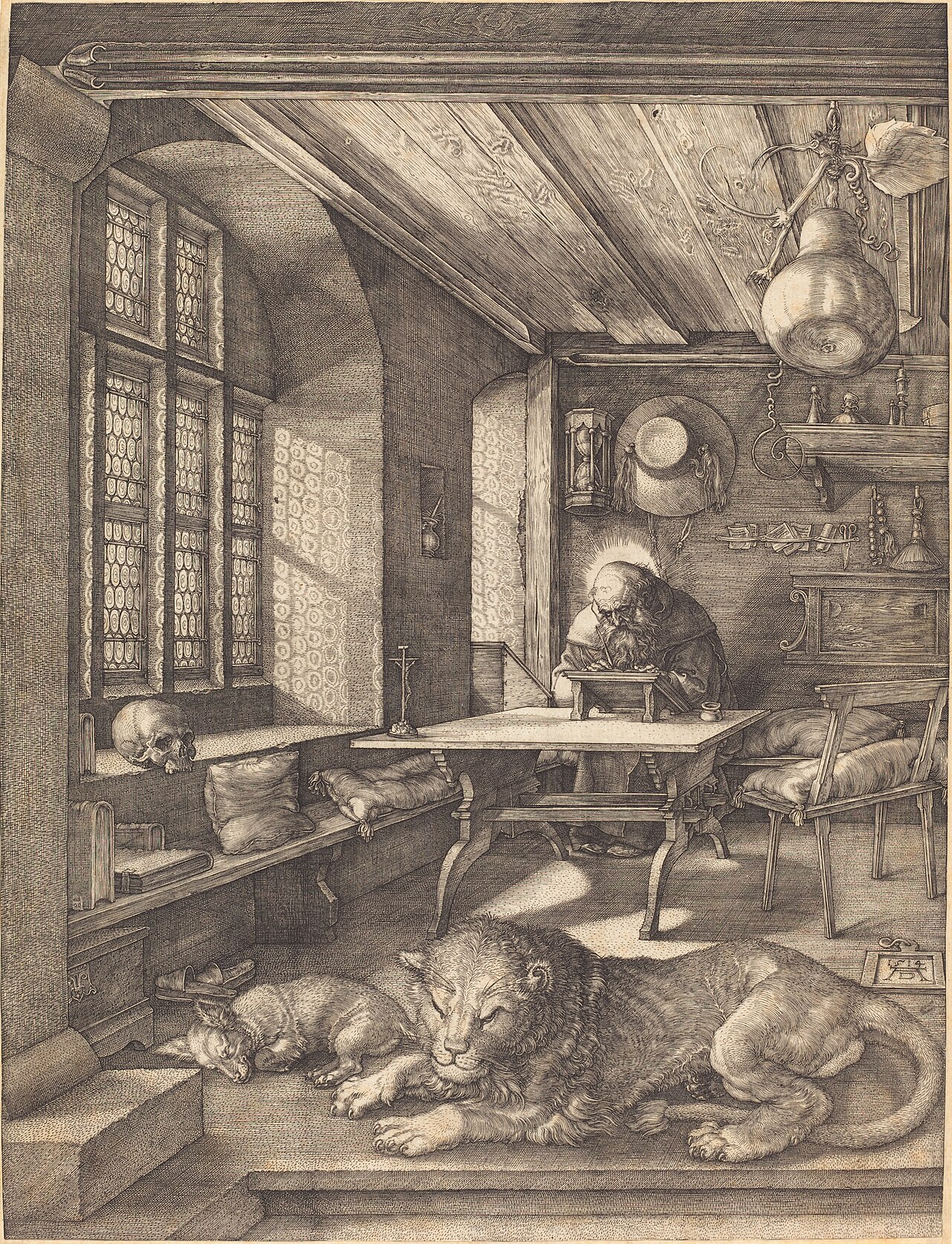
St. Jerome in His Study
Albrecht Dürer · 1514
Ready when you are
Start chatting with Albrecht Dürer now.
20 messages free · No credit card · Available in 50+ languages.