


Primary sourcePaintingc. 1480-1490
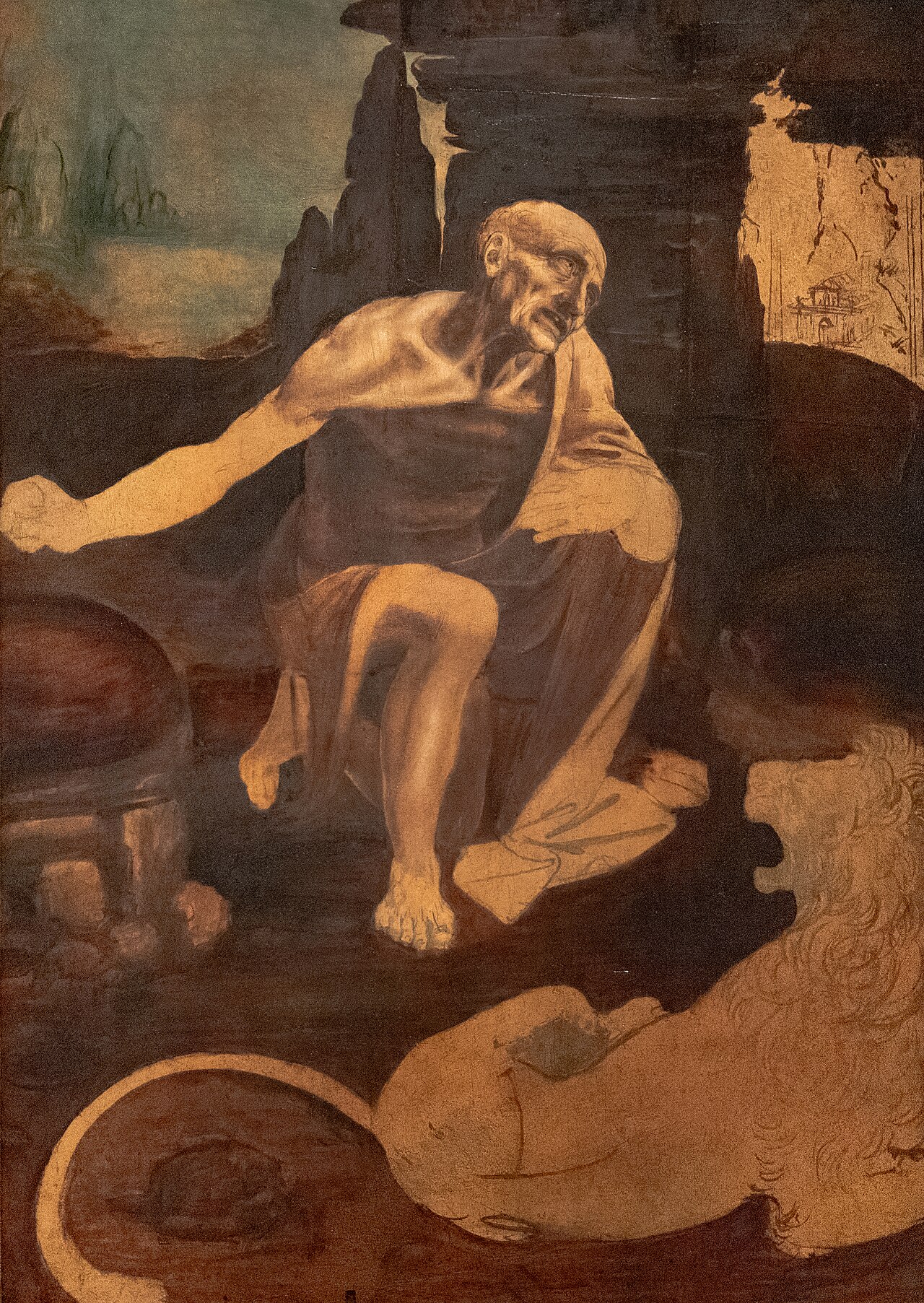
Saint Jerome in the Wilderness
Leonardo da Vinci · c. 1480-1490
An unfinished painting by Leonardo da Vinci showing Saint Jerome in the desert, notable for its study of anatomy.
An unfinished painting by Leonardo that reveals his early anatomical study of the human body.
About this source
What it is
This is an unfinished painting by Leonardo da Vinci, made around 1480-1490. It is now in the Pinacoteca Vaticana. The composition was drafted in monochrome directly onto the wooden panel.
Why it matters
The painting shows Leonardo's fascination with the human body. Saint Jerome's emaciated, aged body let Leonardo study muscles and bones closely, something that became important in his later anatomical work. Because it was never finished, we can also see his working layers and how he built up a composition.
Look closer
- What does the unfinished state let you see that a finished painting would hide?
- How does Leonardo use the saint's body to show pain and devotion?
- Why might an artist leave a work unfinished?
This painting is part of the curated material that grounds the AI version of Leonardo da Vinci on Humy.ai — when students ask about related events, the AI can quote it and cite it.
More Leonardo da Vinci sources
Meet the AI Leonardo da Vinci →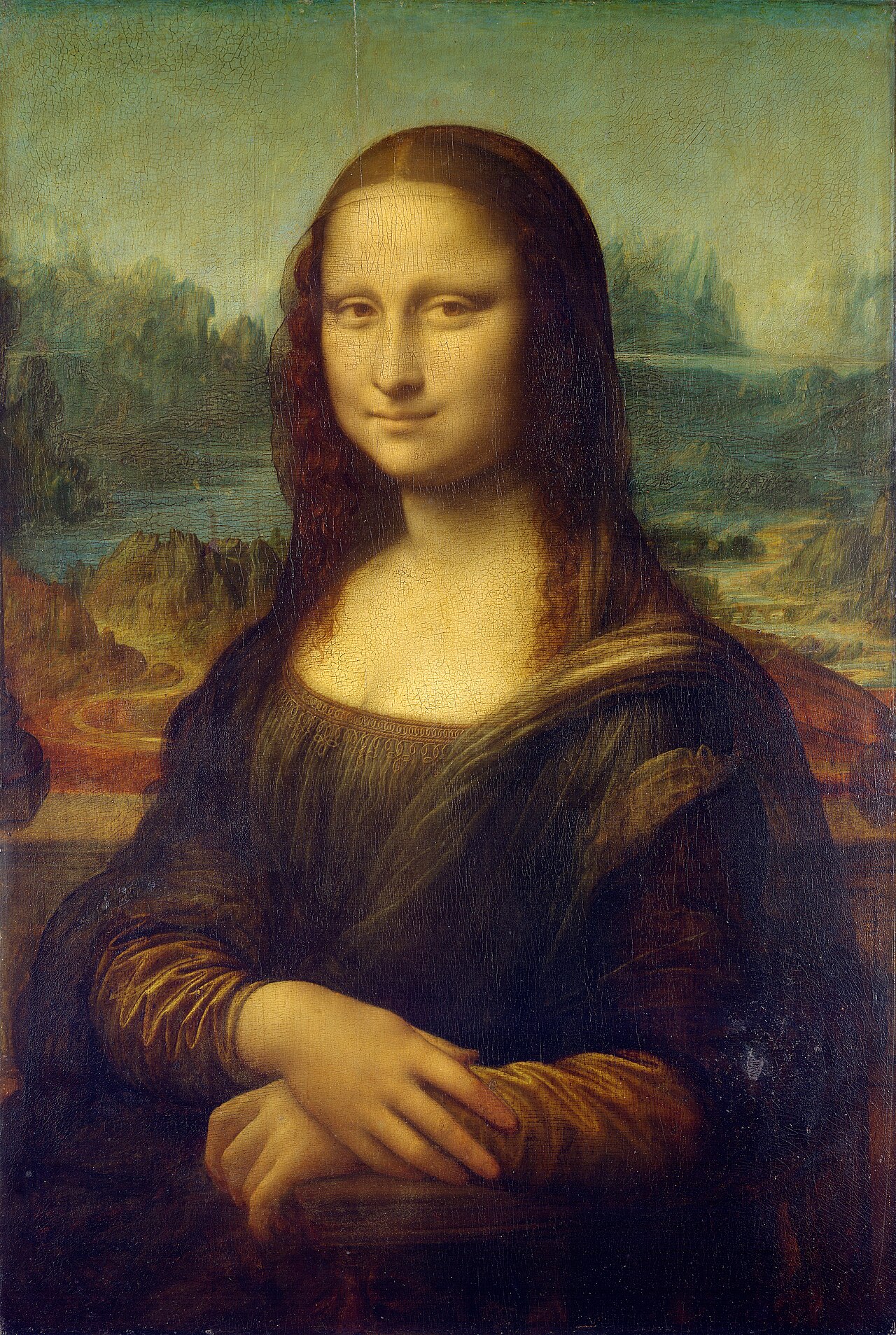 Painting
Primary source
Mona Lisa
Leonardo da Vinci · c. 1503-1519
 Painting
Secondary source
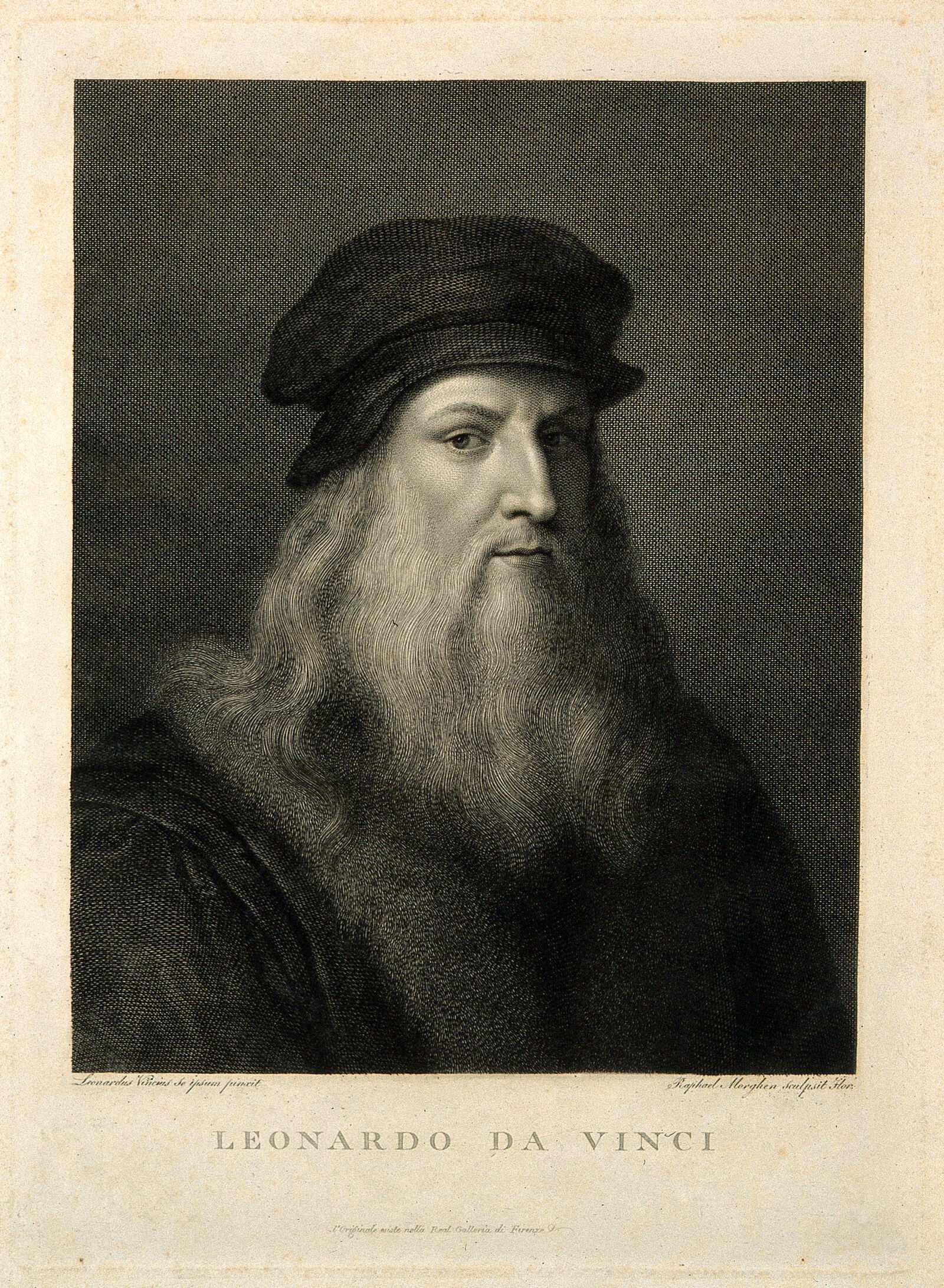
Leonardo da Vinci portrait line engraving by Raphael Morghen
R. Morghen
 Book
Primary source
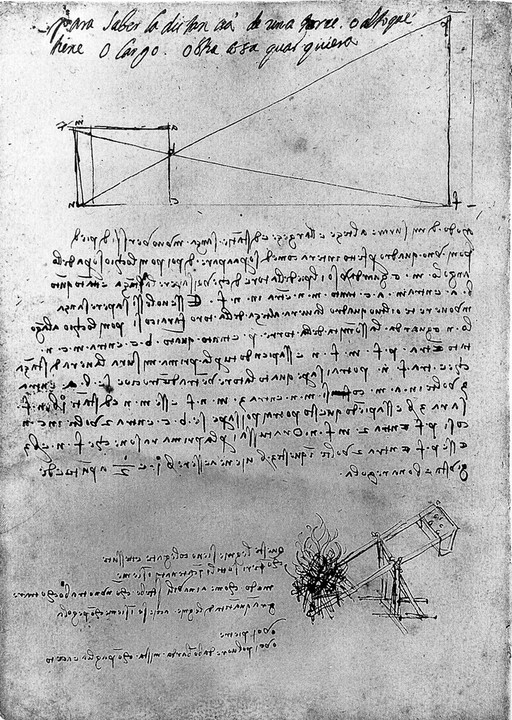
Manuscript Notebook MS B
Leonardo da Vinci
 Painting
Primary source
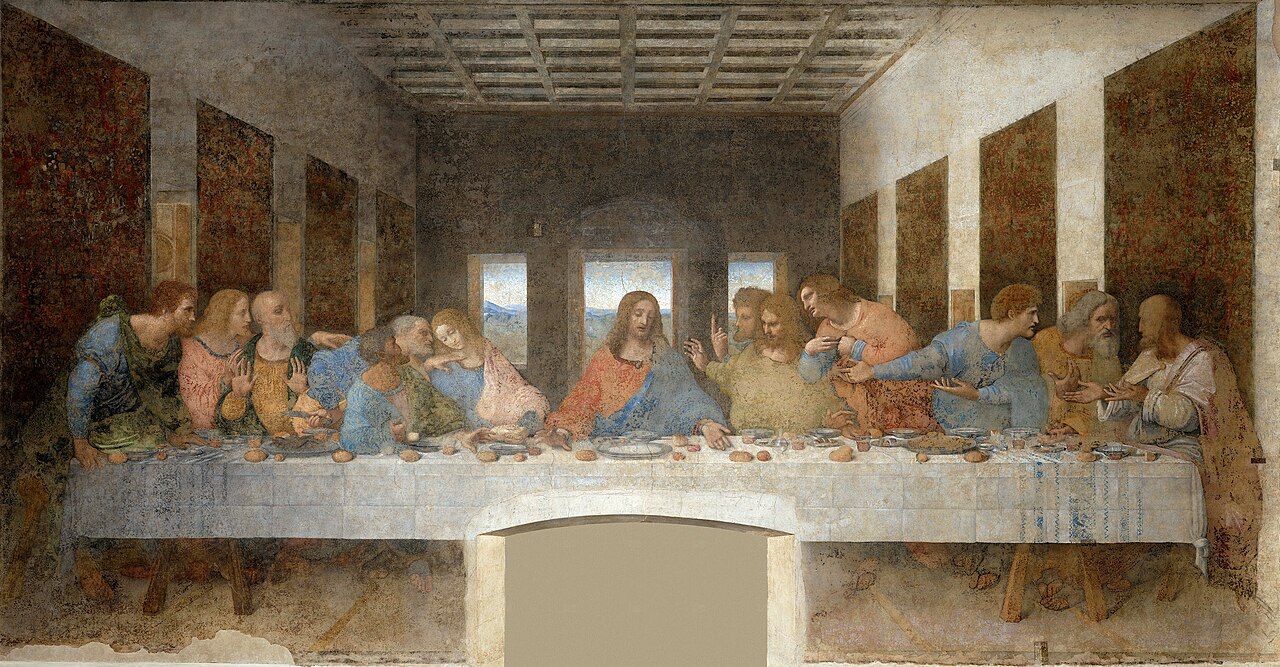
The Last Supper
Leonardo da Vinci · c. 1495-1498
 Painting
Primary source
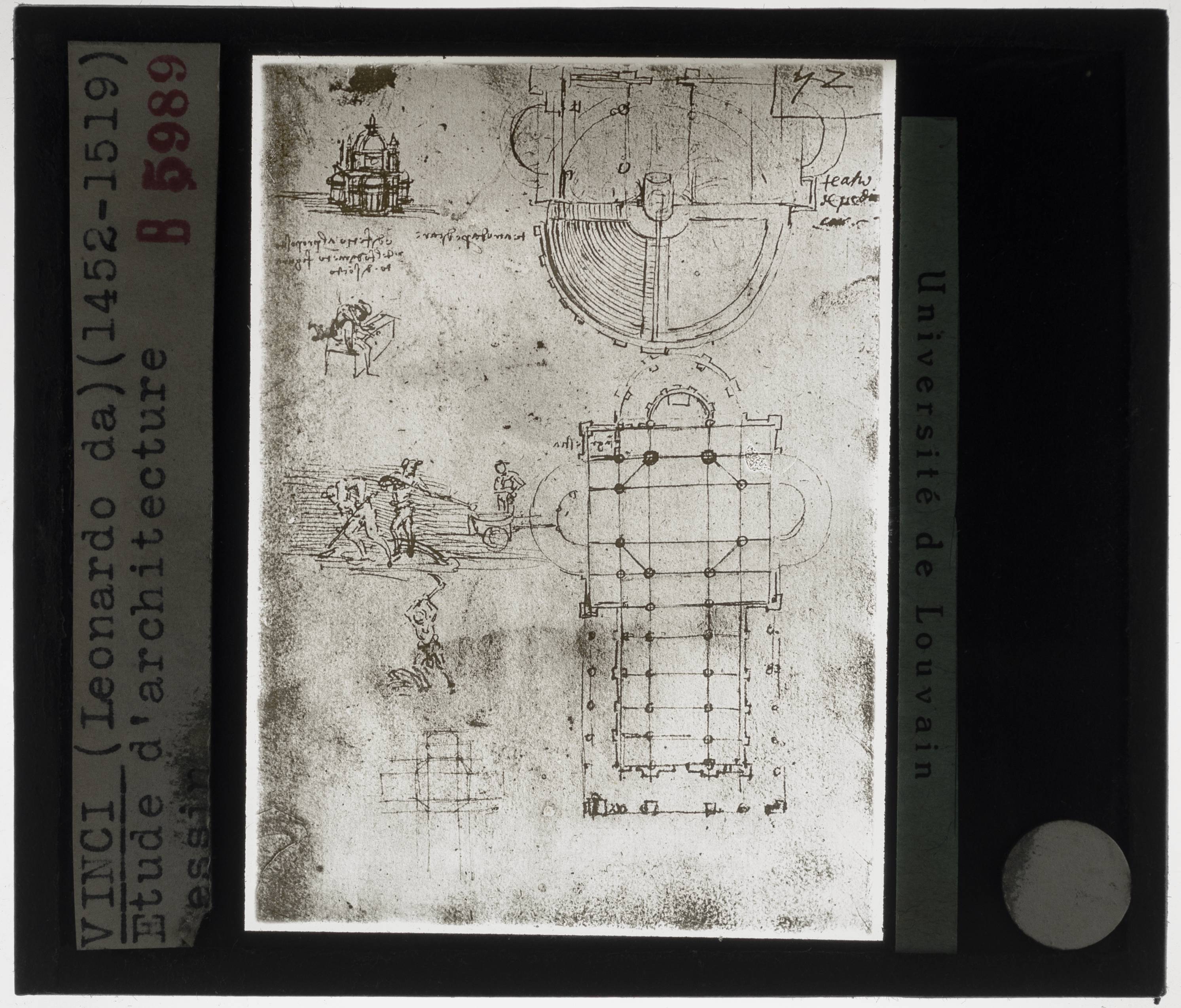
Architectural Studies
Leonardo da Vinci · c. 1500
Ready when you are
Start chatting with Leonardo da Vinci now.
20 messages free · No credit card · Available in 50+ languages.