


Secondary sourcePaintingc. 1481-1485
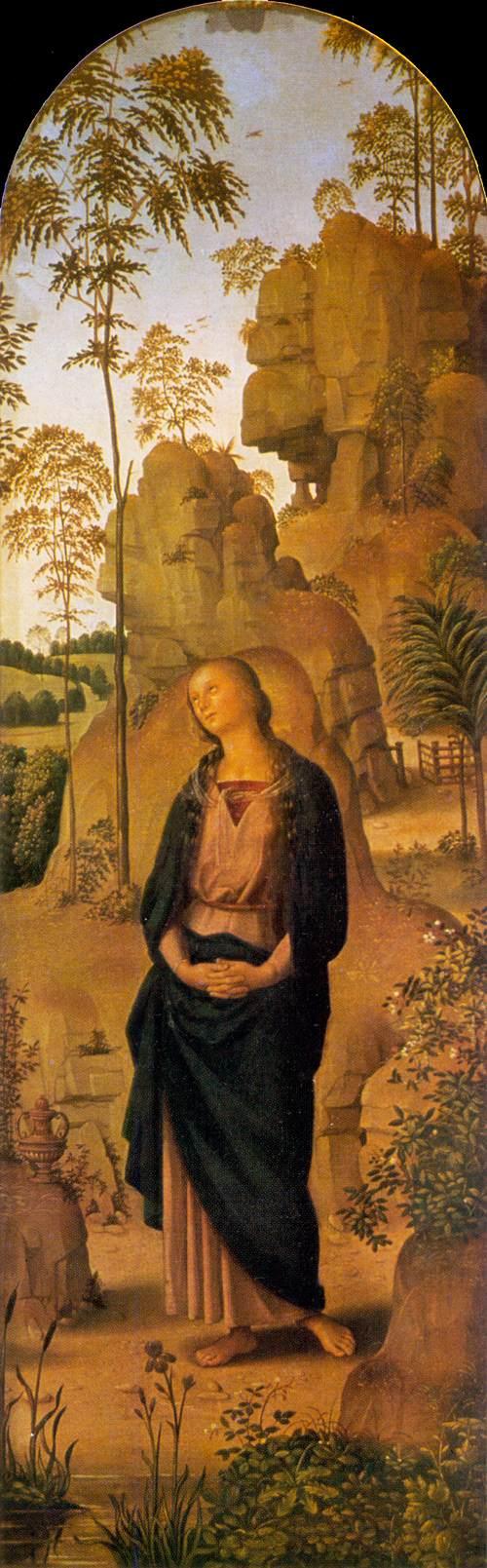
Saint Mary Magdalen (Galitzin Triptych)
Pietro Perugino · c. 1481-1485
A panel from a triptych by Pietro Perugino, around 1483, showing Mary Magdalene standing in a landscape as a saint.
A calm, dignified Renaissance depiction of Mary Magdalene as a saint, part of a triptych.
About this source
What it is
This panel was painted by the Italian Renaissance artist Pietro Perugino around 1483 as part of a triptych known as the Galitzin Triptych. It shows Mary Magdalene standing barefoot on a rocky path, dressed in a dark mantle over a pink gown, with hands clasped and gaze turned upward.
Why it matters
This is a well-known Renaissance image of Mary Magdalene as a dignified saint rather than a dramatic penitent, showing the variety of ways artists imagined her across different periods. Perugino was an influential painter of the Italian Renaissance, and his calm, composed style here reflects the artistic fashions and religious devotion of his time, more than two centuries after her legend developed.
Look closer
- How does this depiction of Mary Magdalene differ in mood from more dramatic penitent images?
- What might the landscape and her posture suggest about how the artist wanted viewers to feel about her?
- Why do you think artists kept returning to her image across so many centuries?
This painting is part of the curated material that grounds the AI version of Mary Magdalene on Humy.ai — when students ask about related events, the AI can quote it and cite it.
More Mary Magdalene sources
Browse all 96 →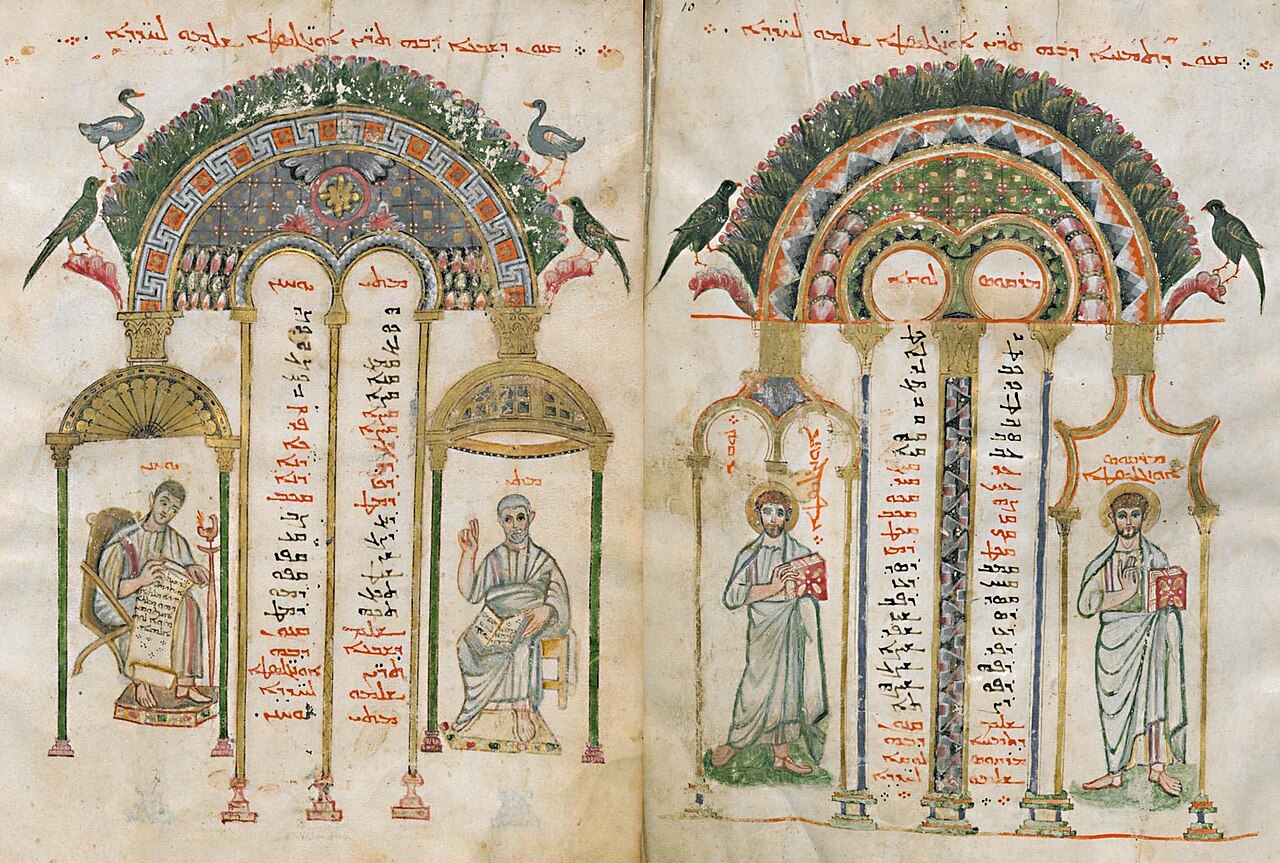 Painting
Secondary source
Rabbula Gospels
Rabbula (scribe) · 586
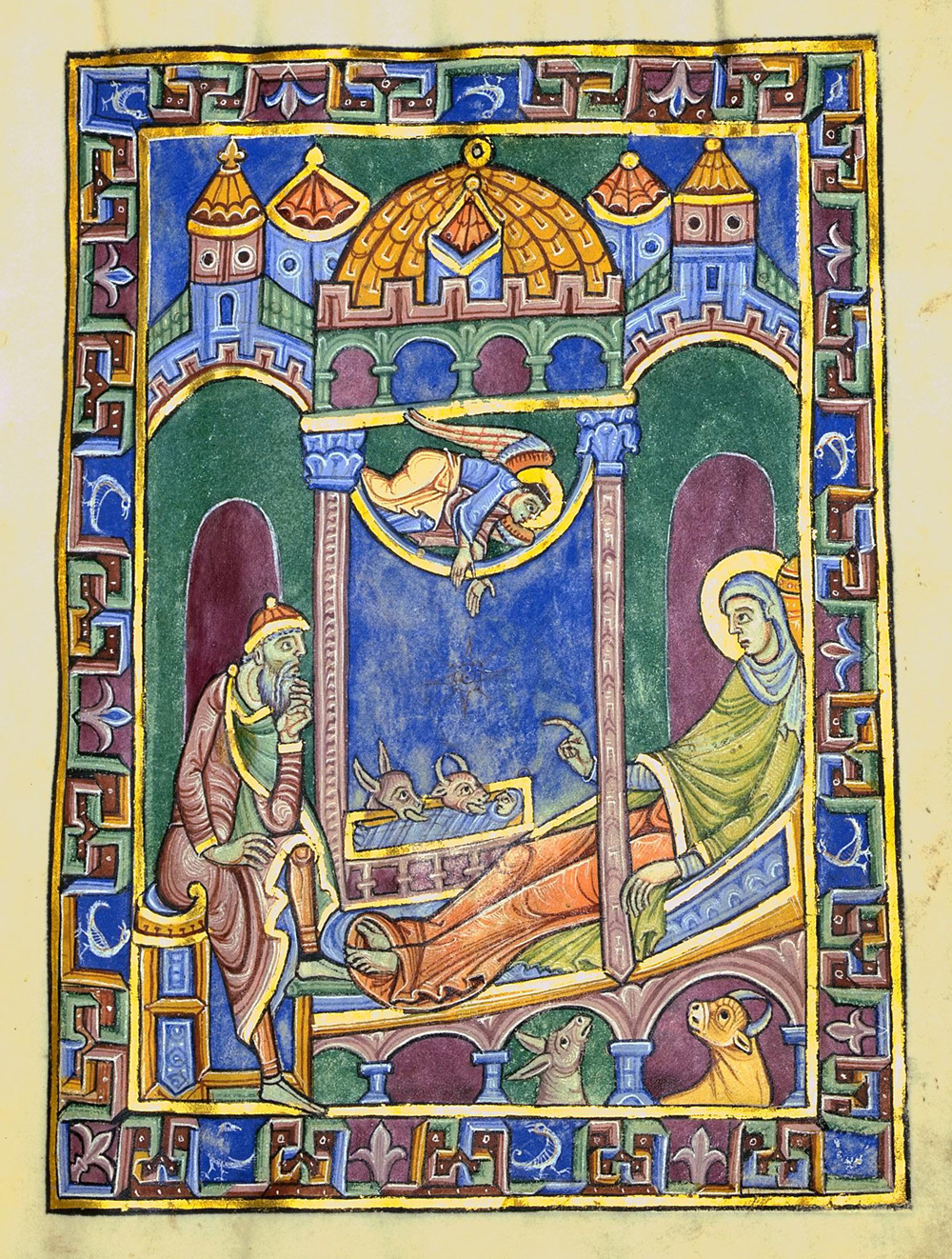 Painting
Secondary source
St Albans Psalter
12th century
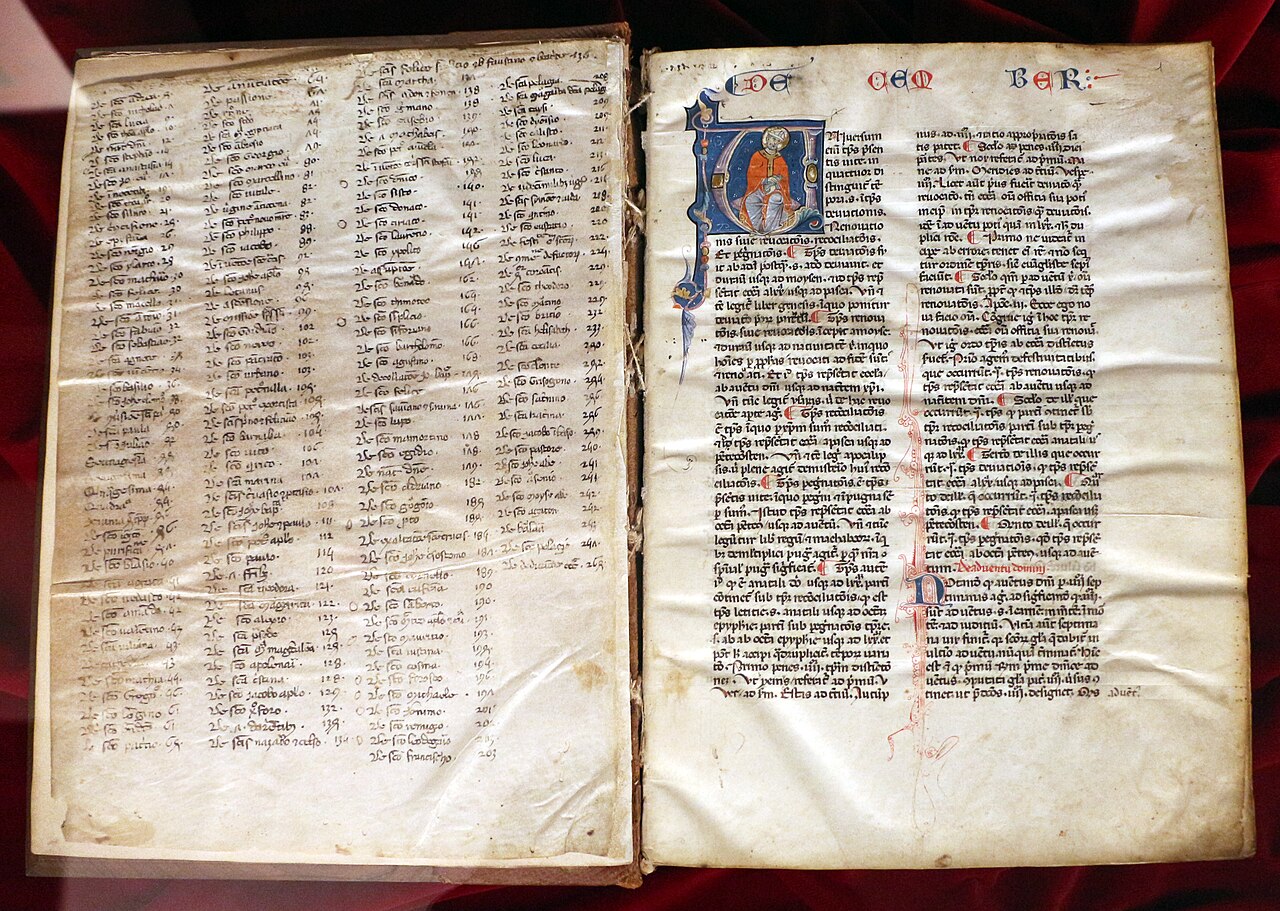 Book
Secondary source
Golden Legend
Jacobus de Voragine · c. 1259–1266
 Artifact
Tertiary source
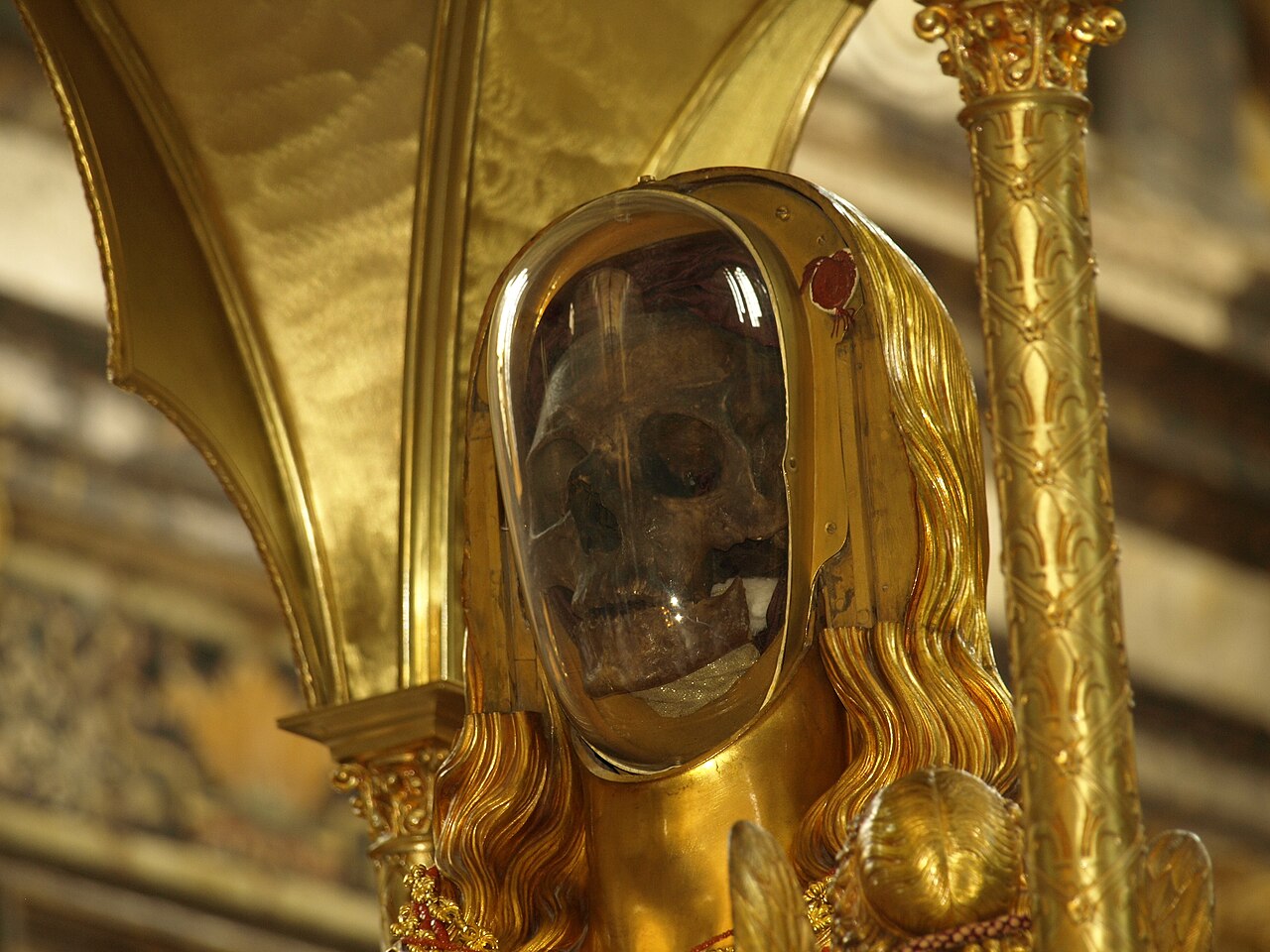
Skull Relic of Mary Magdalene
relic venerated from 1279; reliquary 19th century
Free account
Read every Mary Magdalene source
Sign up free →
Ready when you are
Start chatting with Mary Magdalene now.
20 messages free · No credit card · Available in 50+ languages.