


Secondary sourcePaintingc. 600
Saint Peter (Sinai Icon)
c. 600
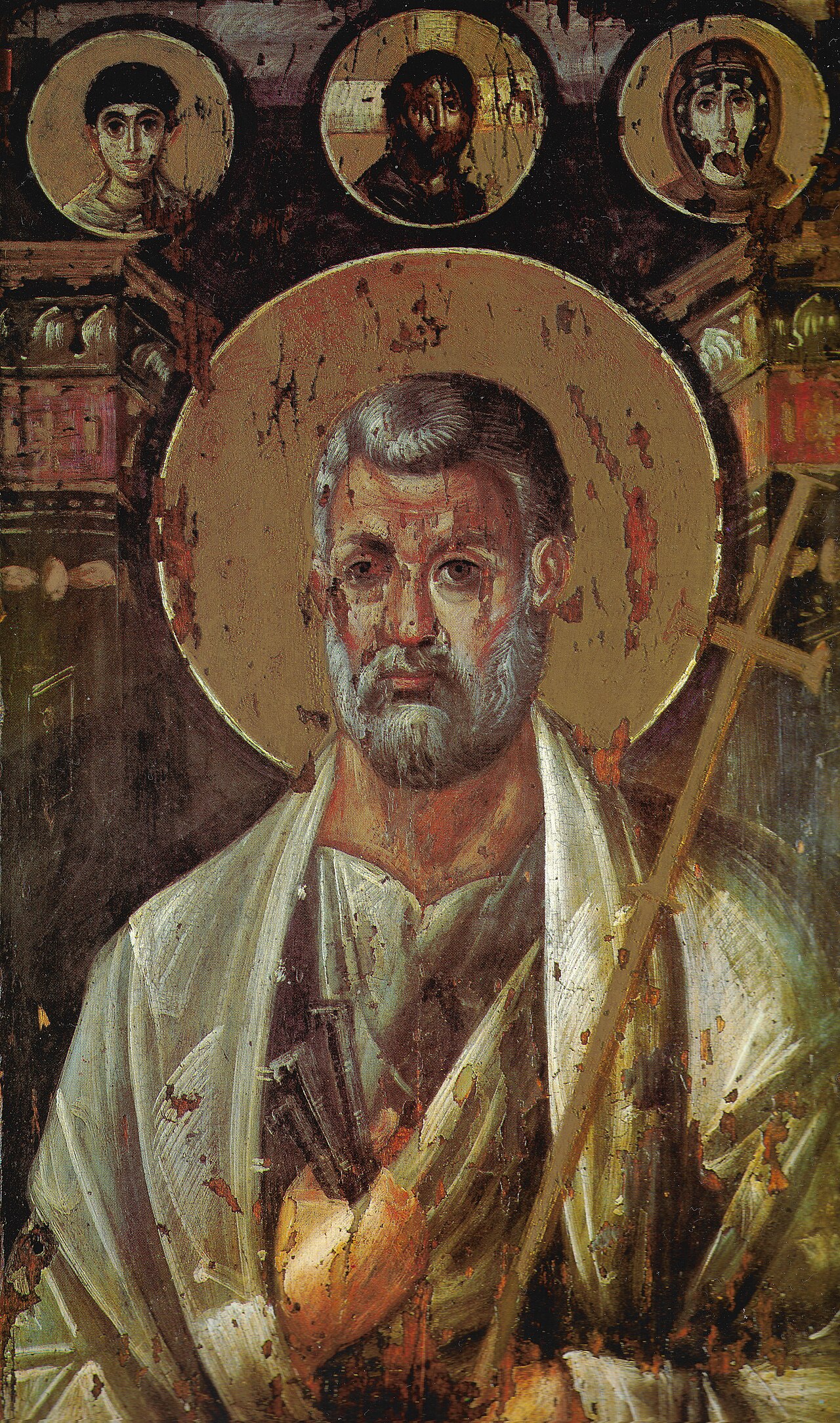
A sixth-century painted icon of Saint Peter holding the keys, one of the oldest surviving images of him.
This early icon shows one of the oldest known visual depictions of Peter, defining his traditional image with the keys.
About this source
What it is
This is a sixth-century encaustic icon kept at Saint Catherine's Monastery in Sinai, Egypt. It shows Peter holding the keys of the Kingdom in one hand and a staff topped with a cross in the other, with small portrait medallions of Christ, the Virgin Mary, and John the Evangelist above his head.
Why it matters
As one of the oldest surviving portraits of Peter, this icon shows how early Christians pictured the apostle and established a visual type—keys, beard, short hair—that influenced later Christian art for centuries. It also reflects the devotional practices of early Byzantine Christianity.
Look closer
- Why might the artist have given Peter keys as his identifying symbol?
- What do the medallions above Peter's head suggest about how he was understood in relation to Christ and other holy figures?
- How might this image have shaped later artists' decisions about what Peter should look like?
This painting is part of the curated material that grounds the AI version of Saint Peter on Humy.ai — when students ask about related events, the AI can quote it and cite it.
More Saint Peter sources
Browse all 95 →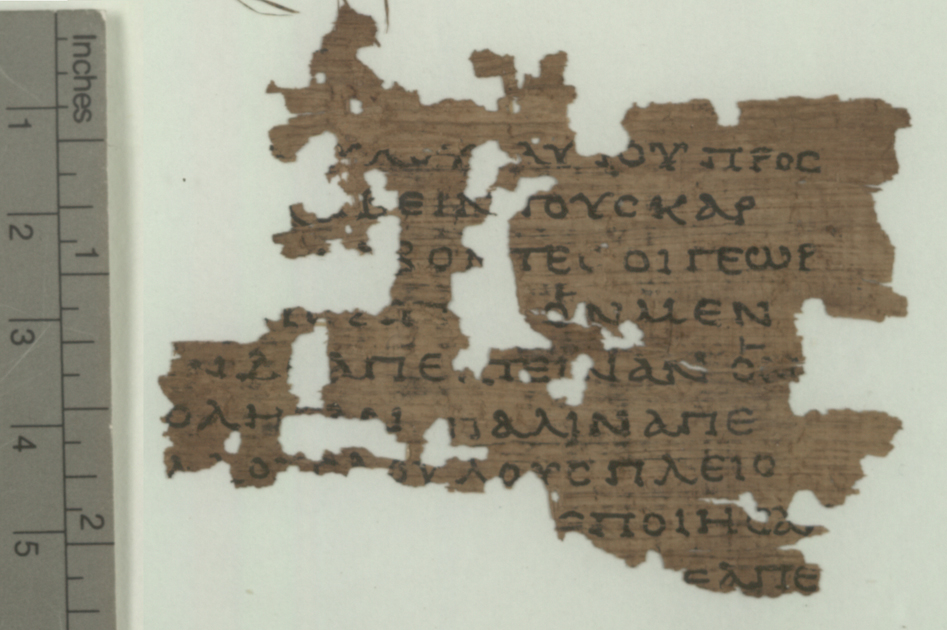 Book
Secondary source
Gospel of Matthew
Matthew the Apostle · late 1st century AD
 Book
Secondary source
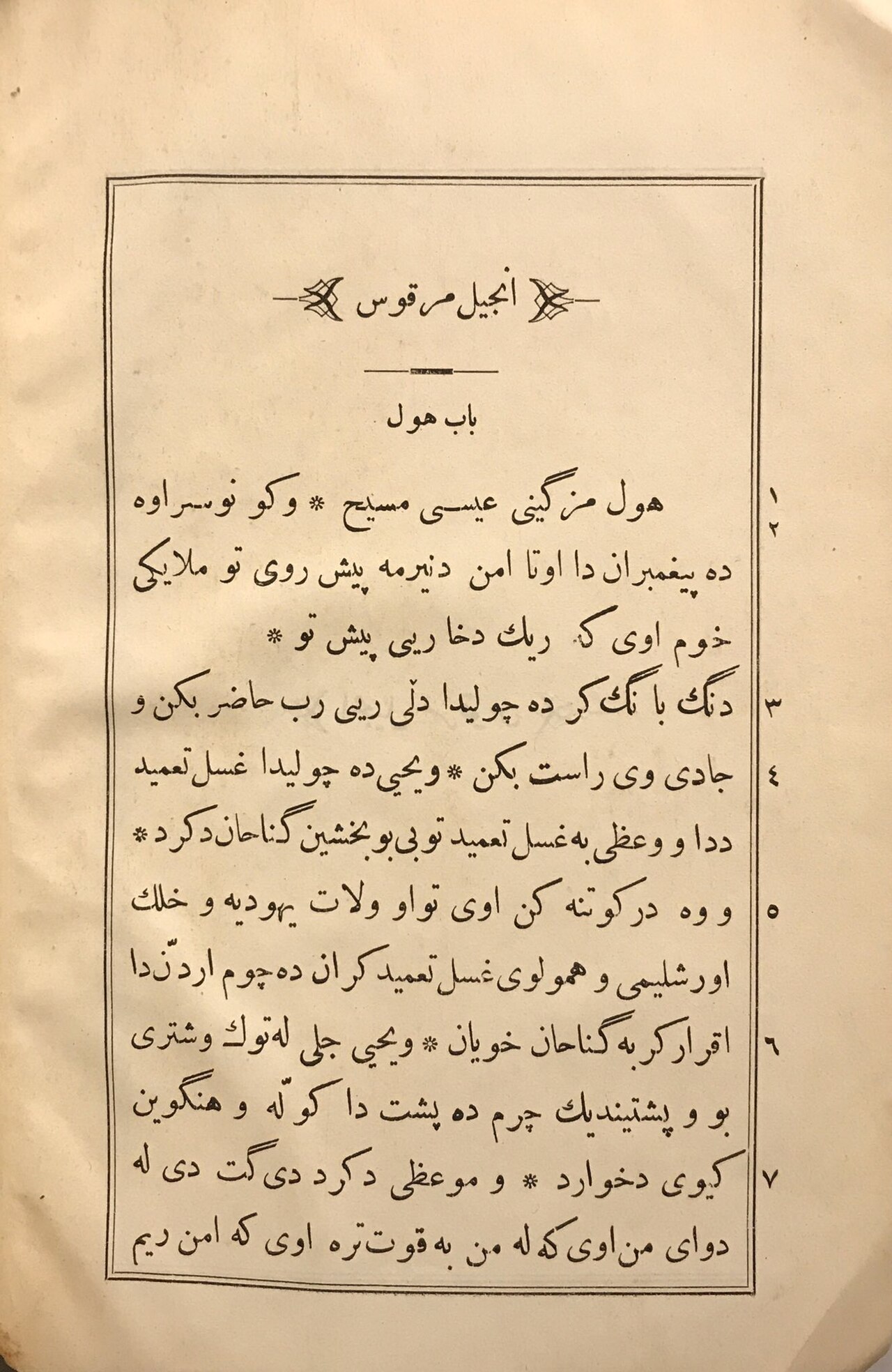
Gospel of Mark
Mark the Evangelist · c. AD 66-75
 Book
Secondary source
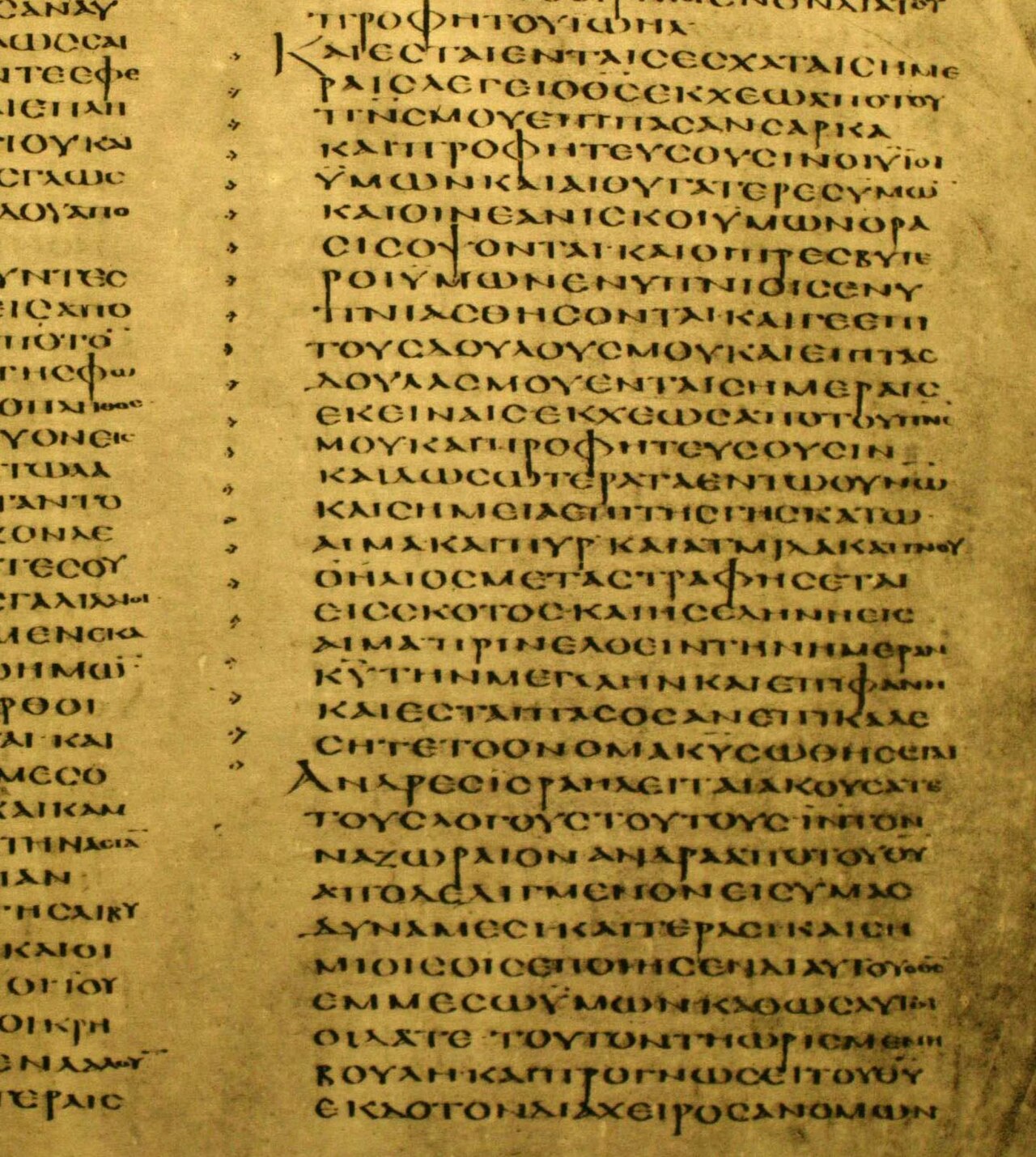
Acts of the Apostles
Luke the Evangelist · c. 80-90 AD
 Letter
Primary source
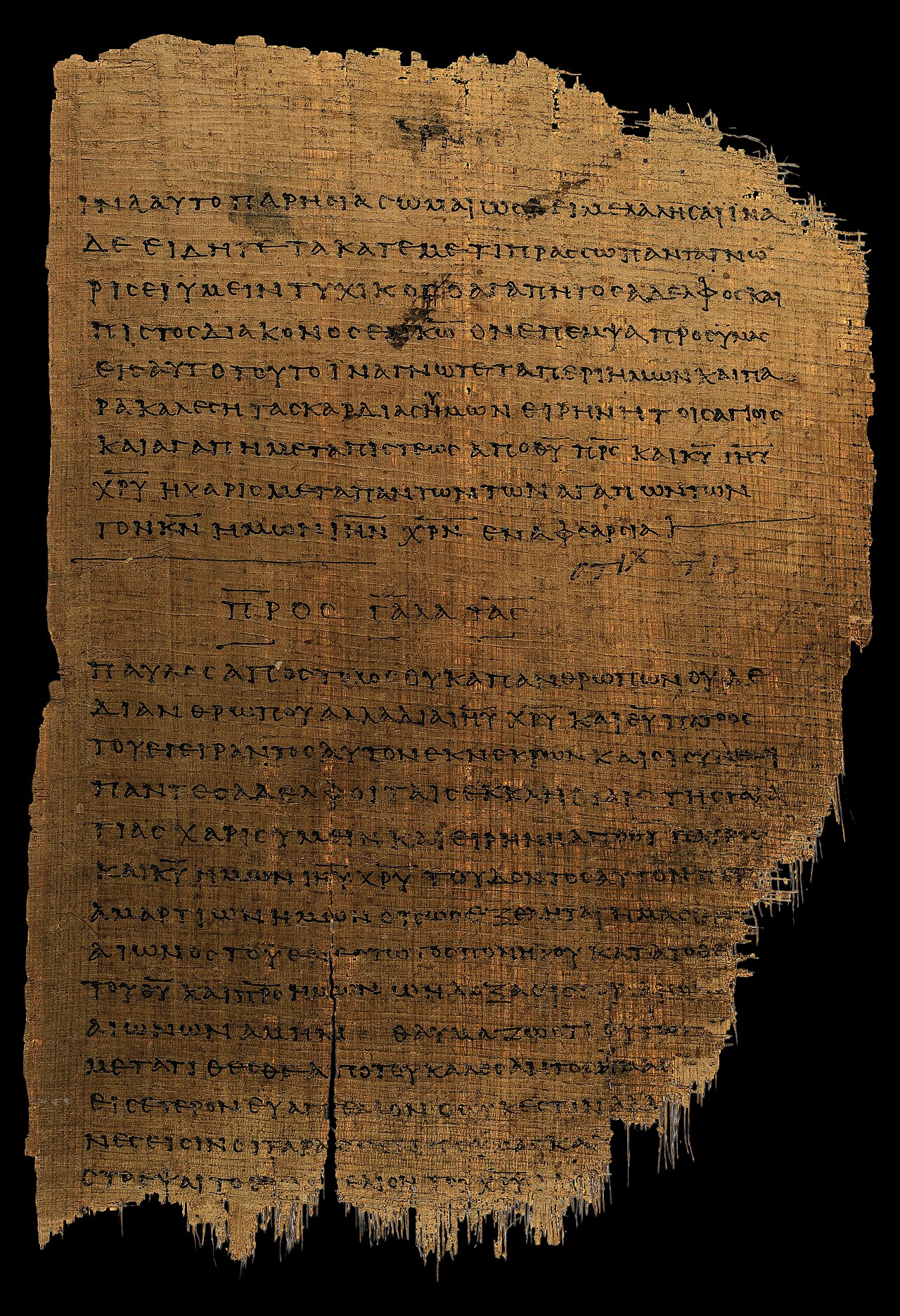
Epistle to the Galatians
Paul the Apostle · c. AD 48
Free account
Read every Saint Peter source
Sign up free →
Ready when you are
Start chatting with Saint Peter now.
20 messages free · No credit card · Available in 50+ languages.