


Secondary sourcePaintingbetween 1640 and 1655
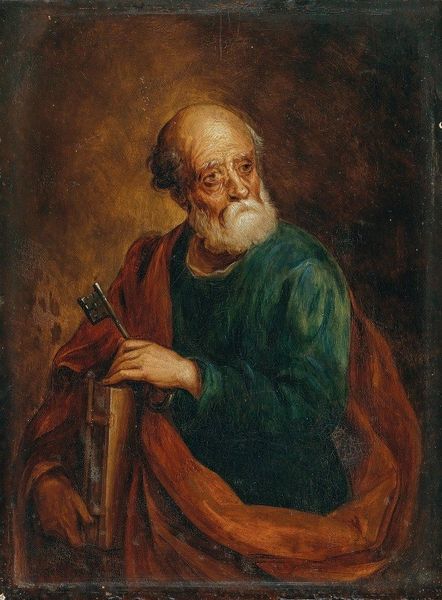
Saint Peter with a Book and Keys
David Teniers the Younger · between 1640 and 1655
A seventeenth-century copy by David Teniers the Younger after a painting by Palma il Giovane, showing Peter holding his keys. It is a later artistic image of the apostle.
Peter is shown with his keys, the symbol that marks him as the apostle entrusted with the keys of heaven.
About this source
What it is
This is a seventeenth-century painting described as a copy by David Teniers the Younger after Palma il Giovane. It is dated between 1640 and 1655. It shows an elderly bearded man with a bald crown, wearing a green garment and a red-brown cloak. He holds large keys in his right hand against a dark brown background and gazes upward and to the side.
Why it matters
The keys are the attribute that identifies Peter in Christian art. They refer to the words of Jesus that gave Peter the keys of the kingdom of heaven. Copying an older painting was a common way for seventeenth-century artists to spread a well-known image. The work shows how Peter was pictured in the Catholic art of its time.
Look closer
- How do the keys help you recognize who the man is?
- Why might a painter copy the work of an earlier artist rather than invent a new image?
- What does the man's upward gaze suggest about how he is meant to be seen?
This painting is part of the curated material that grounds the AI version of Saint Peter on Humy.ai — when students ask about related events, the AI can quote it and cite it.
More Saint Peter sources
Browse all 95 → Book
Secondary source
Gospel of Matthew
Matthew the Apostle · late 1st century AD
 Book
Secondary source
Gospel of Mark
Mark the Evangelist · c. AD 66-75
 Book
Secondary source
Acts of the Apostles
Luke the Evangelist · c. 80-90 AD
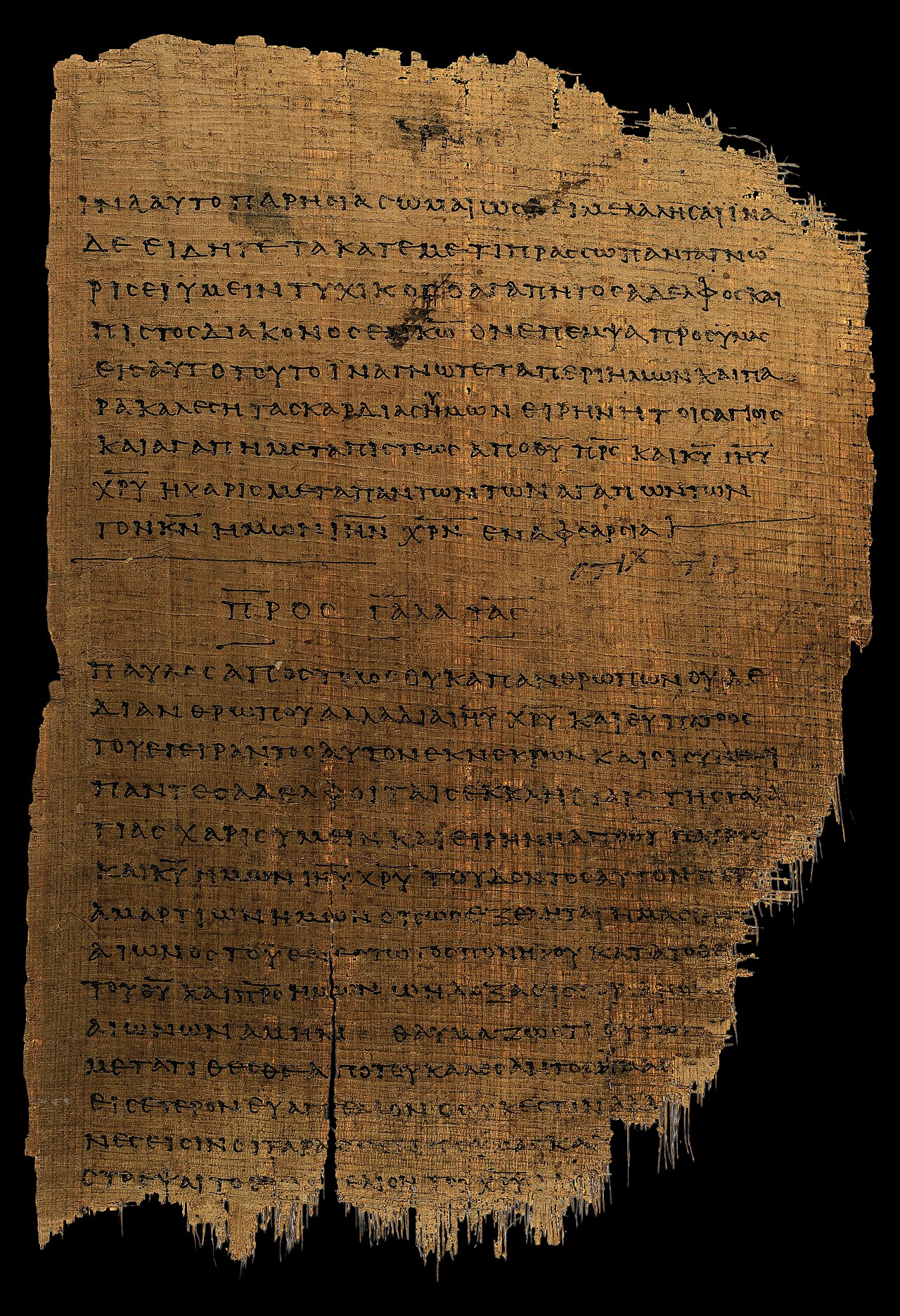 Letter
Primary source
Epistle to the Galatians
Paul the Apostle · c. AD 48
Free account
Read every Saint Peter source
Sign up free →
Ready when you are
Start chatting with Saint Peter now.
20 messages free · No credit card · Available in 50+ languages.