


Secondary sourceArtifactearly 13th century
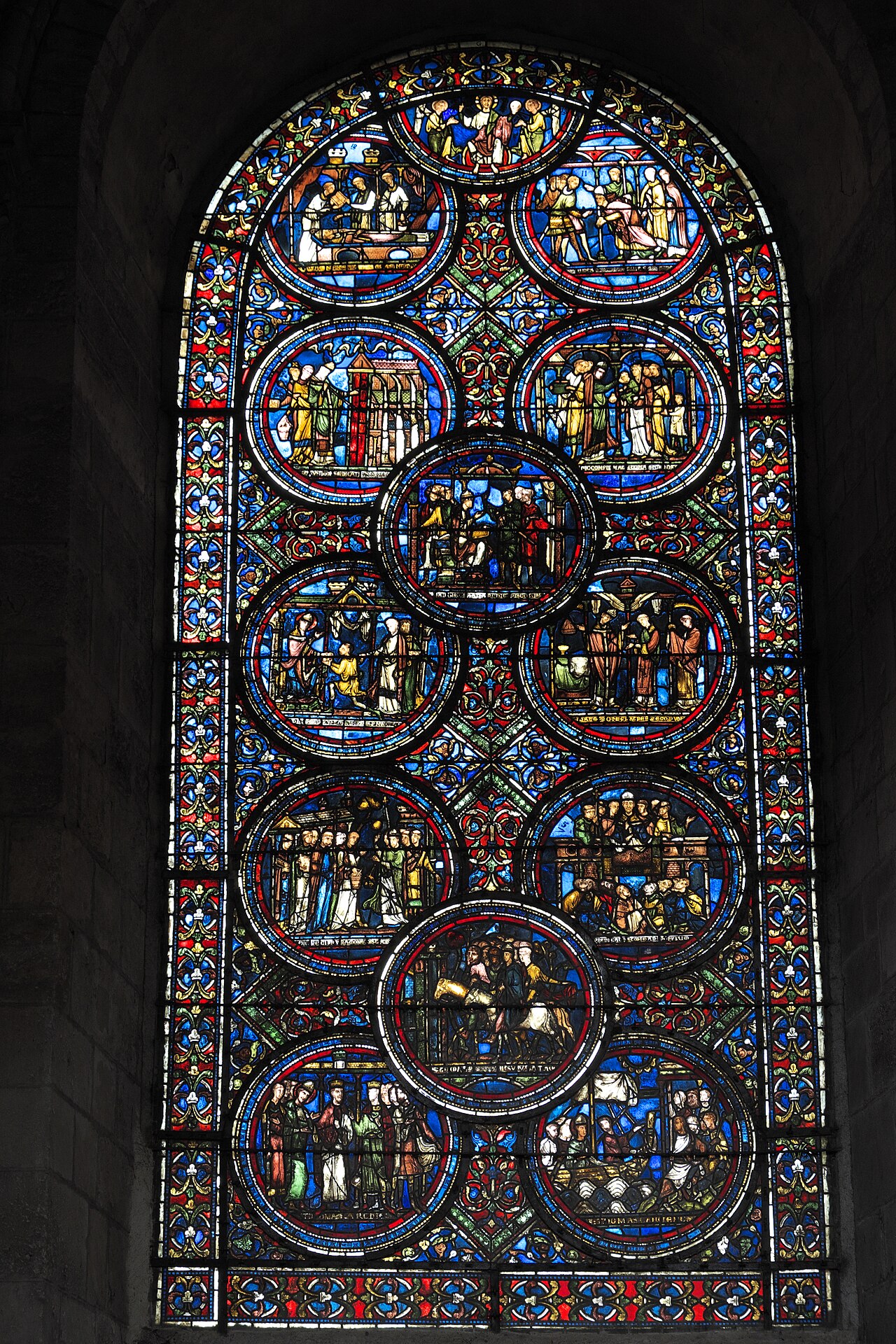
Saint Thomas Becket Window, Sens Cathedral
early 13th century
An early 13th-century stained-glass window at Sens Cathedral depicting Becket's exile, return to England, and murder.
This window from his place of exile depicts Becket's return to England and his murder in Canterbury.
About this source
What it is
This stained-glass window in Sens Cathedral, made in the early 13th century by an unknown designer, is made up of thirteen medallions showing scenes from Thomas Becket's life. Becket visited Sens twice during his exile from England.
Why it matters
The window tells the story of Becket's attempted reconciliation with Henry II, his return to England by ship, his welcome at Canterbury Cathedral, and finally his murder and burial. It is one of several such windows in north-west France, showing how closely Becket's story was tied to his years of exile there and how his martyrdom became a subject for religious art soon after his death.
Look closer
- Why might a cathedral in France, rather than England, choose to depict Becket's story in such detail?
- What does the order of the scenes — reconciliation, return, murder — tell you about how the story was meant to be understood?
- How might a stained-glass window shape what ordinary people believed about Becket's life, compared to written accounts?
This artifact is part of the curated material that grounds the AI version of Thomas Becket on Humy.ai — when students ask about related events, the AI can quote it and cite it.
More Thomas Becket sources
Meet the AI Thomas Becket →Primary source
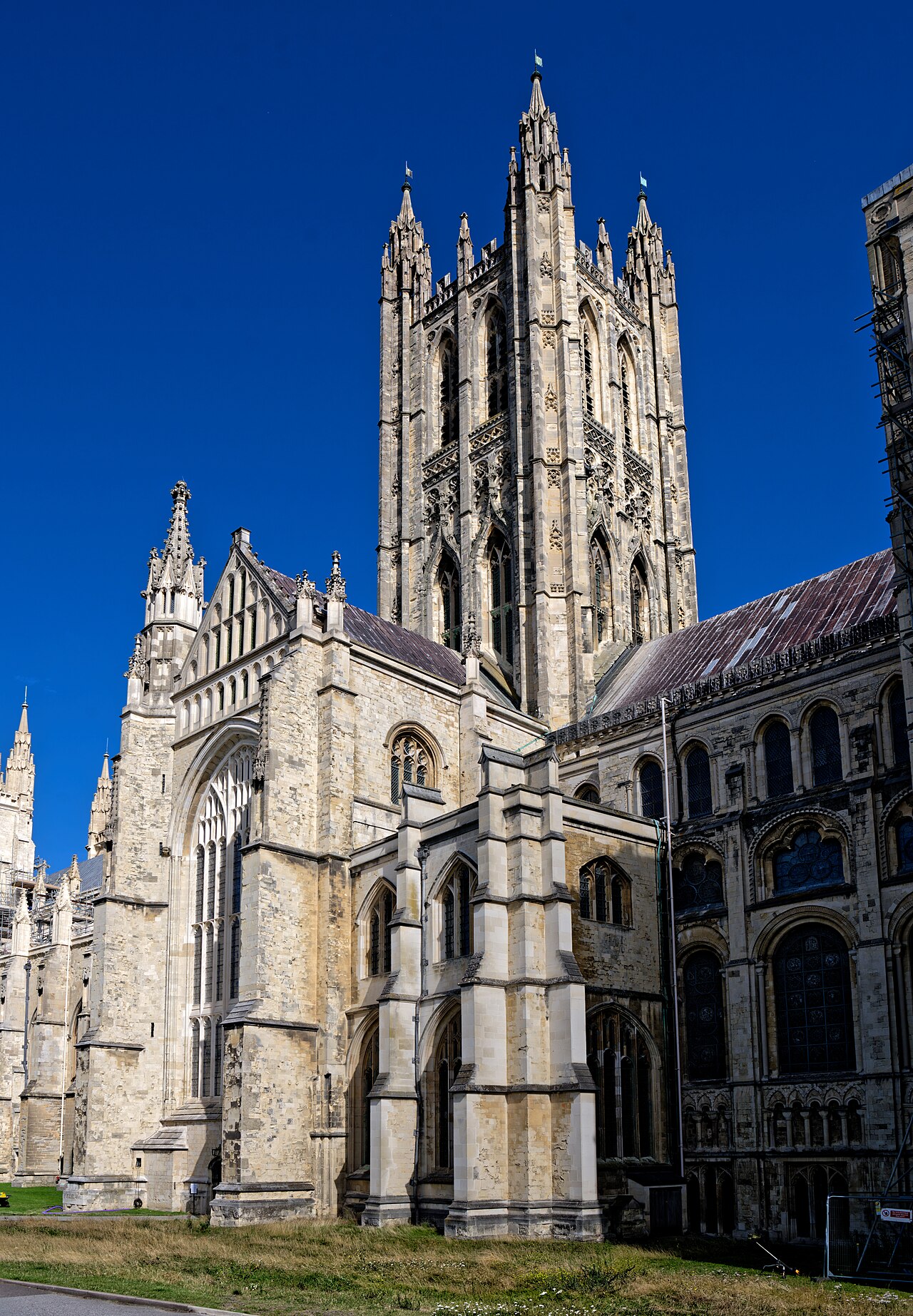
Constitutions of Clarendon
Henry II of England · 1164
 Artifact
Primary source
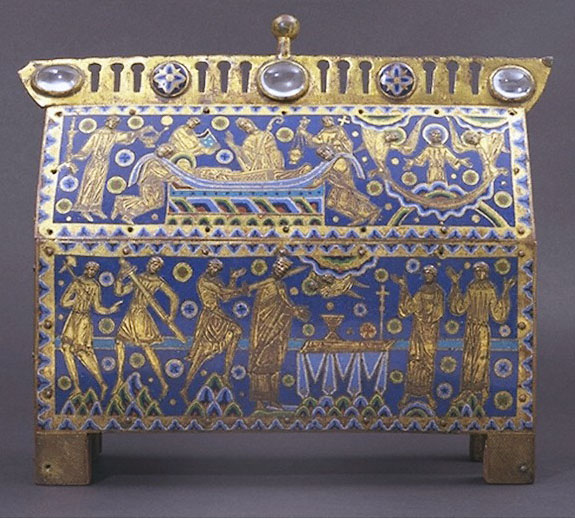
Canterbury Cathedral
founded 597
 Artifact
Secondary source
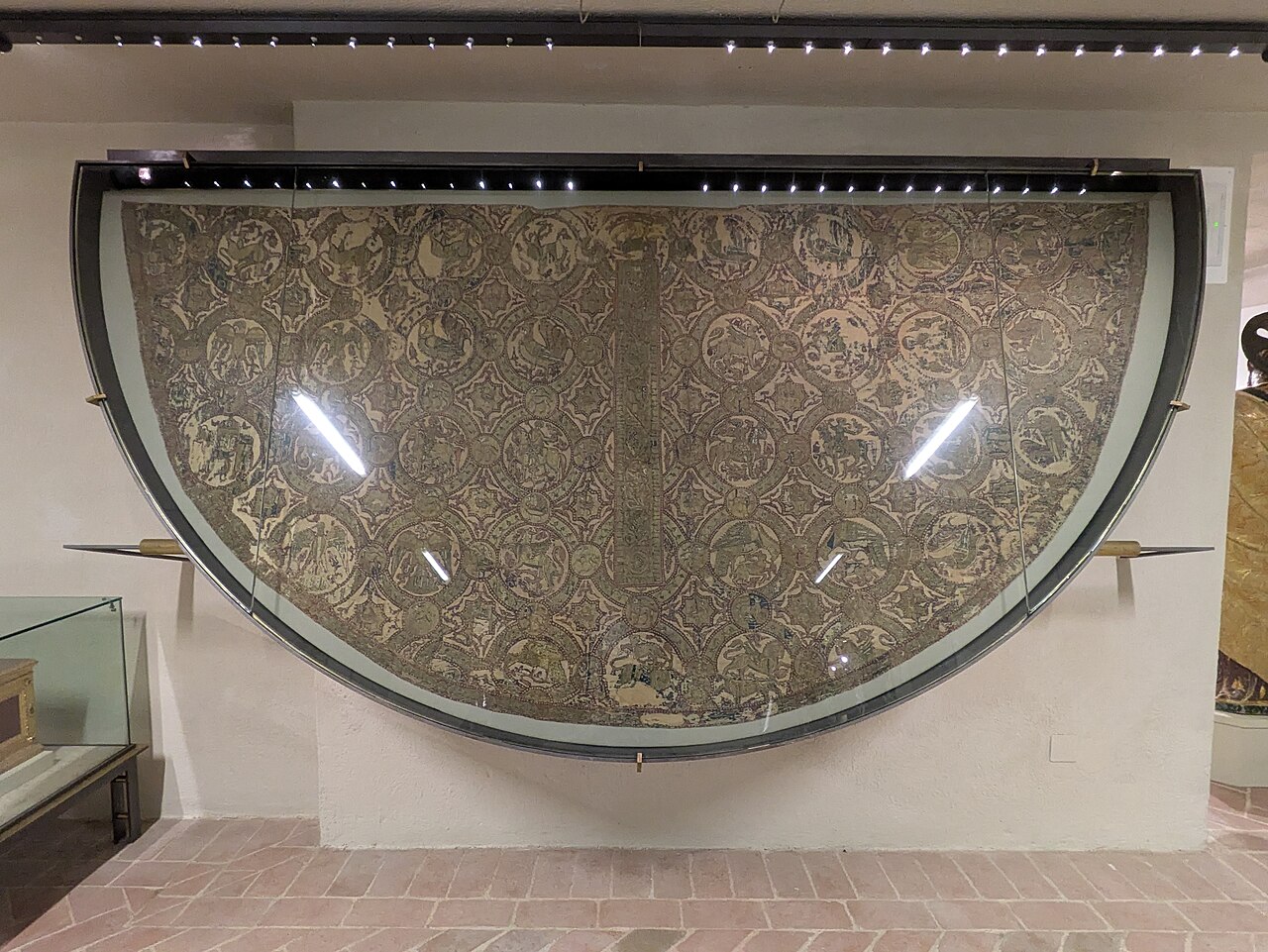
Becket Casket
c. 1180-1190
 Artifact
Secondary source
Fermo Chasuble of St. Thomas Becket
12th century
 Artifact
Secondary source
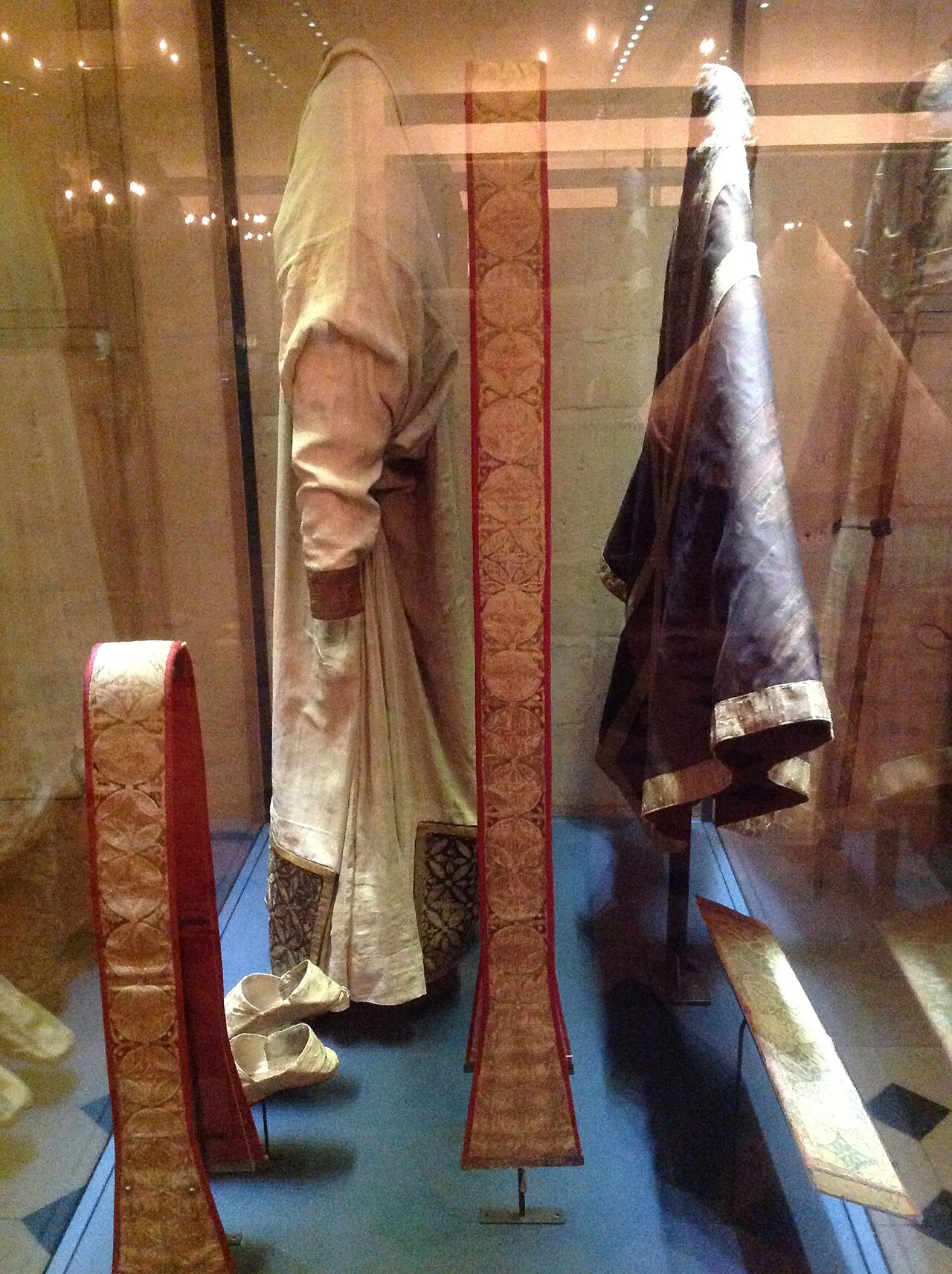
Becket Liturgical Garments, Sens Cathedral
12th century
Ready when you are
Start chatting with Thomas Becket now.
20 messages free · No credit card · Available in 50+ languages.