


Secondary sourcePainting1852
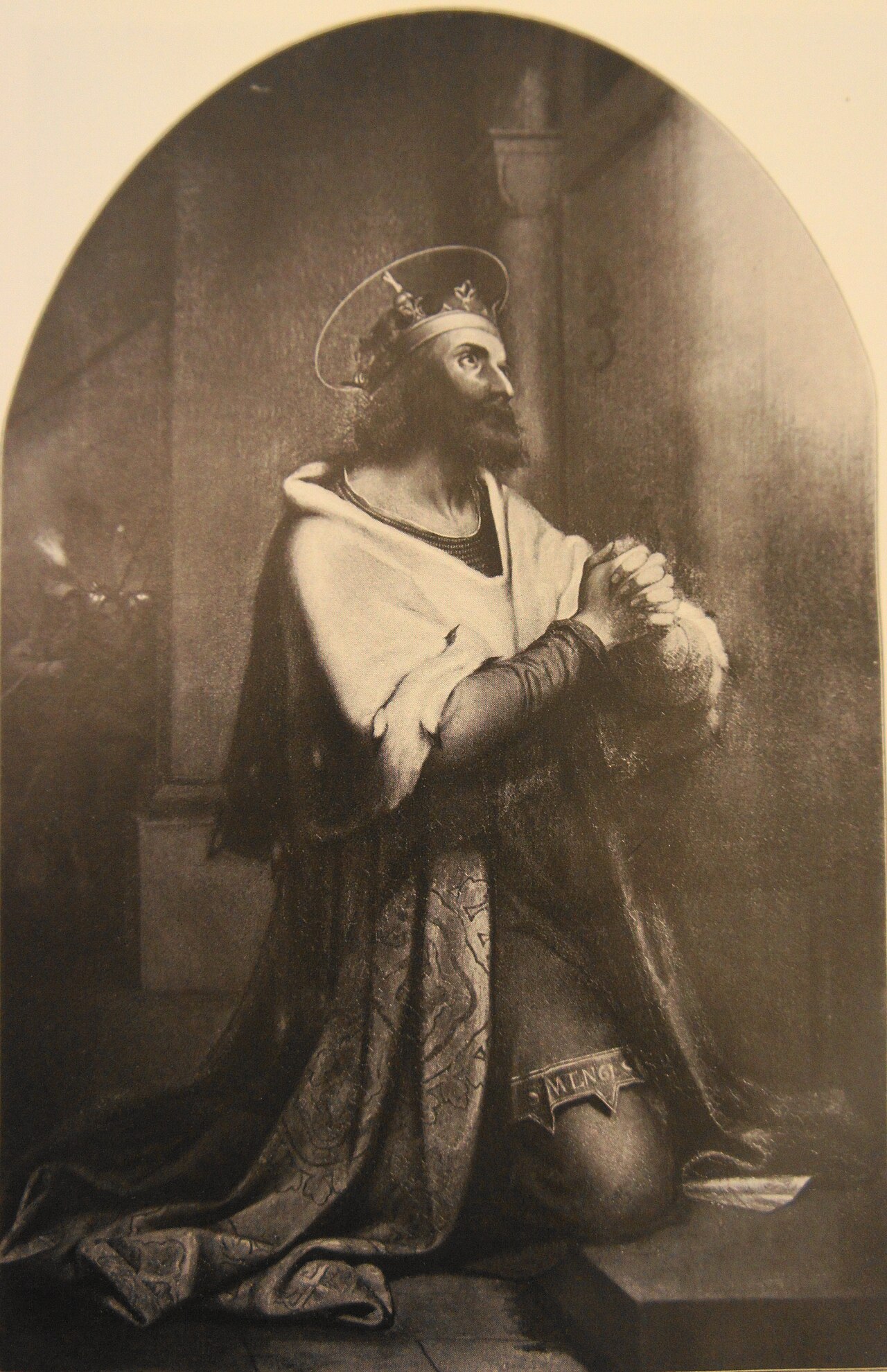
Saint Wenceslas Altarpiece by Adolf Zimmermann
Adolf Zimmermann · 1852
A 19th-century altarpiece painting from a church in Görlitz, Germany, showing Wenceslas kneeling in prayer as a sainted ruler.
Shows Wenceslas as a praying sainted ruler, reflecting how his cult spread into German-speaking lands.
About this source
What it is
This 1852 altarpiece by Adolf Zimmermann, known through a black-and-white reproduction, was painted for the Catholic Church of the Holy Cross in Görlitz. It shows Wenceslas, crowned and haloed, kneeling in prayer with hands clasped, looking upward.
Why it matters
The painting shows how Wenceslas's cult as a saint reached far beyond Bohemia, into German-speaking lands, nearly a thousand years after his death. It reflects the 19th-century Nazarene art movement's interest in depicting pious historical and religious figures with idealized devotion.
Look closer
- What does the pose of prayer suggest the artist wanted viewers to feel about Wenceslas?
- Why might a German church choose to commission an altarpiece of a Bohemian duke-saint?
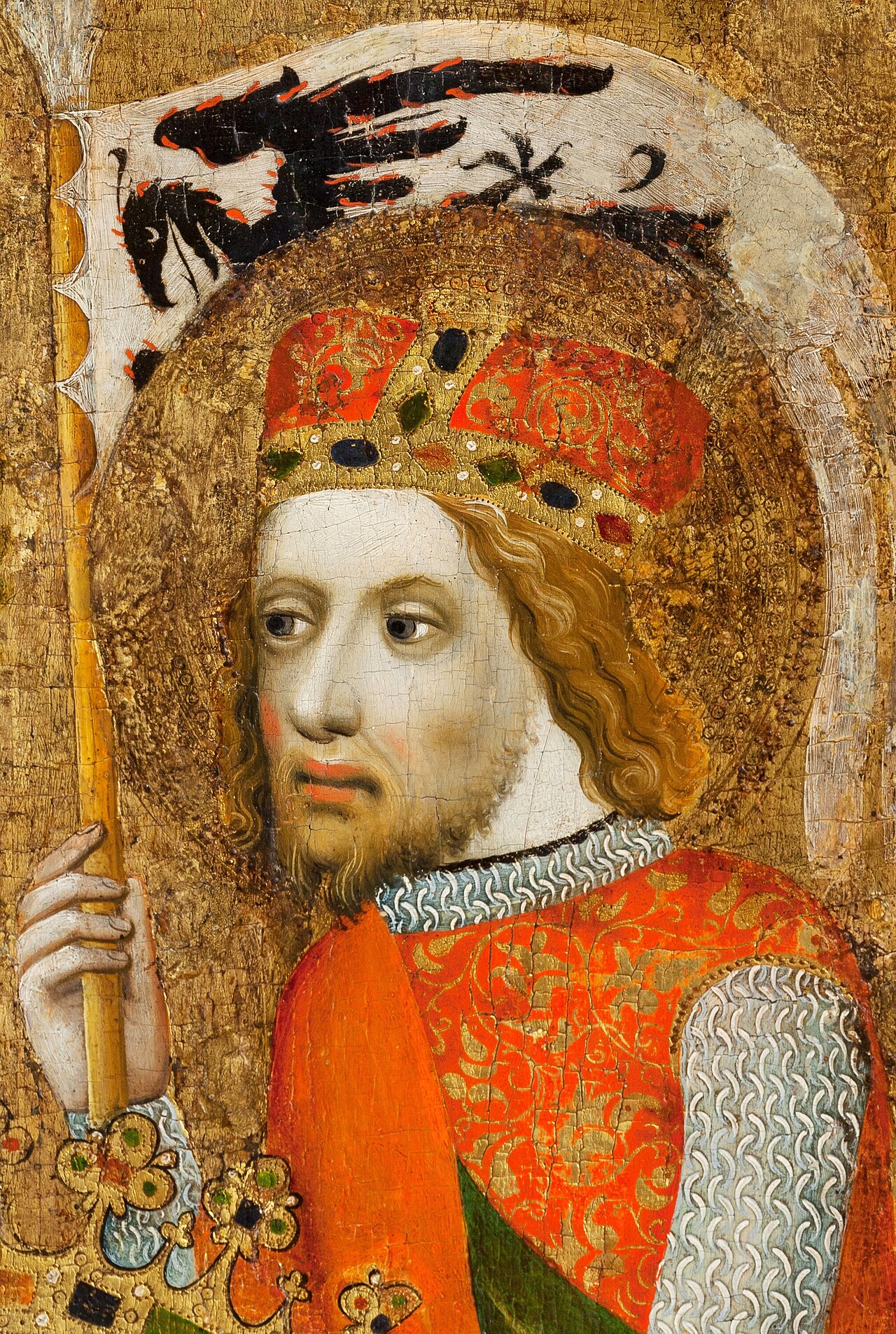
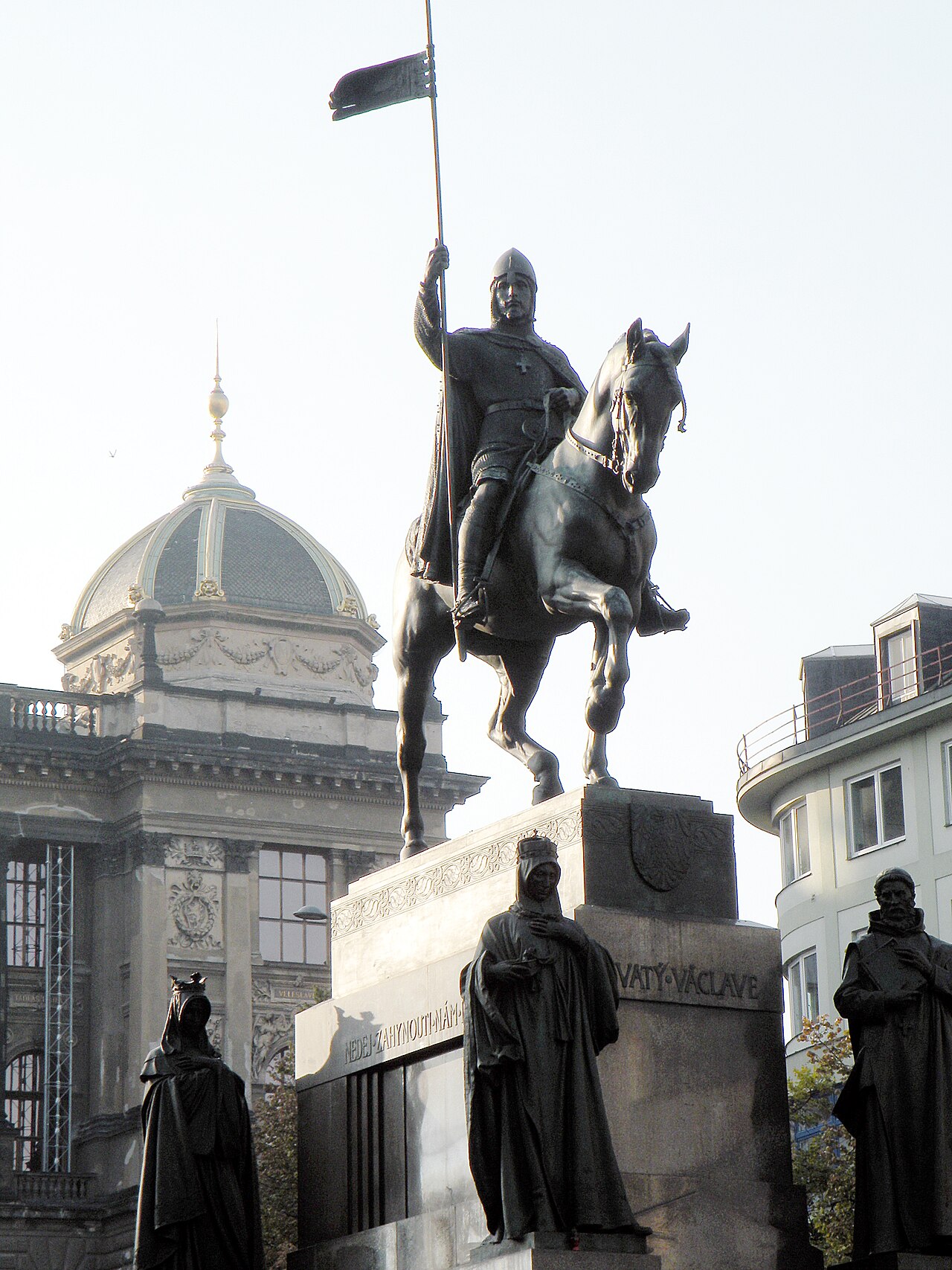
- How does this 19th-century image compare with the warrior images of Wenceslas seen in other artworks?
This painting is part of the curated material that grounds the AI version of Wenceslaus I, Duke of Bohemia on Humy.ai — when students ask about related events, the AI can quote it and cite it.
More Wenceslaus I, Duke of Bohemia sources
Browse all 92 →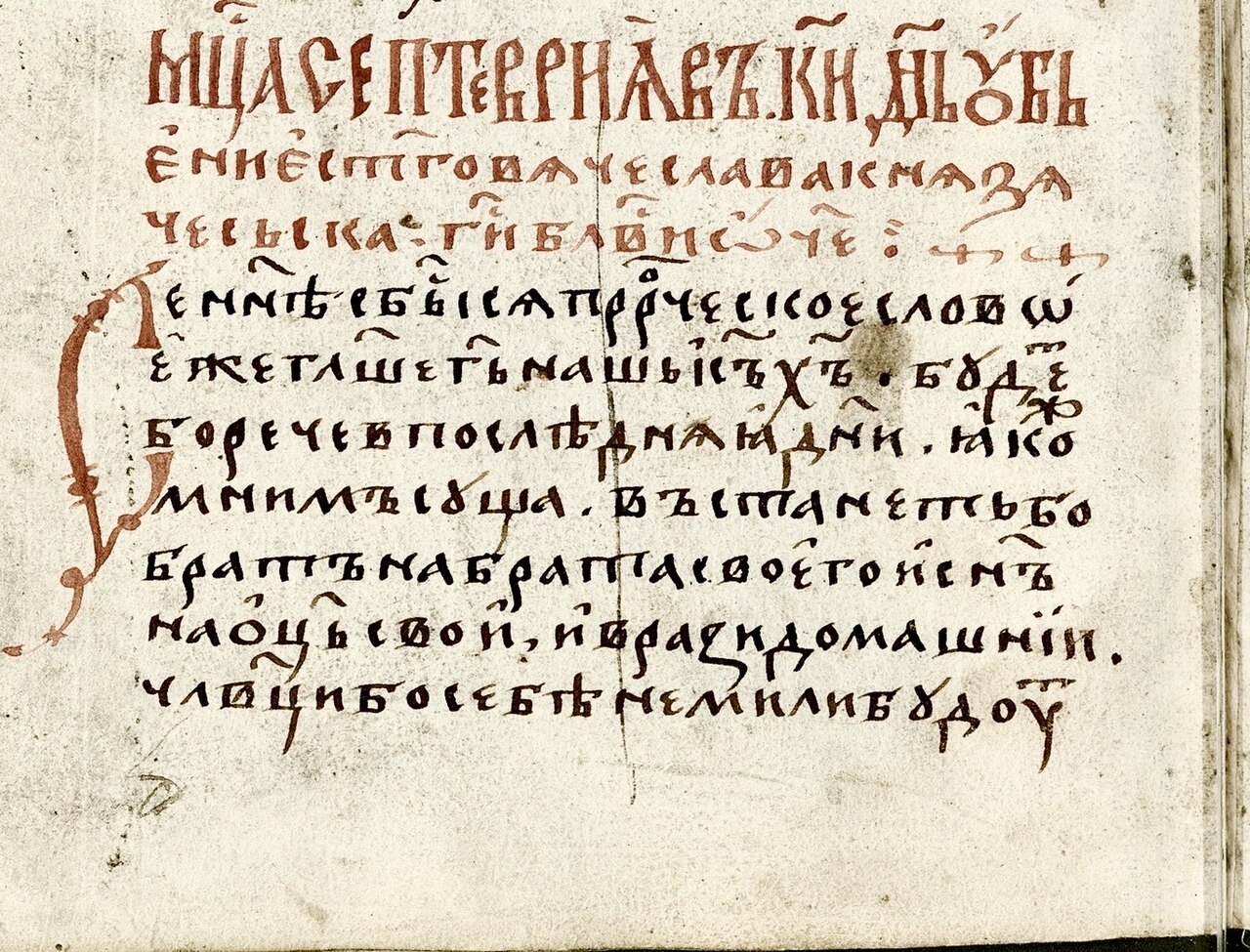 Book
Secondary source
Life of Saint Wenceslaus
c. 930
 Artifact
Primary source
Crown of Saint Wenceslas
1347
 Artifact
Primary source
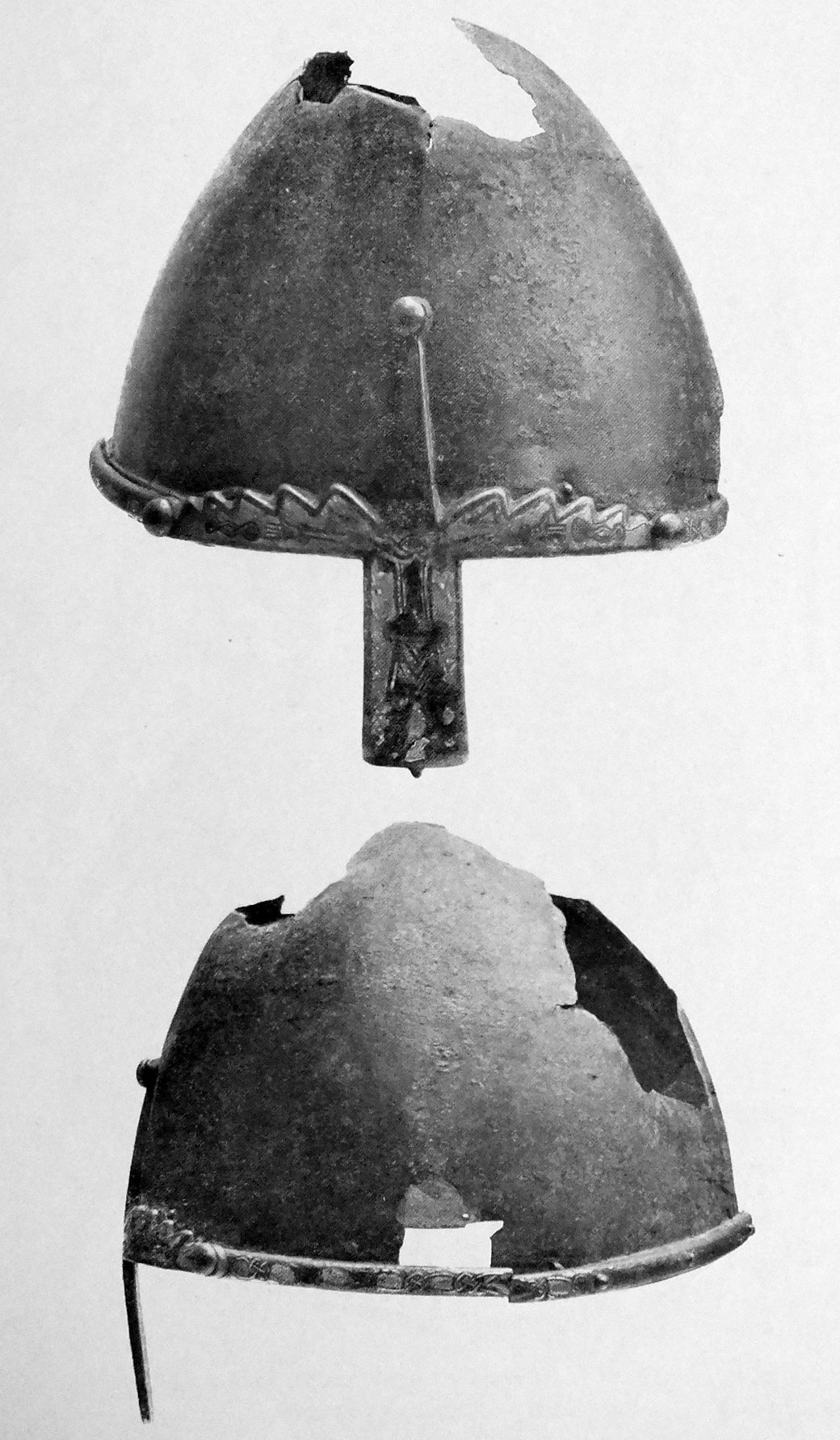
Helmet of Saint Wenceslaus
early medieval period
 Book
Secondary source
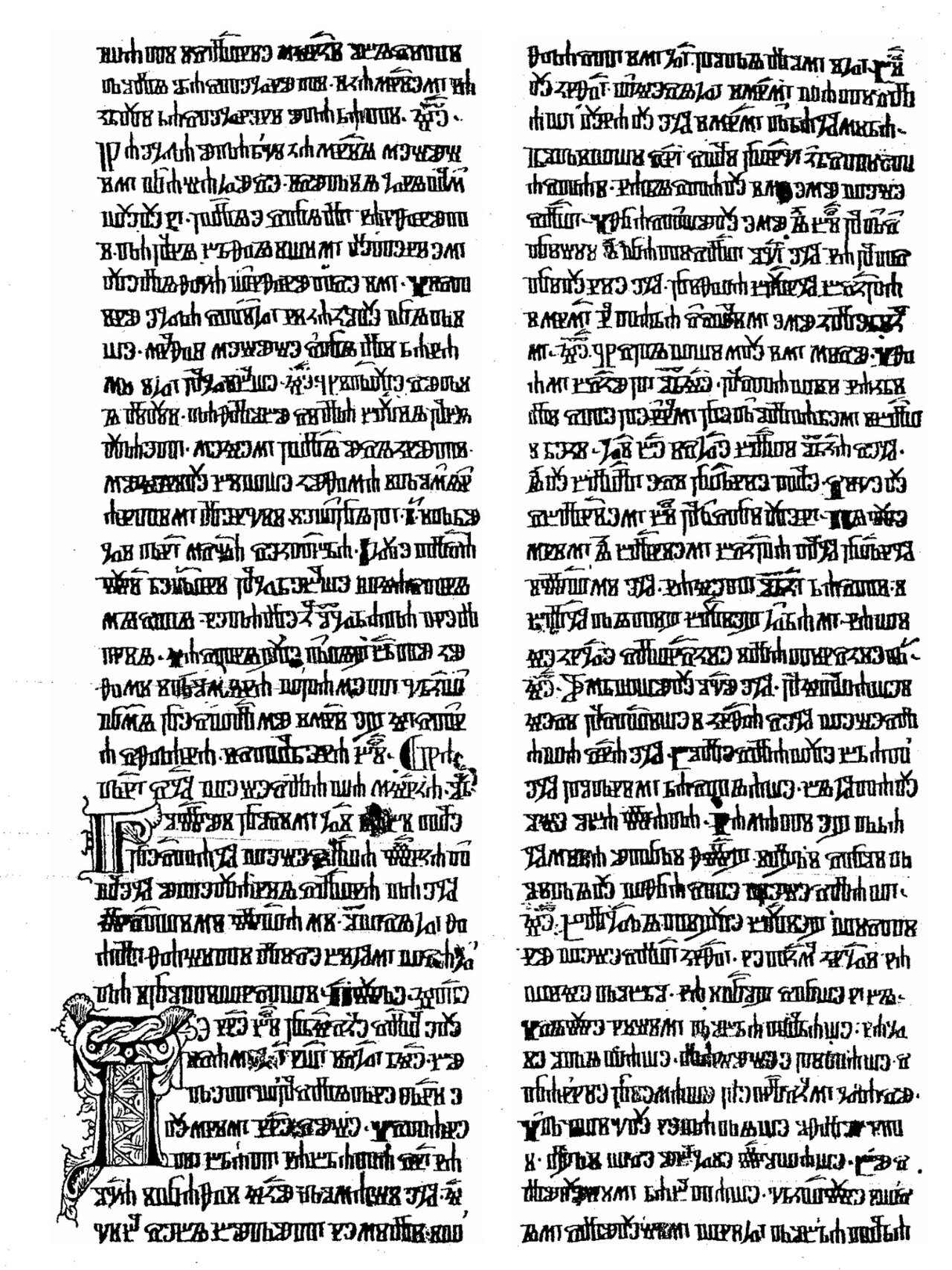
Church Slavonic Vita of Saint Wenceslaus and Ludmila
14th century
Free account
Read every Wenceslaus I, Duke of Bohemia source
Sign up free →
Ready when you are
Start chatting with Wenceslaus I, Duke of Bohemia now.
20 messages free · No credit card · Available in 50+ languages.