


Secondary sourcePainting16th century
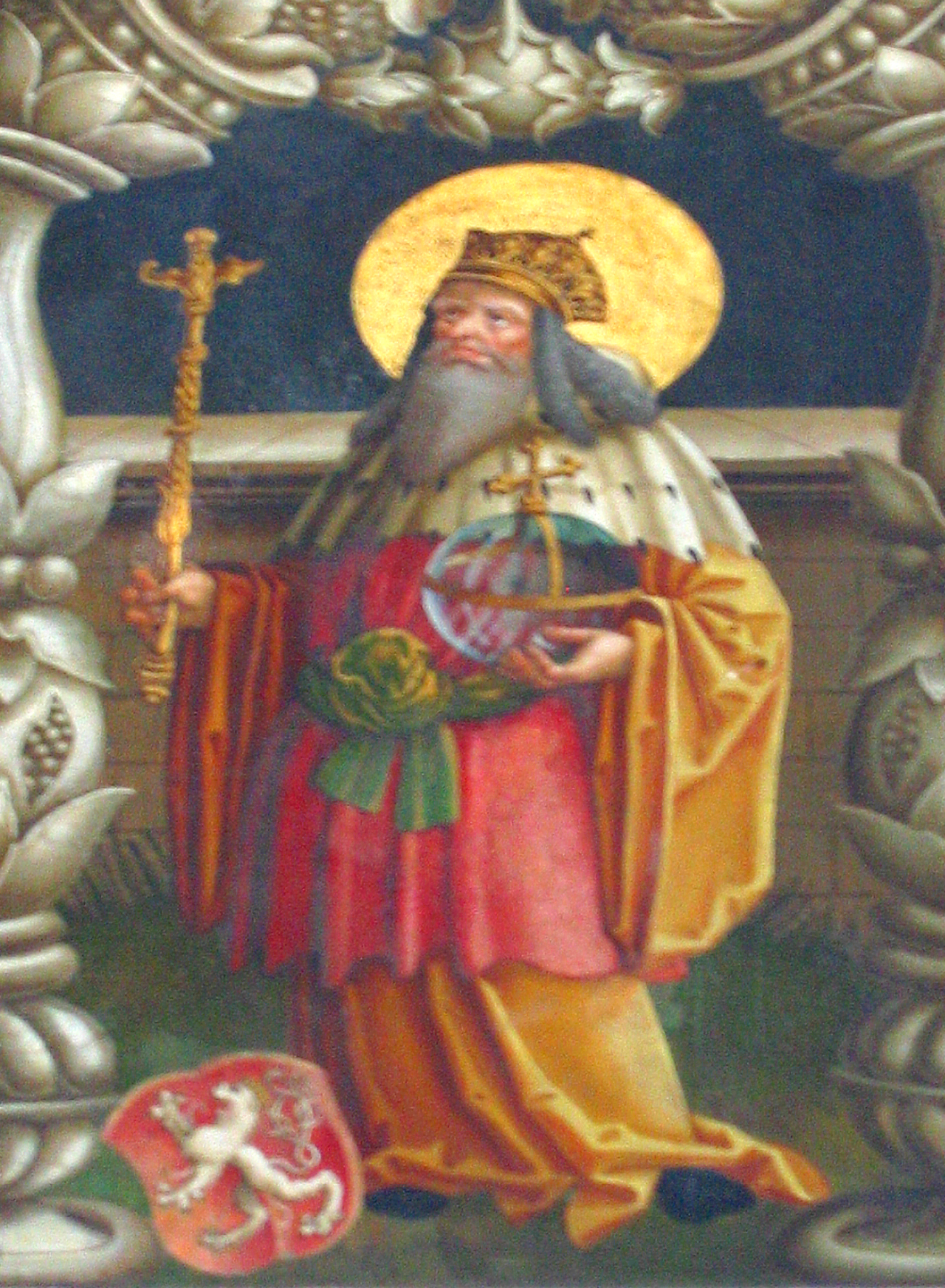
Saint Wenceslaus painting from Gdańsk
16th century
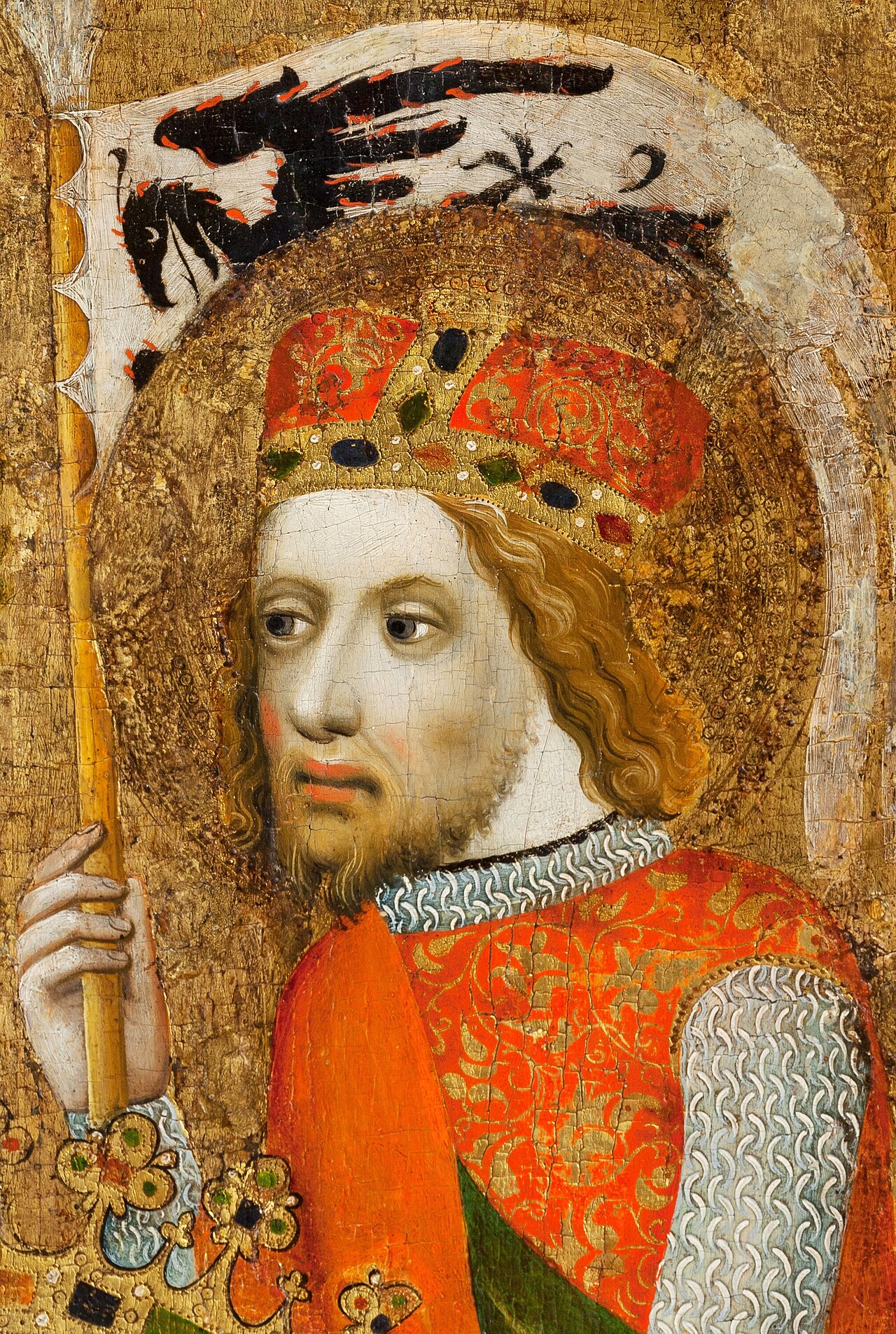
A 16th-century painting from Gdańsk showing Wenceslaus crowned and holding royal regalia, reflecting his veneration as a saint.
This painting depicts Wenceslaus as a crowned saint, part of his continued veneration across Central Europe.
About this source
What it is
This 16th-century painting from Gdańsk shows a bearded, crowned man with a golden halo, holding a sceptre and an orb, wearing a red and gold robe and ermine-trimmed cape, with a heraldic shield nearby.
Why it matters
The painting shows how Wenceslaus continued to be honored as a royal, saintly figure across Central Europe long after his lifetime, with regal symbols of crown, sceptre and orb used to express his sanctity and authority.
Look closer
- What symbols in the painting suggest both royal power and holiness?
- Why might a church or city like Gdańsk commission such an image?
- What does the heraldic shield in the corner suggest about regional identity or patronage?
This painting is part of the curated material that grounds the AI version of Wenceslaus I, Duke of Bohemia on Humy.ai — when students ask about related events, the AI can quote it and cite it.
More Wenceslaus I, Duke of Bohemia sources
Browse all 92 →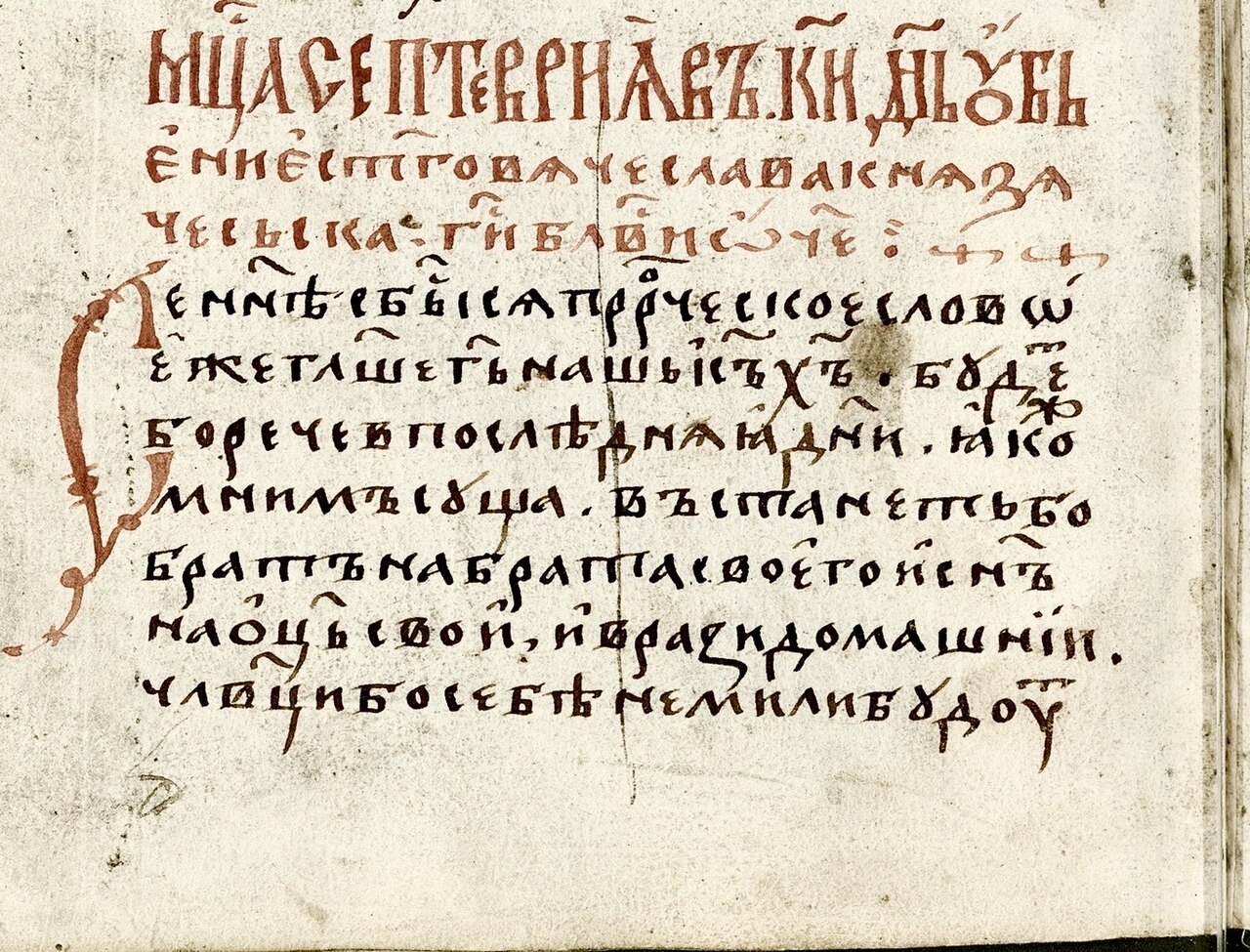 Book
Secondary source
Life of Saint Wenceslaus
c. 930
 Artifact
Primary source
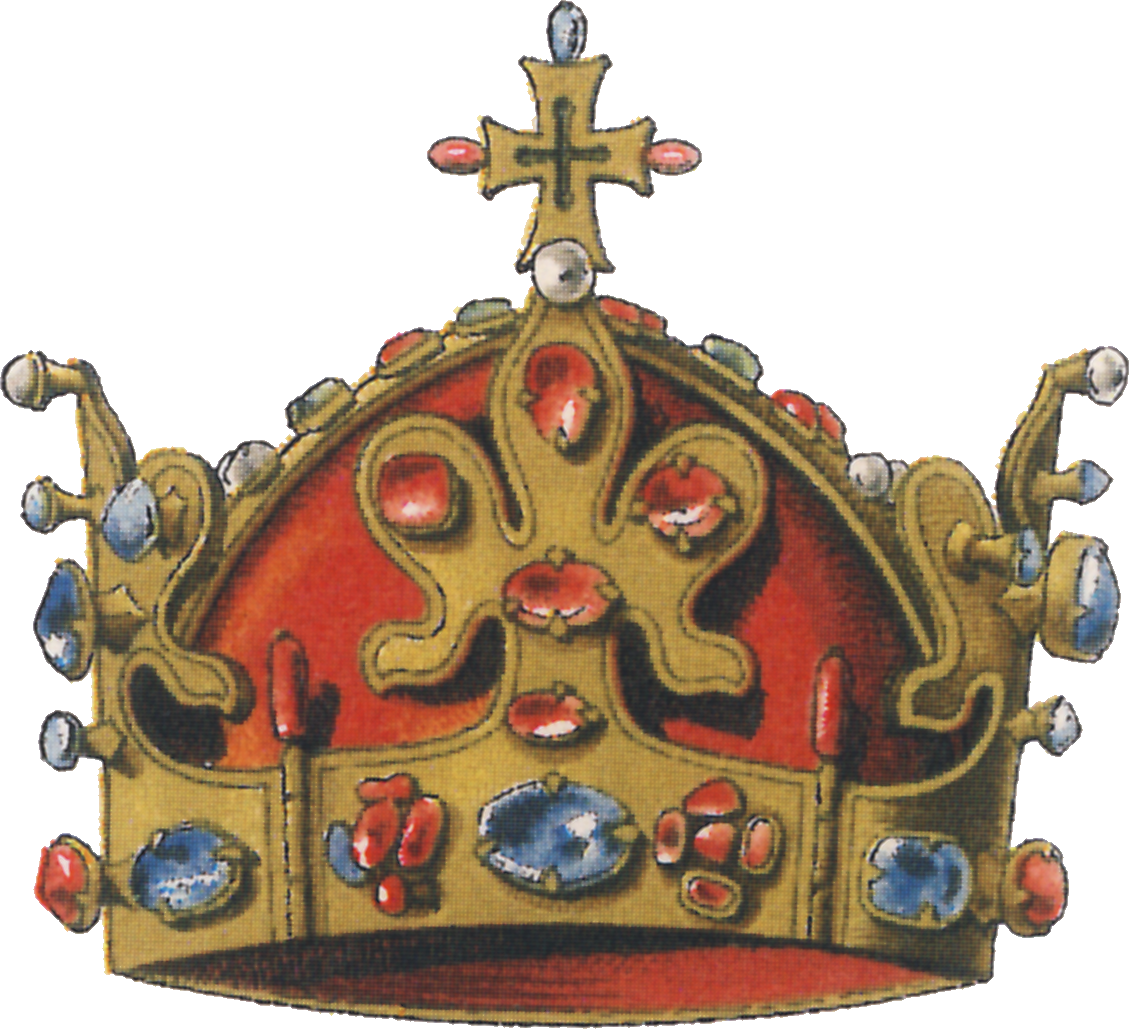
Crown of Saint Wenceslas
1347
 Artifact
Primary source
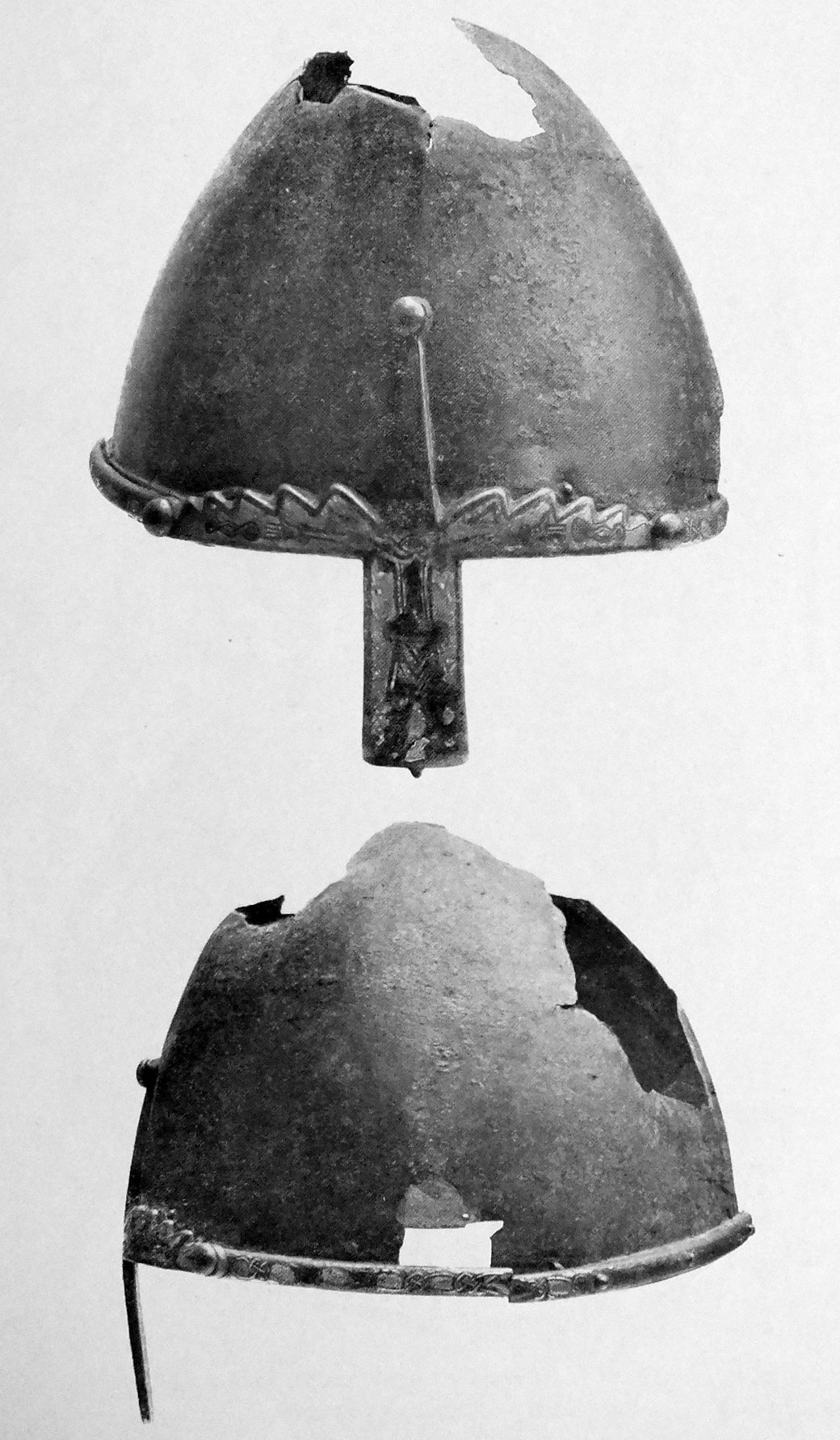
Helmet of Saint Wenceslaus
early medieval period
 Book
Secondary source
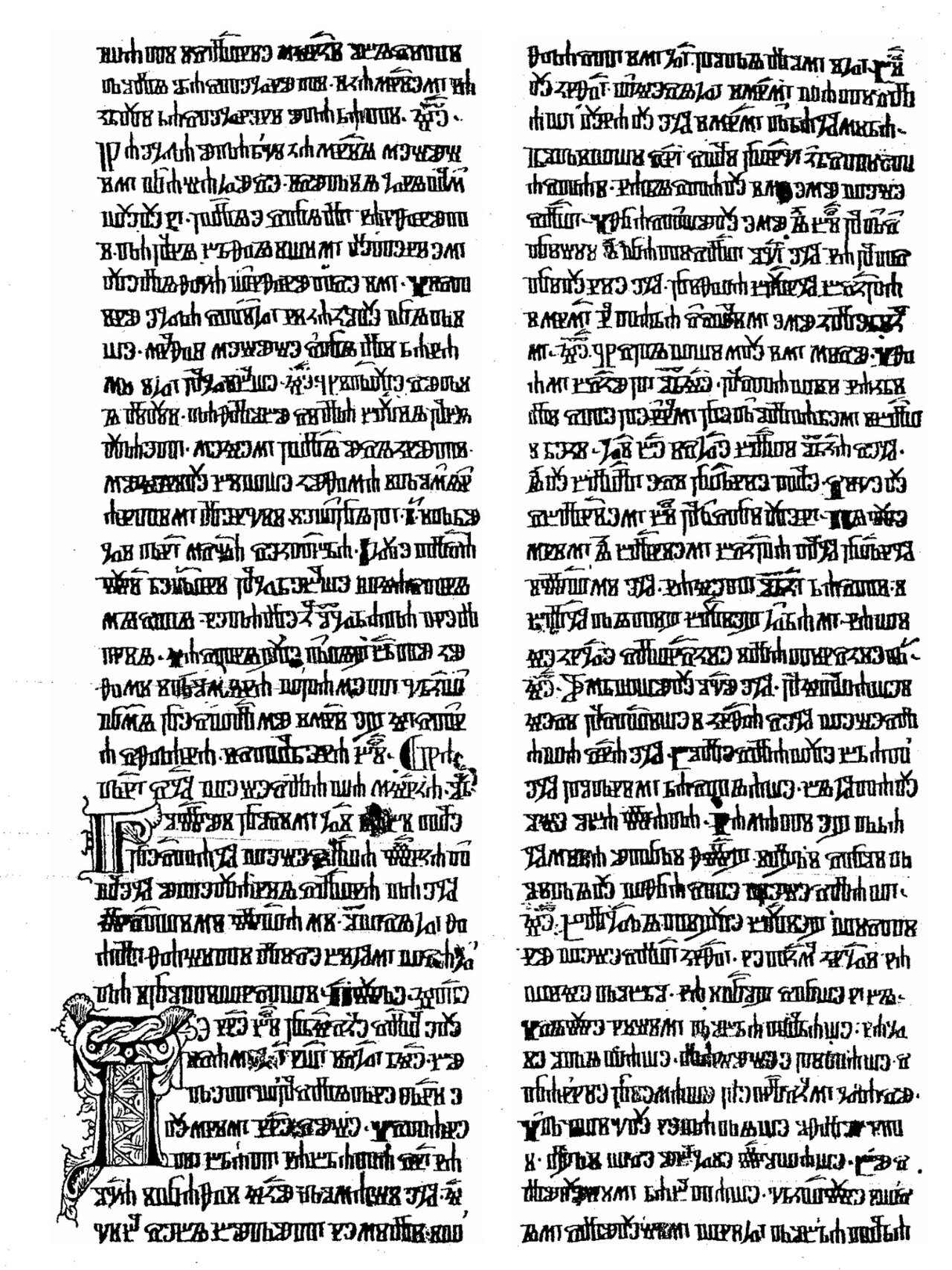
Church Slavonic Vita of Saint Wenceslaus and Ludmila
14th century
Free account
Read every Wenceslaus I, Duke of Bohemia source
Sign up free →
Ready when you are
Start chatting with Wenceslaus I, Duke of Bohemia now.
20 messages free · No credit card · Available in 50+ languages.