


Primary sourceArtifact1797
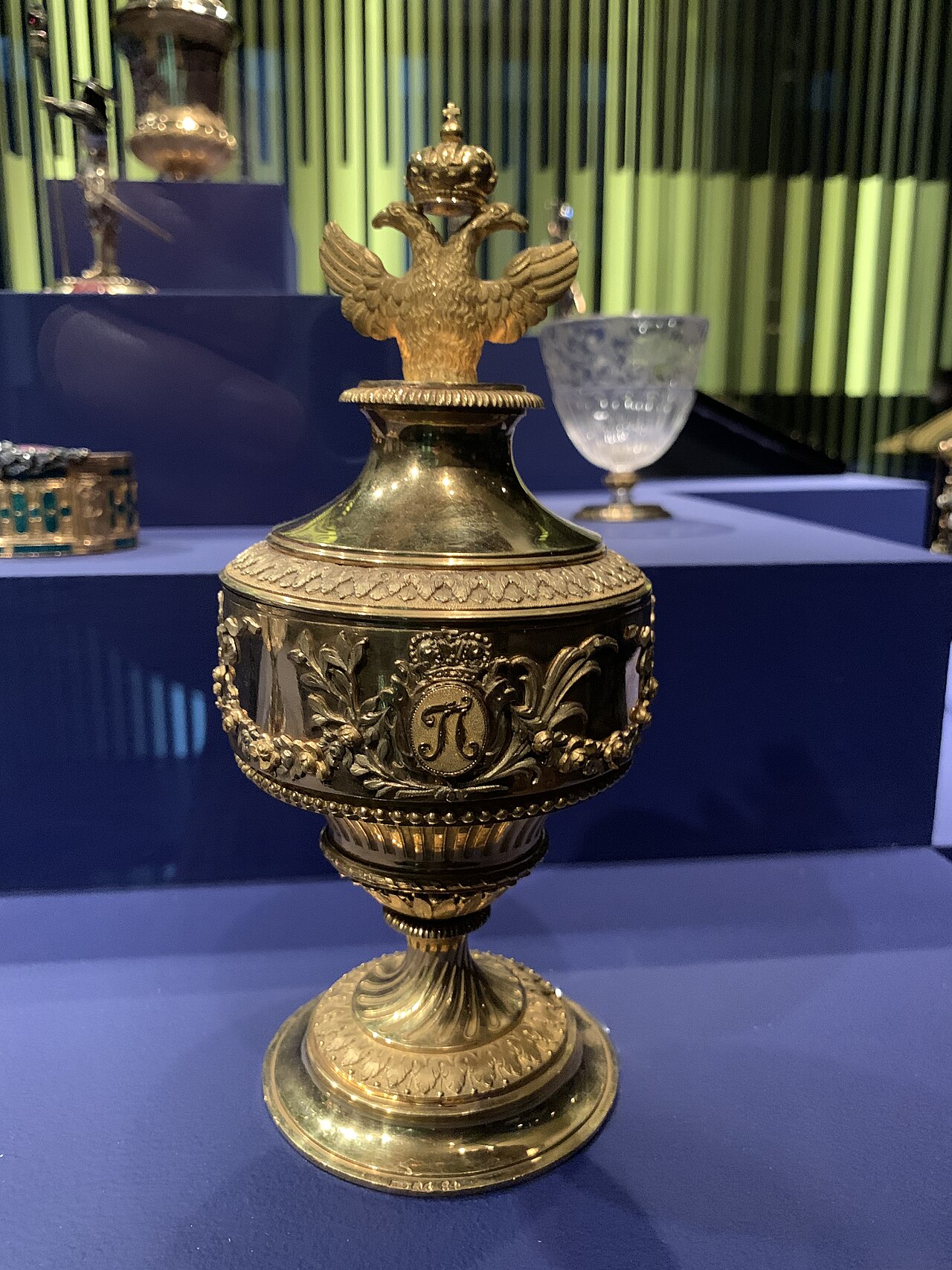
Salt Cellar with Double-Headed Eagle
1797
A gilded Moscow-made salt cellar from Paul I's coronation year, decorated with the imperial double-headed eagle.
Made in Paul I's coronation year, carrying the imperial eagle symbol of his reign.
About this source
What it is
This gilded metal covered vessel, made in Moscow in 1797, stands on a pedestal foot topped by a crowned double-headed eagle. Its body has a band of relief foliage around a crowned monogram medallion. It is held today by the Hermitage Museum.
Why it matters
Made in 1797, the year Paul I was crowned Emperor, this salt cellar shows how imperial symbols like the double-headed eagle were used on objects connected to his reign. Such items reflect the ceremony and craftsmanship associated with Russian coronation celebrations.
Look closer
- Why might a salt cellar be decorated with imperial symbols rather than left plain?
- What does the choice of Moscow as the place of manufacture suggest about the occasion?
- What would you want to know about who used this object and when?
This artifact is part of the curated material that grounds the AI version of Paul I of Russia and Nicholas I of Russia on Humy.ai — when students ask about related events, the AI can quote it and cite it.
More Paul I of Russia sources
Browse all 91 →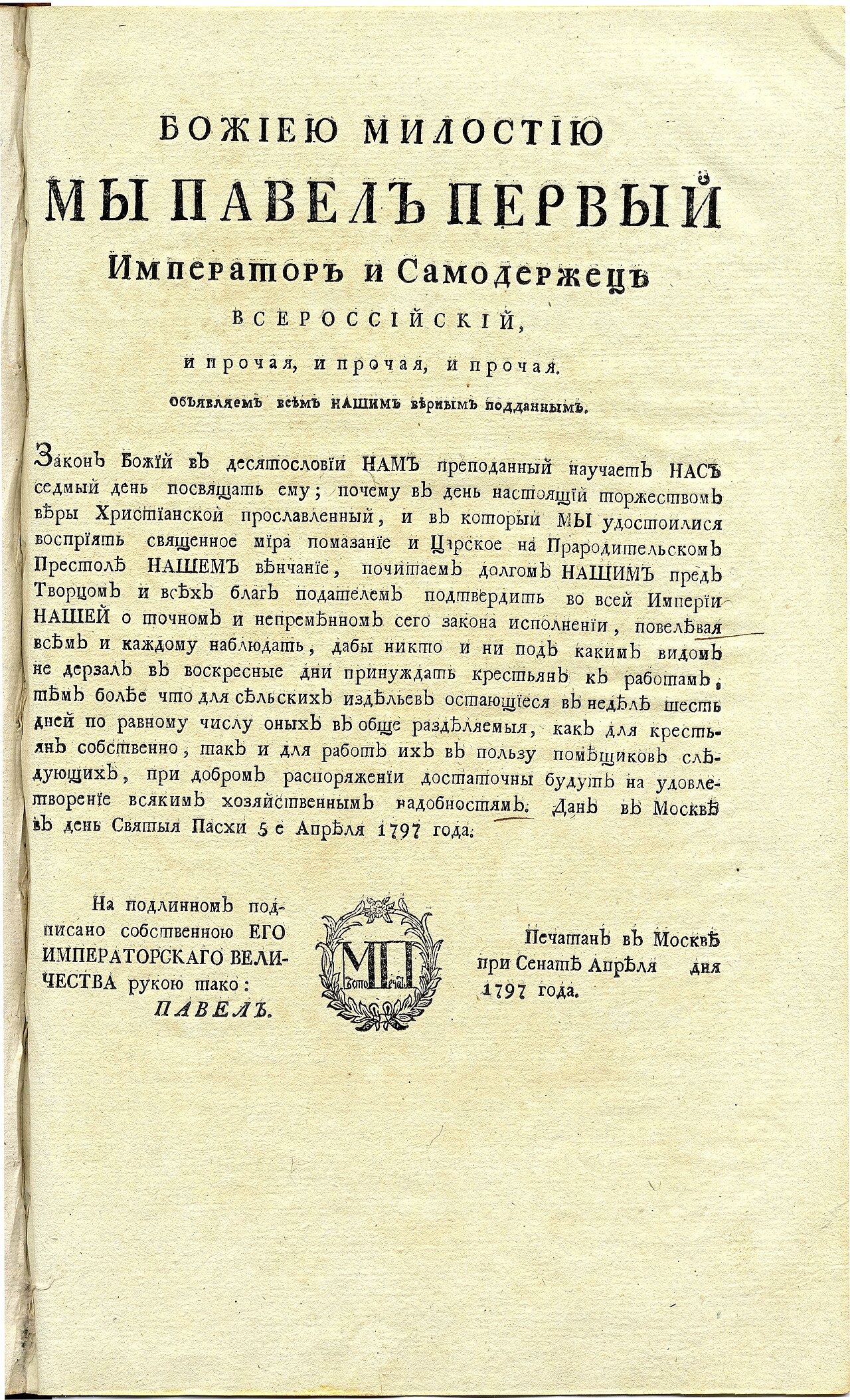 Document
Primary source
Manifesto of Three-Day Corvée
Paul I of Russia · 16 April 1797
 Document
Primary source
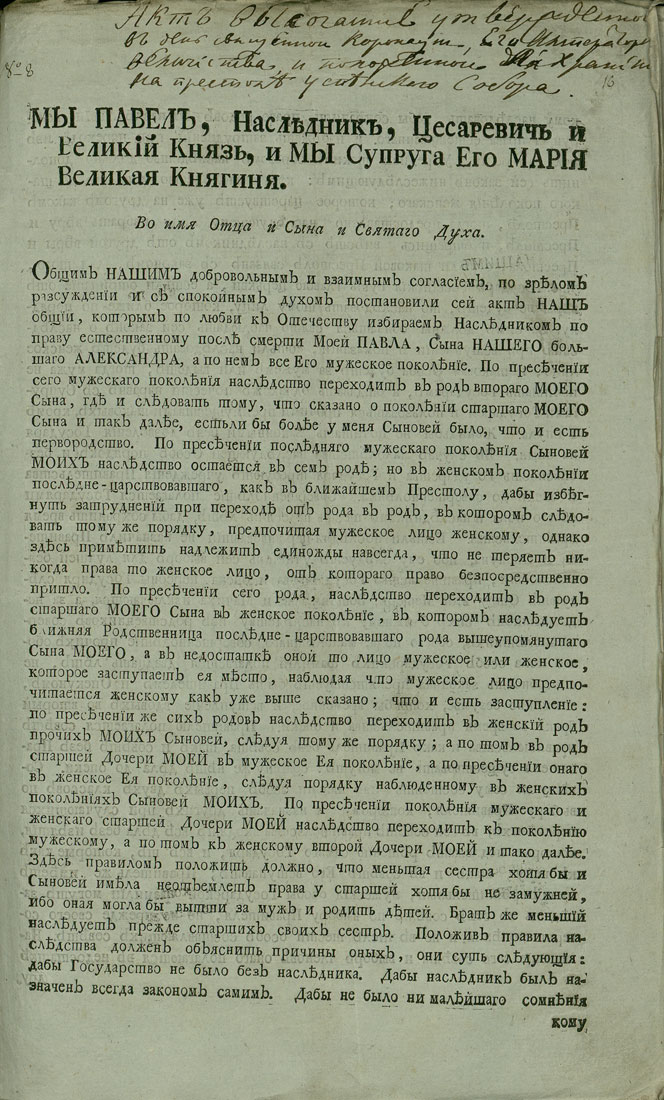
Pauline Laws
Paul I of Russia · 1797
 Artifact
Primary source
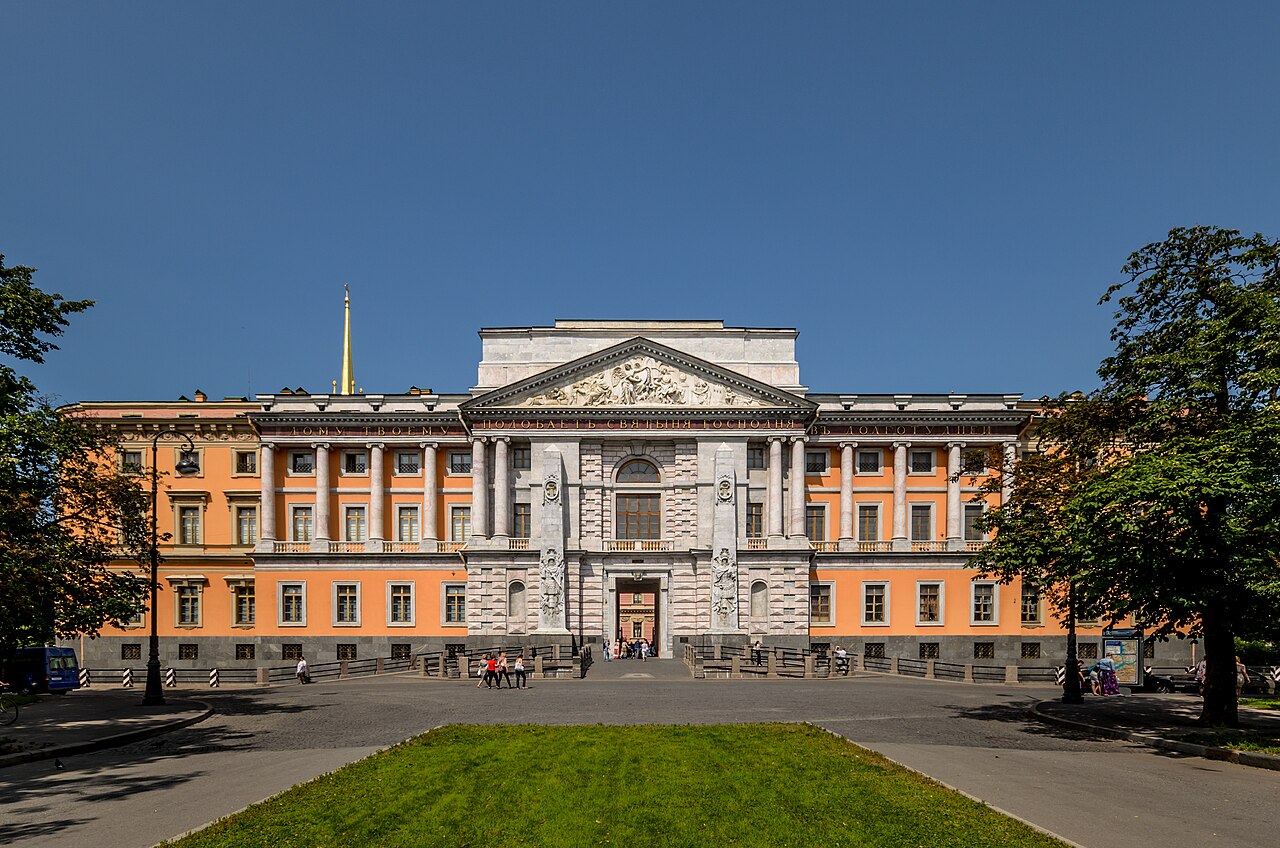
Saint Michael's Castle
Vincenzo Brenna and Vasily Bazhenov · 1797-1801
 Painting
Primary source
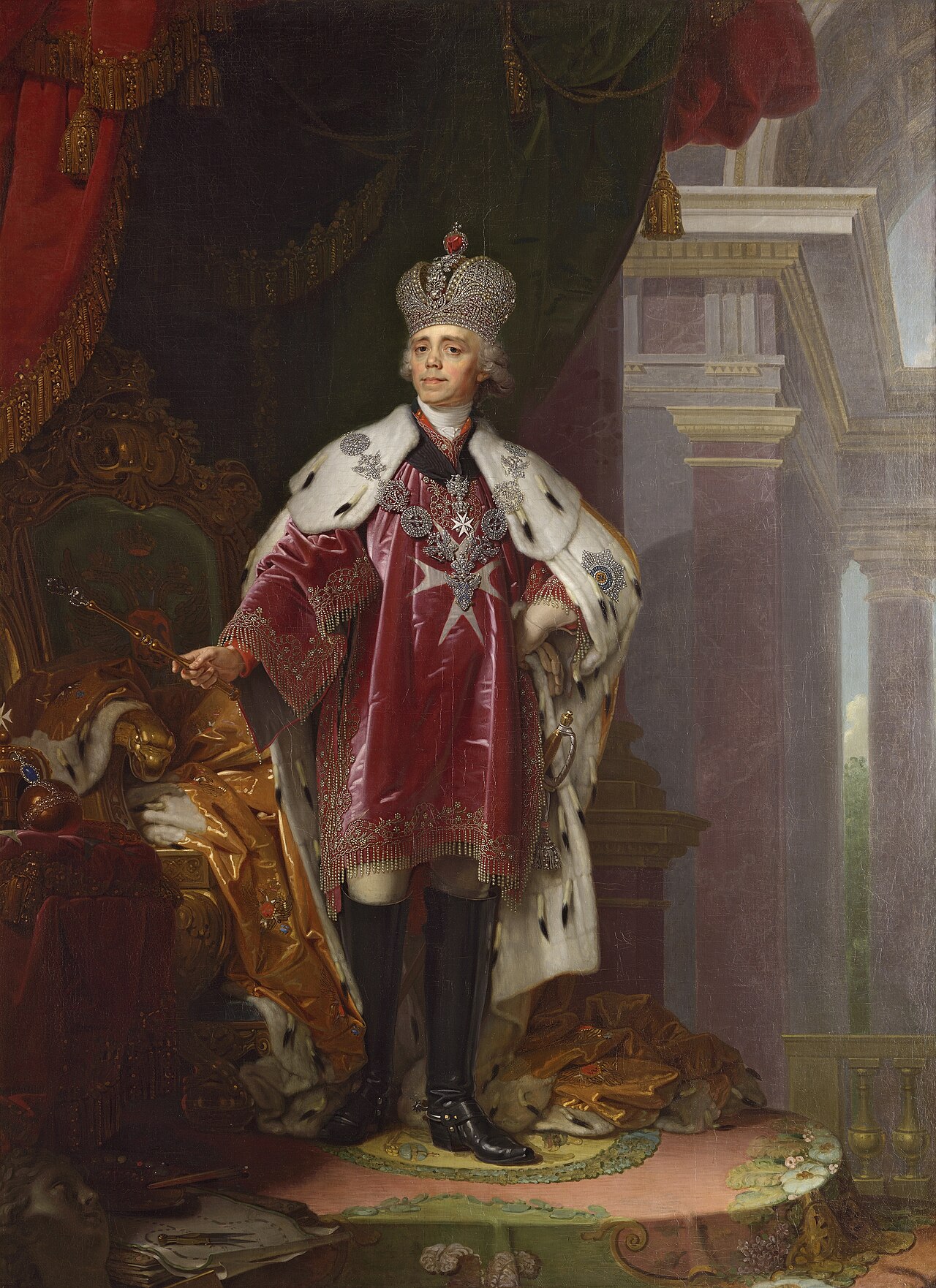
Portrait of Paul I of Russia
Vladimir Borovikovsky
Free account
Read every Paul I of Russia source
Sign up free →
Ready when you are
Start chatting with Paul I of Russia now.
20 messages free · No credit card · Available in 50+ languages.