


Primary sourceArtifact1423–1449
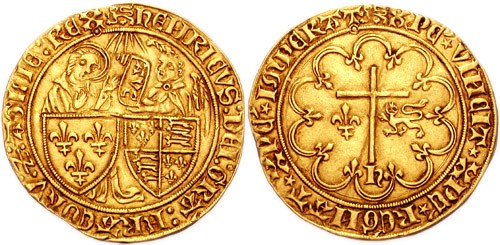
Salut d'or of Henry VI
Royal mints of Paris and Rouen · 1423–1449
A gold coin struck in Paris and Rouen in Henry VI's name, showing the English and French royal arms together.
This coin was minted in Henry VI's name as evidence of his claimed dual monarchy over England and France.
About this source
What it is
This is a gold coin, a salut d'or, struck at the royal mints of Paris and Rouen between 1423 and 1449 in the name of Henry VI. It is held today by the British Museum.
Why it matters
The coin's obverse shows a crowned figure with shields bearing the arms of England and France, while the reverse carries a cross and fleurs-de-lis. It is physical proof of the dual monarchy claimed in Henry's name, when he was proclaimed king of both England and France during the Hundred Years' War.
Look closer
- Why would a king want his coins to display two different coats of arms?
- What does the choice of Paris and Rouen as minting locations tell us about English control in France at the time?
- How might ordinary people handling this coin have understood the political claims it made?
This artifact is part of the curated material that grounds the AI version of Henry VI on Humy.ai — when students ask about related events, the AI can quote it and cite it.
More Henry VI sources
Meet the AI Henry VI →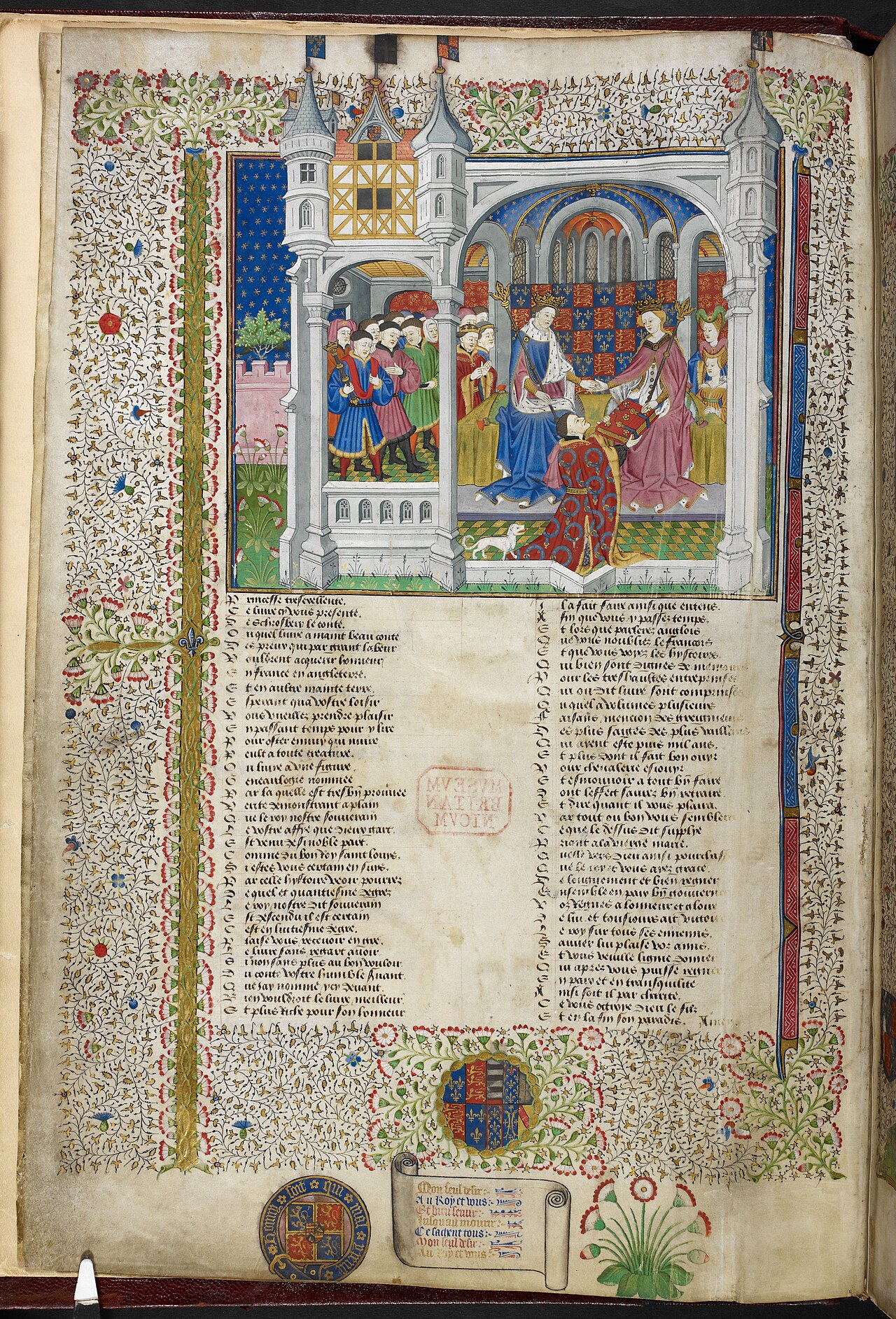 Book
Primary source
Talbot Shrewsbury Book
Master of the Munich Golden Legend · 1444/1445
 Painting
Secondary source
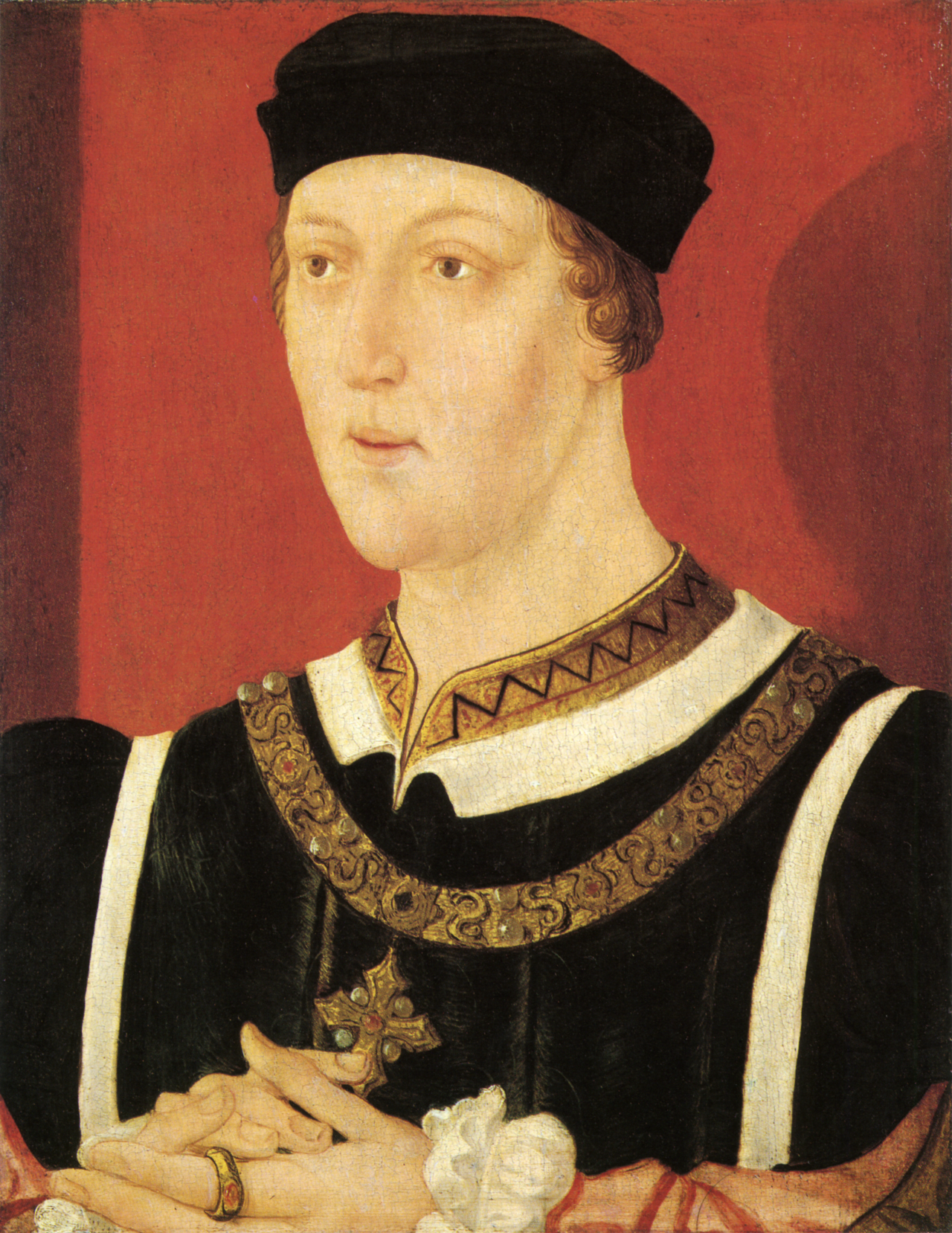
King Henry VI
Unknown English artist · c. 1540
 Artifact
Primary source
Eton College
1440
 Artifact
Primary source
King's College Chapel
1446–1515
 Book
Secondary source
The Historie of the Arrivall of Edward IV
Unknown (servant of Edward IV) · c. 1500
Ready when you are
Start chatting with Henry VI now.
20 messages free · No credit card · Available in 50+ languages.