


Primary sourcePaintingc. 1810-1835
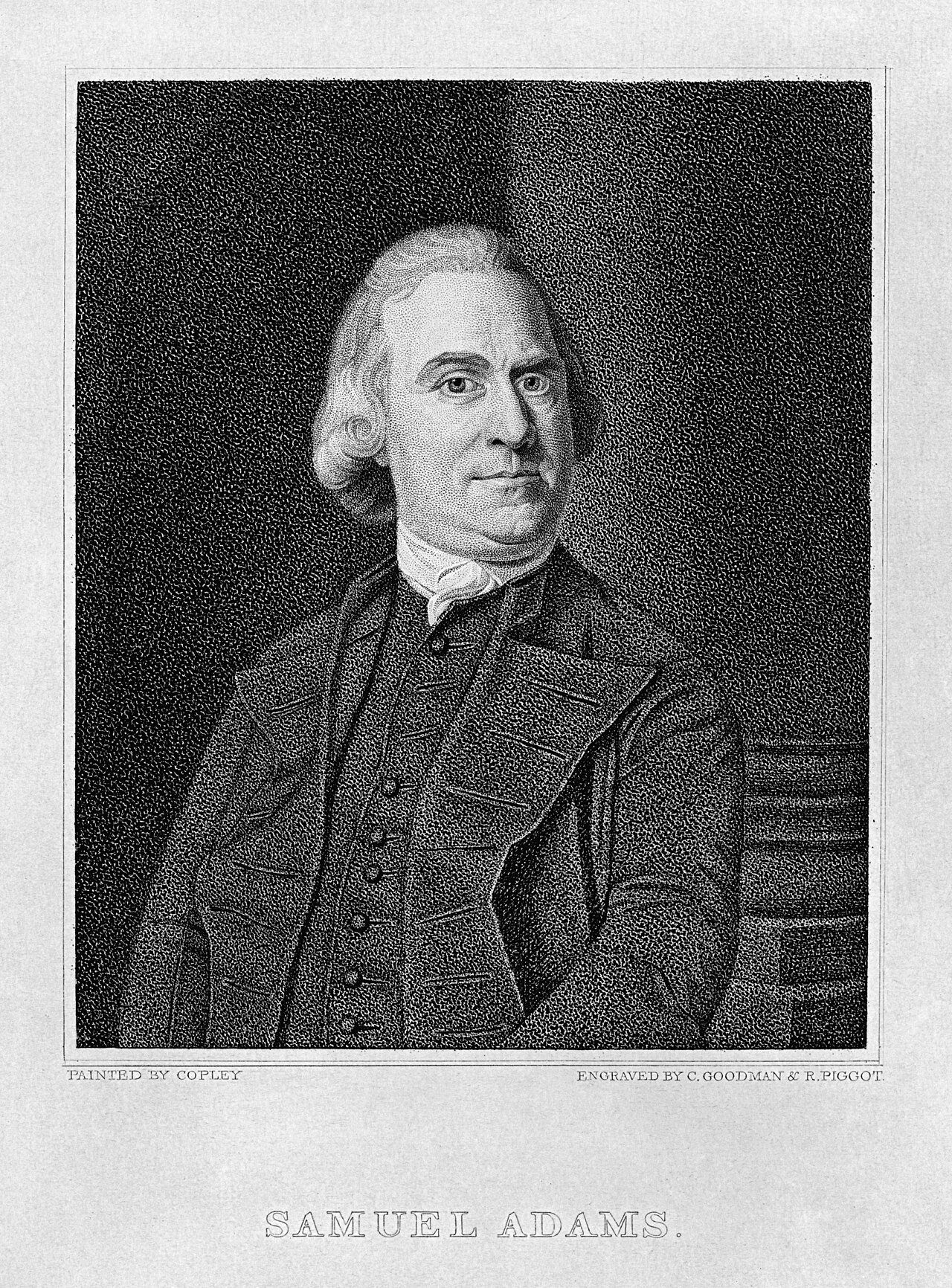
Samuel Adams Engraving by Goodman and Piggot after Copley
Charles Goodman and R. Piggot, after John Singleton Copley · c. 1810-1835
An early 19th-century engraving of Samuel Adams, based on a painted portrait by John Singleton Copley.
A posthumous engraved likeness of Adams reproducing a painted portrait, used to spread his image after his death.
About this source
What it is
This stipple engraving of Samuel Adams was made by C. Goodman and R. Piggot sometime between about 1810 and 1835, based on a painting by the artist Copley. It is held in the Library of Congress's Biographical File collection.
Why it matters
Made decades after Adams's death but based on a portrait likely made during or near his lifetime, this engraving helped shape how later generations pictured one of the key figures of the American Revolution. It shows how printmakers reproduced paintings to spread images of famous historical figures widely.
Look closer
- Why might an engraver choose to copy an existing painting rather than create a new portrait?
- What does the formal, dark clothing and plain background suggest about how Adams was meant to be remembered?
- How might an engraving made after someone's death differ from a portrait made while they were alive?
This painting is part of the curated material that grounds the AI version of Samuel Adams on Humy.ai — when students ask about related events, the AI can quote it and cite it.
More Samuel Adams sources
Meet the AI Samuel Adams →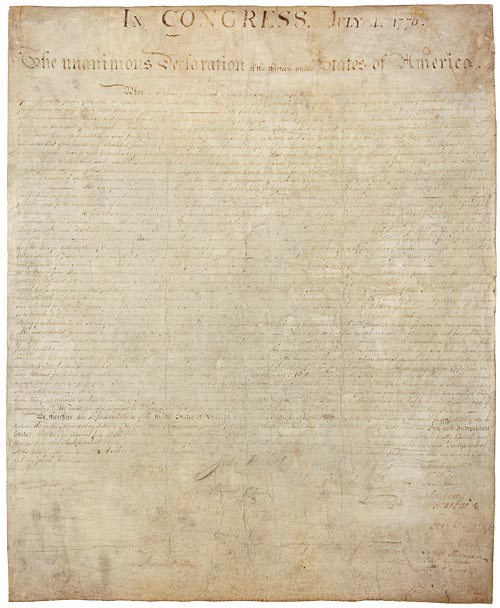 Document
Primary source
Declaration of Independence
Continental Congress (drafted by Thomas Jefferson) · 1776
 Document
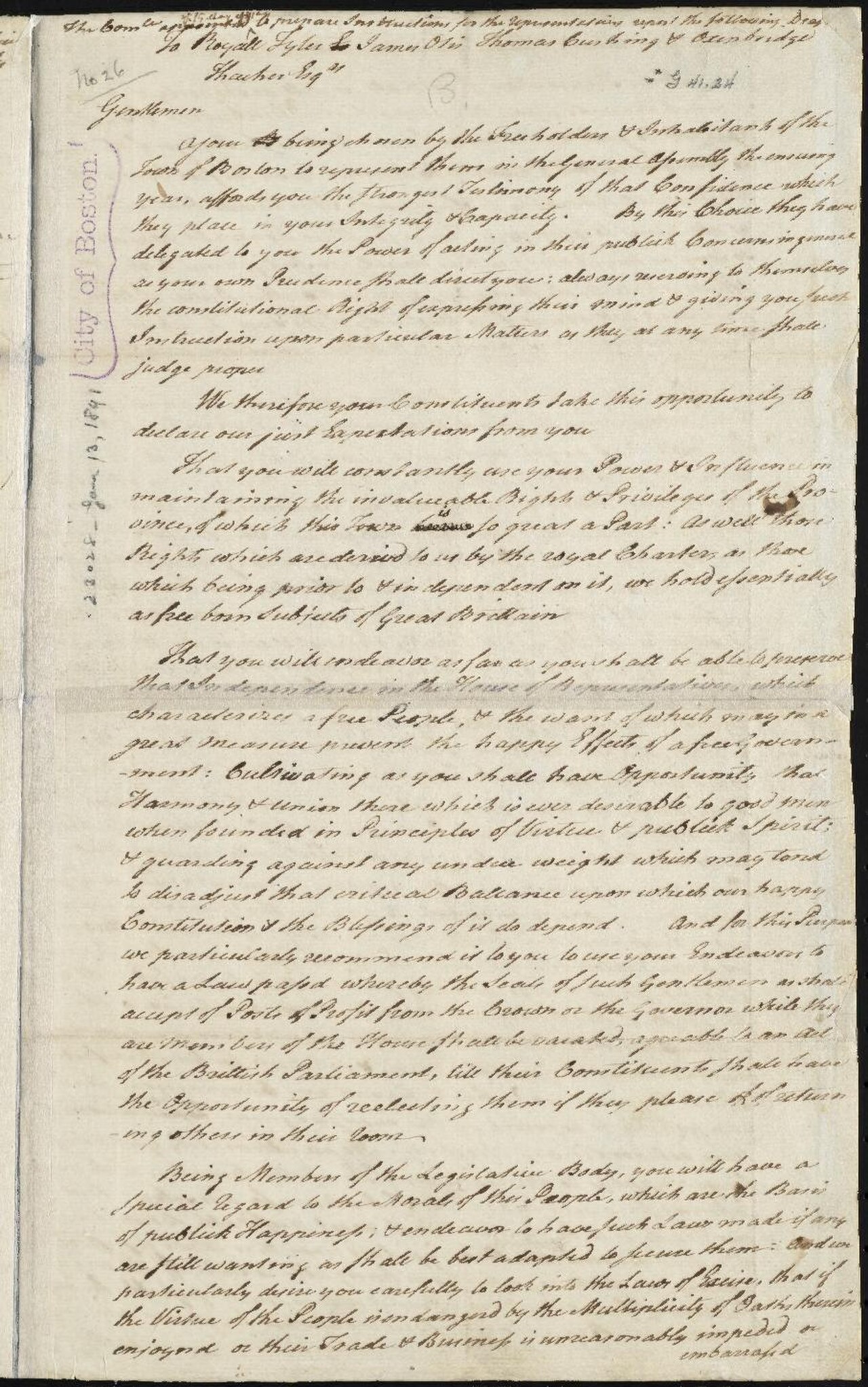
Primary source
Instructions of the Town of Boston to its Representatives
Samuel Adams · May 1764
 Painting
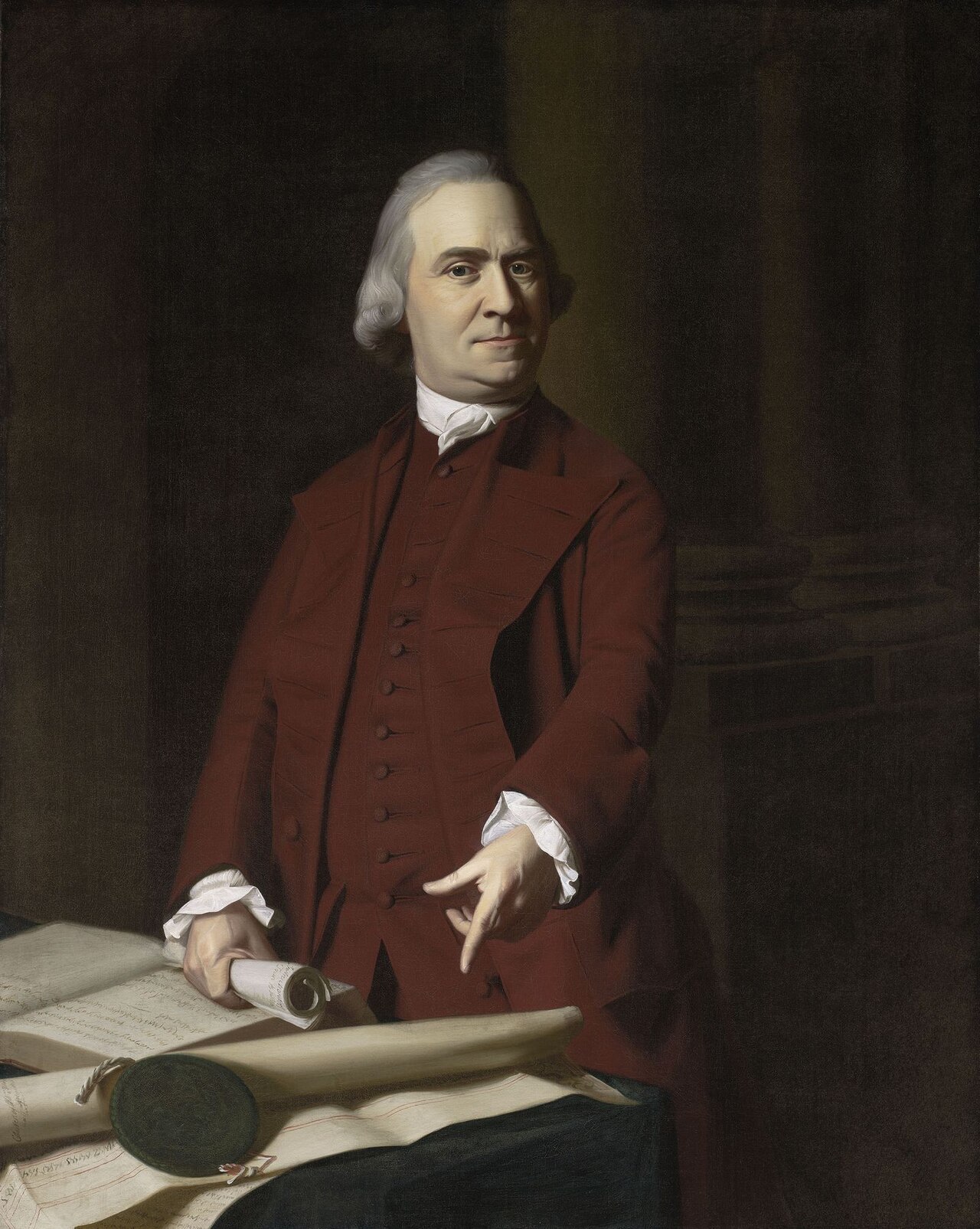
Primary source
Samuel Adams
John Singleton Copley · 1772
 Document
Primary source
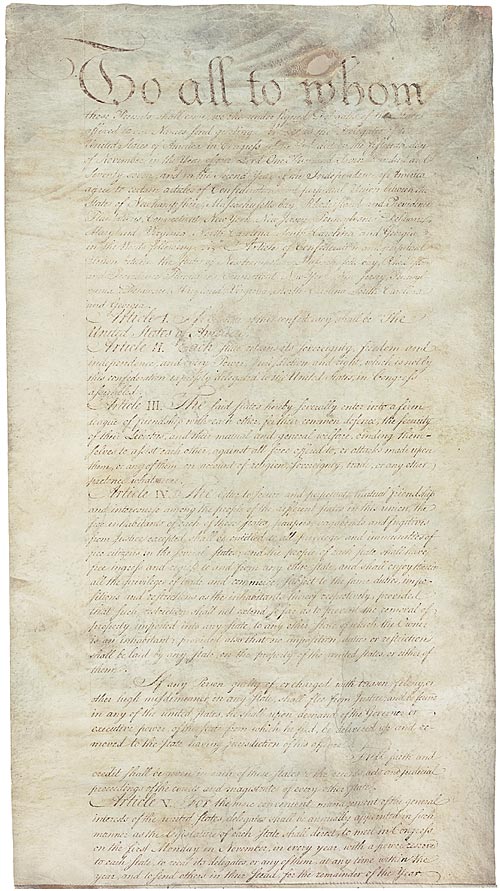
Articles of Confederation
Continental Congress · 1777
 Document
Primary source
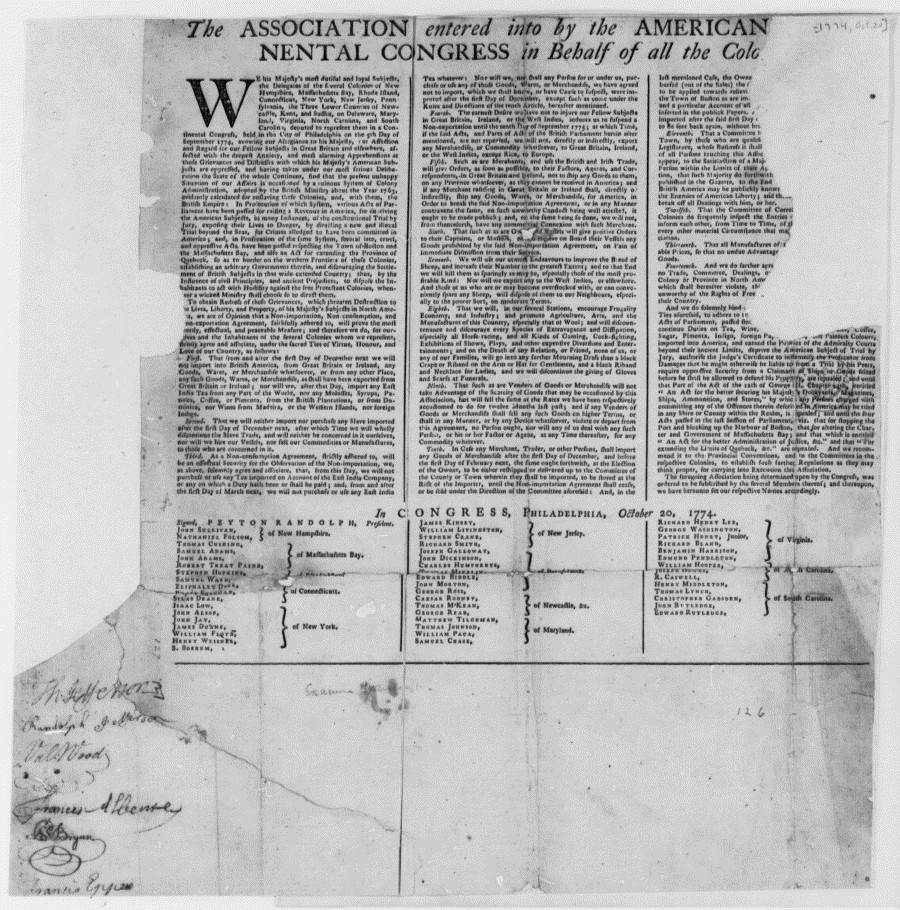
Continental Association
First Continental Congress · 20 October 1774
Ready when you are
Start chatting with Samuel Adams now.
20 messages free · No credit card · Available in 50+ languages.