


Primary sourceArtifact1598
San Gabriel de Yungue-Ouinge
1598
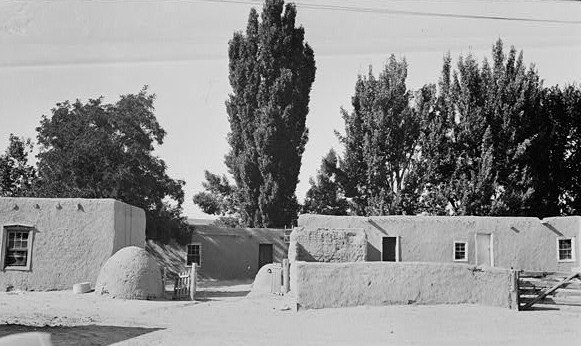
The Tewa pueblo site taken over by Oñate in 1598 and used as the first Spanish colonial capital of New Mexico.
The pueblo site Oñate occupied and used as his colonial capital after displacing its Tewa residents.
About this source
What it is
San Gabriel de Yungue-Ouinge was a Tewa pueblo located where the Rio Chama meets the Rio Grande. In 1598, Juan de Oñate took over this site after arriving to establish Spanish rule, and it served as the first colonial capital of Santa Fe de Nuevo México until 1610. The Puebloan residents were moved out to make way for the Spanish compound.
Why it matters
This site shows how Spanish colonization in New Mexico depended directly on displacing Indigenous people and taking over their land and labor. Archaeological excavations confirmed the settlement's remains, though the site was later leveled. It is a physical reminder of the earliest years of Oñate's governorship and its cost to the Tewa people of Ohkay Owingeh.
Look closer
- What happened to the original residents of Yúngéh when the Spanish arrived, and what does that tell you about colonization?
- Why do you think this site was eventually destroyed, and what was lost when that happened?
- What does the choice to call it 'San Gabriel' instead of its Tewa name suggest about Spanish attitudes?
This artifact is part of the curated material that grounds the AI version of Juan de Oñate on Humy.ai — when students ask about related events, the AI can quote it and cite it.
More Juan de Oñate sources
Browse all 28 →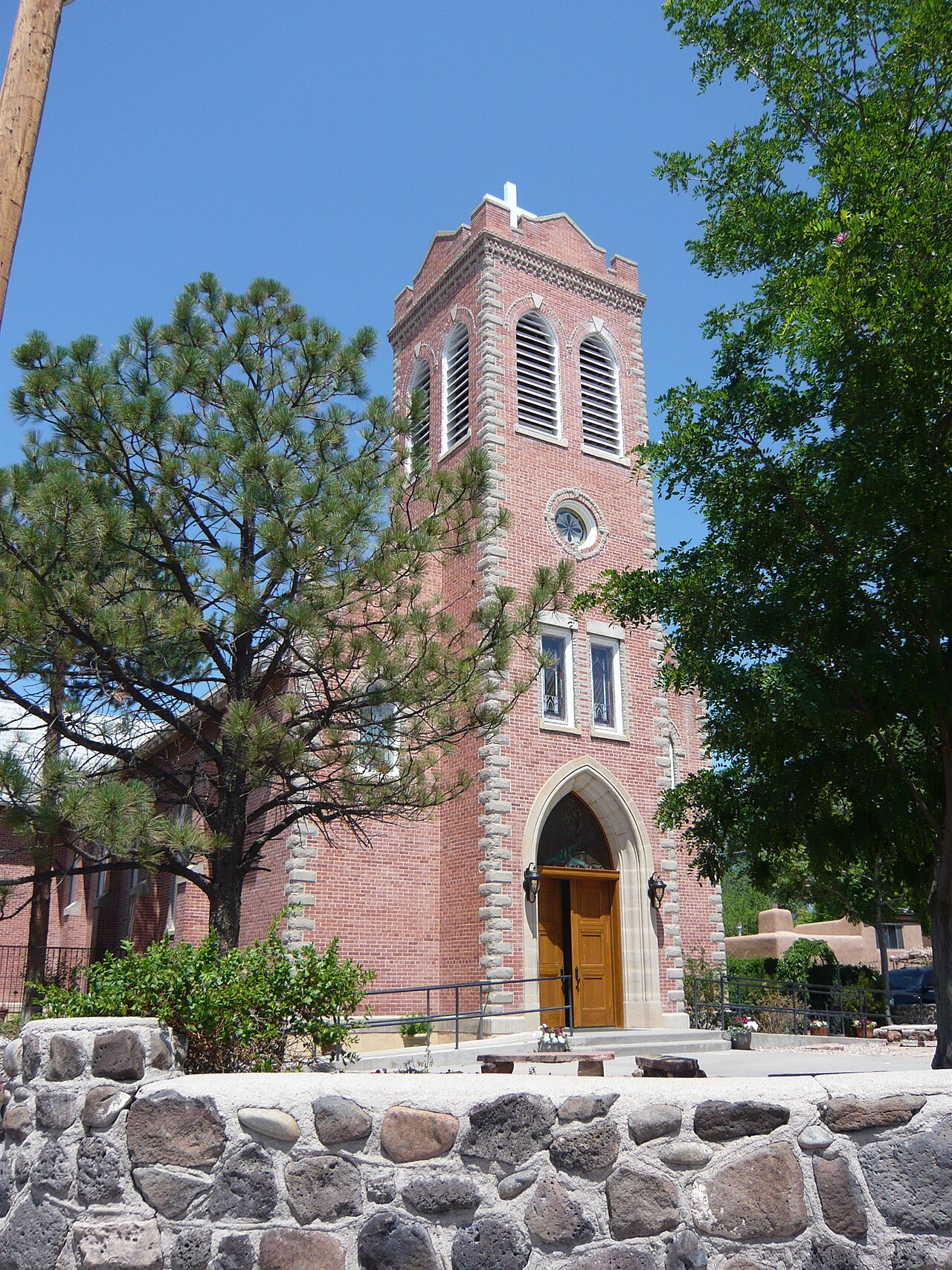 Artifact
Secondary source
Ohkay Owingeh
1540 (pueblo); 1598 (Spanish capital)
 Document
Primary source
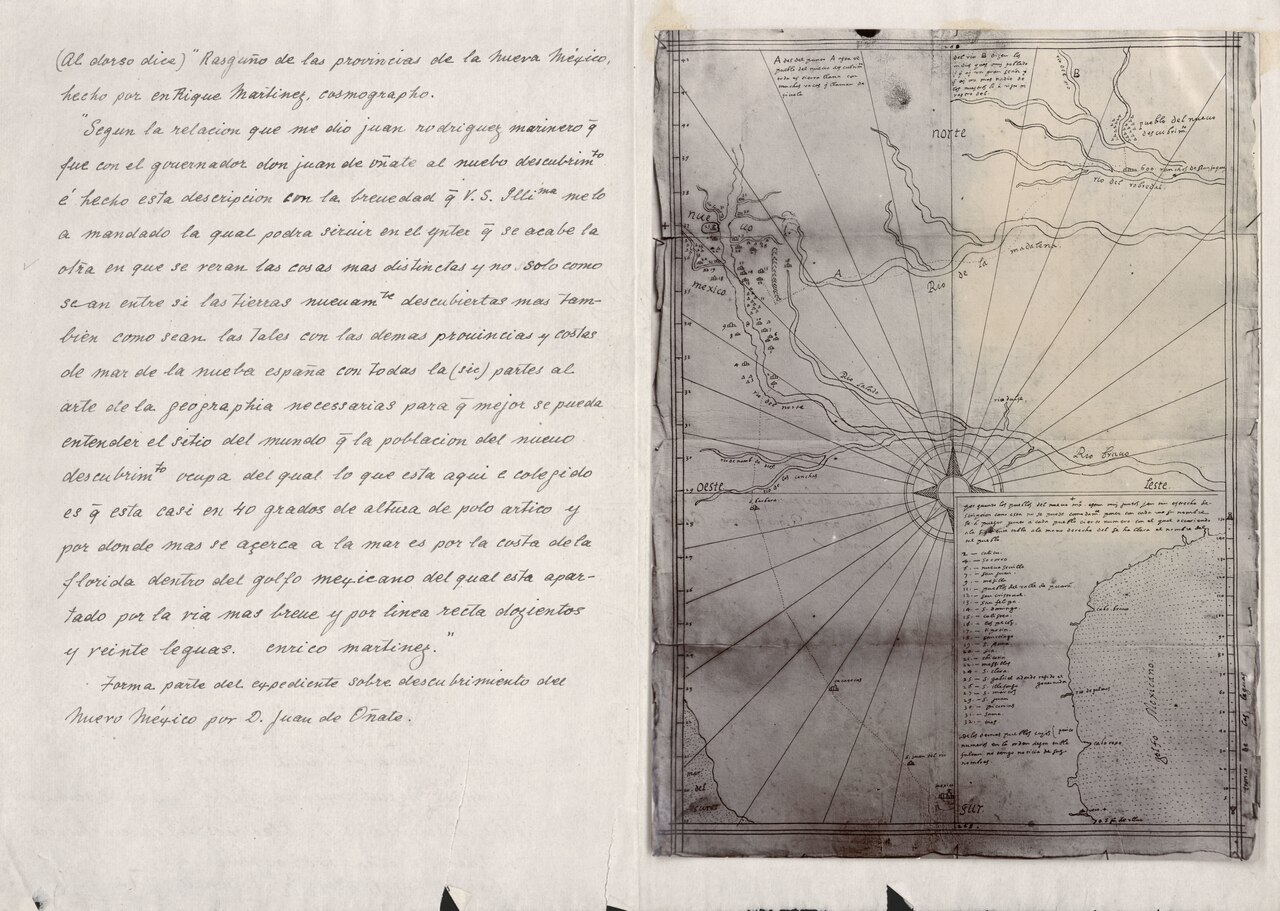
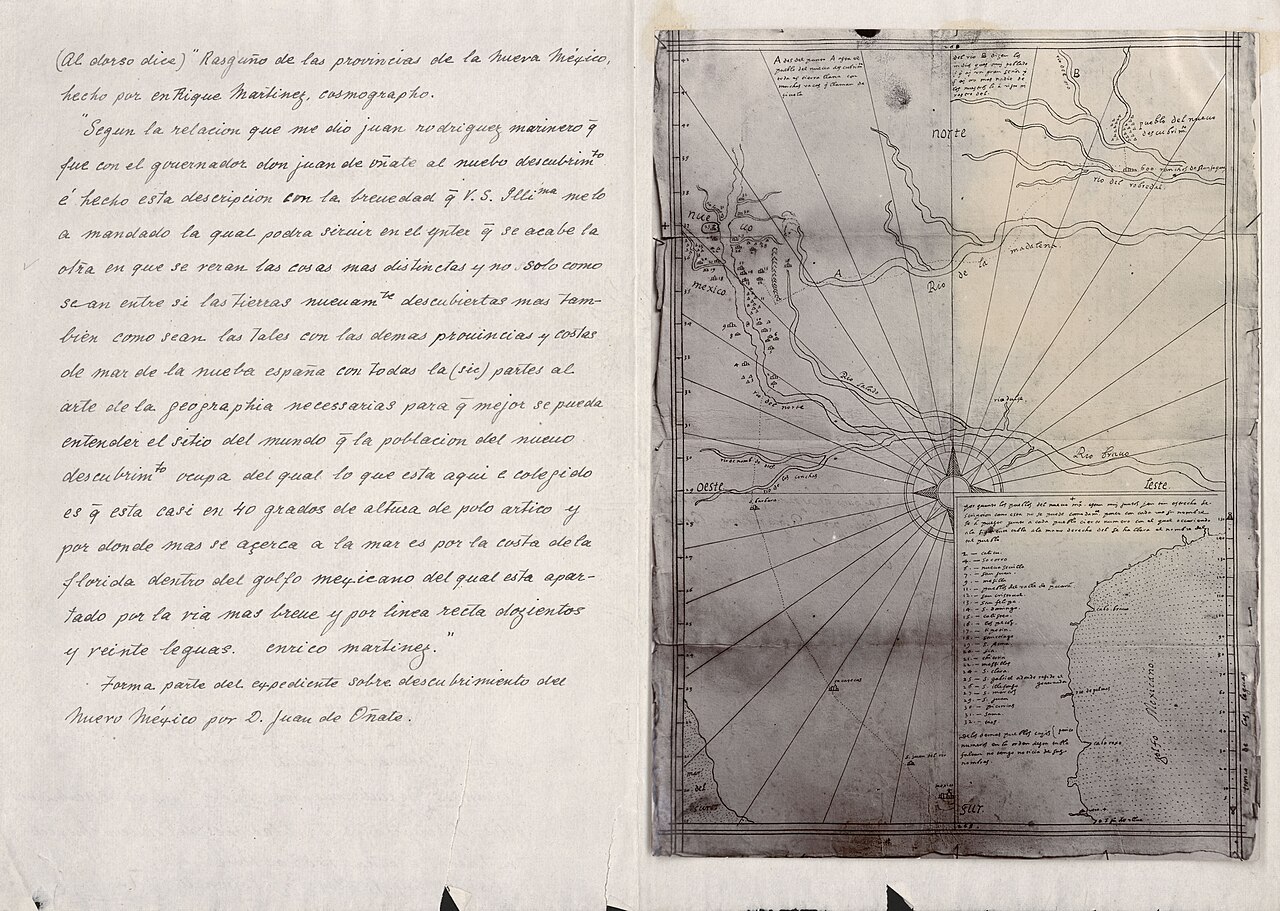
Rasguño de las provincias de la Nueva México
Enrico Martínez · c. 1602
 Book
Secondary source
The Spanish Borderlands: a chronicle of old Florida and the Southwest
Herbert Eugene Bolton · 1921
 Diary entry
Primary source
Diary of Fray Francisco de Escobar on the Colorado River expedition
Francisco de Escobar · 1605
Free account
Read every Juan de Oñate source
Sign up free →
Ready when you are
Start chatting with Juan de Oñate now.
20 messages free · No credit card · Available in 50+ languages.