


Primary sourceArtifactcirca 1914
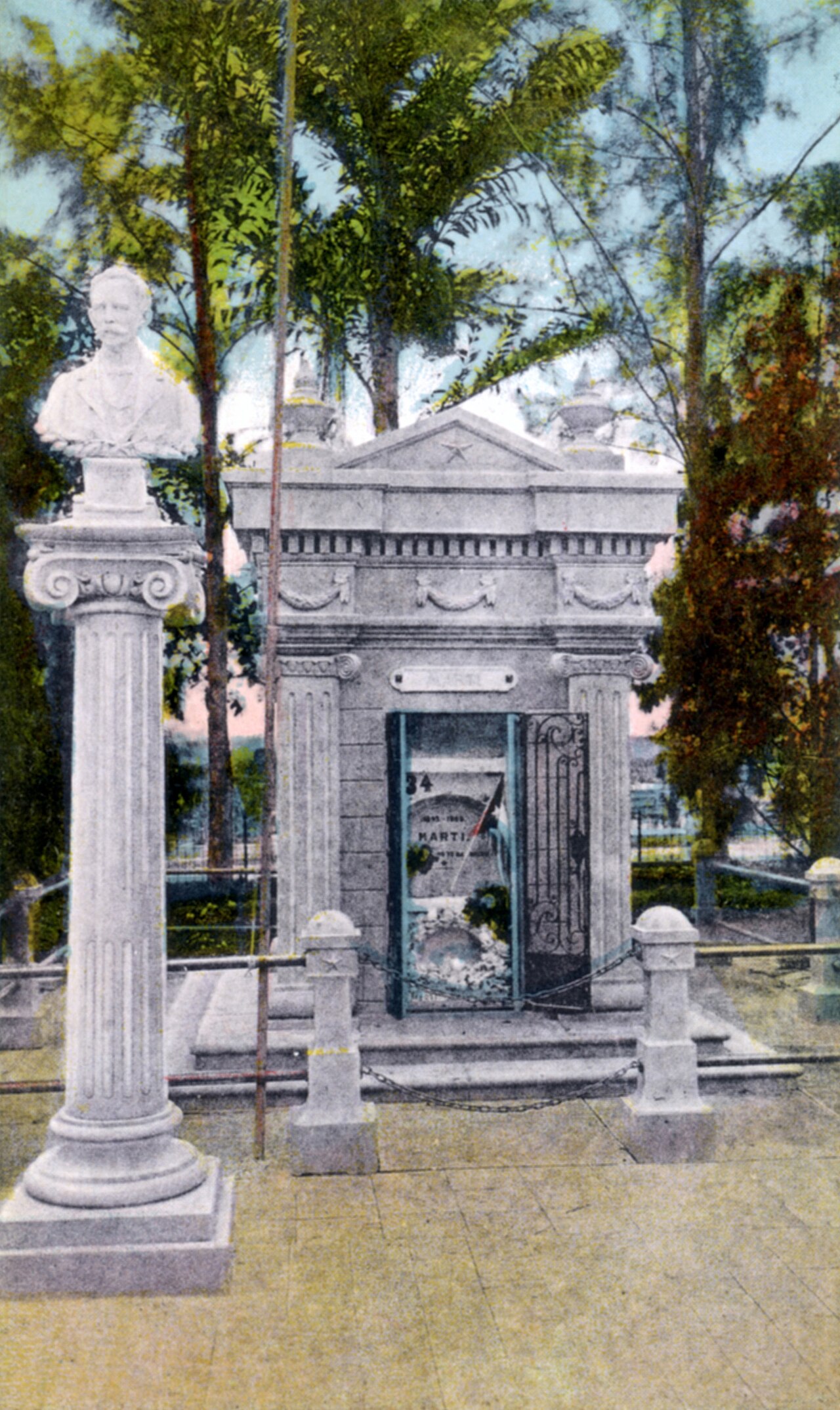
Santiago de Cuba postcard of Martí's tomb
circa 1914
A hand-tinted postcard from about 1914 showing the mausoleum of José Martí in Santiago de Cuba, a sign of how his grave was honoured.
This postcard shows how Martí's tomb in Santiago de Cuba was presented to the public in the early twentieth century.
About this source
What it is
This is a hand-tinted postcard showing a white stone mausoleum with a pediment and a bronze-gated entrance, set among tall trees. A bust on a fluted Ionic column stands at left, and chains and posts surround the tomb. Part of the inscription reads 'MARTI' with dates. The postcard was published by Edicion Renacimiento in Santiago de Cuba around 1914. It is a collotype print, divided back No. 37.
Why it matters
Postcards like this were widely sold and sent, so they show how public memory of Martí was shaped in the years after his death in 1895. The monument reflects how Cubans chose to honour a national hero.
Look closer
- What features of the tomb, such as the bust, gate and chains, does the designer want viewers to notice?
- Why might a publisher choose to tint a photograph of a grave, and who would have bought such a card?
- What does a picture of a monument leave out about the people who visited it or the history around it?
This artifact is part of the curated material that grounds the AI version of José Martí on Humy.ai — when students ask about related events, the AI can quote it and cite it.
More José Martí sources
Meet the AI José Martí →Primary source
Simple Verses
José Martí · 1891
 Photograph
Primary source
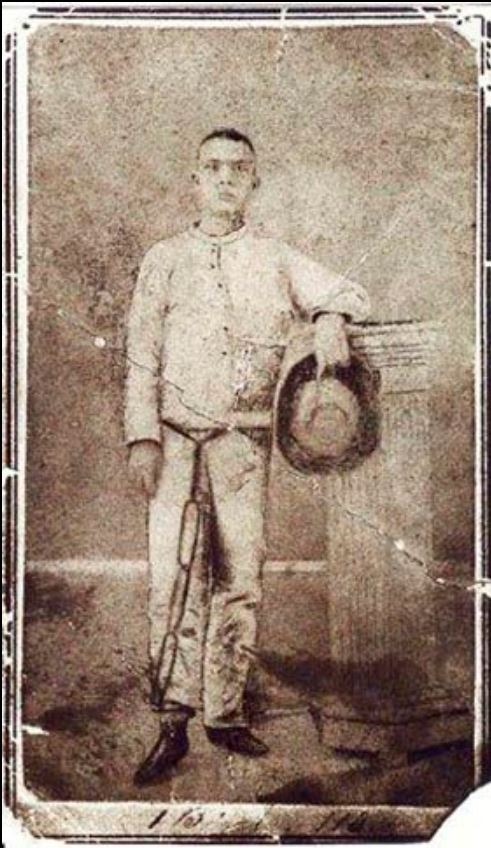
José Martí in the Quarry of San Lázaro
Unknown · c. 1870
 Photograph
Primary source
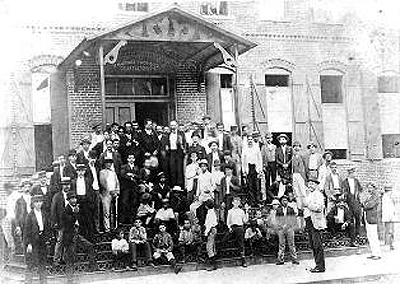
José Martí in Ybor City
Unknown · 1893
 Photograph
Primary source
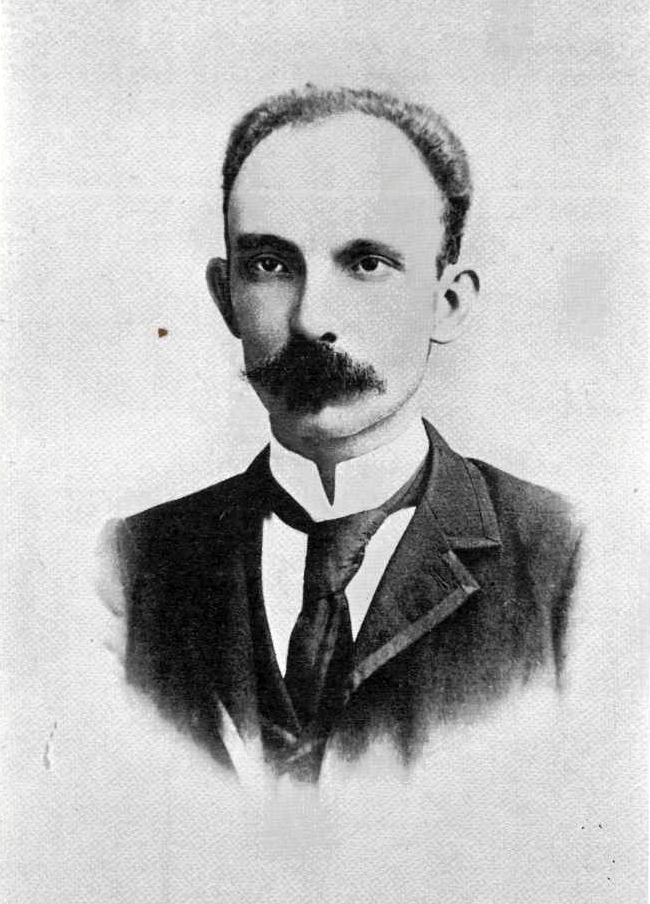
José Martí's Best-Known Portrait, Kingston 1892
Juan Bautista Valdés · 1892
 Newspaper article
Primary source
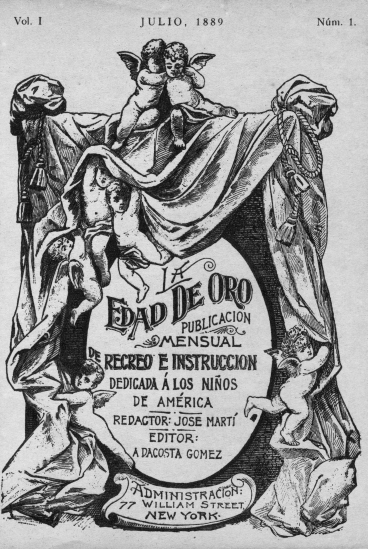
La Edad de Oro
José Martí · 1889
Ready when you are
Start chatting with José Martí now.
20 messages free · No credit card · Available in 50+ languages.